
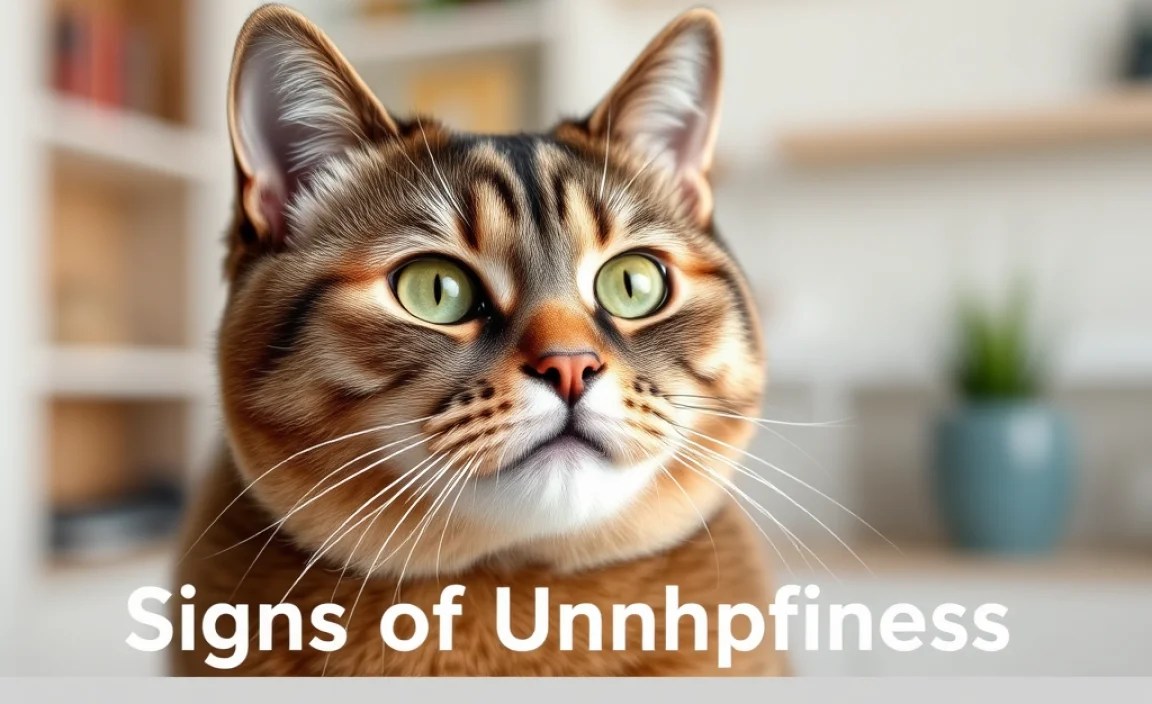
Signs of Unhappiness in British Shorthairs: Spot Them Early!

Quick Summary: Is your British Shorthair not acting like themselves? Watch for changes in appetite, litter box habits, or grooming. Hiding, hissing, or flattened ears can signal stress or illness. British Shorthairs thrive on routine and affection, so provide a stable environment with plenty of playtime to keep your furry friend happy and healthy. Consult your vet if you notice any persistent changes in behavior.
British Shorthairs are known for their laid-back and affectionate nature. So, it can be worrying when your usually content companion starts acting differently. As a lifelong cat lover and feline behavior expert at BritishShorthairAsk.com, I understand how unsettling it is to see your beloved cat unhappy. It’s important to remember that cats can’t tell us directly how they’re feeling, so we need to be observant.
This guide will help you identify the subtle signs of unhappiness in your British Shorthair. We’ll explore changes in behavior, physical symptoms, and environmental factors that could be affecting their well-being. By learning to recognize these signs, you can take steps to improve your cat’s life and ensure they’re living their best, most contented life. Let’s dive in!
Recognizing Unhappiness: Key Signs to Watch For

British Shorthairs are creatures of habit, so any deviation from their normal routine can be a sign that something is amiss. Keep a close eye on these key indicators:
Changes in Appetite
A sudden increase or decrease in appetite is a common sign of unhappiness or illness in cats.
- Loss of Appetite: If your British Shorthair is suddenly uninterested in their food, even their favorite treats, it could indicate stress, dental problems, or an underlying health issue.
- Increased Appetite: Sometimes, unhappiness can manifest as comfort eating. If your cat is constantly begging for food or seems insatiable, it’s worth investigating.
Altered Litter Box Habits
Changes in litter box habits are often a clear indication that something is wrong, whether it’s a medical issue or emotional distress.
- Urinating Outside the Litter Box: This could be due to a urinary tract infection, bladder stones, or stress. Cats may also avoid the litter box if it’s not clean enough or if they don’t like the type of litter you’re using.
- Changes in Stool Consistency: Diarrhea or constipation can be signs of dietary issues, stress, or illness.
Grooming Changes
British Shorthairs are typically meticulous groomers. Changes in their grooming habits can signal unhappiness or health problems.
- Overgrooming: Excessive licking or grooming can be a sign of anxiety or skin irritation. Your cat might be trying to soothe themselves by grooming compulsively.
- Neglecting Grooming: If your cat stops grooming altogether, it could indicate depression, pain, or illness. Older cats may also have difficulty grooming due to arthritis.
Body Language and Posture
A cat’s body language speaks volumes. Pay attention to how your British Shorthair is holding themselves.
- Hiding: If your cat is suddenly spending more time hiding under furniture or in secluded spots, it could be a sign of fear, anxiety, or illness.
- Flattened Ears: Ears held flat against the head indicate fear or aggression.
- Tucked Tail: A tail tucked between the legs is a sign of fear or submission.
- Hissing or Growling: These are clear signs of distress and should not be ignored.
Vocalization Changes
Changes in vocalization can also indicate unhappiness.
- Excessive Meowing: While British Shorthairs aren’t typically very vocal, excessive meowing can be a sign of attention-seeking, anxiety, or discomfort.
- Decreased Vocalization: A cat that suddenly becomes very quiet may be feeling unwell or depressed.
Sleep Pattern Disruptions
Changes in sleep patterns can also indicate underlying issues.
- Sleeping More Than Usual: While cats sleep a lot, a significant increase in sleep could indicate lethargy due to illness or depression.
- Restlessness: If your cat is pacing or unable to settle down, it could be a sign of anxiety or discomfort.
Identifying Potential Causes of Unhappiness

Once you’ve identified signs of unhappiness, the next step is to figure out what’s causing it. Here are some common culprits:
Environmental Stressors
Cats are sensitive to changes in their environment. Even seemingly small things can cause stress.
- Moving to a New Home: New environments can be overwhelming for cats. Provide plenty of familiar items, like their favorite bed and toys, to help them adjust.
- Changes in the Household: New family members (human or animal), loud noises, or even rearranging furniture can cause stress.
- Lack of Environmental Enrichment: Cats need mental and physical stimulation. Provide scratching posts, climbing structures, and interactive toys to keep them entertained.
Medical Issues
Many medical conditions can cause a cat to feel unhappy. It’s important to rule out any underlying health problems.
- Dental Problems: Tooth pain can make it difficult for cats to eat and can lead to decreased appetite and irritability.
- Urinary Tract Infections: UTIs can cause pain and discomfort, leading to changes in litter box habits.
- Arthritis: Joint pain can make it difficult for cats to move around and can lead to decreased activity and grooming.
- Hyperthyroidism: This condition can cause increased appetite, weight loss, and hyperactivity, which can be stressful for cats.
Behavioral Issues
Sometimes, unhappiness is caused by behavioral problems.
- Anxiety: Cats can experience anxiety for various reasons, such as separation anxiety, fear of loud noises, or past trauma.
- Depression: Depression in cats can be triggered by loss, loneliness, or chronic stress.
- Territorial Aggression: If you have multiple cats, they may be experiencing territorial aggression, leading to stress and unhappiness.
Dietary Issues
An improper diet can also contribute to a cat’s unhappiness.
- Food Allergies: Food allergies can cause skin irritation, digestive upset, and overall discomfort.
- Poor Quality Food: Feeding your cat a diet that is low in nutrients can lead to health problems and decreased energy levels.
- Sudden Diet Changes: Introducing new foods too quickly can cause digestive upset.
Creating a Happier Environment for Your British Shorthair

Once you’ve identified the potential causes of your cat’s unhappiness, you can take steps to create a more positive and supportive environment.
Enrichment and Play
Provide plenty of opportunities for play and mental stimulation.
- Interactive Toys: Use toys that mimic hunting behavior, such as feather wands, laser pointers, and puzzle toys.
- Scratching Posts: Provide a variety of scratching posts to satisfy your cat’s natural scratching instincts.
- Climbing Structures: Cats love to climb and perch. Provide cat trees or shelves to allow them to explore their environment from a higher vantage point.
- Rotate Toys Regularly: Keep your cat interested by rotating their toys regularly. This will make them feel like they’re getting something new and exciting.
Routine and Consistency
Cats thrive on routine. Maintain a consistent schedule for feeding, playtime, and sleep.
- Regular Feeding Times: Feed your cat at the same time each day to provide a sense of security and predictability.
- Consistent Litter Box Maintenance: Clean the litter box regularly to encourage your cat to use it.
- Predictable Playtime: Schedule regular playtime sessions to provide mental and physical stimulation.
Safe and Comfortable Space
Ensure your cat has a safe and comfortable space where they can retreat when they feel overwhelmed.
- Quiet Retreat: Provide a quiet, secluded space where your cat can go to escape noise and activity.
- Comfortable Bed: Make sure your cat has a comfortable bed in a warm, draft-free location.
- Familiar Items: Surround your cat with familiar items, such as their favorite blanket or toy, to provide a sense of security.
Addressing Multi-Cat Issues
If you have multiple cats, make sure they have enough space and resources to avoid competition and conflict.
- Separate Feeding Stations: Provide separate feeding stations for each cat to prevent food aggression.
- Multiple Litter Boxes: Have enough litter boxes for each cat (the general rule is one litter box per cat, plus one extra).
- Vertical Space: Provide plenty of vertical space, such as cat trees and shelves, to allow cats to avoid each other if they choose.
- Scent Soothers: Consider using a feline pheromone diffuser, like Feliway, to help reduce tension and promote a sense of calm in the household.
Dietary Adjustments
Ensure your cat is eating a high-quality diet that meets their nutritional needs.
- High-Quality Food: Choose a cat food that is made with high-quality ingredients and is appropriate for your cat’s age and activity level.
- Limited Ingredient Diet: If you suspect your cat has a food allergy, talk to your vet about trying a limited ingredient diet.
- Fresh Water: Always provide your cat with fresh, clean water.
When to Consult a Veterinarian

It’s essential to consult a veterinarian if you notice any persistent signs of unhappiness or if your cat’s behavior changes suddenly. A vet can help rule out any underlying medical conditions and recommend appropriate treatment.
Medical Examination
Your veterinarian will perform a thorough physical examination to check for any signs of illness or injury.
Diagnostic Tests
Depending on your cat’s symptoms, your veterinarian may recommend diagnostic tests, such as blood work, urine analysis, or X-rays, to help identify the cause of their unhappiness.
Behavioral Consultation
In some cases, your veterinarian may recommend a consultation with a veterinary behaviorist. A behaviorist can help you understand your cat’s behavior and develop a treatment plan to address any underlying behavioral issues.
Medication and Therapy
In some cases, medication or therapy may be necessary to address your cat’s unhappiness.
Anti-Anxiety Medication
If your cat is experiencing anxiety, your veterinarian may prescribe anti-anxiety medication to help them feel calmer and more relaxed. According to the RSPCA, anxiety medications should always be used in conjunction with behavioral therapy to be most effective.
Pain Management
If your cat is experiencing pain, your veterinarian may prescribe pain medication to help them feel more comfortable.
Behavioral Therapy
Behavioral therapy can help your cat learn to cope with stress and anxiety. Your veterinarian or a veterinary behaviorist can recommend appropriate therapy techniques.
British Shorthair Specific Considerations
While many of the signs of unhappiness are universal to all cats, there are some considerations specific to British Shorthairs.
| Consideration | Description |
|---|---|
| Tendency to Overeat | British Shorthairs are prone to weight gain. Monitor their food intake carefully and provide plenty of exercise to prevent obesity, which can lead to unhappiness and health problems. |
| Sensitivity to Change | British Shorthairs thrive on routine. Be mindful of making any sudden changes to their environment or schedule. |
| Need for Affection | While British Shorthairs are independent, they still need affection and attention. Make sure to spend quality time with your cat each day. |
Building a Strong Bond with Your British Shorthair
A strong bond with your cat can help you better understand their needs and detect signs of unhappiness early on.
- Spend Quality Time Together: Set aside time each day to interact with your cat, whether it’s through playtime, grooming, or simply cuddling.
- Learn Your Cat’s Body Language: Pay attention to your cat’s body language to better understand how they’re feeling.
- Be Patient and Understanding: Remember that cats can’t always communicate their needs directly. Be patient and understanding as you try to figure out what’s causing their unhappiness.
Preventative Measures for a Happy Cat
Prevention is always better than cure. Taking proactive steps to ensure your British Shorthair’s well-being can minimize the chances of unhappiness.
- Regular Vet Checkups: Schedule regular vet checkups to catch any potential health problems early on. The American Animal Hospital Association recommends annual checkups for adult cats and more frequent visits for kittens and senior cats.
- Proper Nutrition: Feed your cat a high-quality diet that meets their nutritional needs.
- Environmental Enrichment: Provide plenty of opportunities for play, mental stimulation, and exploration.
- Stress Reduction: Minimize stress in your cat’s environment by maintaining a consistent routine and providing a safe and comfortable space.
FAQ: Understanding Unhappiness in British Shorthairs
Here are some frequently asked questions about unhappiness in British Shorthair cats:
- Q: How can I tell if my British Shorthair is stressed?
- A: Signs of stress include hiding, flattened ears, tucked tail, hissing, changes in appetite, and altered litter box habits.
- Q: What are the most common causes of unhappiness in British Shorthairs?
- A: Common causes include environmental stressors, medical issues, behavioral problems, and dietary issues.
- Q: How often should I take my British Shorthair to the vet?
- A: Adult cats should have annual checkups, while kittens and senior cats may need more frequent visits.
- Q: What can I do to create a happier environment for my British Shorthair?
- A: Provide plenty of play, mental stimulation, a consistent routine, and a safe, comfortable space.
- Q: Is it normal for British Shorthairs to hide?
- A: Occasional hiding is normal, but excessive hiding can be a sign of stress or illness.
- Q: Can diet affect my British Shorthair’s mood?
- A: Yes, a poor quality diet or food allergies can contribute to unhappiness and discomfort.
- Q: How can I help my British Shorthair adjust to a new home?
- A: Provide familiar items, a quiet space, and plenty of reassurance.
Conclusion
Recognizing the signs of unhappiness in your British Shorthair is the first step toward improving their quality of life. By paying close attention to their behavior, body language, and environment, you can identify potential causes of stress and take steps to create a happier, healthier home for your feline friend. Remember, if you’re ever concerned about your cat’s well-being, don’t hesitate to consult with your veterinarian. With a little patience, understanding, and proactive care, you can ensure that your British Shorthair lives a long, joyful life by your side.


