
How to Keep a British Shorthair Active: Easy Fun!

Quick Summary:
Keeping your British Shorthair active involves daily playtime, interactive toys, and environmental enrichment. Aim for at least 15-20 minutes of active play each day using toys that mimic hunting behavior. Puzzle feeders and climbing structures also help stimulate their minds and bodies, preventing boredom and promoting a healthy weight. Consistency is key!
Is your British Shorthair turning into a fluffy couch potato? It’s a common concern! These adorable cats are known for their relaxed nature, but that doesn’t mean they should be inactive. Lack of exercise can lead to weight gain and boredom, which can cause health and behavioral issues. But don’t worry, keeping your British Shorthair active is easier than you think!
With the right approach, you can encourage your British Shorthair to embrace their playful side. I’ll walk you through simple steps to boost their activity levels and keep them happy and healthy. Let’s dive in and discover how to make playtime fun and engaging for your furry friend!
Understanding Your British Shorthair’s Activity Needs

British Shorthairs have unique needs when it comes to staying active. Understanding these needs is the first step in creating a suitable exercise plan.
Why Activity Matters for British Shorthairs
While they are not as high-energy as some other breeds, British Shorthairs still require regular physical and mental stimulation. Activity helps them:
- Maintain a healthy weight: British Shorthairs are prone to weight gain, which can lead to diabetes and joint problems.
- Prevent boredom: Bored cats can develop behavioral issues like excessive grooming or destructive scratching.
- Strengthen their bond with you: Playtime is a great way to connect with your cat.
Typical Activity Levels
British Shorthairs are moderately active cats. They enjoy short bursts of play followed by long periods of rest. Unlike more athletic breeds, they are not likely to be climbing your curtains or running around all day. According to The International Cat Association (TICA), understanding a breed’s typical behavior is key to responsible ownership.
Recognizing Signs of Inactivity
Here are some signs that your British Shorthair may not be getting enough exercise:
- Sleeping more than usual
- Showing disinterest in toys
- Becoming overweight
- Exhibiting destructive behaviors
- Overeating
Step-by-Step Guide to Keeping Your British Shorthair Active

Here’s a detailed guide to help you boost your British Shorthair’s activity levels.
Step 1: Create an Engaging Play Environment
Your home environment plays a crucial role in encouraging your cat to be active.
- Climbing Structures: Cat trees and shelves provide opportunities for climbing and exploring.
- Scratching Posts: These allow your cat to stretch and scratch, which is essential for their physical and mental well-being. The RSPCA recommends providing a variety of scratching surfaces.
- Window Perches: Cats love to watch the world outside. A window perch can provide hours of entertainment.
Step 2: Introduce Interactive Toys
Interactive toys stimulate your cat’s natural hunting instincts and encourage them to move.
- Wand Toys: These mimic the movement of prey and are great for interactive play sessions.
- Puzzle Feeders: These toys require your cat to work for their food, providing mental stimulation and preventing overeating.
- Laser Pointers: While some cats love chasing laser pointers, be sure to end the session with a tangible toy to “catch,” as recommended by the Cornell Feline Health Center.
Here is a list of interactive toys for British Shorthair:
| Toy Type | Description | Benefits |
|---|---|---|
| Wand Toys | A stick with feathers or toys attached. | Encourages chasing and pouncing. |
| Puzzle Feeders | Dispenses food when manipulated. | Provides mental stimulation and slows eating. |
| Laser Pointers | Projects a moving dot for cats to chase. | Encourages running and following. |
| Toy Mice | Small, plush toys that cats can bat around. | Stimulates hunting behavior. |
Step 3: Schedule Regular Playtime
Consistency is key when it comes to keeping your British Shorthair active. Aim for at least two play sessions per day, each lasting 10-15 minutes.
- Morning Play: A quick play session in the morning can help your cat burn off energy before you leave for the day.
- Evening Play: An evening play session can help your cat relax and unwind before bedtime.
Step 4: Teach Tricks and Commands
Training your British Shorthair to perform simple tricks can be a fun and rewarding way to keep them mentally stimulated. Cats can be trained using positive reinforcement techniques, like treats and praise.
- Sit: Hold a treat above your cat’s head and say “sit.” When they sit, give them the treat and praise.
- Come: Call your cat’s name and say “come.” When they come to you, give them a treat and praise.
- Fetch: Throw a toy and encourage your cat to bring it back to you. Reward them with a treat and praise.
Step 5: Rotate Toys Regularly
Cats can get bored with the same toys over time. Keep things interesting by rotating your cat’s toys on a regular basis. This will make them feel like they are getting something new to play with.
Step 6: Consider a Companion
If you have the time and resources, consider getting another cat. A companion can provide your British Shorthair with social interaction and encourage them to be more active. Make sure to introduce new cats slowly and carefully to avoid conflicts.
Step 7: Optimize Feeding Habits
Proper nutrition is essential for maintaining your British Shorthair’s energy levels and preventing weight gain.
- Controlled Portions: Measure your cat’s food to avoid overfeeding. Follow the guidelines on the food packaging.
- High-Quality Food: Choose a high-quality cat food that is rich in protein and low in carbohydrates.
- Multiple Small Meals: Instead of feeding your cat one large meal, divide their daily food allowance into several smaller meals.
A quick summary of feeding habits:
| Aspect | Recommendation | Reason |
|---|---|---|
| Portion Control | Measure food according to guidelines | Prevents overeating and weight gain |
| Food Quality | High protein, low carbohydrates | Supports energy levels and muscle mass |
| Meal Frequency | Several small meals | Mimics natural eating patterns |
| Hydration | Ensure fresh water is always available | Supports overall health and kidney function |
Step 8: Regular Vet Checks
Regular veterinary checkups are important for detecting any underlying health issues that may be affecting your cat’s activity levels. Your vet can also provide personalized advice on how to keep your British Shorthair healthy and active.
Addressing Common Challenges
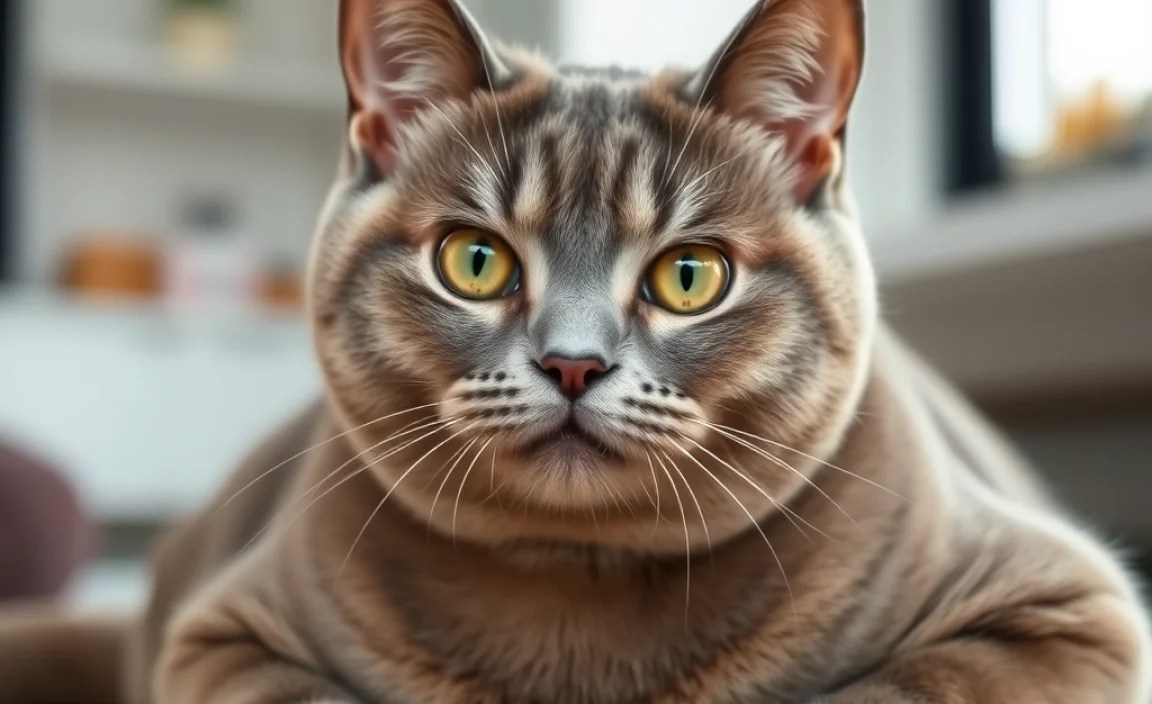
Keeping your British Shorthair active isn’t always easy. Here are some common challenges and how to overcome them.
Challenge: Cat Shows No Interest in Toys
- Solution: Try different types of toys to see what your cat prefers. Some cats are more interested in toys that mimic prey, while others prefer toys that make noise. Experiment with different textures and materials.
Challenge: Cat Is Overweight
- Solution: Consult with your veterinarian to determine a healthy weight for your cat. Switch to a weight-management food and increase their activity levels gradually. Use puzzle feeders to slow down eating and provide mental stimulation.
Challenge: Cat Is Lazy
- Solution: Start with short, frequent play sessions and gradually increase the duration and intensity. Make playtime fun and rewarding by using positive reinforcement techniques.
Challenge: Cat Scared of New Toys
- Solution: Introduce the new toy slowly. Leave it in a common area where your cat can get used to its presence. Once your cat seems comfortable, try playing with the toy yourself to show that it’s safe and fun.
Tips for Specific Age Groups
Activity needs vary depending on your cat’s age. Here are some tips for different life stages.
Kittens
- Frequent Play Sessions: Kittens have a lot of energy and need frequent play sessions to burn it off.
- Safe Toys: Choose toys that are safe for kittens, without small parts that could be swallowed.
Adult Cats
- Balanced Activity: Adult cats need a balance of physical and mental stimulation to stay healthy and happy.
- Consistent Routine: Stick to a regular playtime routine to keep your cat engaged.
Senior Cats
- Gentle Exercise: Senior cats may have arthritis or other health issues that limit their mobility. Focus on gentle exercise that doesn’t put too much strain on their joints.
- Comfortable Environment: Provide soft bedding and easy access to food, water, and litter box.
Here is a summary of exercises for each age group:
| Age Group | Recommended Activities | Considerations |
|---|---|---|
| Kittens | Chasing toys, climbing small structures | Ensure toys are safe and age-appropriate |
| Adult Cats | Interactive play, puzzle feeders | Maintain a consistent routine |
| Senior Cats | Gentle walks, soft toys | Avoid strenuous activities, ensure comfort |
Expert Advice and Recommendations
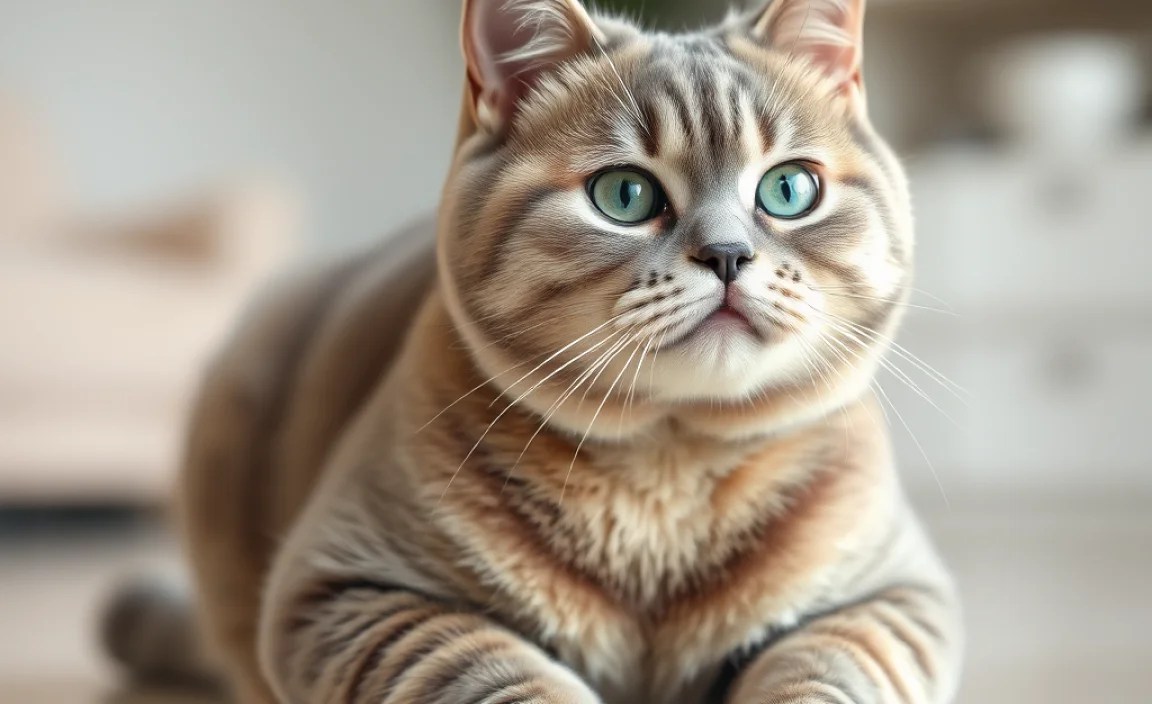
Here are some additional tips from feline behavior experts to help you keep your British Shorthair active.
- “Create a stimulating environment with plenty of vertical space,” suggests feline behaviorist Jackson Galaxy. “Cats feel more secure and confident when they have access to high places.”
- “Use food puzzles to engage your cat’s natural hunting instincts,” recommends Dr. Liz Bales, a feline veterinarian. “This can help prevent boredom and overeating.”
- “Don’t force your cat to play if they’re not in the mood,” advises Pam Johnson-Bennett, a certified cat behavior consultant. “Let them set the pace and choose the activity.”
FAQ: Keeping Your British Shorthair Active
Here are some frequently asked questions about keeping British Shorthairs active.
Q: How much exercise does a British Shorthair need?
A: British Shorthairs need at least 15-20 minutes of active play each day. This can be divided into two or three shorter sessions.
Q: What are the best toys for British Shorthairs?
A: Wand toys, puzzle feeders, and toy mice are all great options. Experiment with different types of toys to see what your cat prefers.
Q: How can I tell if my British Shorthair is bored?
A: Signs of boredom include sleeping more than usual, showing disinterest in toys, and exhibiting destructive behaviors.
Q: Can I train my British Shorthair to walk on a leash?
A: Yes, with patience and positive reinforcement, you can train your British Shorthair to walk on a leash. Start by getting them used to wearing a harness indoors, then gradually introduce them to the outdoors.
Q: Is it okay to use a laser pointer with my cat?
A: Laser pointers can be a fun way to exercise your cat, but it’s important to end the session with a tangible toy for them to “catch.” This will help prevent frustration.
Q: How often should I rotate my cat’s toys?
A: Rotate your cat’s toys every few weeks to keep things interesting. This will make them feel like they are getting something new to play with.
Q: Can a British Shorthair be an indoor-only cat?
A: Yes, British Shorthairs can thrive as indoor-only cats, provided they have plenty of opportunities for physical and mental stimulation.
Conclusion
Keeping your British Shorthair active is essential for their physical and mental well-being. By creating an engaging environment, introducing interactive toys, scheduling regular playtime, and addressing any challenges, you can help your furry friend stay happy, healthy, and active for years to come. Remember, consistency and patience are key. Enjoy the journey of discovering what activities your British Shorthair loves the most, and cherish the bond you build through play!


