
Cat Wellness Tips for British Shorthairs: Ultimate Guide

Cat Wellness Tips for British Shorthairs

Quick Summary: Keeping your British Shorthair happy and healthy involves a balanced diet, regular grooming to manage their thick coat, plenty of playtime to prevent boredom, and routine vet check-ups. Providing a safe, loving environment and watching for changes in their behavior are also key to their overall well-being.
Is your British Shorthair looking a bit…puffy? Or perhaps a little less playful than usual? Don’t worry, you’re not alone! Many British Shorthair owners find themselves wondering how to best care for these charming, round-faced felines. They’re a unique breed with specific needs, and it’s easy to feel overwhelmed trying to keep them in tip-top shape. This guide will walk you through easy, actionable steps to ensure your British Shorthair lives a long, healthy, and joyful life. From diet and grooming to playtime and health checks, we’ve got you covered. Let’s get started on the path to a happier, healthier kitty!
Understanding Your British Shorthair’s Needs

British Shorthairs are known for their calm and affectionate nature, but they also have specific requirements to thrive. Understanding these needs is the first step in ensuring their well-being.
Diet and Nutrition
A balanced diet is crucial for maintaining your British Shorthair’s health and weight. This breed is prone to weight gain, so portion control and high-quality food are essential.
- Choose high-quality cat food: Look for food that lists meat as the primary ingredient and is specifically formulated for indoor cats or weight management. According to Purina, high-quality cat food should contain essential nutrients to support your cat’s health.
- Control portion sizes: Follow the feeding guidelines on the food packaging and adjust as needed based on your cat’s activity level and weight.
- Establish a feeding schedule: Feed your cat at the same times each day to regulate their metabolism and prevent overeating.
- Provide fresh water: Always ensure your cat has access to clean, fresh water. Consider using a water fountain to encourage drinking.
Grooming
British Shorthairs have a dense, plush coat that requires regular grooming to prevent matting and reduce shedding.
- Brush regularly: Brush your cat 2-3 times a week with a slicker brush or grooming glove to remove loose hair and prevent mats.
- Bathe as needed: British Shorthairs generally don’t need frequent baths, but if they get dirty or greasy, use a cat-specific shampoo. The RSPCA recommends using a mild shampoo and avoiding getting water in their ears.
- Trim nails: Trim your cat’s nails every few weeks to prevent them from becoming overgrown and causing discomfort.
- Check ears: Regularly check your cat’s ears for signs of infection or mites and clean them with a cat-safe ear cleaner as needed.
Exercise and Play
While British Shorthairs are not as active as some other breeds, they still need regular exercise and mental stimulation to stay healthy and happy.
- Provide interactive toys: Offer a variety of toys such as feather wands, laser pointers, and puzzle toys to keep your cat engaged.
- Create climbing opportunities: British Shorthairs enjoy climbing, so provide them with cat trees or shelves to explore.
- Schedule playtime: Set aside 15-20 minutes each day for interactive play sessions with your cat.
- Consider a cat wheel: A cat wheel can provide a great outlet for energy, especially for indoor cats.
Health and Veterinary Care
Regular veterinary check-ups are essential for maintaining your British Shorthair’s health and detecting any potential problems early.
- Schedule annual check-ups: Take your cat to the vet for an annual check-up to ensure they are healthy and up-to-date on vaccinations.
- Follow vaccination schedule: Vaccinations protect your cat from common feline diseases. Follow your vet’s recommended vaccination schedule.
- Provide parasite prevention: Protect your cat from fleas, ticks, and worms with regular parasite prevention treatments. The International Cat Association (TICA) recommends consulting with your vet to determine the best parasite prevention plan for your cat.
- Be aware of breed-specific health concerns: British Shorthairs are prone to certain health issues, such as hypertrophic cardiomyopathy (HCM) and polycystic kidney disease (PKD). Discuss these concerns with your vet and be aware of the symptoms.
Creating a Comfortable Environment
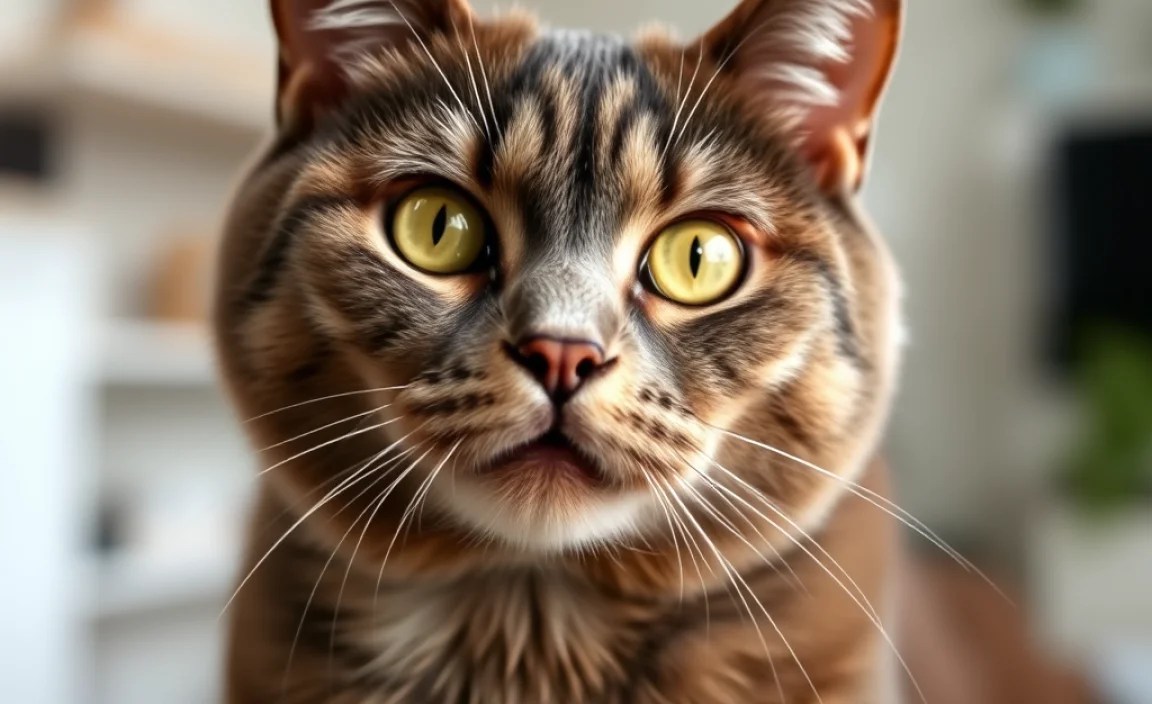
A safe and comfortable environment is essential for your British Shorthair’s well-being. Providing them with a space where they feel secure and loved will contribute to their overall happiness.
Safe Indoor Environment
Ensure your home is safe for your British Shorthair by removing potential hazards.
- Remove toxic plants: Many common houseplants are toxic to cats. Keep them out of reach or choose cat-safe alternatives. The ASPCA has a comprehensive list of toxic and non-toxic plants.
- Secure electrical cords: Chewing on electrical cords can be dangerous. Cover or secure cords to prevent your cat from accessing them.
- Store cleaning supplies safely: Keep cleaning supplies and other chemicals out of reach of your cat.
- Provide a scratching post: Encourage your cat to scratch on a designated scratching post to protect your furniture.
Comfortable Resting Spots
British Shorthairs love to nap, so provide them with plenty of comfortable places to rest.
- Offer a variety of beds: Provide your cat with several different beds in various locations around your home.
- Choose soft bedding: Opt for soft, comfortable bedding that your cat will enjoy snuggling in.
- Create a cozy hideaway: Cats often appreciate having a safe, enclosed space where they can retreat.
- Place beds in sunny spots: Many cats enjoy basking in the sun, so place some of their beds near windows.
Litter Box Management
Proper litter box management is crucial for your cat’s hygiene and comfort.
- Provide enough litter boxes: A good rule of thumb is to have one litter box per cat, plus one extra.
- Choose the right litter: Experiment with different types of litter to find one that your cat prefers.
- Clean litter boxes regularly: Scoop the litter box at least once a day and change the litter completely every few weeks.
- Place litter boxes in accessible locations: Ensure your cat can easily access their litter boxes and that they are placed in quiet, private areas.
Addressing Common British Shorthair Challenges

While British Shorthairs are generally easygoing cats, they can still present some challenges for owners. Understanding these challenges and how to address them can help you provide the best possible care for your feline friend.
Weight Management
British Shorthairs are prone to weight gain, which can lead to various health problems. Managing their weight is crucial for their overall well-being.
- Monitor food intake: Carefully measure your cat’s food and avoid free-feeding.
- Encourage exercise: Provide plenty of opportunities for play and activity to help your cat burn calories.
- Choose a weight management food: If your cat is overweight, consider switching to a food specifically formulated for weight management.
- Consult with your vet: Your vet can help you determine the ideal weight for your cat and develop a weight loss plan if needed.
Grooming Difficulties
Some British Shorthairs may resist grooming, making it challenging to maintain their coat.
- Start young: Introduce grooming to your cat early in life to help them get used to it.
- Use positive reinforcement: Reward your cat with treats and praise during grooming sessions.
- Be gentle: Avoid pulling or tugging on their fur, and be patient and gentle.
- Try different tools: Experiment with different brushes and combs to find one that your cat tolerates.
Behavioral Issues
While generally well-behaved, British Shorthairs can sometimes exhibit behavioral issues such as scratching or biting.
- Provide scratching outlets: Ensure your cat has plenty of scratching posts and pads to satisfy their natural scratching instincts.
- Redirect biting behavior: If your cat bites, redirect their attention to a toy or scratching post.
- Identify triggers: Try to identify the triggers for any unwanted behaviors and avoid them.
- Consult with a behaviorist: If you’re struggling to manage your cat’s behavior, consider consulting with a certified feline behaviorist.
Recognizing Signs of Illness

Being able to recognize the signs of illness in your British Shorthair is crucial for ensuring they receive prompt veterinary care. Early detection can make a significant difference in their treatment and recovery.
Changes in Appetite or Thirst
A sudden change in your cat’s appetite or thirst can be a sign of an underlying health problem.
- Decreased appetite: If your cat stops eating or eats significantly less than usual, it could indicate a health issue.
- Increased appetite: A sudden increase in appetite, especially if accompanied by weight loss, can be a sign of diabetes or hyperthyroidism.
- Increased thirst: Excessive drinking can be a sign of kidney disease, diabetes, or other health problems.
Changes in Litter Box Habits
Changes in your cat’s litter box habits can also be a sign of illness.
- Straining to urinate: Difficulty urinating can indicate a urinary tract infection or blockage.
- Increased frequency of urination: Frequent urination can be a sign of kidney disease or diabetes.
- Blood in urine: Blood in the urine is a serious symptom that requires immediate veterinary attention.
- Changes in stool: Diarrhea or constipation can be signs of digestive problems.
Changes in Behavior
Pay attention to any changes in your cat’s behavior, as they can be indicators of illness.
- Lethargy: If your cat is unusually tired or inactive, it could be a sign of illness.
- Hiding: Cats often hide when they are not feeling well.
- Aggression: Sudden aggression can be a sign of pain or discomfort.
- Vocalization: Excessive meowing or other vocalizations can indicate a problem.
Physical Symptoms
Be aware of any physical symptoms that your cat may exhibit.
- Coughing or sneezing: Coughing or sneezing can be a sign of a respiratory infection.
- Vomiting or diarrhea: Vomiting or diarrhea can be caused by various factors, including infections, parasites, or food sensitivities.
- Hair loss: Excessive hair loss can be a sign of allergies, skin infections, or other health problems.
- Lumps or bumps: Any new lumps or bumps should be checked by a vet.
British Shorthair Wellness Checklist
Use this checklist to ensure you are meeting all of your British Shorthair’s needs:
| Area | Task | Frequency |
|---|---|---|
| Diet | Provide high-quality cat food | Daily |
| Control portion sizes | Daily | |
| Ensure fresh water is available | Daily | |
| Grooming | Brush coat | 2-3 times per week |
| Trim nails | Every few weeks | |
| Check and clean ears | As needed | |
| Exercise | Provide interactive toys | Daily |
| Schedule playtime | Daily | |
| Health | Annual vet check-up | Yearly |
| Vaccinations | As recommended by vet | |
| Parasite prevention | As recommended by vet | |
| Environment | Clean litter box | Daily |
| Provide comfortable beds | Ongoing | |
| Ensure a safe indoor environment | Ongoing |
FAQ About British Shorthair Wellness
Here are some frequently asked questions about keeping your British Shorthair happy and healthy:
Q: How much should I feed my British Shorthair?
A: The amount of food your British Shorthair needs depends on their age, weight, and activity level. Follow the feeding guidelines on the food packaging and adjust as needed. A general rule is about 1/2 to 3/4 cup of dry food per day, split into two meals. Always consult with your vet for personalized recommendations.
Q: How often should I groom my British Shorthair?
A: British Shorthairs should be brushed 2-3 times a week to remove loose hair and prevent mats. During shedding season, you may need to brush them more frequently.
Q: What are some common health problems in British Shorthairs?
A: British Shorthairs are prone to certain health issues, such as hypertrophic cardiomyopathy (HCM) and polycystic kidney disease (PKD). They are also prone to weight gain. Regular vet check-ups can help detect and manage these problems.
Q: How can I tell if my British Shorthair is overweight?
A: You should be able to feel your cat’s ribs without pressing too hard. If you can’t feel their ribs, or if they have a noticeable belly sag, they are likely overweight. Your vet can help you determine if your cat is at a healthy weight.
Q: How can I encourage my British Shorthair to exercise?
A: Provide interactive toys, create climbing opportunities, and schedule regular playtime sessions. A cat wheel can also be a great way to encourage exercise, especially for indoor cats.
Q: What type of litter box is best for a British Shorthair?
A: Most British Shorthairs do well with a standard-sized, uncovered litter box. However, some cats may prefer a covered box for privacy. Experiment to see what your cat prefers.
Q: How can I make my British Shorthair more comfortable in their environment?
A: Provide plenty of comfortable beds, create a cozy hideaway, and ensure they have access to a safe, quiet space where they can retreat when needed. Also, ensure their litter box is clean and easily accessible.
Conclusion
Caring for a British Shorthair is a rewarding experience. By understanding their specific needs and providing them with a balanced diet, regular grooming, plenty of exercise, and a safe, comfortable environment, you can ensure they live a long, healthy, and happy life. Remember to schedule regular vet check-ups and be aware of any signs of illness. With a little love and attention, your British Shorthair will be a cherished member of your family for many years to come.


