
British Shorthair Cat Enrichment at Home: Easy Guide

Quick Summary: Enriching your British Shorthair’s life at home is easy and rewarding! Provide interactive toys like puzzle feeders and wands, create climbing opportunities with cat trees and shelves, and offer comfortable resting spots. Regular playtime and consistent positive interactions will keep your British Shorthair happy, healthy, and mentally stimulated. These simple steps can significantly improve your cat’s well-being.
Bringing a British Shorthair into your home means welcoming a calm, loving companion. But like all cats, British Shorthairs need more than just food and shelter. They need enrichment to keep their minds active and prevent boredom. A bored cat can become stressed or even destructive, which is the last thing any cat owner wants. It might sound daunting, but providing enrichment is simpler than you think. We’re going to walk you through creating a stimulating and happy environment for your British Shorthair, step by step. From toys to climbing structures, get ready to transform your home into a feline paradise!
Understanding Enrichment for Your British Shorthair

Enrichment is all about enhancing your cat’s environment to meet their natural instincts and behaviors. For British Shorthairs, this means providing opportunities to play, explore, hunt, and rest comfortably. Think of it as creating an indoor playground that caters to their specific needs.
Why is Enrichment Important?
- Prevents Boredom: Bored cats can develop behavioral issues like excessive grooming or scratching.
- Reduces Stress: A stimulating environment helps reduce anxiety and stress.
- Encourages Exercise: Playtime helps keep your British Shorthair physically fit, preventing obesity.
- Strengthens Bond: Interactive play strengthens the bond between you and your cat.
- Supports Mental Health: Enrichment keeps their minds sharp and engaged.
Tailoring Enrichment to the British Shorthair
British Shorthairs are known for their laid-back personalities, but they still need stimulation. They might not be as hyperactive as some other breeds, but they enjoy gentle play and exploring their surroundings. The key is to offer a variety of options and observe what your cat enjoys most.
Creating an Enriched Environment: A Step-by-Step Guide
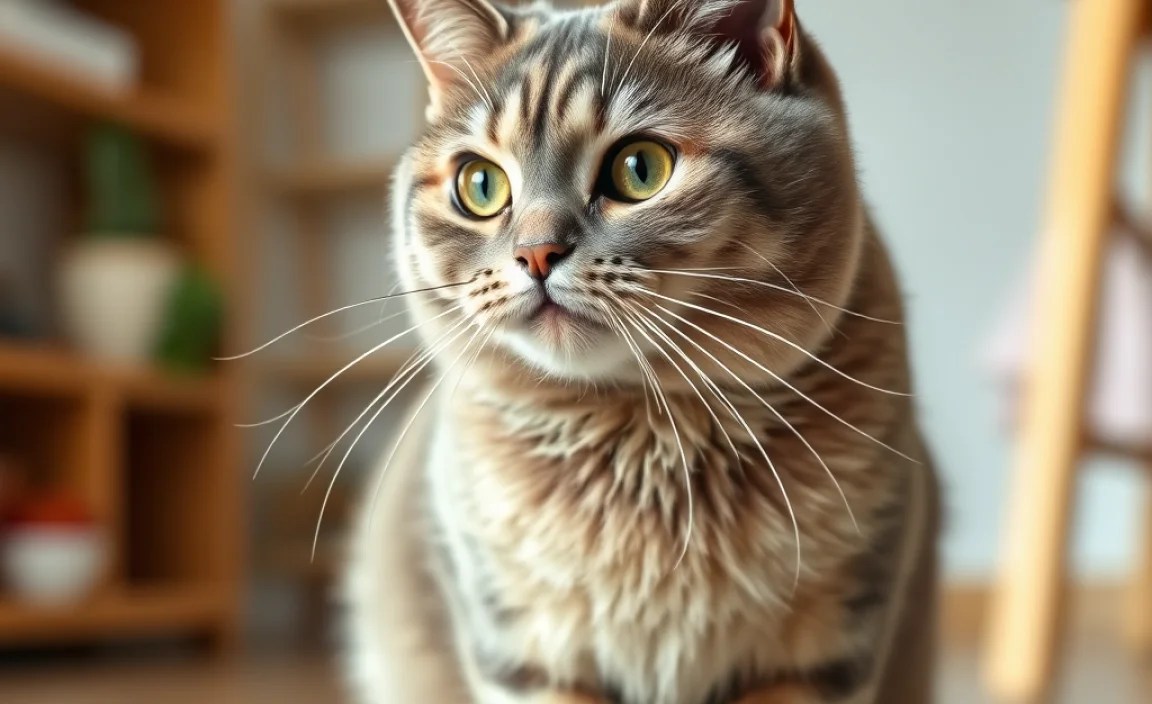
Let’s dive into the practical steps you can take to enrich your British Shorthair’s life at home.
Step 1: Providing Interactive Toys
Interactive toys are a fantastic way to engage your cat’s hunting instincts and keep them entertained. Here are some great options:
- Puzzle Feeders: These toys dispense food or treats when your cat solves a puzzle. They slow down eating and provide mental stimulation.
- Wand Toys: These toys mimic the movement of prey, encouraging your cat to chase, pounce, and capture.
- Laser Pointers: While controversial (some cats get frustrated never “catching” the light), they can be a great exercise tool if used responsibly. Always end the session with a tangible toy your cat can catch.
- Catnip Toys: Many cats react positively to catnip, becoming playful and energetic.
- Ball Toys: Simple balls can provide hours of entertainment, especially if they crinkle or have bells inside.
Pro Tip: Rotate toys regularly to keep things interesting. Cats can get bored with the same toys over time.
Step 2: Creating Vertical Space
Cats love to climb and observe their surroundings from a high vantage point. Providing vertical space can significantly enhance their environment.
- Cat Trees: These multi-tiered structures offer climbing, scratching, and resting opportunities.
- Cat Shelves: Install shelves on your walls to create a climbing pathway.
- Window Perches: Cats love to watch the world outside. A window perch provides a comfortable spot to observe birds, squirrels, and other outdoor activity.
Safety First: Ensure all climbing structures are sturdy and secure to prevent accidents. The RSPCA offers great advice on cat safety at home: RSPCA.
Step 3: Offering Comfortable Resting Spots
British Shorthairs enjoy their downtime. Providing comfortable and secure resting spots is crucial for their well-being.
- Cozy Beds: Place soft, plush beds in various locations around your home.
- Enclosed Spaces: Cats often feel secure in enclosed spaces like cat caves or covered beds.
- Elevated Beds: Some cats prefer to sleep in elevated spots, like on top of a cat tree or shelf.
Location Matters: Observe where your cat likes to spend time and place beds in those areas.
Step 4: Encouraging Natural Behaviors
Enrichment should also cater to your cat’s natural behaviors, such as scratching and hunting.
- Scratching Posts: Provide a variety of scratching posts, both vertical and horizontal. This allows your cat to groom their claws and mark their territory without damaging your furniture.
- Hunting Games: Simulate hunting by hiding treats around the house or using a treat ball that dispenses food as your cat plays with it.
- Foraging Toys: These toys require your cat to work for their food, stimulating their minds and encouraging natural foraging behaviors.
Scratching Post Placement: Place scratching posts near areas where your cat already scratches, such as near doorways or furniture.
Step 5: Providing Sensory Enrichment
Cats experience the world through their senses. Providing sensory enrichment can enhance their environment and stimulate their minds.
- Catnip: As mentioned earlier, catnip can provide a burst of playful energy.
- Safe Plants: Some cats enjoy nibbling on plants. Ensure any plants you provide are non-toxic to cats. Wheatgrass is a popular and safe option.
- Sound Stimulation: Some cats enjoy listening to calming music or nature sounds.
- Scent Enrichment: Introduce new and interesting scents, such as honeysuckle or valerian root (in moderation).
Caution: Always research before introducing new plants or scents to ensure they are safe for cats. The ASPCA has a comprehensive list of toxic and non-toxic plants: ASPCA.
Step 6: Establishing a Routine
Cats thrive on routine. Establishing a consistent schedule for feeding, playtime, and rest can help reduce stress and create a sense of security.
- Feeding Schedule: Feed your cat at the same time each day.
- Playtime: Schedule regular playtime sessions, even if it’s just for 10-15 minutes.
- Grooming: British Shorthairs have thick coats that require regular grooming. Establish a grooming routine to prevent mats and hairballs.
Consistency is Key: Stick to your routine as much as possible, even on weekends and holidays.
Step 7: Social Interaction
British Shorthairs are generally independent but still enjoy social interaction with their owners. Make time for cuddling, petting, and talking to your cat.
- Cuddle Time: Spend time cuddling with your cat on the couch or in bed.
- Petting: Gently pet your cat, paying attention to their preferences. Most cats enjoy being petted on the head, chin, and back.
- Talking: Talk to your cat in a soft, soothing voice. This can help strengthen your bond and reassure them.
Respect Boundaries: Pay attention to your cat’s body language and respect their boundaries. If they don’t want to be petted or cuddled, give them space.
Step 8: Monitoring and Adjusting
Every cat is different. Monitor your British Shorthair’s behavior and adjust your enrichment efforts accordingly. What works for one cat may not work for another.
- Observe Play Preferences: Pay attention to which toys and activities your cat enjoys most.
- Assess Stress Levels: Watch for signs of stress, such as excessive grooming, hiding, or changes in appetite.
- Adjust Environment: Make changes to your cat’s environment based on your observations.
Be Patient: It may take time to find the right combination of enrichment activities for your cat. Be patient and persistent, and you’ll eventually create a stimulating and happy environment.
Examples of Enrichment Activities for British Shorthairs

To give you some more specific ideas, here are a few examples of enrichment activities you can try with your British Shorthair:
- DIY Puzzle Feeder: Cut holes in a plastic bottle and fill it with dry food. Your cat will have to roll the bottle around to get the food out.
- Cardboard Box Fort: Create a fort out of cardboard boxes, providing your cat with a safe and enclosed space to explore.
- Bird Feeder Watching: Place a bird feeder outside a window where your cat can watch the birds.
- Hidden Treat Hunt: Hide treats around the house and let your cat sniff them out.
- Interactive Play Session: Spend 15 minutes each day playing with your cat using a wand toy or laser pointer.
Troubleshooting Common Enrichment Challenges

Sometimes, enrichment efforts don’t go as planned. Here are some common challenges and how to address them:
| Challenge | Solution |
|---|---|
| Cat is not interested in toys | Try different types of toys. Rotate toys regularly. Make playtime more interactive. |
| Cat is scratching furniture | Provide more scratching posts in strategic locations. Use deterrent sprays on furniture. |
| Cat is overeating | Use puzzle feeders to slow down eating. Measure food portions carefully. |
| Cat is stressed or anxious | Provide more safe and secure resting spots. Establish a consistent routine. Consult with a veterinarian or behaviorist. |
| Cat is not using vertical space | Make climbing structures more accessible. Place treats or toys on higher levels. |
The Benefits of a Well-Enriched British Shorthair

Investing in your British Shorthair’s enrichment is an investment in their overall well-being. A well-enriched cat is more likely to be happy, healthy, and well-behaved.
- Improved Physical Health: Regular exercise helps prevent obesity and related health problems.
- Enhanced Mental Health: Stimulation keeps their minds sharp and engaged, reducing the risk of cognitive decline.
- Stronger Bond: Interactive play and social interaction strengthen the bond between you and your cat.
- Reduced Behavioral Issues: Enrichment can help prevent boredom and stress-related behavioral problems.
- Overall Happiness: A well-enriched cat is simply a happier cat.
Cost-Effective Enrichment Ideas
Enrichment doesn’t have to break the bank. Many effective enrichment tools can be made from items you already have at home.
| Enrichment Idea | Materials Needed | Instructions |
|---|---|---|
| DIY Cardboard Box Maze | Cardboard boxes, tape, scissors | Cut holes in the boxes to connect them, creating a maze for your cat to explore. |
| Sock Toy | Old sock, catnip, string | Fill the sock with catnip, tie it off with string, and let your cat play. |
| Toilet Paper Roll Puzzle | Toilet paper rolls, treats | Fold one end of the roll, fill with treats, and fold the other end. Let your cat figure out how to open it. |
| Window Perch from Shelf | Small shelf, brackets, soft blanket | Attach the shelf to the wall near a window using brackets. Cover with a soft blanket. |
Additional Resources for British Shorthair Owners
Here are some additional resources to help you provide the best possible care for your British Shorthair:
- The International Cat Association (TICA): TICA – Provides information about cat breeds, care, and health.
- Cornell Feline Health Center: Cornell Feline Health Center – Offers comprehensive information about feline health and disease.
- Purina: Purina – Provides information about cat nutrition, behavior, and care.
FAQ: British Shorthair Enrichment
What is enrichment for cats?
Enrichment involves enhancing a cat’s environment to satisfy their natural instincts, like hunting, exploring, and playing. It keeps them mentally and physically stimulated.
How much playtime does a British Shorthair need?
Aim for at least 15-20 minutes of interactive playtime each day. Break it up into shorter sessions to keep your cat engaged.
What are some good toys for British Shorthairs?
Puzzle feeders, wand toys, and catnip toys are great options. Rotate toys regularly to keep your cat interested.
How can I tell if my cat is bored?
Signs of boredom include excessive grooming, scratching, changes in appetite, and decreased activity levels.
Is it okay to use a laser pointer with my cat?
Laser pointers can be a good exercise tool, but always end the session with a tangible toy your cat can “catch” to avoid frustration.
How do I introduce a new cat tree?
Place the cat tree in a central location. Sprinkle it with catnip or place treats on the higher levels to encourage exploration.
Can I use essential oils for scent enrichment?
Some essential oils are toxic to cats. It’s best to avoid them altogether or consult with a veterinarian before using them.
Conclusion
Enriching your British Shorthair’s life at home is a rewarding journey that strengthens your bond and enhances their well-being. By providing interactive toys, creating vertical space, offering comfortable resting spots, and encouraging natural behaviors, you can transform your home into a feline paradise. Remember to monitor your cat’s behavior and adjust your enrichment efforts as needed. With a little creativity and effort, you can ensure your British Shorthair lives a happy, healthy, and fulfilling life. So go ahead, start implementing these steps today, and watch your British Shorthair thrive in their enriched environment!


