
Signs of Stress in British Shorthairs: What To Watch

Quick Summary:
Is your British Shorthair stressed? Look for changes in behavior: hiding, aggression, excessive grooming, or appetite changes. Watch their body language: flattened ears, tense posture, or dilated pupils. New environments, loud noises, or changes in routine can trigger stress. Provide a calm, safe space and consult your vet if symptoms persist. Early detection and a stress-free environment are key to your cat’s well-being.
As a devoted British Shorthair owner, you cherish your cat’s calm and cuddly nature. But sometimes, our feline friends experience stress, and it’s not always easy to spot. Just like us, changes in their environment or routine can cause anxiety. Recognizing the signs of stress early allows you to take steps to soothe your furry companion and ensure their well-being.
This guide will walk you through the common signs of stress in British Shorthairs, helping you understand what to look for and how to create a more peaceful environment for your beloved cat. Together, we’ll explore behavioral changes, physical symptoms, and practical solutions. Let’s dive in to help keep your British Shorthair happy and relaxed.
Understanding Stress in British Shorthairs

British Shorthairs are known for their laid-back personalities, but they are still susceptible to stress. Understanding what triggers stress in cats and how it manifests is the first step in helping your feline friend.
Common Stressors for British Shorthairs
Identifying the potential causes of stress is crucial for prevention. Here are some common stressors for British Shorthairs:
- Changes in Environment: Moving to a new home, rearranging furniture, or even introducing new items can be unsettling.
- Loud Noises: Fireworks, construction, or even loud music can frighten and stress your cat.
- New Pets or People: Introducing a new pet or person into the household can disrupt your cat’s established territory and routine.
- Changes in Routine: Alterations in feeding schedules, playtime, or the owner’s presence can cause anxiety.
- Lack of Safe Spaces: Cats need secure places where they can retreat and feel safe, especially when stressed.
- Medical Issues: Underlying health problems can cause stress and behavioral changes.
Why British Shorthairs Might Be More Sensitive
While generally adaptable, British Shorthairs can be sensitive to changes due to their inherent traits:
- Territorial Nature: They can be particularly attached to their environment and routine.
- Subtle Communication: Their subtle cues of discomfort might be easily missed.
- Preference for Stability: As a breed, they often thrive on consistency and predictability.
Recognizing the Signs of Stress

Knowing how stress manifests in British Shorthairs is essential for early intervention. Keep an eye out for these behavioral and physical signs.
Behavioral Signs of Stress
Changes in behavior are often the first indicators that your British Shorthair is stressed. Here’s what to watch for:
- Hiding: Increased hiding, especially in unusual places, is a common sign.
- Aggression: Showing uncharacteristic aggression towards people or other pets.
- Excessive Grooming: Over-grooming, leading to bald patches or skin irritation.
- Changes in Appetite: Eating significantly more or less than usual.
- Litter Box Issues: Urinating or defecating outside the litter box. According to the RSPCA, this can indicate stress or a medical problem.
- Vocalization Changes: Increased meowing or changes in the tone of their voice.
- Restlessness: Pacing or an inability to settle down.
Physical Signs of Stress
Stress can also manifest physically. Be aware of these symptoms:
- Dilated Pupils: Even in normal lighting, their pupils may appear larger.
- Rapid Breathing: Noticeably faster or more shallow breaths.
- Increased Heart Rate: Difficult to detect without a vet, but can be a sign.
- Trembling: Shaking or shivering when they are not cold.
- Changes in Body Posture: A tense or hunched posture.
- Loss of Interest in Play: A sudden disinterest in favorite toys or activities.
Subtle Signs to Watch For
Sometimes the signs of stress are subtle. Look for these less obvious indicators:
- Flattened Ears: Ears held back or to the side.
- Tucked Tail: Tail held low or tucked between their legs.
- Avoidance: Avoiding interaction with family members or other pets.
- Changes in Sleep Patterns: Sleeping more or less than usual.
- Increased Startle Response: Reacting strongly to sudden noises or movements.
Step-by-Step Guide to Reducing Stress
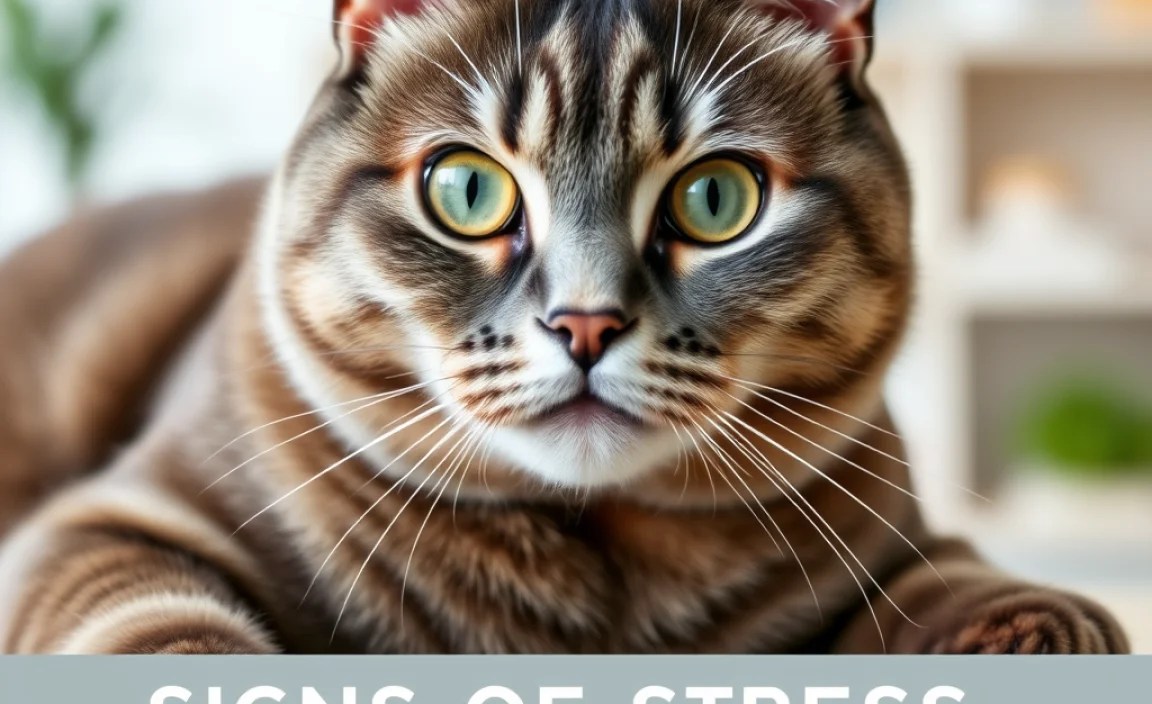
Once you’ve identified that your British Shorthair is stressed, it’s time to take action. Here’s a step-by-step guide to help reduce their stress levels.
Step 1: Identify and Remove the Stressor
The first and most important step is to identify what’s causing the stress. Consider recent changes in your home, routine, or environment. Once identified, try to remove or minimize the stressor.
- If it’s a new pet: Gradually introduce them, providing separate spaces and supervised interactions.
- If it’s loud noises: Create a quiet, safe space for your cat during noisy events.
- If it’s a change in routine: Try to maintain a consistent schedule as much as possible.
Step 2: Create a Safe and Comfortable Environment
Ensure your British Shorthair has access to multiple safe spaces where they can retreat when feeling stressed. According to the The International Cat Association (TICA), cats feel more secure when they have control over their environment.
- Provide multiple hiding spots: Use cat trees, cardboard boxes, or covered beds.
- Ensure easy access to resources: Food, water, litter boxes, and scratching posts should be readily available and accessible.
- Maintain a clean litter box: Cats are very particular about cleanliness.
Step 3: Use Pheromone Therapy
Feline pheromone products, such as diffusers or sprays, can help create a calming environment. These products mimic the natural pheromones that cats release when they feel safe and secure.
- Feliway Diffusers: Plug-in diffusers that release synthetic feline facial pheromones.
- Feliway Spray: Can be sprayed on bedding, scratching posts, or carriers.
Step 4: Provide Mental and Physical Stimulation
Engage your British Shorthair in activities that stimulate their mind and body. This can help reduce stress and anxiety by providing an outlet for their energy.
- Interactive Play: Use toys like feather wands, laser pointers, or puzzle toys.
- Scratching Posts: Provide a variety of scratching surfaces to encourage natural scratching behavior.
- Climbing Opportunities: Cat trees or shelves can provide vertical space and enrichment.
Step 5: Maintain a Consistent Routine
Cats thrive on routine, so try to maintain a consistent schedule for feeding, playtime, and other activities. Predictability can help reduce anxiety and create a sense of security.
- Regular Feeding Times: Feed your cat at the same time each day.
- Scheduled Playtime: Set aside time each day for interactive play.
- Consistent Bedtime Routine: Establish a calming bedtime routine to help your cat relax.
Step 6: Consider Environmental Enrichment
Enhance your cat’s environment to make it more stimulating and engaging. This can help reduce boredom and stress.
- Window Perches: Provide a window perch where your cat can watch birds and other outdoor activities.
- Cat-Friendly Plants: Introduce safe plants like catnip or cat grass.
- Background Noise: Play calming music or nature sounds to mask stressful noises.
Step 7: Consult Your Veterinarian
If your British Shorthair continues to show signs of stress despite your efforts, consult your veterinarian. They can rule out any underlying medical conditions and recommend additional treatments or therapies.
- Medical Evaluation: Rule out any health issues that may be causing the stress.
- Behavioral Consultation: Your vet may recommend a consultation with a veterinary behaviorist.
- Medication: In some cases, medication may be necessary to manage anxiety.
Practical Tips for a Stress-Free Environment

Creating a stress-free environment involves more than just addressing immediate stressors. Here are some practical tips to promote long-term well-being.
The Importance of Consistency
Consistency is key to a happy and stress-free British Shorthair. Maintaining a stable environment and routine can significantly reduce anxiety. Here are some ways to ensure consistency:
- Stick to a Schedule: Maintain consistent feeding, playtime, and sleep schedules.
- Avoid Sudden Changes: Introduce changes gradually to allow your cat time to adjust.
- Use Familiar Scents: When introducing new items, rub them with a cloth that smells like your cat to make them more familiar.
Managing Multi-Cat Households
If you have multiple cats, managing their interactions is crucial to prevent stress. Here are some tips for creating a harmonious multi-cat household:
- Separate Resources: Provide each cat with their own food, water, litter box, and sleeping area. According to the Cornell Feline Health Center, resource guarding can cause significant stress.
- Vertical Space: Provide cat trees or shelves to allow cats to avoid each other if they choose.
- Supervised Interactions: Monitor interactions and intervene if you see signs of aggression or bullying.
Dealing with Separation Anxiety
Some British Shorthairs may experience separation anxiety when left alone. Here are some strategies to help alleviate their anxiety:
- Provide Distractions: Leave out puzzle toys or treat-dispensing toys to keep them occupied.
- Create a Calming Environment: Use pheromone diffusers and play calming music.
- Avoid Over-Affectionate Departures: Keep departures and arrivals low-key to avoid heightening anxiety.
The Role of Diet in Stress Management
A balanced and nutritious diet can also play a role in managing stress. Ensure your British Shorthair is eating a high-quality diet that meets their nutritional needs. Consider these dietary tips:
- High-Quality Food: Choose a food that is rich in essential nutrients and free from artificial additives.
- Hydration: Ensure your cat has access to fresh water at all times.
- Supplements: Consult your vet about supplements that may help reduce anxiety, such as L-theanine or tryptophan.
Case Studies: Real-Life Examples
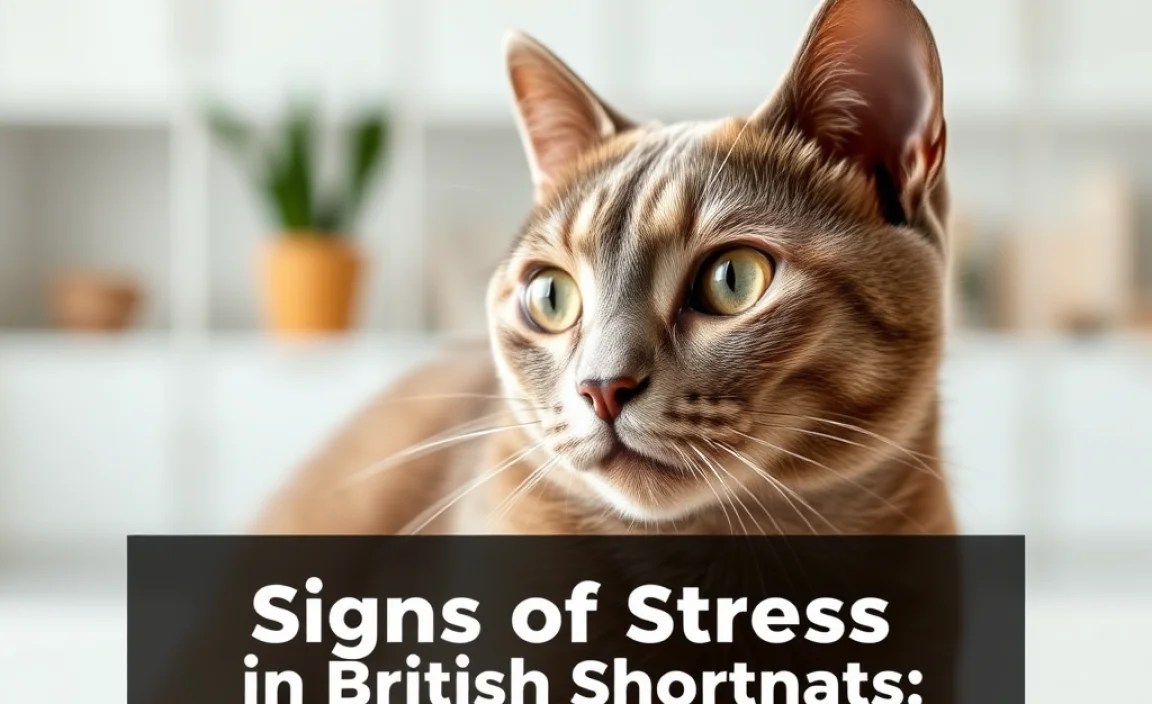
To further illustrate how to identify and address stress in British Shorthairs, here are a couple of case studies based on my experience.
Case Study 1: The Hiding Kitten
Problem: A new British Shorthair kitten, Leo, started hiding frequently after being brought home. He would only come out to eat and use the litter box, showing signs of fear and anxiety.
Solution:
- Created a Safe Space: Provided a small, enclosed bed in a quiet corner of the room.
- Used Feliway: Plugged in a Feliway diffuser to create a calming environment.
- Gradual Introduction: Limited initial interactions to short, supervised periods.
- Positive Reinforcement: Used treats and gentle petting to reward brave behavior.
Outcome: Within a week, Leo began to venture out more frequently and became more comfortable exploring his new home. He eventually became a confident and playful kitten.
Case Study 2: The Anxious Senior Cat
Problem: An older British Shorthair, Bella, started exhibiting litter box avoidance and increased vocalization after a new puppy was introduced into the household.
Solution:
- Separate Resources: Ensured Bella had her own food, water, and litter box in a quiet area away from the puppy.
- Vertical Space: Provided a cat tree so Bella could observe the puppy from a safe distance.
- Supervised Interactions: Managed interactions between Bella and the puppy to prevent bullying or stress.
- Veterinary Consultation: Ruled out any underlying medical issues and discussed potential anxiety medications.
Outcome: Bella’s litter box issues resolved, and her vocalization decreased as she became more comfortable with the puppy. The creation of separate spaces and supervised interactions allowed her to feel more secure.
When to Seek Professional Help
While many cases of stress can be managed at home, there are times when professional help is necessary. Here are some situations where you should consult your veterinarian or a certified cat behaviorist:
- Persistent Symptoms: If your cat’s stress symptoms persist for more than a week despite your efforts.
- Severe Symptoms: If your cat is exhibiting severe symptoms such as aggression, self-harm, or complete loss of appetite.
- Underlying Medical Conditions: If you suspect that your cat’s stress may be related to an underlying medical condition.
- Uncertainty: If you are unsure about the cause of your cat’s stress or how to address it.
A professional can provide a thorough assessment and develop a tailored treatment plan to address your cat’s specific needs. Don’t hesitate to seek help; your cat’s well-being is the priority.
Table: Stress Signs and Solutions
Here’s a quick reference table summarizing common stress signs in British Shorthairs and potential solutions:
| Sign of Stress | Possible Cause | Solution |
|---|---|---|
| Hiding | New environment, loud noises, new pet | Provide safe spaces, use pheromone diffusers, gradual introductions |
| Aggression | Territoriality, fear, pain | Separate resources, manage interactions, consult vet |
| Excessive Grooming | Anxiety, boredom, skin irritation | Provide mental stimulation, use pheromone diffusers, consult vet |
| Litter Box Issues | Stress, medical condition, dirty litter box | Maintain clean litter box, rule out medical issues, reduce stressors |
| Changes in Appetite | Stress, medical condition, food aversion | Monitor food intake, rule out medical issues, offer palatable food |
| Vocalization Changes | Anxiety, boredom, attention-seeking | Provide mental stimulation, address underlying anxiety, spend quality time |
| Restlessness | Anxiety, lack of exercise, boredom | Provide interactive play, create a stimulating environment |
Frequently Asked Questions (FAQ)
Here are some common questions about stress in British Shorthair cats.
1. How can I tell if my British Shorthair is just being lazy or is actually stressed?
It’s essential to differentiate between normal British Shorthair laziness and stress. If your cat is hiding more than usual, showing aggression, or has changes in appetite, it’s likely stress. Lazy cats are still usually responsive and interactive, just in a relaxed way.
2. Are British Shorthairs more prone to stress than other breeds?
British Shorthairs aren’t necessarily more prone to stress, but their sensitivity to routine changes can make them more reactive to disruptions. Each cat is an individual, and their personality plays a significant role.
3. How long does it take for a stressed cat to calm down?
It varies. Some cats may calm down within a few days once the stressor is removed, while others may take weeks. Consistency in providing a safe and stable environment is crucial.
4. Can stress cause long-term health problems in British Shorthairs?
Yes, chronic stress can lead to health issues like a weakened immune system, digestive problems, and behavioral disorders. Addressing stress early is vital for long-term health.
5. What are some natural remedies for calming a stressed British Shorthair?
Natural remedies include pheromone diffusers, catnip, calming music, and ensuring a safe and predictable environment. Always consult your vet before introducing any new supplements or treatments.
6. Is it possible to over-pamper a British Shorthair, making them more sensitive to stress?
While it’s good to provide love and attention, over-pampering can lead to dependence. Encouraging independence and providing a stimulating environment can help them cope with stress better.
7. How can I prepare my British Shorthair for a move to a new home?
Prepare by gradually introducing them to a carrier, using pheromone sprays in the new home before arrival, and setting up a safe room with familiar items upon arrival. This helps them adjust more smoothly.
Conclusion
Recognizing and addressing the signs of stress in your British Shorthair is crucial for their overall well-being. By understanding the common stressors, watching for behavioral and physical cues, and implementing practical solutions, you can create a calm and secure environment for your beloved feline friend. Remember, consistency, patience, and a little extra love can go a long way in helping your British Shorthair live a happy and stress-free life. If you’re ever unsure, don’t hesitate to seek advice from your veterinarian or a cat behaviorist. Together, we can ensure our British Shorthairs thrive in a peaceful and loving home.


