
How to Create a Cat-Friendly Home: Easy Guide

Creating a cat-friendly home involves providing safe spaces, scratching posts, stimulating toys, and a secure environment where your feline friend feels comfortable and loved. This includes understanding your cat’s needs, from vertical territory to quiet retreats, ensuring their physical and mental well-being.
Bringing a cat, especially a British Shorthair, into your home is such a joyful experience! But sometimes, we forget that our homes, designed for humans, can feel a bit overwhelming for our feline friends. Have you ever wondered why your cat seems stressed or spends most of the day hiding? It might be that your home isn’t quite meeting their needs. Don’t worry; it’s easier than you think to transform your space into a kitty paradise. Let’s explore simple, step-by-step ways to create a happy, cat-friendly home, ensuring your British Shorthair thrives!
Understanding Your Cat’s Needs
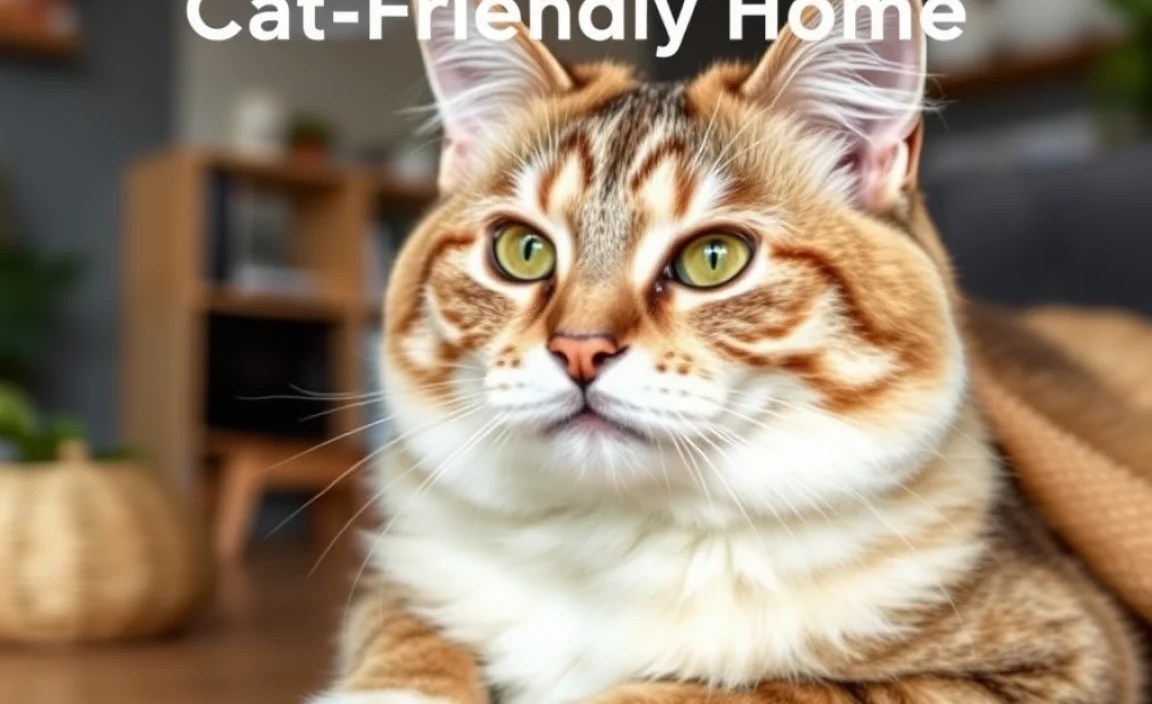
Before diving into the practical steps, it’s essential to understand what cats need to feel secure and content. Cats have specific instincts and behaviors that need to be accommodated in their living environment. According to the RSPCA, understanding these needs is the first step to creating a happy home for your feline companion.
Territory and Vertical Space
Cats are territorial animals, and they feel safer when they have control over their environment. Providing vertical space allows them to observe their surroundings from a high vantage point, reducing stress and providing a sense of security.
Safe Havens
Cats need quiet, private spaces where they can retreat when they feel overwhelmed or stressed. These safe havens should be easily accessible and free from disturbances.
Scratching Opportunities
Scratching is a natural behavior for cats, serving several purposes: it helps them to remove the dead outer layer of their claws, mark their territory, and stretch their bodies. Providing appropriate scratching posts can prevent them from scratching furniture.
Play and Stimulation
Cats need regular play and mental stimulation to prevent boredom and behavioral issues. Interactive toys, puzzle feeders, and regular playtime can keep them entertained and engaged.
Step-by-Step Guide to Creating a Cat-Friendly Home

Now, let’s walk through the steps to transform your home into a haven for your British Shorthair.
Step 1: Provide Vertical Space
Cats love to climb and observe from high places. Adding vertical elements to your home can significantly improve their sense of security and happiness.
- Cat Trees: Invest in a sturdy cat tree with multiple levels, scratching posts, and hiding spots. Place it near a window so your cat can enjoy watching the outside world.
- Shelves: Install shelves on your walls to create a cat-friendly climbing route. Ensure the shelves are securely mounted and can support your cat’s weight.
- Window Perches: Add window perches or platforms where your cat can bask in the sun and watch birds.
Step 2: Create Safe Havens
Every cat needs a quiet place where they can retreat when they feel stressed or overwhelmed. Creating safe havens can significantly reduce anxiety and improve their overall well-being.
- Quiet Rooms: Designate a quiet room or corner where your cat can relax without being disturbed.
- Covered Beds: Provide covered beds or enclosed spaces where your cat can hide and feel secure.
- Elevated Spots: Cats often feel safer in elevated spots. A high shelf or a cat tree can serve as a secure retreat.
Step 3: Offer Scratching Opportunities
Scratching is a natural and necessary behavior for cats. Providing appropriate scratching surfaces can prevent them from damaging your furniture.
- Variety of Scratching Posts: Offer a variety of scratching posts, including vertical posts, horizontal pads, and angled scratchers.
- Placement: Place scratching posts in areas where your cat likes to scratch, such as near their sleeping area or favorite spots.
- Materials: Experiment with different materials like sisal, cardboard, and carpet to see what your cat prefers.
Step 4: Stimulate Play and Hunting Behavior
Cats need regular play and mental stimulation to prevent boredom and behavioral issues. Engaging their natural hunting instincts can keep them happy and healthy.
- Interactive Toys: Use interactive toys like feather wands, laser pointers, and puzzle feeders to engage your cat’s hunting instincts.
- Playtime Schedule: Set up a regular playtime schedule to ensure your cat gets enough exercise and mental stimulation.
- Rotate Toys: Rotate your cat’s toys regularly to keep them interested and prevent boredom.
Step 5: Provide Clean and Accessible Litter Boxes
Litter box hygiene is crucial for your cat’s health and well-being. Cats are very particular about their litter boxes, and a dirty or inaccessible litter box can lead to behavioral issues.
- Number of Litter Boxes: As a general rule, have one more litter box than the number of cats in your household.
- Placement: Place litter boxes in quiet, accessible locations away from food and water.
- Regular Cleaning: Clean litter boxes daily and replace the litter regularly to maintain hygiene.
Step 6: Ensure a Safe Environment
A safe environment is essential for your cat’s well-being. Remove any potential hazards and create a space where they can explore without danger.
- Remove Toxic Plants: Many common houseplants are toxic to cats. Remove any toxic plants from your home or place them where your cat cannot reach them. The ASPCA offers a comprehensive list of toxic and non-toxic plants.
- Secure Cords and Wires: Cats love to chew on cords and wires, which can be dangerous. Secure them or cover them with protective sleeves.
- Store Cleaning Supplies Safely: Store cleaning supplies and other chemicals in secure cabinets where your cat cannot access them.
Step 7: Create a Feeding and Watering Station
A well-organized feeding and watering station can make mealtime more enjoyable for your cat.
- Separate Food and Water: Cats prefer to drink away from their food. Place their food and water bowls in separate locations.
- Elevated Bowls: Consider using elevated bowls, especially for older cats, to improve digestion and reduce strain on their neck and joints.
- Fresh Water: Provide fresh, clean water daily. Some cats prefer running water, so a pet fountain may be a good investment.
Step 8: Consider Multi-Cat Harmony
If you have multiple cats, creating a harmonious environment is crucial. Cats are solitary animals, and conflicts can arise if they feel their resources are threatened.
- Multiple Resources: Provide multiple food bowls, water bowls, litter boxes, and scratching posts to reduce competition.
- Separate Spaces: Ensure each cat has their own safe space where they can retreat without being disturbed.
- Gradual Introductions: When introducing a new cat, do it gradually to allow them to adjust to each other’s presence.
Step 9: Optimize the Environment with Scent
Cats rely heavily on their sense of smell to navigate and feel secure in their environment. Using calming scents can help reduce stress and promote relaxation.
- Feliway Diffusers: Consider using Feliway diffusers, which release synthetic feline pheromones that can help calm and reassure cats.
- Catnip: Catnip can be a great way to encourage play and relaxation. Offer catnip toys or sprinkle catnip on scratching posts to make them more appealing.
- Avoid Strong Odors: Avoid using strong-smelling cleaning products or air fresheners, as these can be overwhelming and stressful for cats.
Step 10: Maintain a Routine
Cats thrive on routine. Establishing a consistent daily schedule can help them feel more secure and reduce anxiety.
- Feeding Schedule: Feed your cat at the same time each day.
- Playtime: Schedule regular playtime sessions to keep them mentally and physically stimulated.
- Cleaning Schedule: Maintain a consistent cleaning schedule for litter boxes and feeding areas.
British Shorthair Specific Considerations

While the above steps apply to all cats, here are some specific considerations for British Shorthairs:
- Gentle Giants: British Shorthairs are known for their laid-back and gentle nature. They appreciate a calm and quiet environment.
- Weight Management: British Shorthairs are prone to weight gain, so ensure they get enough exercise and a balanced diet.
- Grooming: Regular grooming is essential to prevent matting and hairballs.
Examples of Cat-Friendly Home Setups

Let’s look at some examples of how to incorporate these elements into your home.
Living Room
| Element | Description |
|---|---|
| Cat Tree | A multi-level cat tree placed near a window provides vertical space and a view of the outside world. |
| Scratching Post | A sisal scratching post placed near the sofa prevents furniture scratching. |
| Interactive Toys | A basket of interactive toys encourages play and stimulation. |
| Safe Haven | A covered cat bed in a quiet corner provides a secure retreat. |
Bedroom
| Element | Description |
|---|---|
| Window Perch | A window perch allows your cat to bask in the sun and watch birds. |
| Elevated Shelf | An elevated shelf provides a secure spot to observe the room. |
| Quiet Bed | A soft, comfortable bed placed in a quiet corner offers a peaceful resting place. |
Kitchen
| Element | Description |
|---|---|
| Feeding Station | A designated feeding station with separate food and water bowls. |
| Elevated Bowls | Elevated bowls to improve digestion and reduce strain on their neck and joints. |
| Cat Grass | A pot of cat grass provides a safe and healthy treat. |
Troubleshooting Common Issues
Even with the best intentions, you may encounter some challenges when creating a cat-friendly home. Here are some common issues and how to address them.
Problem: Cat is Still Scratching Furniture
Solution:
- Ensure the scratching post is tall enough and sturdy.
- Try different materials (sisal, cardboard, carpet).
- Place the scratching post near the furniture they are scratching.
- Use catnip to attract them to the scratching post.
Problem: Cat is Not Using the Litter Box
Solution:
- Ensure the litter box is clean and accessible.
- Try different types of litter.
- Place the litter box in a quiet, private location.
- Consult with a vet to rule out any medical issues.
Problem: Cat is Hiding All the Time
Solution:
- Provide more safe havens and quiet spaces.
- Reduce stress by minimizing loud noises and disruptions.
- Use Feliway diffusers to create a calming environment.
- Spend quality time with your cat to build trust and security.
Expert Tips for a Happy Cat
Here are some additional tips to ensure your British Shorthair is happy and thriving in their environment:
- Regular Vet Checkups: Schedule regular vet checkups to ensure your cat is healthy and up-to-date on vaccinations.
- Dental Care: Provide dental care to prevent dental disease, which is common in cats.
- Mental Stimulation: Continue to provide mental stimulation through play, puzzle feeders, and new experiences.
- Love and Affection: Show your cat plenty of love and affection. Cats thrive on attention and companionship.
FAQ About Creating a Cat-Friendly Home
Here are some frequently asked questions about creating a cat-friendly home:
- Q: How many litter boxes should I have for one cat?
- A: The general rule is to have one more litter box than the number of cats in your household. So, for one cat, you should have at least two litter boxes.
- Q: What are some signs that my cat is stressed?
- A: Signs of stress in cats include hiding, excessive grooming, changes in appetite, and aggression. If you notice these signs, try to identify and address the source of stress.
- Q: How can I prevent my cat from scratching furniture?
- A: Provide plenty of scratching posts, place them in areas where your cat likes to scratch, and make them appealing with catnip. You can also use deterrent sprays on furniture.
- Q: Are there any plants that are safe for cats to be around?
- A: Yes, some cat-safe plants include cat grass, spider plants, and African violets. Avoid toxic plants like lilies and daffodils.
- Q: How often should I play with my cat?
- A: Aim for at least 15-20 minutes of playtime each day. Break it up into multiple shorter sessions to keep your cat engaged.
- Q: What is the best way to introduce a new cat to my home?
- A: Introduce the new cat gradually, starting with separate spaces and scent swapping. Allow them to meet under the door before allowing supervised visits. Provide multiple resources to reduce competition.
- Q: Should I keep my cat indoors all the time?
- A: Keeping your cat indoors can protect them from dangers like cars, predators, and diseases. If you want to give them outdoor access, consider a secure catio or supervised walks on a leash.
Conclusion
Creating a cat-friendly home is an ongoing process of understanding and meeting your cat’s needs. By providing vertical space, safe havens, scratching opportunities, and plenty of play, you can create an environment where your British Shorthair feels happy, secure, and loved. Remember to tailor your approach to your cat’s individual personality and preferences, and don’t be afraid to experiment with different solutions until you find what works best. With a little effort and attention, you can transform your home into a true kitty paradise.


