
British Shorthair Cat Stress Management: Easy Tips

Quick Summary: Is your British Shorthair cat stressed? Don’t worry! Common signs include hiding, changes in appetite, and excessive grooming. To help your furry friend, create a calm environment with plenty of hiding spots, ensure a consistent routine, and provide interactive play. Consider using calming aids like pheromone diffusers, and consult your vet if stress persists. With patience and understanding, you can significantly improve your British Shorthair’s well-being.
Bringing a British Shorthair into your home is like adding a fluffy, purring ray of sunshine to your life. These gentle giants are known for their calm and affectionate nature. But even the most laid-back British Shorthair can experience stress. It might show up as a change in their eating habits, a sudden increase in hiding, or even over-grooming. Seeing your beloved cat stressed can be worrying, but the good news is that there are many things you can do to help them feel safe and secure.
In this guide, I’ll walk you through the common causes of stress in British Shorthairs and provide practical, easy-to-follow steps to help manage and minimize their anxiety. We’ll explore everything from creating a peaceful environment to understanding their body language, ensuring your British Shorthair lives a happy and stress-free life. Let’s get started!
Understanding Stress in British Shorthairs

British Shorthairs, while generally easygoing, are creatures of habit. Any disruption to their routine or environment can cause them stress. Recognizing the signs and understanding the potential causes is the first step in helping your feline friend.
Common Signs of Stress
It’s important to be able to recognize when your British Shorthair is feeling stressed. Here are some common signs to watch out for:
- Hiding: A stressed cat may hide more than usual, seeking refuge under furniture or in secluded areas.
- Changes in Appetite: Stress can lead to a decrease or, in some cases, an increase in appetite. Monitor their food intake closely.
- Excessive Grooming: Over-grooming, often to the point of causing bald patches or skin irritation, is a common sign of anxiety.
- Litter Box Issues: Stress can sometimes manifest as inappropriate urination or defecation outside the litter box. The RSPCA provides guidance on understanding and addressing these issues.
- Increased Vocalization: Some cats may become more vocal when stressed, meowing or yowling more frequently.
- Restlessness: A stressed cat might appear restless, pacing or unable to settle down.
- Aggression: In some cases, stress can lead to increased aggression towards other pets or even their owners.
Potential Causes of Stress
Identifying the source of stress is crucial for effective management. Here are some common stressors for British Shorthairs:
- Environmental Changes: Moving to a new home, redecorating, or even rearranging furniture can be stressful.
- New Pets or People: Introducing a new pet or person into the household can disrupt their established territory and routine.
- Loud Noises: Loud noises such as fireworks, construction, or thunderstorms can be particularly frightening.
- Changes in Routine: Alterations to feeding schedules, playtime, or owner availability can cause anxiety.
- Medical Issues: Underlying health problems can also contribute to stress. It’s always a good idea to rule out any medical causes with a vet visit.
- Lack of Mental Stimulation: Boredom and lack of enrichment can lead to stress.
Creating a Calm and Safe Environment
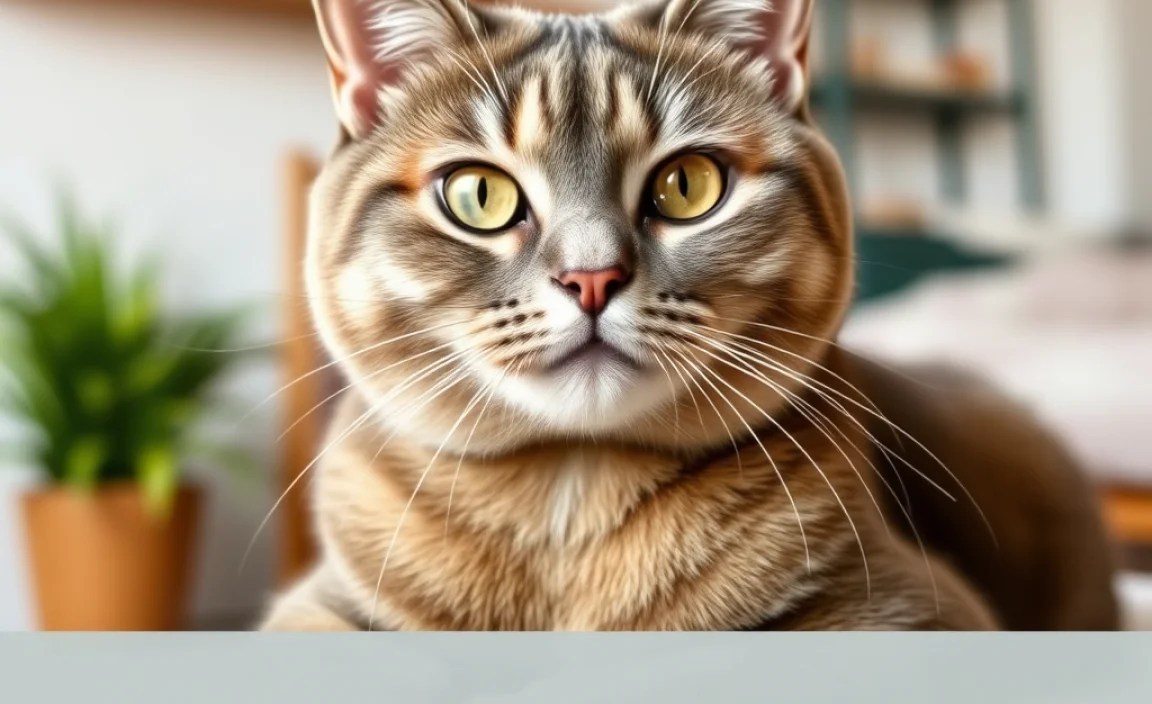
One of the most effective ways to manage stress in your British Shorthair is to create a calm and predictable environment where they feel safe and secure.
Providing Safe Hiding Places
Cats naturally seek out enclosed spaces when they feel threatened or anxious. Providing multiple hiding spots throughout your home can make a big difference.
- Cardboard Boxes: Simple cardboard boxes are a favorite among cats. Place them in various rooms, ensuring they are easily accessible.
- Cat Caves and Tunnels: These provide a sense of security and can be placed in quiet corners.
- Elevated Perches: Cats feel safer when they can observe their surroundings from a high vantage point. Cat trees or shelves can serve this purpose.
Establishing a Consistent Routine
British Shorthairs thrive on routine. A predictable daily schedule can help reduce anxiety and provide a sense of security.
- Feeding Schedule: Feed your cat at the same times each day. Consistency helps them feel secure and reduces food-related anxiety.
- Playtime: Schedule regular playtime sessions. This not only provides exercise but also helps relieve stress and boredom.
- Grooming: Regular grooming sessions can be a calming ritual for both you and your cat.
- Quiet Time: Ensure your cat has access to quiet, undisturbed spaces where they can rest and relax.
Minimizing Loud Noises and Disruptions
Loud noises and sudden disruptions can be a major source of stress for cats. Here’s how to minimize these stressors:
- Soundproofing: Use thick curtains, rugs, and furniture to absorb sound.
- Safe Room: Designate a “safe room” where your cat can retreat during noisy events like thunderstorms or fireworks. This room should be equipped with their essentials: food, water, litter box, and a comfortable bed.
- Gradual Introductions: When introducing new people or pets, do so gradually and in a controlled manner. Allow your cat to approach at their own pace.
Interactive Play and Enrichment
Mental stimulation and physical activity are essential for a happy and healthy British Shorthair. Interactive play and enrichment can help reduce boredom and stress.
Types of Interactive Toys
Interactive toys encourage your cat to engage in natural hunting behaviors, providing both physical and mental stimulation.
- Feather Wands: These mimic the movement of birds, enticing your cat to chase and pounce.
- Laser Pointers: Use laser pointers to create exciting chase patterns. Be sure to end the session with a tangible toy they can “catch.”
- Puzzle Toys: These toys challenge your cat to solve puzzles to access treats, keeping them mentally engaged.
Creating a Stimulating Environment
A stimulating environment can prevent boredom and reduce stress. Here are some ideas:
- Cat Trees and Climbing Structures: These provide opportunities for climbing, scratching, and observation.
- Window Perches: Cats enjoy watching the world outside. Provide a comfortable perch near a window.
- Rotating Toys: Keep your cat interested by rotating their toys regularly. This prevents them from becoming bored.
The Importance of Playtime
Regular playtime is crucial for your British Shorthair’s well-being. Aim for at least 15-20 minutes of interactive play each day. This not only helps relieve stress but also strengthens the bond between you and your cat.
Calming Aids and Products

In some cases, additional calming aids may be necessary to help your British Shorthair manage stress. Several products are available that can promote relaxation and reduce anxiety.
Pheromone Diffusers and Sprays
Feliway is a synthetic pheromone that mimics the natural pheromones produced by cats. These pheromones can have a calming effect, reducing stress and anxiety. You can find more information on how pheromone diffusers work at the Feliway website.
- Diffusers: Plug-in diffusers release pheromones into the air, creating a calming environment.
- Sprays: Sprays can be used on bedding, furniture, or in carriers to help reduce anxiety during travel.
Calming Supplements
Several natural supplements can help reduce stress in cats. Always consult with your veterinarian before starting any new supplement.
- L-Theanine: This amino acid is found in green tea and has calming properties.
- Zylkene: This supplement contains a milk protein derivative that can help reduce anxiety.
- CBD Oil: Some owners have found CBD oil helpful for managing stress in cats, but it’s essential to use a product specifically formulated for pets and consult with your vet first.
Calming Music and Sounds
Certain types of music and sounds can have a calming effect on cats. Research suggests that cats respond positively to music specifically designed for them.
- Classical Music: Soft classical music can help create a relaxing atmosphere.
- Nature Sounds: Sounds of nature, such as rain or birdsong, can also be soothing.
- Specialized Cat Music: Several artists create music specifically designed to appeal to cats.
Understanding British Shorthair Body Language

Understanding your British Shorthair’s body language is essential for recognizing when they are feeling stressed or anxious. Cats communicate through a combination of body posture, facial expressions, and vocalizations.
Signs of Relaxation
When your British Shorthair is relaxed and content, they will exhibit certain behaviors:
- Slow Blinking: Slow blinking is a sign of trust and affection. If your cat slow blinks at you, it means they feel comfortable and safe.
- Purring: Purring is often associated with contentment, although it can also indicate that a cat is trying to soothe themselves when stressed or in pain.
- Kneading: Kneading, or “making biscuits,” is a sign of comfort and happiness. It’s a behavior learned during kittenhood.
- Relaxed Posture: A relaxed cat will have a loose, relaxed posture with their tail held loosely or curled around them.
Signs of Stress or Anxiety
Recognizing the signs of stress or anxiety is crucial for addressing the issue promptly.
- Flattened Ears: Flattened ears are a sign of fear or anxiety.
- Dilated Pupils: Dilated pupils can indicate fear, stress, or excitement.
- Tucked Tail: A tail tucked tightly against the body is a sign of fear or submission.
- Hissing or Growling: These vocalizations are clear indicators that your cat is feeling threatened or stressed.
- Piloerection: This is when the fur stands on end, making the cat appear larger and more intimidating. It’s a sign of fear or aggression.
How to Respond to Stressed Body Language
If you notice your British Shorthair exhibiting signs of stress, it’s important to respond calmly and appropriately.
- Remove the Stressor: If possible, identify and remove the source of stress.
- Provide Space: Give your cat space and allow them to retreat to a safe hiding place if they choose.
- Speak Softly: Use a calm, soothing voice to reassure your cat.
- Avoid Direct Eye Contact: Direct eye contact can be perceived as a threat by cats.
- Offer Comfort: If your cat is receptive, offer gentle petting or grooming.
Diet and Nutrition for Stress Management
A balanced and nutritious diet is essential for overall health and can also play a role in managing stress in British Shorthairs. Proper nutrition supports their immune system and helps them cope with anxiety.
The Importance of a Balanced Diet
A high-quality diet that meets your cat’s nutritional needs is crucial. Look for cat food that is rich in protein, moderate in fat, and low in carbohydrates. The International Cat Association (TICA) is a great resource for cat breed information.
- Protein: Protein is essential for muscle development and overall health.
- Fat: Healthy fats provide energy and support skin and coat health.
- Carbohydrates: Cats have limited ability to digest carbohydrates, so they should be kept to a minimum.
Foods to Avoid
Certain foods can be harmful to cats and should be avoided. These include:
- Chocolate: Chocolate is toxic to cats and can cause serious health problems.
- Onions and Garlic: These can damage red blood cells and lead to anemia.
- Grapes and Raisins: These can cause kidney failure.
- Alcohol: Alcohol is toxic to cats and can cause severe liver and brain damage.
Hydration
Proper hydration is essential for overall health and can also help reduce stress. Ensure your cat has access to fresh, clean water at all times.
- Water Bowls: Provide multiple water bowls throughout your home.
- Water Fountains: Some cats prefer to drink from moving water. A cat water fountain can encourage them to drink more.
- Wet Food: Feeding wet food can also help increase your cat’s water intake.
When to Consult a Veterinarian
While many cases of stress in British Shorthairs can be managed at home, it’s important to know when to seek professional help. If your cat’s stress is severe or persistent, consult with your veterinarian.
Signs That Require Veterinary Attention
If you notice any of the following signs, it’s important to schedule a vet appointment:
- Sudden Changes in Behavior: Any sudden or unexplained changes in behavior should be evaluated by a vet.
- Loss of Appetite: A prolonged loss of appetite can indicate an underlying health problem.
- Litter Box Issues: Inappropriate urination or defecation can be a sign of stress or a medical condition.
- Excessive Grooming: Over-grooming that leads to bald patches or skin irritation should be addressed by a vet.
- Aggression: Increased aggression can be a sign of stress, pain, or a medical problem.
Medical Conditions That Can Mimic Stress
Some medical conditions can mimic the signs of stress. It’s important to rule out any underlying health problems before attributing the behavior to stress alone.
- Hyperthyroidism: This condition can cause increased activity, weight loss, and anxiety.
- Urinary Tract Infections: These can cause inappropriate urination and discomfort.
- Arthritis: Pain from arthritis can lead to changes in behavior and decreased activity.
Working with Your Veterinarian
Your veterinarian can help diagnose any underlying medical conditions and recommend appropriate treatment. They can also provide guidance on managing stress through behavioral modification, medication, or other therapies. The Cornell Feline Health Center is a great resource for feline health information.
British Shorthair Cat Stress Management: FAQs
What are the most common stressors for British Shorthair cats?
Common stressors include changes in their environment (like moving or redecorating), new people or pets, loud noises (fireworks, construction), changes in routine (feeding times, playtime), and lack of mental stimulation.
How can I tell if my British Shorthair is stressed?
Signs of stress include hiding more than usual, changes in appetite (eating more or less), excessive grooming, peeing outside the litter box, increased meowing, restlessness, or even aggression.
What can I do to create a calming environment for my cat?
Provide safe hiding spots (cardboard boxes, cat caves), maintain a consistent daily routine, minimize loud noises, use pheromone diffusers (like Feliway), and ensure they have access to quiet, undisturbed spaces.
Are there any toys that can help reduce stress in British Shorthairs?
Yes! Interactive toys like feather wands, laser pointers (use responsibly), and puzzle toys can help relieve boredom and stress. Also, cat trees and window perches provide mental stimulation.
When should I take my stressed cat to the vet?
See a vet if you notice sudden behavior changes, loss of appetite, litter box problems, excessive grooming leading to skin issues, or increased aggression. These could indicate underlying medical issues.
Can calming supplements help my British Shorthair with stress?
Yes, some natural supplements like L-Theanine and Zylkene can help. Always consult your vet before starting any new supplement to ensure it’s safe and appropriate for your cat.
How important is routine for a British Shorthair’s well-being?
Routine is very important! British Shorthairs thrive on predictability. Consistent feeding times, playtime, and quiet time help them feel secure and reduce anxiety.
Conclusion
Managing stress in your British Shorthair cat requires patience, understanding, and a proactive approach. By recognizing the signs of stress, identifying potential triggers, and implementing strategies to create a calm and enriching environment, you can significantly improve your cat’s well-being. Remember to provide plenty of hiding places, maintain a consistent routine, engage in interactive play, and consider using calming aids when necessary. And, of course, always consult with your veterinarian if you have any concerns about your cat’s health or behavior.
With a little effort and attention, you can help your British Shorthair live a happy, healthy, and stress-free life, filled with purrs, cuddles, and companionship. After all, a happy cat makes for a happy home!


