
British Shorthair Indoor Play Activities: Fun Secrets

Quick Summary: Keeping your British Shorthair active indoors is easy! Provide scratching posts, puzzle toys, and rotate their toys regularly to maintain interest. Schedule daily play sessions with wands or lasers, and consider creating vertical spaces with cat trees or shelves to encourage climbing and exploration. A happy, active British Shorthair is a healthy British Shorthair!
Is your British Shorthair spending more time napping than playing? It’s a common concern! British Shorthairs can be prone to laziness if not properly stimulated. As a breed expert, I often see owners struggling to find the right balance of activity for these laid-back cats. Don’t worry; it’s absolutely possible to keep your British Shorthair happy and engaged indoors.
In this guide, I’ll walk you through simple and effective indoor play activities tailored for your British Shorthair. We’ll cover everything from toys and games to environmental enrichment, ensuring your feline friend gets the physical and mental stimulation they need. Let’s get started and turn your home into a purr-adise of fun!
Understanding Your British Shorthair’s Play Style

Before diving into specific activities, it’s important to understand the unique play style of British Shorthairs. Known for their calm and dignified nature, they might not be as intensely energetic as some other breeds. However, they still need regular exercise and mental stimulation to prevent boredom and maintain a healthy weight. According to the RSPCA, lack of stimulation can lead to behavioral issues and health problems in cats.
- Independent Play: British Shorthairs often enjoy playing independently, especially with toys they can bat around or chase.
- Moderate Energy Levels: While not hyperactive, they benefit from short, engaging play sessions.
- Curiosity: They are naturally curious and enjoy exploring their environment, making environmental enrichment crucial.
Essential Indoor Play Activities for British Shorthairs

Here’s a step-by-step guide to keeping your British Shorthair entertained indoors:
Step 1: Provide a Variety of Toys
Variety is key to keeping your British Shorthair interested. Rotate toys regularly to prevent boredom. Here are some excellent options:
- Interactive Toys: These toys require your cat to actively engage, stimulating their mind and body.
- Puzzle Toys: These challenge your cat to solve a problem to get a treat, providing mental stimulation.
- Chaser Toys: Wands with feathers or ribbons encourage your cat to chase, jump, and pounce.
- Soft Toys: Plush toys or catnip-filled toys can provide comfort and entertainment.
Step 2: Schedule Regular Play Sessions
Aim for at least two 15-20 minute play sessions per day. Consistency is important. Schedule these sessions when your cat is most active, typically in the morning and evening.
- Choose a Quiet Space: Select a room with minimal distractions.
- Use a Wand Toy: Mimic the movements of prey to engage your cat’s hunting instincts.
- Vary the Movements: Move the wand toy in different ways to keep your cat guessing.
- End with a “Catch”: Let your cat catch the toy at the end of the session to provide a sense of accomplishment.
Step 3: Create Vertical Spaces
British Shorthairs enjoy climbing and observing their surroundings from a high vantage point. Vertical spaces can significantly enrich their environment.
- Cat Trees: Invest in a sturdy cat tree with multiple levels and scratching posts.
- Shelves: Install shelves at different heights to create a climbing wall.
- Window Perches: Provide a comfortable spot for your cat to watch the outside world.
Step 4: Introduce Puzzle Feeders
Puzzle feeders combine mealtime with playtime, encouraging your cat to work for their food. This can help prevent boredom and overeating. The Cornell Feline Health Center emphasizes the importance of mental stimulation for indoor cats.
- Start Simple: Begin with easy-to-solve puzzles.
- Increase Difficulty: Gradually introduce more challenging puzzles as your cat gets the hang of it.
- Monitor Food Intake: Ensure your cat is still eating the right amount of food.
Step 5: Rotate Toys Regularly
Cats can quickly become bored with the same toys. Keep things interesting by rotating their toys every few days. This makes old toys feel new again.
- Keep a Variety: Have a selection of different types of toys on hand.
- Store Toys Out of Sight: Put away toys when they’re not in use to maintain novelty.
- Introduce New Toys: Add a new toy to the rotation every few weeks.
Step 6: Use Laser Pointers Safely
Laser pointers can be a great way to get your British Shorthair moving, but it’s important to use them safely. Never shine the laser directly into your cat’s eyes, and always end the session with a physical toy they can “catch.”
- Avoid Eyes: Never point the laser at your cat’s eyes.
- End with a Catch: Finish the session by shining the laser on a toy your cat can catch.
- Supervise Play: Always supervise laser pointer play to prevent frustration.
Step 7: Provide Scratching Opportunities
Scratching is a natural behavior for cats. Providing scratching posts and pads can prevent them from scratching your furniture. According to TICA (The International Cat Association), scratching helps cats maintain their claws and mark their territory.
- Vertical Posts: Offer tall, sturdy scratching posts.
- Horizontal Pads: Provide flat scratching pads for cats who prefer to scratch horizontally.
- Variety of Materials: Experiment with different materials like sisal, cardboard, and carpet.
Creating an Engaging Indoor Environment

Enhancing your cat’s environment can significantly reduce boredom and encourage play. Here are some ideas:
- Window Views: Ensure your cat has access to windows with interesting views.
- Bird Feeders: Place a bird feeder outside a window to provide entertainment.
- Cat-Friendly Plants: Introduce cat-safe plants like catnip or cat grass.
- Hiding Spots: Provide boxes, tunnels, and other hiding spots for your cat to explore.
Troubleshooting Common Playtime Issues
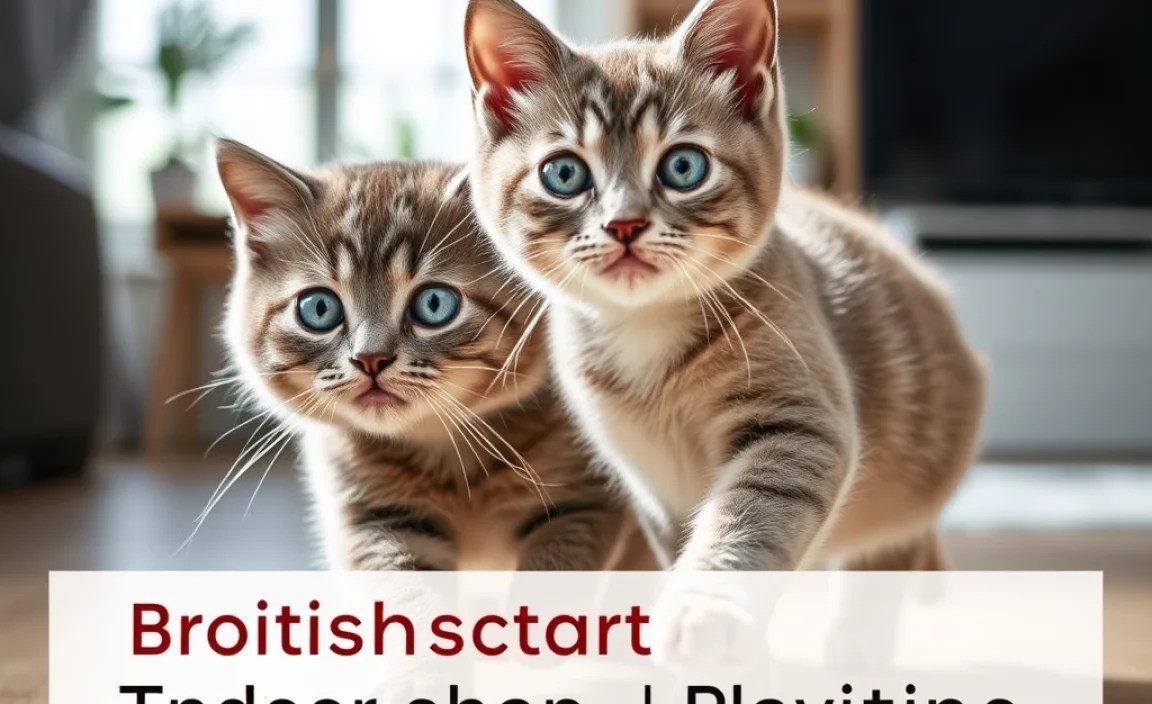
Sometimes, even with the best efforts, you might encounter challenges during playtime. Here are some common issues and how to address them:
| Issue | Solution |
|---|---|
| Cat loses interest quickly | Rotate toys more frequently; shorten play sessions. |
| Cat is scared of new toys | Introduce new toys slowly; leave them out for your cat to investigate. |
| Cat becomes aggressive during play | Stop the play session immediately; consult with a vet or behaviorist. |
| Cat only wants to sleep | Try different types of toys; schedule play sessions during peak activity times. |
The Benefits of Indoor Play

Engaging in regular indoor play activities offers numerous benefits for your British Shorthair:
- Physical Health: Helps maintain a healthy weight and prevents obesity-related health issues.
- Mental Stimulation: Reduces boredom and prevents behavioral problems.
- Bonding: Strengthens the bond between you and your cat.
- Stress Relief: Provides an outlet for pent-up energy and reduces stress.
Choosing the Right Toys
Selecting the right toys for your British Shorthair is crucial. Consider these factors:
| Factor | Description |
|---|---|
| Safety | Ensure toys are made from non-toxic materials and are free of small parts that could be swallowed. |
| Durability | Choose toys that can withstand your cat’s play style. |
| Interest Level | Observe which types of toys your cat prefers and focus on those. |
| Size | Select toys that are appropriate for your cat’s size and age. |
DIY Toy Ideas
Creating your own toys can be a fun and cost-effective way to keep your British Shorthair entertained. Here are a few ideas:
- Sock Toys: Fill an old sock with catnip and tie it off.
- Cardboard Boxes: Cats love exploring cardboard boxes. Cut holes in the sides for added interest.
- Toilet Paper Rolls: Flatten a toilet paper roll and fold in the ends to create a simple toy.
Safety Considerations
Safety should always be a top priority when engaging in indoor play activities. Keep these tips in mind:
- Supervise Play: Always supervise your cat during playtime to prevent accidents.
- Inspect Toys Regularly: Check toys for damage and replace them as needed.
- Secure Cords: Keep cords and strings out of reach to prevent entanglement.
- Remove Toxic Plants: Ensure all plants in your home are safe for cats.
British Shorthair Exercise Needs: A Detailed Look
Understanding the specific exercise needs of your British Shorthair is essential for their overall well-being. While they aren’t as demanding as some breeds, regular physical activity is crucial to prevent obesity and maintain their physical and mental health. Here’s a more detailed breakdown:
Daily Exercise Requirements
British Shorthairs typically need around 15-30 minutes of active play each day. This can be divided into two or three shorter sessions. The key is consistency. Regular, short bursts of activity are more effective than sporadic, longer sessions.
- Kitten Exercise: Kittens require more frequent, shorter play sessions to burn off their boundless energy.
- Adult Exercise: Adult cats benefit from structured playtime that mimics hunting behavior.
- Senior Exercise: Senior cats may have reduced mobility, so gentle play and mental stimulation are key.
Signs Your British Shorthair Needs More Exercise
Recognizing the signs of insufficient exercise can help you adjust their routine accordingly. Here are some indicators:
- Weight Gain: Noticeable weight gain despite a consistent diet.
- Lethargy: Increased napping and reduced interest in activities.
- Destructive Behavior: Scratching furniture or other destructive habits may indicate boredom.
- Changes in Appetite: Overeating or a decreased appetite can be linked to inactivity.
Adapting Play to Your Cat’s Age and Health
It’s important to tailor play activities to your cat’s age and health condition. Kittens, adults, and seniors have different needs and limitations.
- Kittens: Engage in high-energy play with toys like wands, balls, and climbing structures.
- Adults: Focus on simulating hunting behavior with toys that mimic prey.
- Seniors: Opt for gentle play with soft toys, puzzle feeders, and short walks.
If your cat has any health issues, consult with your veterinarian before starting a new exercise routine. They can provide specific recommendations based on your cat’s individual needs.
Frequently Asked Questions
Here are some common questions about indoor play activities for British Shorthairs:
1. How often should I play with my British Shorthair?
Aim for at least two 15-20 minute play sessions per day to keep them active and engaged.
2. What types of toys do British Shorthairs prefer?
They enjoy a variety of toys, including interactive toys, puzzle toys, and chaser toys. Rotate them regularly to maintain interest.
3. How can I create a stimulating indoor environment for my cat?
Provide vertical spaces, window views, cat-friendly plants, and hiding spots to encourage exploration and play.
4. Is it safe to use laser pointers with my British Shorthair?
Yes, but use them safely by avoiding their eyes and ending the session with a physical toy they can “catch.”
5. What should I do if my cat loses interest in playing?
Try rotating toys more frequently, shortening play sessions, and introducing new toys to keep them engaged.
6. How can I prevent my cat from scratching furniture?
Provide scratching posts and pads in various locations and materials to redirect their scratching behavior.
7. Can puzzle feeders really help with boredom?
Absolutely! Puzzle feeders combine mealtime with playtime, providing mental stimulation and preventing overeating.
Conclusion
Keeping your British Shorthair active and engaged indoors is essential for their physical and mental well-being. By providing a variety of toys, scheduling regular play sessions, and creating an enriching environment, you can ensure your feline friend stays happy and healthy. Remember to tailor activities to your cat’s individual needs and preferences, and always prioritize safety. With a little creativity and effort, you can transform your home into a purr-adise of fun for your beloved British Shorthair. Happy playing!


