
Evolution of the Greyhound: A Powerful History

Quick Summary:
The Greyhound’s evolution spans centuries, from ancient sighthounds to the sleek racing dogs we know today. Selective breeding, focusing on speed and agility, has refined their physique and hunting instincts. Understanding their history helps appreciate their unique needs and temperament as loving companions.
Have you ever looked at a Greyhound and wondered about their history? These elegant dogs, known for their incredible speed, have a fascinating story that stretches back thousands of years. Learning about their evolution helps us understand why they are the way they are, from their sleek bodies to their gentle personalities. We’ll explore how they transformed from hunters to beloved pets, and what that means for caring for them today. Get ready to uncover the secrets behind this amazing breed!
The Ancient Origins of Sighthounds

The Greyhound’s story begins with the sighthounds of the ancient world. These dogs, prized for their ability to spot and chase game over long distances, were essential hunting partners for early humans. Let’s take a look at where these dogs originated:
- Ancient Egypt: Evidence suggests that sighthound-type dogs existed in Egypt as far back as 3000 BC. Images of slender, long-legged dogs appear in tombs and artwork, indicating their importance in Egyptian society.
- Persia and the Middle East: Similar sighthounds were also found in Persia (modern-day Iran) and other parts of the Middle East. These dogs were used to hunt gazelle and other fast-moving prey in the open deserts and plains.
- The Role of Trade: As civilizations developed and trade routes expanded, these sighthounds spread throughout the Mediterranean region, eventually reaching Europe.
The Greyhound in Europe

The dogs brought to Europe continued to develop. Here’s how:
- Roman Empire: The Romans recognized the Greyhound’s speed and hunting abilities, using them to chase hare and deer. They also valued them as companions.
- Medieval Europe: During the Middle Ages, Greyhounds became popular among the nobility in Europe. They were used for coursing, a sport where dogs chased game animals in an open field.
- Selective Breeding: Over time, breeders began to selectively breed Greyhounds for specific traits, such as speed, stamina, and hunting ability. This led to the development of the modern Greyhound breed as we know it today.
The Rise of Greyhound Racing

The 20th century brought a significant change to the Greyhound’s role. Here’s a quick look:
- Early Racing: Greyhound racing emerged as a popular sport in the early 1900s, particularly in the United States, England, and Australia.
- Mechanical Lure: The invention of the mechanical lure, or “artificial hare,” in 1912 revolutionized Greyhound racing. This allowed for more consistent and controlled races.
- Breeding for Speed: Racing Greyhounds were bred almost exclusively for speed and agility, resulting in a dog with exceptional athletic abilities.
Physical Changes Through Evolution
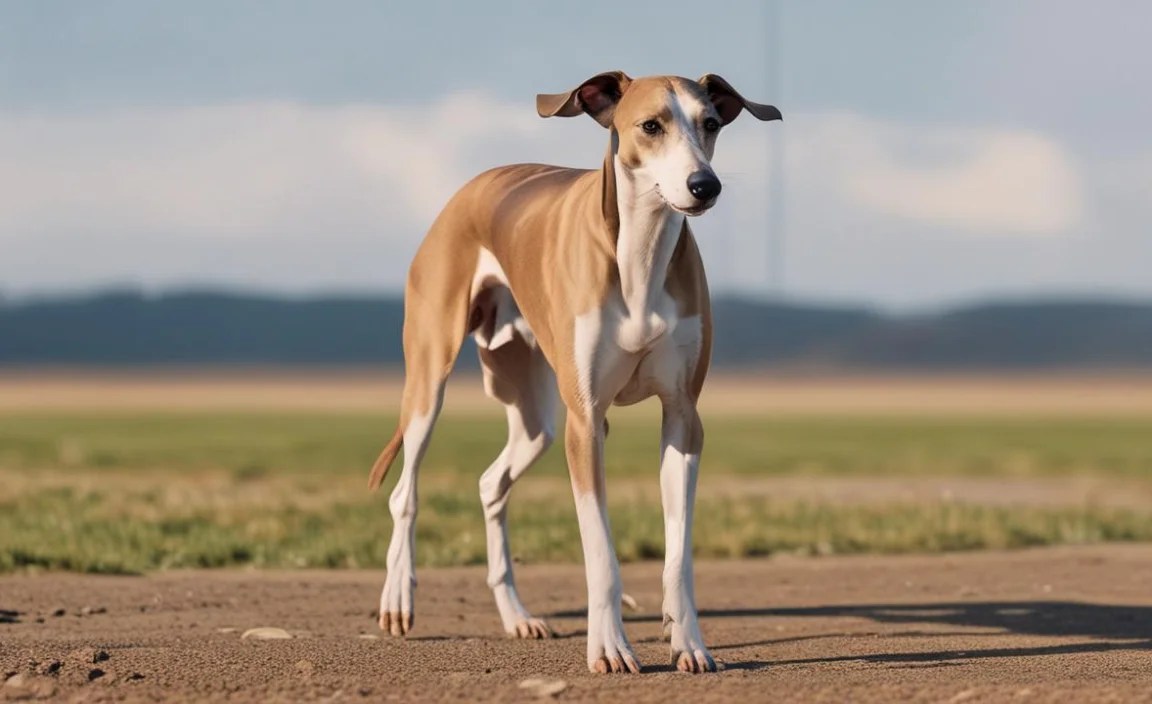
The Greyhound has undergone physical changes through its long history. These changes were driven by the need for speed and agility in hunting and racing. Here’s a table illustrating some key physical adaptations:
| Feature | Adaptation | Purpose |
|---|---|---|
| Aerodynamic Body | Streamlined shape with a deep chest and narrow waist | Reduces wind resistance for faster running. |
| Long Legs | Powerful, long legs with flexible joints | Allows for a greater stride length and efficient movement. |
| Flexible Spine | Highly flexible spine | Enables a greater range of motion and powerful propulsion. |
| Large Heart and Lungs | Enlarged heart and lung capacity | Provides increased oxygen supply to muscles during intense exercise. |
| Lightweight Build | Lightweight bone structure and minimal body fat | Reduces overall weight for increased speed. |
Temperament and Behavior
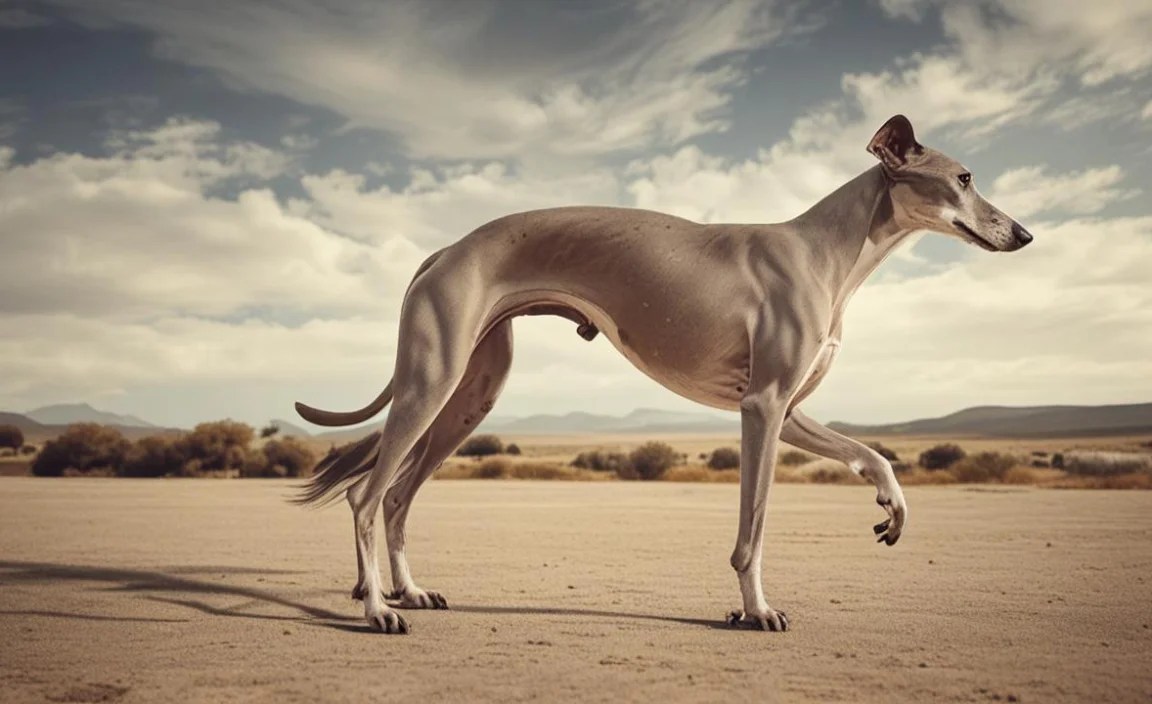
Despite their racing background, Greyhounds are known for their gentle and affectionate nature. Here’s what you should know:
- Gentle Giants: Greyhounds are often referred to as “gentle giants” due to their calm and docile temperament.
- Affectionate: They form strong bonds with their families and enjoy being around people.
- Low Energy Indoors: Despite their speed, Greyhounds are relatively low-energy indoors. They are often content to lounge around and nap for much of the day.
- Prey Drive: It’s important to remember that Greyhounds retain a strong prey drive. They may instinctively chase small animals, so it’s essential to keep them on a leash in unsecured areas.
Health Considerations
Greyhounds have some specific health considerations related to their unique physiology. Here’s a look:
- Anesthesia Sensitivity: Greyhounds are known to be sensitive to anesthesia due to their low body fat and unique metabolism. Vets should use special protocols when administering anesthesia to Greyhounds.
- Bloat (Gastric Torsion): Like many deep-chested breeds, Greyhounds are prone to bloat, a life-threatening condition where the stomach twists. Feeding multiple small meals throughout the day can help reduce the risk.
- Hypothyroidism: Greyhounds have a naturally lower thyroid hormone level than other breeds, which can sometimes be misdiagnosed as hypothyroidism. A vet familiar with Greyhounds can properly assess their thyroid function.
- Corns: Greyhounds are prone to developing corns on their paw pads, which can cause discomfort. Regular paw checks and proper foot care are essential.
Caring for Retired Racing Greyhounds
Many Greyhounds retire from racing at a young age and are available for adoption. Here are some things to keep in mind when adopting a retired racer:
- Transition Period: Retired racing Greyhounds may need time to adjust to life as a pet. They may not be familiar with stairs, household noises, or other common things.
- Training: They may need basic obedience training and socialization to learn how to interact with other dogs and people.
- Leash Manners: It’s crucial to teach them good leash manners, as their strong prey drive can lead them to chase after small animals.
- Soft Bedding: Greyhounds are used to sleeping on soft bedding in their kennels, so providing them with a comfortable bed is essential.
Greyhound Adoption Organizations
If you’re interested in adopting a retired racing Greyhound, there are many reputable adoption organizations that can help. Some of these include:
- National Greyhound Adoption Program (NGAP): A well-established organization that places retired racers in loving homes across the United States.
- Greyhound Adoption Program USA: Another national organization dedicated to finding homes for retired racing Greyhounds.
- Local Greyhound Rescue Groups: Many local and regional Greyhound rescue groups operate throughout the country. Do a search to find one near you.
The Greyhound Today
The Greyhound has come a long way from its ancient origins as a hunting dog. Today, they are cherished companions, known for their speed, grace, and gentle nature. Whether they’re racing on the track or lounging on the couch, Greyhounds continue to captivate us with their unique charm and history.
Comparing Greyhound Types
While the Greyhound is generally recognized as a single breed, variations exist based on their breeding purpose and region. Here’s a comparison of some common types:
| Type | Characteristics | Typical Use | Temperament |
|---|---|---|---|
| Racing Greyhound | Sleek build, highly refined for speed, deep chest, strong legs | Competitive racing | High energy, focused, trainable, needs structured exercise |
| Show Greyhound | Elegant appearance, adheres closely to breed standards, refined features | Conformation shows | Calm, well-mannered, adaptable, enjoys attention |
| Coursing Greyhound | Strong and agile, bred for hunting hare and other game | Traditional coursing events | Independent, driven, high prey drive, needs secure areas |
| Pet Greyhound (Retired Racer) | May have some physical wear, but generally healthy and adaptable | Companion animal | Gentle, affectionate, often lazy indoors, needs patient training |
Common Myths About Greyhounds
There are several misconceptions about Greyhounds, often stemming from their racing background. Let’s debunk some common myths:
- Myth: Greyhounds need a lot of space to run.
- Fact: While they appreciate a chance to sprint, Greyhounds are often content to lounge around indoors. They are sprinters, not long-distance runners, and a few short bursts of exercise are usually sufficient.
- Myth: Greyhounds are aggressive.
- Fact: Greyhounds are generally gentle and docile. They are not typically aggressive towards people or other dogs, although their strong prey drive may cause them to chase small animals.
- Myth: Greyhounds are difficult to train.
- Fact: Greyhounds are intelligent and trainable, although they may require patience and positive reinforcement. They respond well to reward-based training methods.
- Myth: Greyhounds are high-maintenance pets.
- Fact: Greyhounds are relatively low-maintenance pets. They don’t require a lot of grooming and are generally quiet and well-behaved indoors.
Tips for First-Time Greyhound Owners
Bringing a Greyhound into your home can be a rewarding experience. Here are some tips to help you get started:
- Provide a Comfortable Bed: Greyhounds love to sleep on soft bedding, so make sure they have a comfortable place to rest.
- Secure Your Yard: Greyhounds have a strong prey drive and can jump fences, so it’s essential to ensure your yard is secure.
- Keep Them on a Leash: Always keep your Greyhound on a leash when you’re in an unsecured area.
- Introduce Them Gradually: Introduce your Greyhound to new people and situations gradually to help them adjust.
- Be Patient: It may take time for your Greyhound to adjust to their new home, so be patient and understanding.
Famous Greyhounds in History and Culture
Greyhounds have appeared throughout history and popular culture, often symbolizing speed, elegance, and loyalty. Here are a few notable examples:
- Artwork: Greyhounds have been depicted in art for centuries, from ancient Egyptian tombs to Renaissance paintings.
- Literature: Greyhounds appear in numerous literary works, often as companions to noble characters.
- Logos: The Greyhound is a well-known symbol, appearing in the logos of various companies and organizations, most notably Greyhound Lines, Inc., the bus company.
- Mythology: In some cultures, Greyhounds were associated with deities and were believed to have special powers.
The Future of the Greyhound Breed
The future of the Greyhound breed looks bright, with increasing awareness and appreciation for their unique qualities. Here’s what we can expect:
- Continued Adoption Efforts: Organizations will continue to work to find loving homes for retired racing Greyhounds.
- Responsible Breeding: Breeders will focus on maintaining the health and temperament of the breed.
- Increased Recognition: Greyhounds will continue to gain recognition as wonderful companion animals.
FAQ About the Evolution of the Greyhound
Here are some frequently asked questions about the evolution of the Greyhound, with simple and clear answers:
What is a sighthound?
A sighthound is a type of dog that hunts primarily by sight, using its keen vision to spot and chase prey over long distances.
How did Greyhounds become racing dogs?
In the early 20th century, Greyhound racing became a popular sport, and Greyhounds were selectively bred for speed and agility to excel in these races.
Are Greyhounds good pets?
Yes, Greyhounds make excellent pets! They are known for their gentle, affectionate, and low-energy nature indoors, making them great companions.
Do Greyhounds need a lot of exercise?
While they are fast, Greyhounds don’t need constant exercise. Short bursts of running and playtime are usually enough to keep them happy and healthy.
What are some common health issues in Greyhounds?
Some common health issues in Greyhounds include anesthesia sensitivity, bloat, hypothyroidism, and corns on their paw pads.
How can I adopt a retired racing Greyhound?
You can adopt a retired racing Greyhound through various adoption organizations and rescue groups dedicated to finding them loving homes.
Are Greyhounds aggressive dogs?
No, Greyhounds are not typically aggressive. They are generally gentle and docile, though they may have a strong prey drive towards small animals.
Conclusion
The evolution of the Greyhound is a testament to the power of selective breeding and the enduring bond between humans and dogs. From their ancient origins as hunting companions to their modern-day role as beloved pets, Greyhounds have adapted and thrived. Understanding their history helps us appreciate their unique qualities and provide them with the care and love they deserve. So, whether you’re a longtime admirer or a potential owner, take a moment to celebrate the remarkable journey of the Greyhound – a true symbol of speed, grace, and companionship.


