
Cat Breeds for Quiet Households: Find Your Purrfect Fit!

Quick Summary:
Looking for a calm feline friend? Several cat breeds are known for their quiet nature, making them ideal for peaceful homes. The British Shorthair, Persian, Ragdoll, and Russian Blue are generally less vocal and enjoy a relaxed environment. These breeds often prefer gentle interactions and quiet playtime, fitting well into households seeking a serene atmosphere. Consider their individual personalities, as each cat has its unique traits, but these breeds are a great starting point for a quiet companion.
Choosing the right cat breed for your home is a big decision. Some cats are naturally chatty, while others prefer to keep their thoughts to themselves. If you’re dreaming of a peaceful home, filled with gentle purrs rather than constant meows, you’re in the right place. Finding a quiet cat breed can bring harmony to your household and reduce stress for everyone.
In this guide, I’ll walk you through some of the quietest cat breeds, highlighting what makes them so serene. We’ll cover their temperaments, needs, and how to ensure they thrive in a calm environment. Get ready to discover your purrfect, quiet companion!
Understanding Cat Vocalization
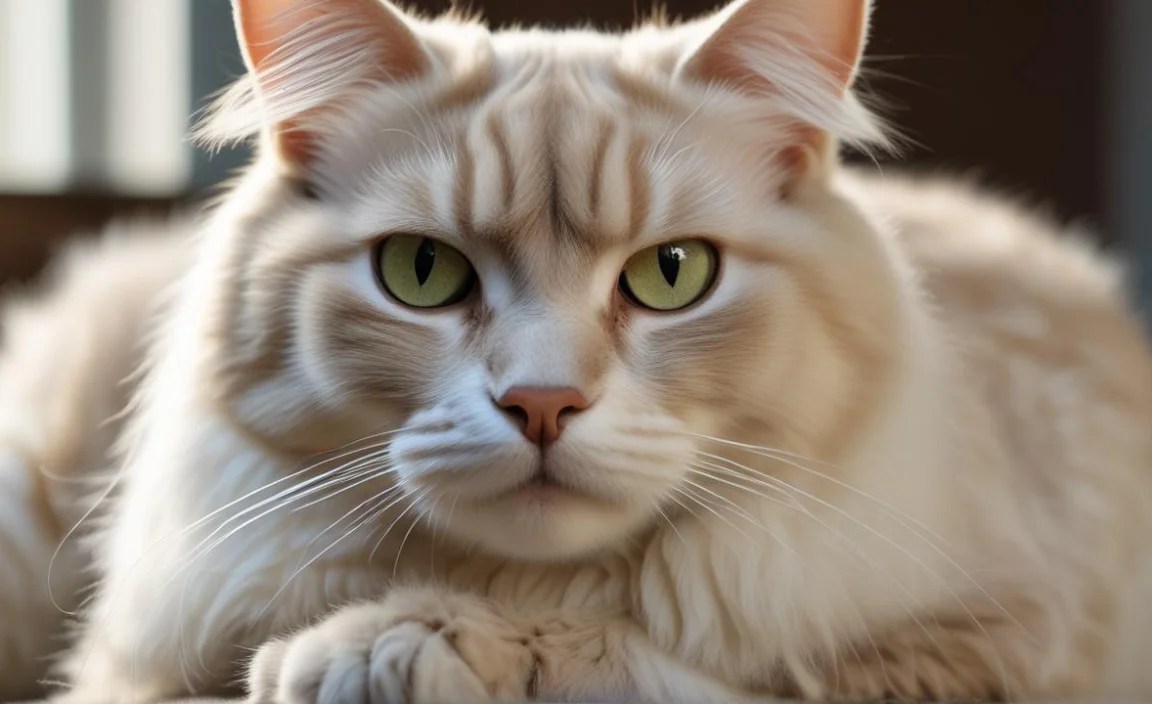
Before we dive into specific breeds, let’s understand why cats meow. Vocalization is a key part of how cats communicate, but not all cats are equally chatty. According to research from Cornell Feline Health Center, meowing can mean many things, from a simple greeting to a demand for food or attention. Some breeds are genetically predisposed to be more vocal, while others tend to be quieter. Understanding this difference is the first step in finding a quiet feline friend.
Why Some Cats Are Quieter Than Others
Several factors influence how much a cat vocalizes:
- Breed: Some breeds are naturally more talkative than others.
- Personality: Just like people, cats have unique personalities. Some are naturally more reserved.
- Environment: A cat’s surroundings can affect its vocal behavior. Stressful environments might lead to increased meowing.
- Health: Sometimes, excessive vocalization can be a sign of a medical issue. It’s always a good idea to consult with your vet if you notice a sudden change in your cat’s meowing habits.
Now, let’s explore some of the quietest cat breeds that might be the perfect fit for your peaceful home.
Top Cat Breeds for Quiet Households

Here are some of the best cat breeds known for their calm and quiet nature:
- British Shorthair
- Persian
- Ragdoll
- Russian Blue
- Scottish Fold
- Burmese
- Exotic Shorthair
Let’s explore them in more detail.
1. British Shorthair: The Gentle Giant
As a British Shorthair enthusiast, I can confidently say this breed is one of the quietest and most laid-back you’ll find. British Shorthairs are known for their calm, gentle nature and their tendency to be less vocal than many other breeds. They are independent and enjoy their own company, making them perfect for quieter households. According to The International Cat Association (TICA), British Shorthairs are adaptable and affectionate without being overly demanding.
Why British Shorthairs Are Quiet:
- Independent Nature: They don’t constantly seek attention.
- Laid-Back Temperament: They’re content to relax and observe.
- Low Vocalization: They typically only meow when necessary, such as when they’re hungry or need something.
Ideal Environment: British Shorthairs thrive in calm, stable environments. They enjoy a predictable routine and a quiet space to retreat to when they need downtime.
2. Persian: The Sweet and Serene Companion
Persian cats are renowned for their luxurious coats and sweet, gentle personalities. They are typically quiet and docile, preferring a serene environment. Persians are affectionate but not overly demanding, making them a great fit for quiet homes. Purina notes that Persians are known for their calm demeanor and love of lounging.
Why Persians Are Quiet:
- Docile Nature: They are naturally calm and relaxed.
- Low Energy: They prefer lounging to running around.
- Gentle Temperament: They are affectionate without being overly vocal.
Ideal Environment: Persians do best in calm, indoor environments. Regular grooming is essential to keep their long coats healthy and free of mats.
3. Ragdoll: The Gentle Giant with a Mellow Voice
Ragdolls are known for their docile and affectionate nature, often going limp when held, hence their name. They are typically quiet cats with a gentle meow, making them excellent companions for those seeking a peaceful home. The RSPCA highlights Ragdolls as being particularly good with children and other pets due to their patient and gentle nature.
Why Ragdolls Are Quiet:
- Docile Temperament: They are relaxed and easy-going.
- Gentle Meow: Their vocalizations are soft and infrequent.
- Affectionate but Not Demanding: They love attention but aren’t pushy about it.
Ideal Environment: Ragdolls thrive in family environments where they receive plenty of love and attention. They are adaptable and can adjust to various living situations as long as they feel secure.
4. Russian Blue: The Quiet and Reserved Beauty
Russian Blue cats are known for their striking silver-blue coats and their intelligent, reserved personalities. They are typically quiet cats, often described as gentle and shy. While they form strong bonds with their families, they are not overly demanding of attention. TICA describes them as playful yet gentle, making them great companions for those seeking a quiet, elegant cat.
Why Russian Blues Are Quiet:
- Reserved Nature: They are naturally more reserved and less vocal.
- Intelligent and Independent: They enjoy their own company.
- Gentle Temperament: They are affectionate but not overly clingy.
Ideal Environment: Russian Blues do well in calm, predictable environments. They appreciate a quiet space where they can retreat when they need to.
5. Scottish Fold: The Sweet and Soft-Spoken Companion
Scottish Folds are famous for their unique folded ears and their sweet, gentle personalities. They are typically quiet cats with soft voices and a calm demeanor. These cats are affectionate and enjoy being around their families, but they are not overly vocal. According to the Cat Fanciers’ Association (CFA), Scottish Folds are adaptable and make great companions for people of all ages.
Why Scottish Folds Are Quiet:
- Gentle Nature: They have a naturally calm and sweet temperament.
- Soft Voice: Their meows are typically quiet and gentle.
- Adaptable: They adjust well to different living environments.
Ideal Environment: Scottish Folds thrive in loving homes where they receive plenty of attention. Regular health check-ups are important to monitor their joint health, as they can be prone to certain skeletal issues.
6. Burmese: The Sociable Softie
Burmese cats are known for their playful and affectionate personalities, but they are also surprisingly quiet compared to other breeds. They enjoy interacting with their families but are not overly vocal, preferring gentle chirps and soft meows. Purina notes that Burmese cats are intelligent and enjoy interactive play, making them great companions for those seeking a quieter, yet engaging, cat.
Why Burmese Are Quiet:
- Playful but Gentle: They enjoy playing but aren’t overly demanding.
- Soft Vocalizations: Their meows are typically soft and gentle.
- Sociable: They enjoy being around people but don’t need constant attention.
Ideal Environment: Burmese cats thrive in homes where they receive plenty of interaction and playtime. They are adaptable and can adjust to various living situations as long as they feel loved and stimulated.
7. Exotic Shorthair: The Laid-Back and Quiet Charmer
Exotic Shorthairs, often called “lazy Persians,” share many of the Persian’s gentle and quiet traits but with a shorter, easier-to-manage coat. They are known for their calm and affectionate nature, making them ideal companions for quiet households. CFA describes them as sweet and docile, enjoying a relaxed lifestyle.
Why Exotic Shorthairs Are Quiet:
- Calm Temperament: They are naturally relaxed and easy-going.
- Low Energy: They prefer lounging and cuddling to running around.
- Affectionate but Not Demanding: They enjoy attention but aren’t overly vocal about it.
Ideal Environment: Exotic Shorthairs thrive in calm, indoor environments. Regular grooming is still important, but their shorter coats require less maintenance than Persians.
Comparing Quiet Cat Breeds

To help you make a decision, here’s a comparison table highlighting key traits of these quiet cat breeds:
| Breed | Temperament | Vocalization Level | Grooming Needs | Ideal Environment |
|---|---|---|---|---|
| British Shorthair | Calm, independent | Low | Low | Quiet, stable home |
| Persian | Sweet, docile | Low | High | Calm, indoor home |
| Ragdoll | Docile, affectionate | Low | Medium | Family home |
| Russian Blue | Reserved, intelligent | Low | Low | Calm, predictable home |
| Scottish Fold | Gentle, sweet | Low | Medium | Loving home |
| Burmese | Playful, affectionate | Low | Low | Interactive home |
| Exotic Shorthair | Calm, affectionate | Low | Medium | Calm, indoor home |
Tips for Maintaining a Quiet Home with Cats

Even with a quiet breed, there are steps you can take to ensure a peaceful environment:
- Provide Plenty of Toys: Keep your cat entertained to reduce boredom-related meowing.
- Regular Playtime: Engage in interactive play to burn energy and reduce the need for attention-seeking vocalizations.
- Consistent Feeding Schedule: Feed your cat at the same times each day to prevent hunger-related meowing.
- Comfortable Environment: Ensure your cat has a comfortable bed and a safe space to retreat to when they need quiet time.
- Address Medical Issues: If your cat suddenly becomes more vocal, consult with your vet to rule out any underlying health problems.
Debunking Common Myths About Quiet Cat Breeds

There are a few misconceptions about quiet cat breeds that need addressing:
- Myth: Quiet cats are aloof and don’t like attention.
- Reality: Quiet cats still enjoy affection; they just express it differently. They might prefer gentle petting to constant cuddling.
- Myth: Quiet breeds don’t need as much stimulation.
- Reality: All cats need mental and physical stimulation. Provide toys, scratching posts, and playtime to keep them happy and healthy.
- Myth: A quiet cat will never meow.
- Reality: Even the quietest cats will meow occasionally. It’s part of their communication. The key is that they don’t meow excessively.
Real-Life Scenarios: Quiet Cats in Action
Let’s look at some examples of how these quiet breeds fit into different lifestyles:
- Scenario 1: A single professional living in a small apartment.
- Breed: British Shorthair or Russian Blue.
- Why: These breeds are independent and don’t require constant attention, making them perfect for someone with a busy schedule.
- Scenario 2: A family with young children.
- Breed: Ragdoll or Burmese.
- Why: These breeds are patient and gentle, making them great companions for children.
- Scenario 3: A senior citizen living alone.
- Breed: Persian or Exotic Shorthair.
- Why: These breeds are calm and enjoy a relaxed lifestyle, providing companionship without being overly demanding.
The Importance of Individual Personality
While breed characteristics can give you a good idea of a cat’s potential temperament, it’s important to remember that every cat is an individual. Personality can vary even within the same breed. When choosing a cat, spend time with them to get a sense of their unique character.
How to Assess a Cat’s Personality Before Adoption
- Observe Their Behavior: Watch how they interact with people and other animals.
- Interact with Them: Pet them, play with them, and see how they respond.
- Ask Questions: Talk to the shelter staff or breeder about the cat’s history and temperament.
FAQ About Quiet Cat Breeds
Here are some frequently asked questions about quiet cat breeds:
1. Are quiet cat breeds less affectionate?
No, quiet cat breeds can be just as affectionate as more vocal ones. They simply express their affection in different ways, such as gentle purring, rubbing against your legs, or quietly sitting beside you.
2. Do quiet cats need less attention?
No, all cats need attention, even quiet ones. They still need playtime, grooming, and affection. The difference is that quiet cats are less likely to demand attention through constant meowing.
3. Can I train a cat to be quieter?
While you can’t completely change a cat’s natural vocal tendencies, you can discourage excessive meowing by addressing the underlying causes, such as boredom or hunger. Providing plenty of toys, regular playtime, and a consistent feeding schedule can help.
4. Are there any health issues specific to quiet cat breeds?
Some breeds, like Scottish Folds, are prone to certain health issues due to their unique physical characteristics. It’s important to research the specific health concerns associated with any breed you’re considering and ensure you can provide the necessary care.
5. How do I create a quiet environment for my cat?
Provide a comfortable bed, a safe space to retreat to, and a predictable routine. Avoid loud noises and sudden changes in the environment. A calm and stable home will help your cat feel secure and reduce stress-related vocalizations.
6. What if my quiet cat suddenly starts meowing more?
A sudden increase in vocalization can be a sign of a medical issue. Consult with your vet to rule out any underlying health problems. It could also be due to stress or changes in the environment.
7. Are mixed-breed cats ever quiet?
Yes, mixed-breed cats can be quiet too! Their personality will depend on their genetic makeup and individual temperament. Spending time with a mixed-breed cat before adopting can give you a good sense of their personality.
Conclusion
Choosing a cat breed for a quiet household involves considering several factors, but starting with breeds known for their calm demeanor is a great first step. The British Shorthair, Persian, Ragdoll, Russian Blue, Scottish Fold, Burmese, and Exotic Shorthair are all excellent choices for those seeking a peaceful companion. Remember, individual personalities vary, so spend time with any potential cat to ensure they’re the right fit for your home. By providing a loving, stable environment and understanding their unique needs, you can enjoy a harmonious relationship with your quiet feline friend for many years to come.


