
British Shorthair Behavior Explained: The Ultimate Guide

Understanding British Shorthair behavior involves recognizing their calm, independent nature. They’re affectionate but not overly demanding, enjoying companionship without constant attention. Key traits include a relaxed demeanor, playful bursts, and a preference for observing rather than actively participating. Understanding these tendencies helps create a happy, harmonious environment for your British Shorthair.
Ever wonder what makes your British Shorthair tick? These adorable, fluffy cats are known for their easygoing personalities, but sometimes their behavior can leave you scratching your head. Are they aloof, or just independent? Playful, or simply conserving energy? Understanding the nuances of their behavior is the first step in building a stronger bond and ensuring their happiness.
In this guide, we’ll unravel the mysteries of British Shorthair behavior. We’ll explore their common traits, explain their unique quirks, and give you practical tips for creating a purr-fectly harmonious home. Get ready to decode your feline friend’s actions and deepen your understanding of this charming breed!
Decoding British Shorthair Behavior: A Comprehensive Guide
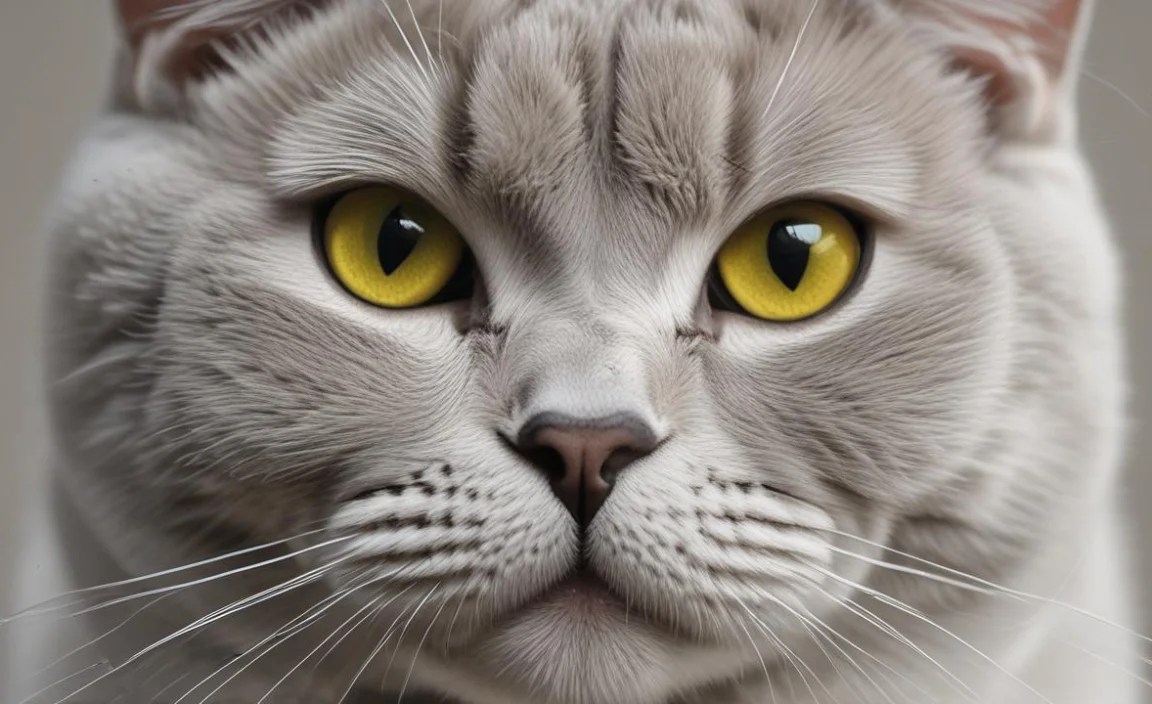
British Shorthairs are beloved for their gentle nature and teddy bear-like appearance. But beneath that plush exterior lies a complex personality. Let’s delve into the key aspects of their behavior.
The Laid-Back Lounge Lizard: Understanding Their Calm Demeanor

One of the most defining traits of the British Shorthair is their relaxed attitude. They’re not typically hyperactive cats, preferring to observe the world from a comfortable vantage point. This calmness stems from their history as working cats who needed to conserve energy.
- Independent Nature: British Shorthairs are content with their own company and don’t constantly demand attention. They enjoy being near their owners but are not overly clingy.
- Low-Key Playfulness: While they appreciate playtime, they’re not as energetic as some other breeds. Short bursts of activity followed by long naps are more their style.
- Adaptable to Environments: Their calm demeanor makes them well-suited to various living situations, from apartments to houses.
The Gentle Giant: Affectionate, But Not Overbearing

British Shorthairs are known for their sweet and affectionate nature, but they express it in a subtle way. They’re not typically lap cats, but they enjoy being petted and spending time near their favorite humans.
- Subtle Displays of Affection: Look for signs like slow blinks, head bumps, and gentle purrs to know they’re feeling loved.
- Enjoy Companionship: They appreciate being in the same room as their owners and often follow them around the house.
- Tolerance for Children and Other Pets: Their gentle nature makes them good companions for children and other well-behaved pets.
The Observant Observer: A Keen Sense of Awareness

British Shorthairs are intelligent and observant cats. They tend to assess situations before jumping in, making them less prone to impulsive behavior.
- Problem-Solving Skills: They’re capable of figuring out puzzles and learning new tricks.
- Awareness of Surroundings: They pay close attention to their environment and quickly notice changes.
- Cautious Approach: They may be hesitant to try new things at first, preferring to observe from a safe distance.
Common British Shorthair Behaviors and What They Mean

Understanding specific behaviors can help you better interpret your British Shorthair’s needs and feelings.
| Behavior | Possible Meaning | What to Do |
|---|---|---|
| Slow Blinking | Sign of affection and trust. | Slow blink back to show you care. |
| Head Bunting | Marking you with their scent, showing affection. | Gently pet them in return. |
| Kneading | Comforting behavior, reminiscent of kittenhood. | Provide a soft blanket or surface for them to knead. |
| Following You Around | Seeking companionship and attention. | Spend some quality time with them, even if it’s just sitting nearby. |
| Hiding | Feeling stressed, scared, or unwell. | Provide a safe and quiet space for them to retreat to. |
| Excessive Grooming | Could indicate stress, anxiety, or skin irritation. | Consult with your veterinarian to rule out any medical issues. |
| Scratching Furniture | Natural instinct to sharpen claws and mark territory. | Provide scratching posts and mats to redirect their behavior. |
Addressing Common Behavioral Issues
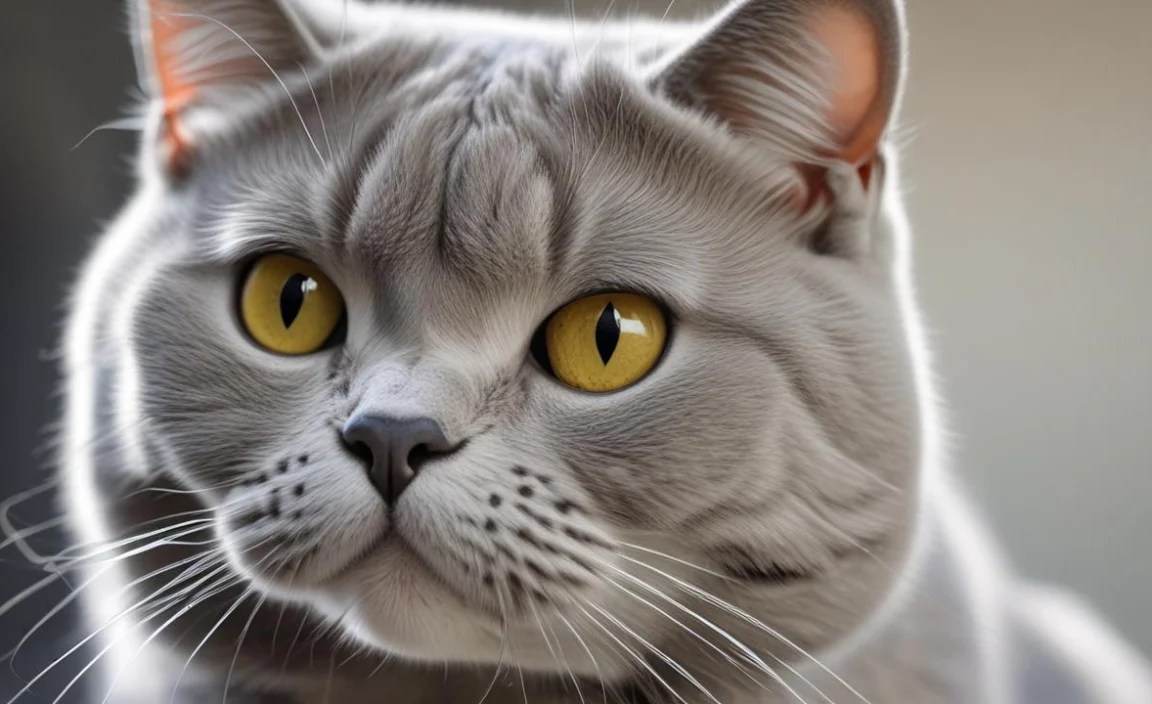
While British Shorthairs are generally well-behaved, some common issues may arise. Here’s how to address them:
Scratching Furniture

Scratching is a natural behavior for cats, but it can be destructive if directed at your furniture. Redirection is key.
- Provide Scratching Posts: Offer a variety of scratching posts made of different materials, such as sisal, cardboard, or wood.
- Location, Location, Location: Place the scratching posts near areas where your cat likes to scratch.
- Make Scratching Posts Appealing: Use catnip or toys to attract your cat to the scratching posts.
- Protect Furniture: Cover furniture with protective covers or use deterrent sprays.
Inappropriate Elimination
Eliminating outside the litter box can be a sign of a medical issue, stress, or an aversion to the litter box.
- Rule Out Medical Issues: Consult with your veterinarian to rule out any underlying health problems.
- Litter Box Management: Keep the litter box clean and in a quiet, accessible location.
- Litter Box Preference: Experiment with different types of litter to find one your cat prefers.
- Reduce Stress: Identify and address any potential stressors in your cat’s environment.
Aggression
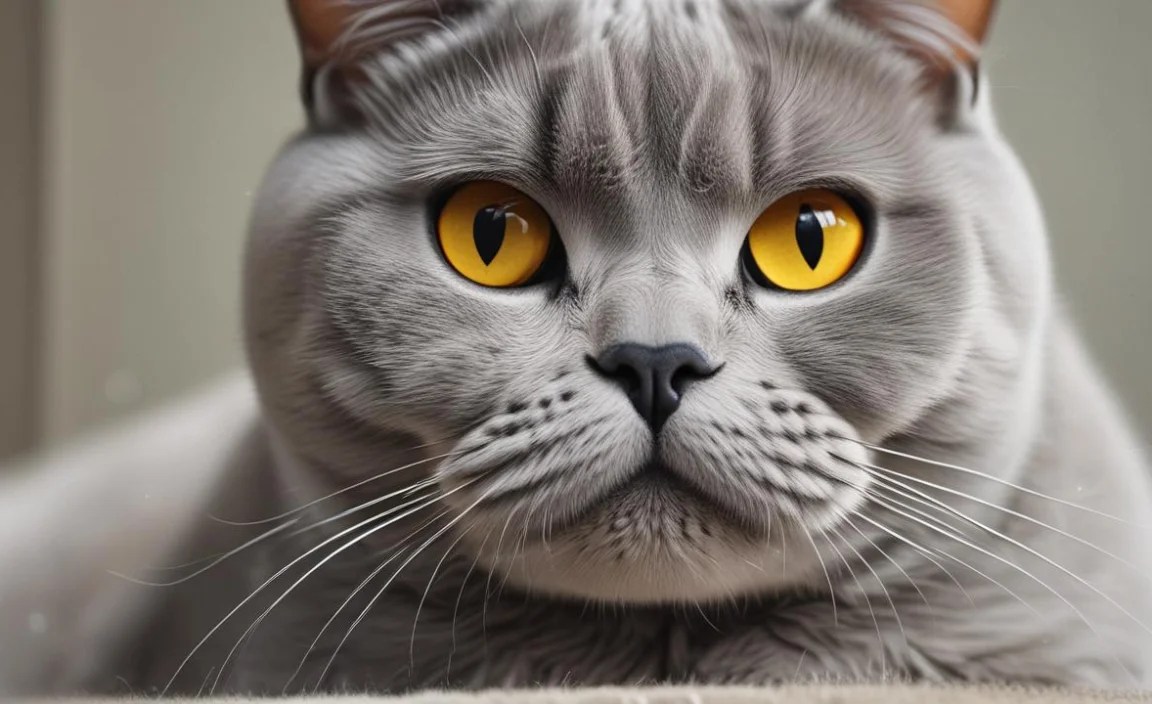
Aggression in British Shorthairs is rare, but it can occur due to fear, pain, or territoriality.
- Identify the Trigger: Determine what is causing your cat to become aggressive.
- Rule Out Medical Issues: Consult with your veterinarian to rule out any underlying health problems.
- Provide Safe Spaces: Ensure your cat has access to safe and quiet spaces where they can retreat.
- Consult a Behaviorist: If the aggression is severe or persistent, seek professional help from a certified cat behaviorist.
Creating a Purr-fect Environment for Your British Shorthair

A happy British Shorthair is one that feels safe, comfortable, and loved. Here are some tips for creating an ideal environment:
- Provide a Comfortable Bed: British Shorthairs love to nap, so provide them with a cozy bed in a quiet location.
- Offer Plenty of Toys: Rotate toys regularly to keep them engaged and entertained.
- Create Vertical Space: Cats love to climb and observe from high places, so provide cat trees or shelves.
- Ensure Fresh Water and Food: Always have fresh water and high-quality cat food available.
- Regular Veterinary Care: Schedule regular checkups with your veterinarian to ensure your cat stays healthy.
The British Shorthair Kitten: Developmental Stages and Socialization

Understanding the developmental stages of a British Shorthair kitten is crucial for proper socialization and training. Kittens go through several key phases:
- Neonatal Period (0-2 weeks): Kittens are completely dependent on their mother. They cannot see, hear, or regulate their body temperature.
- Transitional Period (2-4 weeks): Kittens begin to open their eyes and ears. They start to move around and explore their surroundings.
- Socialization Period (4-12 weeks): This is a critical period for socialization. Kittens learn how to interact with other cats, people, and their environment.
- Juvenile Period (3-6 months): Kittens become more independent and playful. They continue to learn and develop their social skills.
Socialization Tips:
- Expose Kittens to Different Sights, Sounds, and Smells: This will help them become well-adjusted adults.
- Handle Kittens Gently and Frequently: This will help them become comfortable with human contact.
- Introduce Kittens to Other Cats and People: This will help them develop social skills.
- Provide Positive Reinforcement: Reward good behavior with treats and praise.
The Senior British Shorthair: Adapting to Age-Related Changes

As British Shorthairs age, they may experience changes in their behavior and physical abilities. It’s important to adapt their environment and care to meet their needs.
- Reduced Activity Levels: Senior cats may sleep more and play less.
- Changes in Appetite: They may eat less or have difficulty chewing.
- Increased Sensitivity to Cold: Provide them with warm and comfortable places to rest.
- Cognitive Decline: They may become more forgetful or disoriented.
Senior Cat Care Tips:
- Provide a Soft and Comfortable Bed: Senior cats may have joint pain, so provide them with a comfortable bed that is easy to access.
- Offer Easy Access to Food and Water: Place food and water bowls in easily accessible locations.
- Provide Gentle Exercise: Encourage gentle exercise to help maintain muscle mass and joint health.
- Regular Veterinary Checkups: Schedule more frequent checkups with your veterinarian to monitor their health and address any age-related issues.
Nutrition and Behavior: The Link Between Diet and Demeanor

A cat’s diet plays a significant role in their overall health and behavior. Providing a balanced and nutritious diet can help support their physical and mental well-being. Here’s what to consider:
- High-Quality Protein: Cats are obligate carnivores and require a diet rich in animal protein.
- Essential Fatty Acids: Omega-3 and omega-6 fatty acids are important for skin and coat health, as well as brain function.
- Limited Carbohydrates: Cats don’t require a lot of carbohydrates in their diet.
- Avoid Artificial Additives: Choose cat foods that are free of artificial colors, flavors, and preservatives.
How Diet Affects Behavior:
| Nutrient | Impact on Behavior |
|---|---|
| Tryptophan | Helps regulate mood and reduce anxiety. |
| Omega-3 Fatty Acids | Supports brain function and cognitive health. |
| B Vitamins | Essential for nerve function and energy production. |
Consult with your veterinarian to determine the best diet for your British Shorthair based on their age, activity level, and health status.
Playtime and Enrichment: Keeping Your British Shorthair Happy and Engaged

While British Shorthairs are not as high-energy as some other breeds, they still need regular playtime and enrichment to stay happy and healthy. Playtime provides physical exercise, mental stimulation, and strengthens the bond between you and your cat.
Types of Play:
- Interactive Play: Use toys like wands, lasers, or feather toys to engage your cat in active play.
- Puzzle Toys: Provide puzzle toys that challenge your cat to problem-solve and earn treats.
- Solo Play: Offer toys that your cat can play with on their own, such as balls, mice, or crinkle toys.
Enrichment Ideas:
- Cat Trees: Provide cat trees or shelves to allow your cat to climb and explore.
- Window Perches: Offer window perches where your cat can watch birds and other outdoor activities.
- Scratching Posts: Provide scratching posts to allow your cat to sharpen their claws and mark their territory.
- Hideaways: Create cozy hideaways where your cat can retreat and feel safe.
Aim for at least 15-20 minutes of playtime each day to keep your British Shorthair happy and engaged.
The Importance of Routine: How Structure Benefits British Shorthairs

Cats thrive on routine, and British Shorthairs are no exception. A consistent daily schedule helps them feel secure and reduces stress. Here’s how a structured routine benefits them:
- Predictability: Knowing when to expect meals, playtime, and sleep provides a sense of security.
- Reduced Anxiety: Consistent routines can minimize stress and anxiety, leading to calmer behavior.
- Improved Litter Box Habits: Regular feeding times often lead to more predictable elimination patterns.
- Stronger Bond: Consistent interaction and playtime strengthen the bond between you and your cat.
Creating a Routine:
- Set Regular Feeding Times: Feed your cat at the same time each day.
- Schedule Playtime: Dedicate a specific time each day for interactive play.
- Maintain a Consistent Sleep Schedule: Provide a quiet and comfortable place for your cat to sleep.
- Stick to a Litter Box Cleaning Schedule: Clean the litter box at least once a day.
FAQ: Understanding Your British Shorthair
Here are some frequently asked questions about British Shorthair behavior:
Why is my British Shorthair so lazy?
British Shorthairs are naturally laid-back cats. They conserve energy and enjoy relaxing. As long as they are healthy and get some playtime, their low-energy demeanor is perfectly normal.
Are British Shorthairs affectionate cats?
Yes, they are affectionate but in a subtle way. They enjoy being near their owners and appreciate gentle petting. They may not be lap cats, but they show affection through slow blinks, head bumps, and purrs.
Why does my British Shorthair scratch the furniture?
Scratching is a natural behavior for cats. They do it to sharpen their claws, mark their territory, and stretch their muscles. Provide scratching posts to redirect their behavior.
How do I know if my British Shorthair is stressed?
Signs of stress include hiding, excessive grooming, changes in appetite, and inappropriate elimination. Identify and address any potential stressors in their environment.
Are British Shorthairs good with children?
Yes, they are generally good with children. Their gentle nature and tolerant demeanor make them good companions for well-behaved kids.
Do British Shorthairs need a lot of grooming?
They have a dense coat that requires regular grooming. Brush them a few times a week to prevent matting and reduce shedding. During shedding season, daily brushing may be necessary.
How can I keep my British Shorthair entertained?
Provide a variety of toys, cat trees, and window perches to keep them stimulated. Rotate toys regularly to maintain their interest. Interactive play is also important for their physical and mental well-being.
Conclusion: Embracing the Unique Charm of Your British Shorthair
Understanding British Shorthair behavior is the key to building a strong, loving relationship with your feline friend. By recognizing their calm demeanor, subtle displays of affection, and unique quirks, you can create a purr-fectly harmonious home. Remember to provide them with a comfortable environment, a balanced diet, and plenty of playtime to ensure their happiness and well-being. Embrace their independent nature, appreciate their gentle affection, and enjoy the unique charm of your British Shorthair. With patience, understanding, and a little bit of catnip, you’ll have a loyal and loving companion for many years to come.


