
Tips to improve British Shorthair cat happiness: Free Guide

Quick Summary: To boost your British Shorthair’s happiness, focus on providing a stimulating and comfortable environment. Offer interactive toys, scratching posts, and regular playtime to keep them mentally and physically engaged. Maintain a clean litter box, provide a balanced diet, and ensure they have a safe, quiet space to retreat to. Regular vet check-ups and lots of love and attention will also contribute to their overall well-being and happiness.
Bringing a British Shorthair into your home is like adding a fluffy ray of sunshine to your life. These cats are known for their calm and affectionate nature, but like all pets, they need the right environment to truly thrive. Are you sometimes left wondering if your British Shorthair is as happy as can be? Don’t worry, you’re not alone! It’s a common concern for many owners, but the good news is, there are simple steps you can take to ensure your feline friend is living its best life.
In this guide, I’ll walk you through practical tips to enhance your British Shorthair’s happiness, from playtime and grooming to creating a stress-free home. Let’s dive in and unlock the secrets to a purr-fectly content kitty!
Understanding Your British Shorthair’s Needs

Before we jump into specific tips, let’s take a moment to understand what makes British Shorthairs unique. Knowing their specific needs and preferences is key to keeping them happy and healthy. British Shorthairs are generally laid-back cats, but they still have essential requirements that need to be met.
Physical Needs
Like all cats, British Shorthairs need a balanced diet, fresh water, and regular exercise to stay healthy. These cats are prone to weight gain, so it’s important to monitor their food intake and encourage physical activity. A clean litter box is also crucial, as cats are very particular about their hygiene. Additionally, providing scratching posts helps them maintain their claws and stretch their muscles.
Mental Needs
British Shorthairs are intelligent cats that need mental stimulation to prevent boredom. Interactive toys, puzzle feeders, and regular playtime can help keep their minds engaged. These cats also enjoy having a safe space where they can retreat when they feel overwhelmed. This could be a cozy bed, a cat tree, or even a quiet corner of a room.
Emotional Needs
British Shorthairs are known for their affectionate nature and enjoy spending time with their owners. However, they are also independent cats that appreciate their own space. It’s important to provide them with plenty of love and attention, but also respect their need for solitude. Regular grooming sessions can also strengthen the bond between you and your cat.
Creating a Purr-fect Environment

Now that we understand the basic needs of British Shorthairs, let’s look at how to create an environment that caters to their well-being. Here are some tips to ensure your home is a haven for your feline friend.
Provide Plenty of Toys
Toys are essential for keeping your British Shorthair entertained and mentally stimulated. Choose a variety of toys to cater to their different interests. Here are some ideas:
- Interactive Toys: Toys that require your cat to think and problem-solve, such as puzzle feeders or treat balls.
- Chaser Toys: Wands with feathers or ribbons that mimic prey and encourage your cat to chase and pounce.
- Scratching Posts: Essential for maintaining your cat’s claws and providing a place to stretch and scratch.
- Comfort Toys: Soft, plush toys that your cat can cuddle with for comfort and security.
Create a Safe Space
Cats need a safe space where they can retreat when they feel stressed or overwhelmed. This could be a cozy bed, a cat tree, or even a quiet corner of a room. Make sure the space is easily accessible and free from disturbances. A covered bed or a cat cave can provide an extra sense of security.
Elevate Their View
Cats love to observe their surroundings from a high vantage point. Providing cat trees or window perches allows them to survey their territory and feel more secure. Place these perches near windows so they can watch birds and other outdoor activities. This is a great way to keep them entertained and mentally stimulated.
Maintain a Clean Litter Box
A clean litter box is essential for your cat’s hygiene and well-being. Cats are very particular about their litter box and may avoid using it if it’s not clean. Scoop the litter box at least once a day and completely change the litter every week. Place the litter box in a quiet, easily accessible location away from food and water.
Control the Temperature
British Shorthairs are sensitive to temperature changes. Keep your home at a comfortable temperature for your cat, avoiding extreme heat or cold. Provide them with a warm, cozy bed in the winter and a cool, shaded spot in the summer. Ensure they always have access to fresh water, especially during hot weather.
Playtime and Exercise
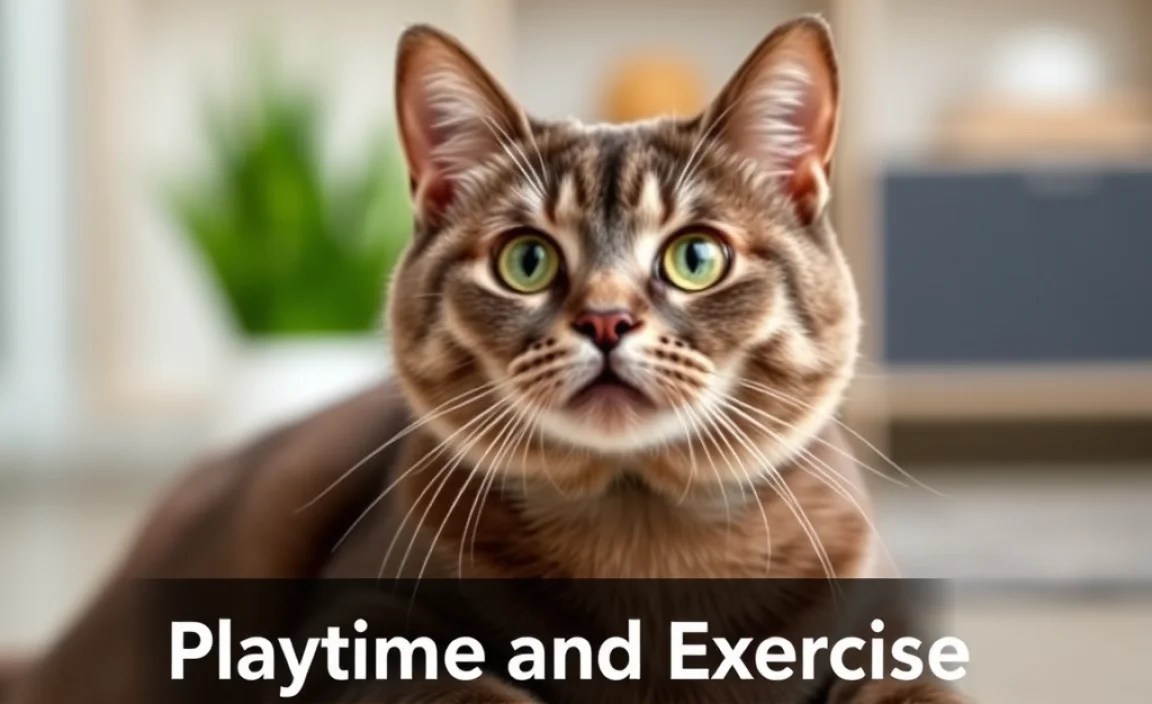
Regular playtime and exercise are crucial for keeping your British Shorthair physically and mentally healthy. These cats are prone to weight gain, so it’s important to encourage them to be active. Here are some tips to make playtime fun and effective:
Schedule Regular Play Sessions
Aim for at least 15-20 minutes of playtime each day. This could be divided into shorter sessions throughout the day. Use interactive toys to engage your cat’s natural hunting instincts. Rotate toys regularly to keep them interested and prevent boredom.
Use Interactive Toys
Interactive toys are a great way to keep your cat entertained and mentally stimulated. These toys require your cat to think and problem-solve, which can help prevent boredom and behavioral issues. Puzzle feeders, treat balls, and laser pointers are all great options.
Encourage Climbing and Jumping
Cats love to climb and jump, so providing them with opportunities to do so can help them stay active and healthy. Cat trees, shelves, and window perches are all great ways to encourage climbing and jumping. Make sure these structures are sturdy and safe for your cat to use.
Train with Treats
Training your cat with treats can be a fun and rewarding way to bond and provide mental stimulation. Teach them simple commands like “sit,” “stay,” and “come.” Use positive reinforcement and reward them with treats when they perform the desired behavior. Keep training sessions short and fun to keep your cat engaged.
Grooming and Health

Regular grooming and health care are essential for keeping your British Shorthair happy and healthy. These cats have a thick coat that requires regular grooming to prevent matting and hairballs. Here are some tips to keep your cat looking and feeling its best:
Brush Regularly
Brush your British Shorthair at least 2-3 times a week to remove loose hair and prevent matting. Use a soft-bristled brush or a grooming glove to gently brush their coat. Pay special attention to areas that are prone to matting, such as the belly and behind the ears. Regular brushing also helps reduce hairballs.
Trim Their Nails
Trim your cat’s nails every 2-3 weeks to prevent them from becoming too long and sharp. Use cat-specific nail clippers and be careful not to cut too close to the quick, which can cause pain and bleeding. If you’re not comfortable trimming your cat’s nails yourself, ask your veterinarian or a professional groomer for assistance.
Clean Their Ears
Check your cat’s ears regularly for signs of dirt, wax, or infection. Clean their ears with a soft, damp cloth or cotton ball. Avoid using cotton swabs, as they can push debris further into the ear canal. If you notice any signs of infection, such as redness, swelling, or discharge, consult your veterinarian.
Dental Care
Dental health is important for your cat’s overall well-being. Brush your cat’s teeth regularly with a cat-specific toothbrush and toothpaste. You can also provide dental treats or chews to help keep their teeth clean. Regular dental check-ups with your veterinarian are also important.
Regular Vet Check-ups
Take your British Shorthair to the veterinarian for regular check-ups and vaccinations. Early detection of health problems can help prevent them from becoming more serious. Your veterinarian can also provide advice on diet, exercise, and other aspects of your cat’s care.
Nutrition and Diet

A balanced diet is essential for your British Shorthair’s health and well-being. These cats are prone to weight gain, so it’s important to monitor their food intake and choose a high-quality cat food. Here are some tips to ensure your cat is getting the nutrition they need:
Choose a High-Quality Cat Food
Select a cat food that is specifically formulated for British Shorthairs or indoor cats. Look for a food that is high in protein and low in carbohydrates. Avoid foods that contain artificial colors, flavors, or preservatives. Consult your veterinarian for recommendations on the best food for your cat.
Control Portion Sizes
British Shorthairs are prone to weight gain, so it’s important to control their portion sizes. Follow the feeding guidelines on the cat food label and adjust as needed based on your cat’s weight and activity level. Avoid free-feeding, as this can lead to overeating. Measure out their food and feed them at specific times each day.
Provide Fresh Water
Always provide your cat with access to fresh, clean water. Cats can become dehydrated easily, so it’s important to encourage them to drink regularly. Place water bowls in multiple locations around your home and clean them daily. You can also try using a cat water fountain to encourage your cat to drink more.
Avoid Table Scraps
Avoid feeding your cat table scraps, as they can be high in calories and unhealthy ingredients. Some human foods can also be toxic to cats, such as chocolate, onions, and garlic. Stick to feeding your cat a balanced cat food and occasional healthy treats.
Consider Wet Food
Wet food can be a good addition to your cat’s diet, as it provides extra moisture and can help prevent dehydration. It can also be more palatable for picky eaters. Choose a high-quality wet food that is low in carbohydrates and high in protein. You can feed your cat wet food as a supplement to their dry food or as a complete meal.
Addressing Behavioral Issues
Even the happiest cats can sometimes exhibit behavioral issues. Understanding the underlying causes of these issues and addressing them appropriately can help improve your cat’s well-being. Here are some common behavioral issues in British Shorthairs and how to address them:
Scratching
Scratching is a natural behavior for cats, but it can be destructive if they scratch furniture or other inappropriate surfaces. Provide your cat with plenty of scratching posts and encourage them to use them by placing them in areas where they like to scratch. You can also try using catnip or scratching sprays to attract them to the posts. Protect your furniture by covering it with scratching pads or using deterrent sprays.
Biting and Hissing
Biting and hissing can be signs of fear, aggression, or pain. If your cat is biting or hissing, try to identify the underlying cause and address it. Avoid punishing your cat, as this can make the problem worse. Instead, try to redirect their behavior by providing them with a safe space or distracting them with a toy. If the behavior persists, consult your veterinarian or a professional cat behaviorist.
Litter Box Issues
Litter box issues, such as urinating or defecating outside the litter box, can be caused by a variety of factors, including medical problems, stress, or an aversion to the litter box. Rule out any medical problems by taking your cat to the veterinarian. Make sure the litter box is clean and easily accessible. Try using a different type of litter or moving the litter box to a different location. If the problem persists, consult your veterinarian or a professional cat behaviorist.
Excessive Meowing
Excessive meowing can be a sign of boredom, loneliness, or medical problems. Make sure your cat has plenty of toys and attention. Provide them with a safe space where they can retreat when they feel overwhelmed. If the meowing is sudden or excessive, consult your veterinarian to rule out any medical problems.
Furniture Damage
| Cause | Solution |
|—|—|
| Scratching | Provide scratching posts, use deterrent sprays |
| Chewing | Offer appropriate chew toys, remove hazards |
| Climbing | Provide cat trees and shelves |
| Spraying | Clean soiled areas, neuter/spay your cat |
The Power of Love and Affection
While all the tips above are important, nothing is more crucial than providing your British Shorthair with plenty of love and affection. These cats are known for their affectionate nature and thrive on human interaction. Here are some ways to show your cat you care:
Spend Quality Time Together
Make time each day to spend quality time with your cat. This could involve petting, cuddling, playing, or simply sitting near them while you read or watch TV. Pay attention to your cat’s body language and respect their need for space when they want it.
Talk to Your Cat
Talking to your cat can help strengthen the bond between you. Use a gentle, soothing voice and tell them how much you love them. Cats are very perceptive and can pick up on your emotions, even if they don’t understand the words you’re saying.
Groom Them Regularly
Grooming is not only important for your cat’s physical health, but it can also be a bonding experience. Use a soft-bristled brush or a grooming glove to gently brush their coat. Pay attention to areas that they enjoy being touched, such as the head and neck. Grooming can also help you detect any signs of health problems, such as lumps or skin irritations.
Respect Their Boundaries
While British Shorthairs are affectionate cats, they also appreciate their independence. Respect their boundaries and avoid forcing them to interact with you if they don’t want to. Pay attention to their body language and give them space when they need it. Forcing interaction can cause stress and anxiety, which can negatively impact their well-being.
FAQ About British Shorthair Happiness
Here are some frequently asked questions to further help you ensure your British Shorthair is happy and healthy:
Q: How do I know if my British Shorthair is happy?
A: Happy British Shorthairs often display relaxed body language, such as purring, kneading, slow blinking, and a relaxed posture. They also engage in playful activities and have a healthy appetite.
Q: How much playtime does a British Shorthair need?
A: Aim for at least 15-20 minutes of playtime each day, divided into shorter sessions. This helps keep them physically and mentally stimulated.
Q: What are some signs of stress in British Shorthairs?
A: Signs of stress include hiding, excessive grooming, changes in appetite, litter box issues, and increased vocalization.
Q: How often should I groom my British Shorthair?
A: Brush your British Shorthair 2-3 times a week to prevent matting and reduce hairballs.
Q: What kind of toys do British Shorthairs enjoy?
A: British Shorthairs enjoy interactive toys, chaser toys, puzzle feeders, and soft, plush toys for comfort.
Q: How can I prevent my British Shorthair from becoming overweight?
A: Control portion sizes, choose a high-quality cat food, provide regular exercise, and avoid feeding table scraps.
Q: Is it okay to leave my British Shorthair alone for long periods?
A: British Shorthairs are relatively independent but still need companionship. Avoid leaving them alone for extended periods and provide plenty of toys and enrichment to keep them entertained.
Conclusion
Ensuring your British Shorthair’s happiness involves understanding their unique needs and creating an environment where they can thrive. By providing plenty of playtime, a safe and comfortable space, regular grooming, and a balanced diet, you can significantly improve their well-being. Remember, every cat is an individual, so pay attention to your cat’s specific preferences and adjust your care accordingly.
With a little effort and a lot of love, you can create a purr-fectly content life for your British Shorthair, filled with joy, comfort, and endless cuddles. After all, a happy cat makes for a happy home!


