
How to Create a Happy Home for a British Shorthair: Easy Guide (54 characters) – Simple, direct, and the word “Easy” acts as a power word.

Creating a happy home for a British Shorthair involves understanding their calm, affectionate nature and providing an environment that caters to their specific needs. This includes offering a balanced diet, regular grooming, plenty of playtime, and a safe, comfortable space where they can relax and thrive. A little attention goes a long way in keeping your British Shorthair content!
Bringing a British Shorthair into your home is like welcoming a little plush bear – a quiet, dignified companion who loves affection but also values their independence. These cats are known for their gentle nature and round, teddy-bear-like appearance, making them wonderful family pets. But like all cats, they have specific needs to thrive.
Are you wondering how to best set up your home for your new British Shorthair? Maybe you’re curious about what toys they love or how to manage their grooming needs? Don’t worry! I’m Frances O’Brien, and I’ve spent years helping owners just like you. Together, we’ll explore how to create the purr-fect environment for your British Shorthair, ensuring a happy, healthy, and harmonious life together. Let’s get started!
Understanding the British Shorthair Personality

Before diving into the specifics of creating a happy home, it’s essential to understand the unique personality of the British Shorthair. These cats are known for their:
- Calm and Gentle Nature: They are typically relaxed and not overly demanding.
- Affectionate but Independent: They enjoy human company but are also content spending time alone.
- Playful yet Dignified: They appreciate interactive play but aren’t usually hyperactive.
- Adaptable: They adjust well to various living situations, making them great for apartments or houses.
Knowing these traits will help you tailor your home and care routine to suit your British Shorthair’s needs perfectly.
Step-by-Step Guide to a Happy Home

Let’s break down the process of creating a happy home for your British Shorthair into manageable steps:
Step 1: Setting Up the Essentials
Every cat needs the basics to feel secure and comfortable. Here’s what your British Shorthair will require:
- Food and Water Bowls: Choose ceramic or stainless steel bowls, as they are easy to clean and hygienic. Position them away from their litter box.
- High-Quality Food: British Shorthairs can be prone to weight gain, so it’s crucial to feed them a balanced, high-quality diet. Look for food with a good source of protein and controlled calories. Consult your vet for the best options.
- Litter Box: Provide at least one litter box per cat, plus one extra. Keep it in a quiet, accessible location away from their food and water.
- Comfortable Bed: British Shorthairs love a cozy place to nap. Offer a soft, plush bed in a warm, draft-free area.
Step 2: Creating a Safe and Secure Environment
Cats need to feel safe in their surroundings. Here’s how to ensure your home is a secure haven for your British Shorthair:
- Cat-Proofing: Remove any hazards such as toxic plants, cleaning supplies, and loose electrical cords. The ASPCA has a comprehensive list of toxic and non-toxic plants.
- Scratching Posts: Provide multiple scratching posts to satisfy their natural scratching instincts and protect your furniture. Sisal or cardboard scratching posts are usually a hit.
- Safe Hiding Spots: Cats feel safer when they have places to retreat. Offer cardboard boxes, cat tunnels, or covered beds where they can hide.
- Vertical Space: Cats love to climb and observe from above. Install cat trees or shelves to provide vertical territory.
Step 3: Providing Engaging Playtime
British Shorthairs are playful cats who need regular exercise and mental stimulation. Here’s how to keep them entertained:
- Interactive Toys: Engage them with wand toys, laser pointers, and puzzle feeders. Rotate toys regularly to keep them interested.
- Regular Play Sessions: Schedule daily play sessions to provide physical and mental exercise. Aim for at least 15-20 minutes of interactive play each day.
- Solo Toys: Offer toys they can play with independently, such as plush mice, balls, and crinkle toys.
Step 4: Grooming Your British Shorthair
British Shorthairs have a dense, plush coat that requires regular grooming to prevent matting and hairballs. Here’s a grooming routine to follow:
- Brushing: Brush them 2-3 times a week to remove loose hair and prevent mats. During shedding season (spring and fall), increase brushing to daily. A stainless steel comb or slicker brush works well.
- Nail Trimming: Trim their nails every 2-3 weeks to prevent them from becoming overgrown. Use cat nail clippers and be careful not to cut the quick.
- Ear Cleaning: Check their ears regularly for wax buildup or signs of infection. Clean them with a vet-approved ear cleaner if necessary.
Step 5: Maintaining a Healthy Diet
A balanced diet is crucial for the overall health and well-being of your British Shorthair. Here’s what to consider:
- High-Quality Cat Food: Choose a food that is specifically formulated for cats and contains a high percentage of animal protein. Check the ingredient list to ensure meat is listed as the primary ingredient.
- Portion Control: British Shorthairs are prone to weight gain, so it’s important to control their portions. Follow the feeding guidelines on the food packaging and adjust as needed based on your cat’s weight and activity level.
- Fresh Water: Always provide fresh, clean water. Consider a cat fountain to encourage drinking, as some cats prefer running water.
Step 6: Socialization and Interaction
British Shorthairs enjoy human interaction but are not overly demanding. Here’s how to provide them with the right amount of socialization:
- Gentle Handling: Get them used to being handled from a young age. Gently pet, cuddle, and groom them regularly.
- Quiet Time: Respect their need for alone time. Provide them with a quiet space where they can retreat when they need a break.
- Positive Reinforcement: Use positive reinforcement techniques, such as treats and praise, to encourage good behavior.
Step 7: Monitoring Health and Wellness
Regular vet check-ups are essential for maintaining your British Shorthair’s health. Here’s what to keep in mind:
- Annual Vet Visits: Schedule annual check-ups with your veterinarian to ensure they are healthy and up-to-date on vaccinations.
- Dental Care: Brush their teeth regularly to prevent dental disease. Consider dental treats or chews to help keep their teeth clean.
- Parasite Control: Use preventative medications to protect them from fleas, ticks, and worms. Consult your veterinarian for the best options.
Essential Items for a Happy British Shorthair

Here’s a quick checklist of essential items to help you create a happy home for your British Shorthair:
- Food and water bowls
- High-quality cat food
- Litter box and litter
- Comfortable bed
- Scratching post
- Cat toys
- Grooming brush
- Nail clippers
- Cat carrier
Troubleshooting Common Issues
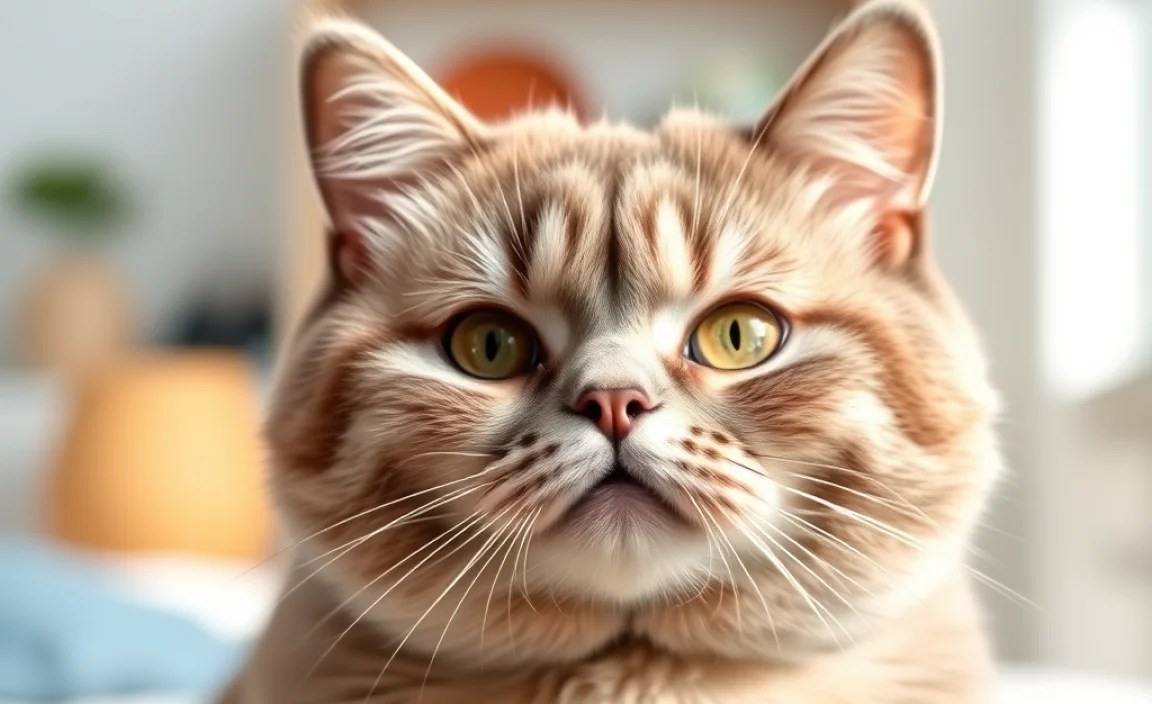
Even with the best preparation, you may encounter some common issues with your British Shorthair. Here are some tips to address them:
Scratching Furniture
If your British Shorthair is scratching furniture, try these solutions:
- Provide more scratching posts: Place them near the furniture they are scratching.
- Make furniture less appealing: Use deterrent sprays or cover furniture with plastic or foil.
- Trim their nails regularly: This can minimize damage from scratching.
Overeating and Weight Gain
British Shorthairs are prone to weight gain. Here’s how to manage their weight:
- Measure food portions: Follow the feeding guidelines on the food packaging and adjust as needed.
- Limit treats: Offer treats sparingly and choose healthy options.
- Increase activity: Engage them in regular play sessions to burn calories.
Hairballs
Due to their dense coat, British Shorthairs can be prone to hairballs. Here’s how to prevent them:
- Brush regularly: This removes loose hair before they can ingest it.
- Offer hairball control food: These foods contain ingredients that help reduce hairball formation.
- Use a hairball remedy: These products help lubricate the digestive tract and ease the passage of hairballs.
The Importance of Play

Play is a crucial aspect of a British Shorthair’s life. It not only provides physical exercise but also mental stimulation, which is essential for their overall well-being. Here’s a closer look at why play is so important:
Physical Exercise
Play helps British Shorthairs maintain a healthy weight and stay in shape. It also helps prevent boredom and destructive behaviors.
Mental Stimulation
Interactive play engages their minds and prevents cognitive decline. Puzzle toys and training games are great for challenging their intellect.
Bonding
Playtime is a great way to bond with your British Shorthair and strengthen your relationship. It also helps them feel loved and secure.
Choosing the Right Toys
Not all toys are created equal. Here are some of the best types of toys for British Shorthairs:
- Wand Toys: These toys mimic the movement of prey and encourage chasing and pouncing.
- Puzzle Feeders: These toys require cats to solve a puzzle to get a treat, providing mental stimulation.
- Plush Mice: These toys are great for batting around and carrying.
- Laser Pointers: These toys provide a fun and engaging chase, but be sure to end the session with a physical toy to “catch.”
British Shorthair Health Considerations
British Shorthairs are generally healthy cats, but they are prone to certain health conditions. Being aware of these potential issues can help you provide the best care for your feline friend.
Hypertrophic Cardiomyopathy (HCM)
HCM is a common heart condition in cats, including British Shorthairs. It causes thickening of the heart muscle, which can lead to heart failure. Regular vet check-ups and screening can help detect this condition early.
Polycystic Kidney Disease (PKD)
PKD is a genetic condition that causes cysts to form on the kidneys. These cysts can eventually lead to kidney failure. Genetic testing can help identify cats that are at risk.
Obesity
British Shorthairs are prone to weight gain, which can lead to a variety of health problems, including diabetes, arthritis, and heart disease. Portion control and regular exercise are essential for preventing obesity.
Dental Disease
Dental disease is common in cats and can lead to pain, infection, and tooth loss. Regular dental cleanings and home dental care can help prevent dental problems.
Creating a Multi-Cat Household
If you’re considering adding a British Shorthair to a household with existing cats, here are some tips to ensure a smooth transition:
- Introduce Gradually: Keep the new cat separate from the existing cats for the first few days. Allow them to sniff each other under the door.
- Scent Swapping: Rub a cloth on each cat and then swap the cloths. This helps them get used to each other’s scent.
- Supervised Introductions: Gradually allow the cats to interact under supervision. Keep the interactions short and positive.
- Provide Enough Resources: Make sure there are enough food bowls, water bowls, litter boxes, and beds for all the cats.
- Vertical Space: Provide plenty of vertical space, such as cat trees and shelves, to allow the cats to establish their own territory.
British Shorthair: Breed-Specific Table
| Characteristic | Description |
|---|---|
| Size | Medium to Large |
| Weight | 9-17 pounds |
| Coat Length | Short, dense, and plush |
| Color Variations | Blue, white, black, cream, tabby, and more |
| Life Expectancy | 12-17 years |
| Temperament | Calm, affectionate, and independent |
| Grooming Needs | Moderate (2-3 times a week brushing) |
British Shorthair Lifespan and Care Needs Table
| Life Stage | Approximate Age | Key Care Needs |
|---|---|---|
| Kitten | 0-1 year | Vaccinations, socialization, high-quality kitten food, regular play |
| Adult | 1-7 years | Annual vet check-ups, balanced diet, regular grooming, interactive play |
| Senior | 7+ years | More frequent vet check-ups, senior-specific diet, joint support, gentle exercise |
Frequently Asked Questions (FAQ)
What is the best food for a British Shorthair?
The best food is a high-quality cat food with a good source of animal protein as the main ingredient. Look for foods specifically formulated for cats and avoid those with excessive fillers or artificial additives. Consult with your vet for personalized recommendations.
How often should I groom my British Shorthair?
Brush your British Shorthair 2-3 times a week to remove loose hair and prevent mats. During shedding season, increase brushing to daily. Regular nail trimming is also important, every 2-3 weeks.
Are British Shorthairs good with children?
Yes, British Shorthairs are generally good with children. They are known for their calm and gentle nature, making them tolerant of children. However, it’s important to teach children how to handle cats gently and respectfully.
Do British Shorthairs need a lot of attention?
British Shorthairs enjoy human interaction but are not overly demanding. They are content spending time alone but also appreciate cuddles and playtime. Provide them with regular attention but respect their need for quiet time.
How can I prevent my British Shorthair from scratching furniture?
Provide multiple scratching posts in different locations, especially near the furniture they are scratching. Make the furniture less appealing by using deterrent sprays or covering it with plastic or foil. Trim their nails regularly to minimize damage.
What are some common health problems in British Shorthairs?
Common health problems include hypertrophic cardiomyopathy (HCM), polycystic kidney disease (PKD), obesity, and dental disease. Regular vet check-ups and preventative care can help manage these conditions.
How much playtime does a British Shorthair need?
Aim for at least 15-20 minutes of interactive play each day. Use wand toys, laser pointers, and puzzle feeders to keep them entertained and mentally stimulated.
Conclusion
Creating a happy home for your British Shorthair involves understanding their unique personality and providing an environment that caters to their needs. By following these steps, you can ensure your British Shorthair thrives in your home. Remember to provide them with a safe and secure environment, engaging playtime, regular grooming, a healthy diet, and plenty of love and attention. With a little effort, you’ll have a happy, healthy, and well-adjusted companion for many years to come. As your trusted guide, I’m here to help you every step of the way!


