
British Shorthair Grooming for Coat Polish: Secret?

Quick Summary: Grooming your British Shorthair for a polished coat involves regular brushing (2-3 times a week, daily during shedding season) with a slicker brush and metal comb to remove loose fur and prevent mats. Occasional baths (every 1-3 months) with a cat-specific shampoo help maintain shine. A balanced diet rich in omega fatty acids contributes to a healthy, glossy coat. Proper grooming not only enhances their appearance but also strengthens your bond!
Is your British Shorthair’s coat looking a bit dull? Do you dream of a luxuriously soft and gleaming fur that reflects their inner royalty? You’re not alone! Many British Shorthair owners find maintaining that plush, polished coat a bit of a challenge. But don’t worry, achieving that gorgeous shine is easier than you think. With the right techniques and a little patience, you can transform your feline friend into a true showstopper.
In this guide, I’ll walk you through the essential steps to groom your British Shorthair for a truly stunning coat. We’ll cover everything from the best brushing techniques to the secrets of a healthy diet. Get ready to unlock the secrets to a coat that’s not only beautiful but also a sign of your cat’s overall well-being!
Understanding Your British Shorthair’s Coat

Before we dive into the grooming techniques, let’s understand what makes your British Shorthair’s coat so special. Their fur is dense, plush, and often described as “crisp.” This unique texture requires specific care to keep it looking its best. Unlike some breeds, British Shorthairs have a double coat, meaning they have a dense undercoat and a slightly longer outer coat. This double layer provides insulation and protection but also means they can shed quite a bit, especially during seasonal changes. Regular grooming is crucial to manage shedding and prevent matting.
The Importance of Regular Grooming
Regular grooming isn’t just about aesthetics; it’s vital for your British Shorthair’s health and well-being. Here’s why:
- Reduces Shedding: Brushing removes loose fur, preventing it from ending up on your furniture and clothing.
- Prevents Mats and Tangles: Regular brushing stops knots from forming, which can be painful and difficult to remove.
- Stimulates Circulation: Brushing improves blood flow to the skin, promoting a healthy coat.
- Early Health Check: Grooming sessions provide an opportunity to check for any skin issues, lumps, or parasites.
- Strengthens the Bond: Grooming can be a bonding experience, creating a sense of trust and comfort between you and your cat.
Essential Grooming Tools

Having the right tools makes all the difference in achieving a polished coat. Here’s a list of must-have grooming tools for your British Shorthair:
- Slicker Brush: This brush has fine, angled bristles that effectively remove loose fur and prevent mats. Look for one with coated tips to be gentle on your cat’s skin.
- Metal Comb: A metal comb with both wide and narrow teeth helps to detangle fur and remove any remaining loose hairs after brushing.
- Rubber Grooming Brush: These are great for gentle massage and removing loose fur, especially during shedding season.
- Cat Shampoo: Choose a shampoo specifically formulated for cats. Avoid human shampoos, as they can be too harsh and dry out your cat’s skin.
- Nail Clippers: Regular nail trimming prevents overgrowth and damage to furniture.
- Soft Towel: A soft, absorbent towel for drying your cat after a bath.
Step-by-Step Grooming Guide for a Polished Coat
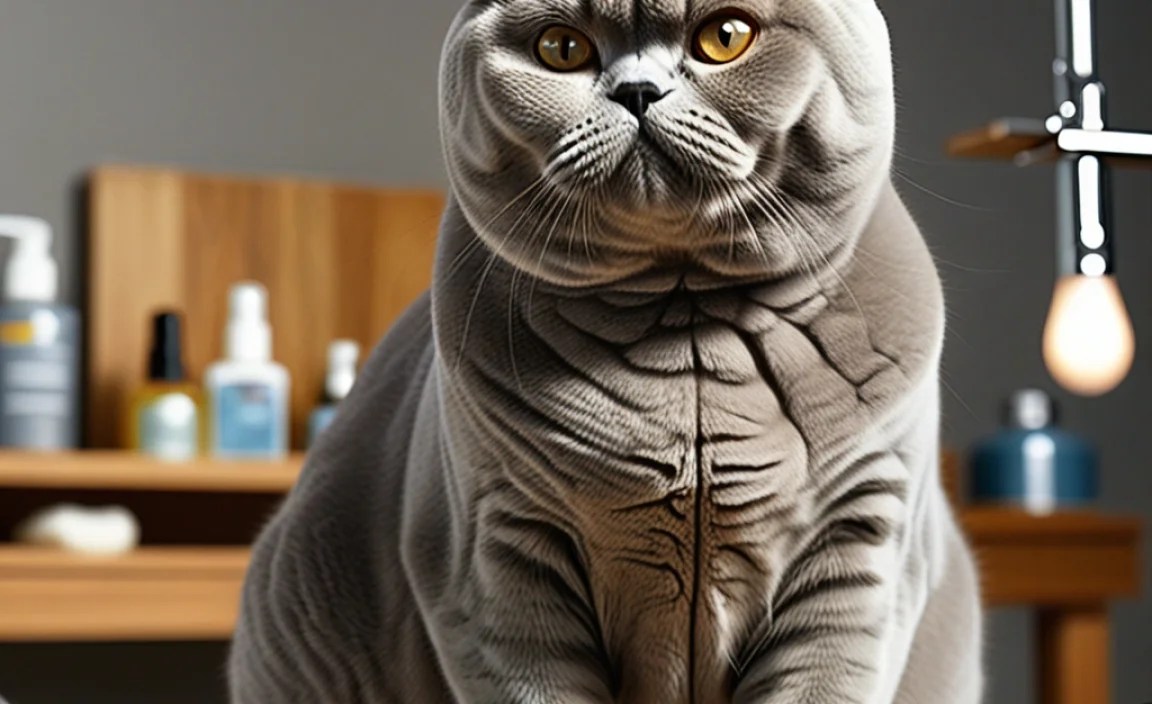
Now, let’s get into the nitty-gritty of grooming your British Shorthair. Follow these steps for a truly polished coat:
Step 1: Brushing
Brushing is the cornerstone of British Shorthair grooming. Aim to brush your cat 2-3 times a week, and daily during shedding season.
- Start with the Slicker Brush: Gently brush your cat’s coat in the direction of hair growth. Pay attention to areas prone to matting, such as behind the ears, under the legs, and around the tail.
- Use the Metal Comb: After brushing with the slicker brush, use the metal comb to remove any remaining loose fur and detangle any small knots.
- Be Gentle: Always be gentle and avoid pulling on your cat’s fur. If you encounter a mat, try to gently tease it apart with your fingers or a detangling spray.
- Make it a Positive Experience: Reward your cat with treats and praise during and after brushing to create a positive association.
Step 2: Bathing (When Necessary)
British Shorthairs don’t require frequent baths. Over-bathing can strip their coat of natural oils, leading to dryness and irritation. Aim to bathe your cat every 1-3 months, or when they are visibly dirty or smelly.
- Prepare the Bath: Fill a sink or tub with lukewarm water. Have your cat shampoo, a soft towel, and a cup for rinsing ready.
- Wet Your Cat: Gently wet your cat’s coat with the cup or a handheld showerhead. Avoid getting water in their eyes and ears.
- Apply Shampoo: Apply a small amount of cat shampoo to your hands and massage it into your cat’s coat, avoiding the face.
- Rinse Thoroughly: Rinse your cat’s coat thoroughly with lukewarm water until all shampoo is removed.
- Dry Your Cat: Gently squeeze excess water from your cat’s coat and wrap them in a soft towel. Pat them dry, and if they tolerate it, use a low-heat hairdryer to finish drying.
Step 3: Nail Trimming
Regular nail trimming is essential to prevent overgrowth and potential injuries. Trim your cat’s nails every 2-3 weeks.
- Get Your Cat Comfortable: Gently handle your cat’s paws regularly to get them used to being touched.
- Use Cat Nail Clippers: Use clippers specifically designed for cats. Avoid using human nail clippers, as they can crush the nail.
- Trim the Tips: Only trim the tips of the nails, avoiding the quick (the pink part of the nail that contains blood vessels and nerves).
- Reward Your Cat: Give your cat treats and praise after trimming their nails to make it a positive experience.
Step 4: Ear Cleaning
Check your cat’s ears regularly for wax buildup or signs of infection. Clean their ears as needed, usually every 1-2 weeks.
- Use a Cat Ear Cleaner: Use a cat-specific ear cleaner recommended by your veterinarian.
- Apply the Solution: Gently fill your cat’s ear canal with the ear cleaner.
- Massage the Base of the Ear: Massage the base of the ear for about 30 seconds to loosen any debris.
- Wipe Clean: Use a cotton ball or gauze pad to wipe away any discharge or debris. Never use cotton swabs, as they can push debris further into the ear canal.
The Role of Diet in Coat Health
A healthy diet is crucial for maintaining a shiny, polished coat. Here’s what to keep in mind:
- High-Quality Cat Food: Choose a cat food that is high in protein and contains essential fatty acids. Look for brands that list meat as the first ingredient and avoid those with excessive fillers.
- Omega-3 and Omega-6 Fatty Acids: These fatty acids are essential for healthy skin and coat. You can supplement your cat’s diet with fish oil or flaxseed oil.
- Hydration: Make sure your cat has access to fresh, clean water at all times. Dehydration can lead to dry, brittle fur.
- Avoid Food Allergies: Food allergies can cause skin irritation and a dull coat. If you suspect your cat has a food allergy, consult with your veterinarian.
Dealing with Common Coat Problems
Even with the best grooming practices, you may encounter some common coat problems. Here’s how to address them:
Mats and Tangles
Mats and tangles are common in British Shorthairs, especially in areas like behind the ears and under the legs. Regular brushing is the best way to prevent them. If you find a mat, try to gently tease it apart with your fingers or a detangling spray. If the mat is too large or difficult to remove, consult with a professional groomer.
Excessive Shedding
British Shorthairs are known to shed, especially during seasonal changes. Daily brushing during shedding season can help manage the amount of fur around your home. You can also use a deshedding tool to remove loose fur from your cat’s coat.
Dull Coat
A dull coat can be a sign of poor diet, dehydration, or underlying health issues. Make sure your cat is eating a high-quality diet, drinking plenty of water, and consult with your veterinarian if the problem persists.
Skin Issues
Skin issues like dryness, itchiness, or redness can affect the appearance of your cat’s coat. These issues can be caused by allergies, parasites, or infections. Consult with your veterinarian for diagnosis and treatment.
Advanced Grooming Techniques
For those who want to take their British Shorthair’s grooming to the next level, here are some advanced techniques:
Using a Blow Dryer
A blow dryer can help to fluff up your cat’s coat and give it a polished look. Use a low-heat setting and keep the dryer moving to avoid overheating. Always supervise your cat closely and stop if they become stressed.
Coat Conditioners
Coat conditioners can add extra moisture and shine to your cat’s coat. Look for conditioners specifically formulated for cats and follow the instructions carefully.
Professional Grooming
If you’re not comfortable grooming your British Shorthair yourself, consider taking them to a professional groomer. A groomer can provide a thorough grooming session, including bathing, brushing, nail trimming, and ear cleaning.
British Shorthair Grooming: Dos and Don’ts
Here’s a quick reference table to help you keep your cat’s coat in top condition:
| Do | Don’t |
|---|---|
| Brush regularly (2-3 times a week). | Use human shampoo. |
| Use cat-specific grooming tools. | Over-bathe your cat. |
| Provide a high-quality diet. | Pull on mats or tangles. |
| Trim nails regularly. | Use cotton swabs in the ears. |
| Check for skin issues during grooming. | Ignore signs of discomfort or stress. |
British Shorthair Grooming Schedule
Here’s a sample grooming schedule to keep your British Shorthair looking their best:
| Task | Frequency |
|---|---|
| Brushing | 2-3 times per week (daily during shedding season) |
| Bathing | Every 1-3 months (or as needed) |
| Nail Trimming | Every 2-3 weeks |
| Ear Cleaning | Every 1-2 weeks (or as needed) |
Tips for a Stress-Free Grooming Experience
Grooming can be stressful for some cats, but there are things you can do to make it a more positive experience:
- Start Early: Introduce grooming to your cat when they are a kitten to get them used to being handled.
- Be Gentle: Always be gentle and avoid pulling on your cat’s fur.
- Keep Sessions Short: Start with short grooming sessions and gradually increase the duration as your cat becomes more comfortable.
- Use Positive Reinforcement: Reward your cat with treats and praise during and after grooming.
- Create a Calm Environment: Choose a quiet, comfortable location for grooming.
- Know Your Cat’s Limits: If your cat becomes stressed or agitated, stop the grooming session and try again later.
FAQ About British Shorthair Grooming
Here are some frequently asked questions about grooming your British Shorthair:
- How often should I brush my British Shorthair?
- You should brush your British Shorthair 2-3 times a week, and daily during shedding season, to prevent mats and remove loose fur.
- Do British Shorthairs need baths?
- British Shorthairs don’t need frequent baths. Bathe them every 1-3 months, or when they are visibly dirty or smelly, using a cat-specific shampoo.
- What kind of brush is best for a British Shorthair?
- A slicker brush and a metal comb are the best tools for grooming a British Shorthair. The slicker brush removes loose fur, while the metal comb detangles knots.
- How can I prevent mats in my British Shorthair’s coat?
- Regular brushing is the best way to prevent mats. Pay attention to areas prone to matting, such as behind the ears and under the legs.
- What should I do if my British Shorthair hates being groomed?
- Start slowly, use positive reinforcement, and keep grooming sessions short. If your cat is very resistant, consult with a professional groomer.
- Can I use human shampoo on my British Shorthair?
- No, you should never use human shampoo on your British Shorthair. Human shampoos can be too harsh and dry out their skin. Always use a shampoo specifically formulated for cats.
- How do I know if my British Shorthair has a skin problem?
- Look for signs of redness, itchiness, dryness, or hair loss. If you notice any of these symptoms, consult with your veterinarian.
Conclusion
Grooming your British Shorthair for a polished coat is a labor of love that yields beautiful results. By following these simple steps and using the right tools, you can keep your feline friend looking and feeling their best. Remember, regular brushing, occasional baths, a healthy diet, and a gentle touch are the keys to unlocking that luxurious, gleaming coat. Grooming isn’t just about aesthetics; it’s an essential part of caring for your British Shorthair’s overall health and well-being, and it’s a wonderful way to strengthen the bond you share. So, grab your brush, shower your kitty with affection, and enjoy the journey to a more polished, purr-fect companion!


