
British Shorthair Training: Smart Tips for Owners

Have you ever seen a cat open a door? Or maybe do a trick like a dog? Some cats are very smart. They can learn many things. This is especially true for British Shorthairs. These cats are calm and clever. But even clever cats need some help to learn. That’s where British Shorthair training for experienced owners comes in.
Key Takeaways
- Positive reinforcement is key when you’re doing British Shorthair training for experienced owners.
- Use treats and praise to reward your British Shorthair’s good behavior.
- Clicker training can be a fun and effective method for teaching tricks.
- Keep training sessions short and fun to hold your cat’s attention.
- Be patient and understanding; every cat learns at their own pace.
Understanding British Shorthair Training for Experienced Owners
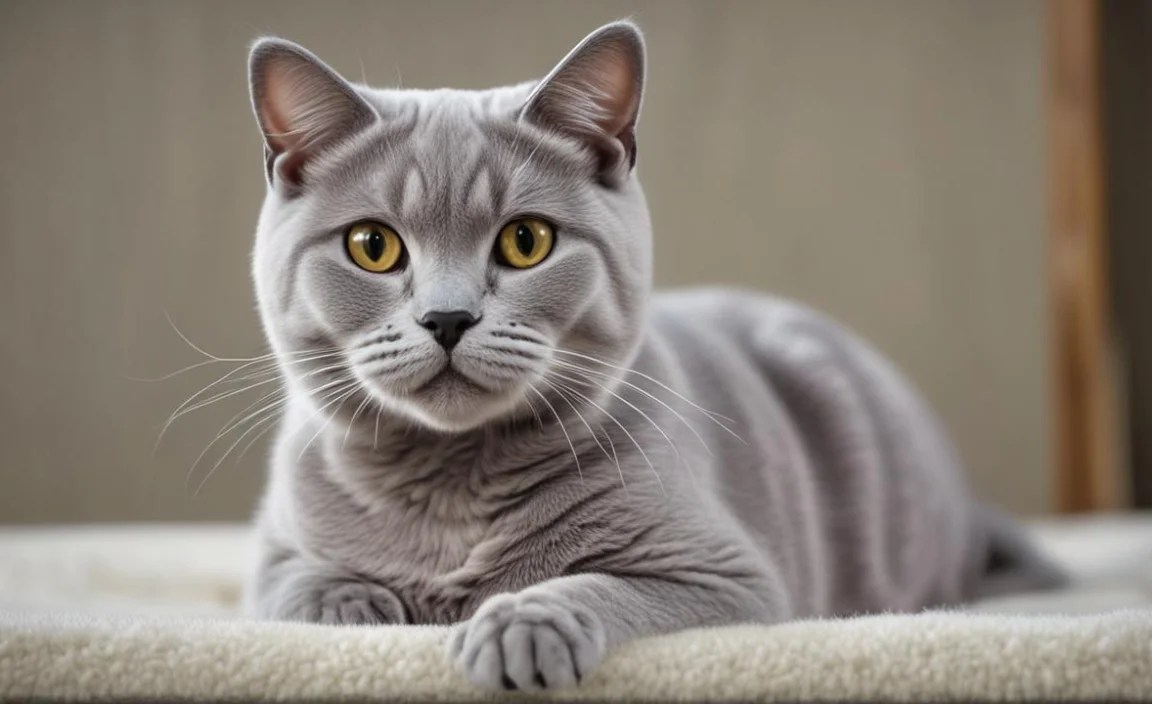
So, you’ve had cats before? Great! But British Shorthairs are a bit different. They are smart but also independent. This means training them needs a special touch. You can’t force them to do anything. Instead, you need to make training fun and rewarding. Think of it like a game. Use treats, toys, and lots of praise. This will help your cat want to learn. Understanding their personality is the first step. They are not like other cats. They need a gentle and patient approach. British Shorthair training for experienced owners focuses on building a strong bond. This bond makes training easier and more enjoyable for both of you. Are you ready to learn how to train your British Shorthair in the best way?
- British Shorthairs are smart but independent cats.
- Positive reinforcement works best with them.
- Keep training sessions short and sweet.
- Use high-value treats to motivate them.
- Be patient and understanding of their pace.
Remember, every cat is different. Some learn faster than others. Don’t get discouraged if your cat doesn’t learn right away. Just keep trying and be consistent. The key is to make training a positive experience. This will help your cat enjoy the process and learn more quickly. Also, create a quiet and safe space for training. This will help your cat focus and avoid distractions. With the right approach, you can successfully train your British Shorthair. You’ll both have fun while doing it. This is what British Shorthair training for experienced owners is all about.
Why Positive Reinforcement Matters
Have you ever tried to teach someone something when you were angry? It probably didn’t go well. Cats are the same way. They don’t respond well to yelling or punishment. Instead, focus on rewarding good behavior. When your cat does something right, give them a treat or praise. This will make them want to do it again. Positive reinforcement is the best way to train a British Shorthair. It builds trust and strengthens your bond. Training should be fun for both of you. If you’re getting frustrated, take a break. Come back later when you’re feeling more patient.
Setting Up a Training Space
Imagine trying to learn in a loud, busy room. It would be hard to focus, right? Cats need a quiet space too. Choose a room where your cat feels safe and comfortable. Remove any distractions, like toys or other pets. This will help your cat focus on you and the training. Make sure the space is big enough for your cat to move around. You might want to use a mat or blanket to define the training area. This helps your cat understand where they should be during the session. A good training space is key for success.
Understanding Your Cat’s Motivation
What does your cat love the most? Is it a certain treat? A favorite toy? Figuring this out is important for training. Use these things as rewards during your sessions. If your cat loves tuna, use small pieces as high-value treats. If they love playing with a feather wand, use it as a reward after they do a trick. Understanding what motivates your cat will make training much easier. It’s like having a secret weapon. You can use their favorite things to get them to do what you want. Knowing what motivates your cat is a big part of British Shorthair training for experienced owners.
Fun Fact or Stat: British Shorthairs are known for their calm and gentle nature, making them excellent companions for experienced cat owners.
Advanced Clicker Training Techniques
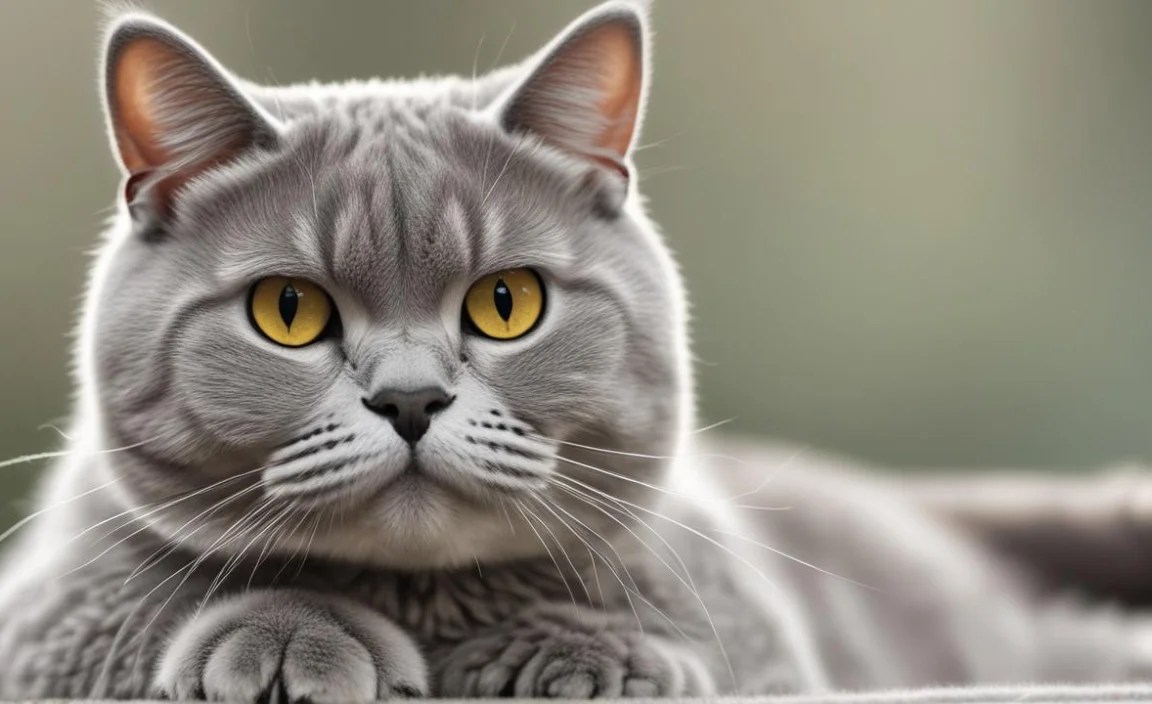
Clicker training is a great way to communicate with your British Shorthair. The clicker makes a distinct sound. Your cat will learn to associate this sound with a reward. This helps them understand what you want them to do. Start by clicking and giving a treat. Do this several times so they get the idea. Then, you can start using the clicker to mark specific behaviors. For example, if you want your cat to sit, click when they sit down. Then give them a treat. They will quickly learn that sitting equals a click and a treat. British Shorthair training for experienced owners often involves advanced clicker techniques. This is because these cats are smart and can learn complex tricks. Are you ready to take your clicker training to the next level?
- Start by associating the clicker with a reward.
- Use the clicker to mark specific behaviors.
- Be consistent with your clicks and rewards.
- Gradually increase the difficulty of the tricks.
- End each session on a positive note.
Clicker training can be used to teach all sorts of things. You can teach your cat to sit, stay, come, and even do tricks. The key is to break down each trick into small steps. Click and reward each step along the way. This makes it easier for your cat to learn. For example, if you want to teach your cat to jump through a hoop, start by holding the hoop low to the ground. Click and reward when your cat walks through it. Then, gradually raise the hoop higher and higher. Eventually, your cat will be jumping through the hoop with ease. This is a great example of how British Shorthair training for experienced owners can be fun and rewarding. It builds a strong bond between you and your cat.
Introducing the Clicker
The first step in clicker training is to introduce the clicker to your cat. Let them sniff it and get used to the sound. Then, click the clicker and immediately give your cat a treat. Repeat this several times. Your cat will quickly learn that the clicker sound means a reward is coming. This is called “charging” the clicker. Once your cat is charged, you can start using the clicker to mark specific behaviors. Remember to always click at the exact moment your cat does what you want them to do. This will help them understand what you are rewarding.
Shaping Behaviors with the Clicker
Shaping is a training technique where you reward small steps towards a desired behavior. For example, if you want to teach your cat to high-five, you would start by rewarding them for lifting their paw slightly. Then, you would reward them for lifting their paw higher. Eventually, you would only reward them when they actually touch your hand. This is a great way to teach complex tricks. It breaks down the trick into small, manageable steps. Shaping requires patience and consistency. But it can be very effective for British Shorthair training for experienced owners.
Fading the Clicker
Once your cat has learned a trick, you can start to fade the clicker. This means you don’t need to click every single time they do the trick. You can start to reward them with praise or a pat on the head instead. Eventually, you may not need to use the clicker at all. Your cat will know what you want them to do just by your verbal cue. Fading the clicker is important because you don’t want your cat to become dependent on it. You want them to perform the trick because they enjoy it and because they have a strong bond with you. This is the ultimate goal of British Shorthair training for experienced owners.
Fun Fact or Stat: Clicker training can help British Shorthairs learn tricks faster and more effectively than traditional training methods.
Addressing Common Training Challenges
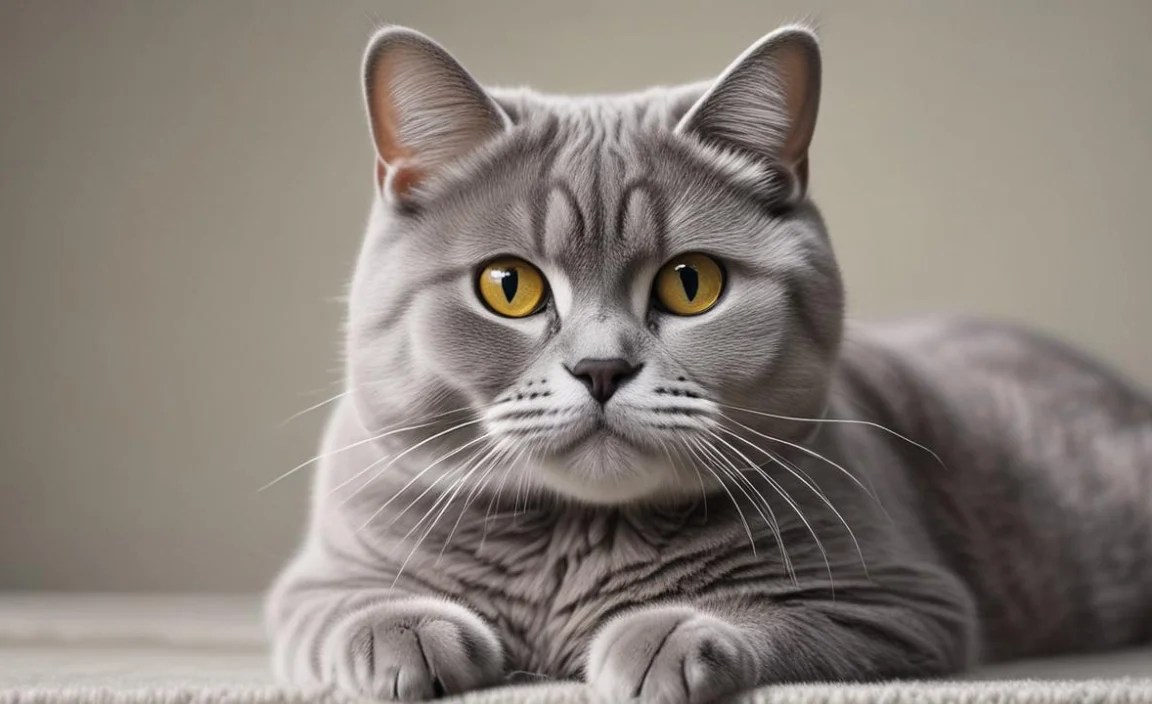
Even with the best training methods, you might face some challenges. Cats can be stubborn. They might not always want to do what you ask. It’s important to be patient and understanding. Don’t get frustrated or angry. This will only make things worse. If your cat is having trouble learning a trick, break it down into smaller steps. Make sure you are using high-value treats. And always end each session on a positive note. Remember, British Shorthair training for experienced owners is about building a strong bond. It’s not just about teaching tricks. What are the most common hurdles you may encounter during training?
- Stubbornness and lack of motivation.
- Distractibility and short attention spans.
- Fear and anxiety during training.
- Inconsistent performance of learned behaviors.
- Difficulty generalizing learned behaviors to new environments.
Another common challenge is distraction. Cats can easily get distracted by their surroundings. To minimize distractions, train in a quiet room. Remove any toys or other pets. Keep the training sessions short. A few minutes at a time is often best. If your cat is still getting distracted, try moving to a different location. You can also try using a pheromone diffuser. This can help calm your cat and reduce their anxiety. Remember, British Shorthair training for experienced owners requires patience. It’s about understanding your cat’s needs and working with them. With the right approach, you can overcome any challenge.
Dealing with Stubbornness
Some cats are just more stubborn than others. If your cat is being stubborn, don’t force them to do anything. This will only make them more resistant. Instead, try to find ways to motivate them. Use their favorite treats or toys. Make the training session fun and engaging. If your cat is still refusing to cooperate, take a break. Come back later when they are feeling more receptive. Remember, British Shorthair training for experienced owners is about building a positive relationship. It’s not about winning a power struggle.
Managing Distractions
Cats are easily distracted by their environment. To minimize distractions, choose a quiet training space. Remove any toys, other pets, or anything else that might catch your cat’s attention. You can also try using a white noise machine. This can help block out any distracting sounds. Keep the training sessions short and focused. A few minutes at a time is often best. If your cat is still getting distracted, try moving to a different location. A quiet, calm environment is key for successful British Shorthair training for experienced owners.
Adjusting Your Training Approach
If your training methods aren’t working, don’t be afraid to adjust your approach. Try using different treats or toys. Change the location of the training sessions. Break down the tricks into smaller steps. You can also try using a different training method altogether. For example, if clicker training isn’t working, try using lure training. Lure training involves using a treat or toy to guide your cat into the desired position. The most important thing is to be flexible and adaptable. British Shorthair training for experienced owners is about finding what works best for you and your cat.
Fun Fact or Stat: British Shorthairs can sometimes exhibit stubbornness during training, but with patience and positive reinforcement, they can overcome these challenges.
Teaching Advanced Tricks and Commands
Once your British Shorthair has mastered the basics, you can move on to more advanced tricks. These might include things like fetching, rolling over, or even playing dead. The key is to break down each trick into small, manageable steps. Use clicker training and positive reinforcement to reward your cat for each step along the way. Be patient and consistent. It may take time for your cat to learn these more complex tricks. But with persistence, you can teach them anything. British Shorthair training for experienced owners can be very rewarding. It’s a great way to bond with your cat and show off their intelligence. What fun and impressive tricks can you teach your British Shorthair?
| Trick | Description | Difficulty | Tips |
|---|---|---|---|
| Fetch | Bring a toy back to you. | Medium | Start with a soft toy. Use positive reinforcement. |
| Roll Over | Roll from one side to the other. | Medium | Lure with a treat. Be patient. |
| Play Dead | Lie down and pretend to be dead. | Hard | Start with a “down” command. Add the “dead” cue. |
| Jump Through Hoop | Jump through a hoop held in the air. | Hard | Start with the hoop on the ground. Gradually raise it. |
- Start with simple tricks and commands.
- Break down complex tricks into smaller steps.
- Use high-value treats for motivation.
- Be patient and consistent with your training.
- Celebrate your cat’s successes.
Remember, training should be fun for both you and your cat. If you’re getting frustrated, take a break. Come back later when you’re feeling more patient. The key is to make training a positive experience. This will help your cat enjoy the process and learn more quickly. Also, don’t be afraid to get creative. There are endless possibilities for tricks and commands you can teach your British Shorthair. The only limit is your imagination. With the right approach, British Shorthair training for experienced owners can be a fun and rewarding experience. It will strengthen your bond with your cat and showcase their amazing abilities.
Teaching Your Cat to Fetch
Fetching is a fun and interactive trick to teach your British Shorthair. Start by choosing a soft toy that your cat enjoys. Toss the toy a short distance and encourage your cat to go get it. When they bring the toy back to you, reward them with a treat and praise. Repeat this process several times. Gradually increase the distance you toss the toy. With patience and consistency, your cat will learn to fetch on command. This is a great way to provide exercise and mental stimulation for your British Shorthair. The joy of British Shorthair training for experienced owners is in these moments of shared activity.
Mastering the “Roll Over” Command
Teaching your cat to roll over can be a bit challenging. But it’s definitely achievable with the right approach. Start by having your cat lie down. Then, hold a treat near their nose and slowly move it towards their shoulder. As your cat follows the treat, they will naturally start to roll over. When they complete the roll, reward them with the treat and praise. Repeat this process several times. Eventually, your cat will learn to roll over on command. This is a fun and impressive trick to show off to your friends. It demonstrates the rewards of British Shorthair training for experienced owners.
Introducing Obstacle Courses
Obstacle courses are a great way to challenge your British Shorthair both physically and mentally. You can create a simple obstacle course using household items like boxes, tunnels, and chairs. Encourage your cat to navigate the course using treats and praise. Start with easy obstacles and gradually increase the difficulty. This is a fun and engaging activity that will keep your cat entertained for hours. It’s also a great way to strengthen your bond. Think of the fun you can have with British Shorthair training for experienced owners while exploring obstacles.
Fun Fact or Stat: British Shorthairs can learn a variety of advanced tricks, including fetching, rolling over, and even navigating obstacle courses.
Maintaining Training Progress Over Time
Once your British Shorthair has learned a trick or command, it’s important to maintain their training progress. This means practicing regularly. Even just a few minutes each day can make a big difference. If you don’t practice, your cat may forget what they’ve learned. Also, continue to use positive reinforcement. This will help your cat stay motivated and engaged. Don’t forget to celebrate their successes. This will make training a fun and rewarding experience for both of you. British Shorthair training for experienced owners is an ongoing process. It requires dedication and consistency. How can you ensure your cat remembers everything they’ve learned?
- Practice regularly to reinforce learned behaviors.
- Use positive reinforcement to maintain motivation.
- Gradually increase the difficulty of training sessions.
- Introduce new challenges to keep your cat engaged.
- Be patient and understanding if your cat forgets something.
Another important aspect of maintaining training progress is generalization. This means teaching your cat to perform the trick or command in different environments. For example, if you taught your cat to sit in the living room, try practicing in the kitchen or the backyard. This will help your cat understand that the command applies in all situations. It will also help them become more confident and well-behaved. Remember, British Shorthair training for experienced owners is about creating a well-rounded and happy cat. It’s about enriching their lives and strengthening your bond.
Regular Practice Sessions
Regular practice sessions are essential for maintaining your cat’s training progress. Aim for at least a few minutes of practice each day. Choose a time when your cat is alert and receptive. Keep the sessions short and focused. End each session on a positive note. This will help your cat stay motivated and engaged. Regular practice will also help you identify any areas where your cat is struggling. This will allow you to adjust your training approach and provide extra support. Consistency is key for successful British Shorthair training for experienced owners.
Generalization of Learned Behaviors
Generalization is the ability to perform a learned behavior in different environments. To help your cat generalize their training, practice in different rooms of your house. You can also try practicing outdoors. Start with familiar environments and gradually introduce new ones. Be patient and understanding. It may take time for your cat to adjust to new surroundings. Remember to always use positive reinforcement. This will help your cat feel confident and secure. Generalization is an important step in British Shorthair training for experienced owners. It ensures that your cat is well-behaved in all situations.
Addressing Regression
Sometimes, even with regular practice, your cat may regress in their training. This means they may forget a trick or command that they previously knew. Don’t get discouraged. Regression is a normal part of the training process. Simply go back to the basics and re-teach the trick or command. Be patient and understanding. Your cat may need a little extra time and support. Remember to always use positive reinforcement. This will help your cat regain their confidence. Addressing regression is an important skill for British Shorthair training for experienced owners. It allows you to adapt to your cat’s changing needs and maintain their training progress.
Fun Fact or Stat: British Shorthairs may sometimes forget learned behaviors, but with regular practice and positive reinforcement, they can quickly regain their skills.
Enriching Your British Shorthair’s Environment
Training is not just about teaching tricks. It’s also about enriching your British Shorthair’s environment. This means providing them with opportunities to explore, play, and exercise their natural instincts. A stimulating environment can help prevent boredom and behavioral problems. It can also improve your cat’s overall well-being. Consider adding things like climbing trees, scratching posts, and interactive toys to your home. These will provide your cat with plenty of mental and physical stimulation. British Shorthair training for experienced owners includes creating a happy and fulfilling life for your cat. How can you make your home more exciting for your British Shorthair?
- Provide climbing structures and scratching posts.
- Offer a variety of interactive toys.
- Create a stimulating and safe outdoor space.
- Rotate toys regularly to keep your cat engaged.
- Spend quality time playing with your cat.
Another important aspect of environmental enrichment is socialization. Expose your British Shorthair to different people, animals, and environments. This will help them become more confident and well-adjusted. Start slowly and gradually increase the level of exposure. Always supervise interactions and ensure that your cat feels safe and comfortable. Socialization is an important part of British Shorthair training for experienced owners. It helps create a well-rounded and happy cat. Remember, a happy cat is a well-behaved cat. By enriching your cat’s environment, you can prevent boredom and behavioral problems. You can also strengthen your bond and create a more harmonious home.
Creating a stimulating Indoor Environment
Indoor cats need plenty of mental and physical stimulation to stay happy and healthy. Provide climbing structures like cat trees and shelves. These will allow your cat to explore their natural climbing instincts. Offer a variety of toys, including puzzle toys and interactive feeders. Rotate the toys regularly to keep your cat engaged. Create a comfortable and safe space where your cat can relax and observe their surroundings. A stimulating indoor environment is essential for British Shorthair training for experienced owners. It helps prevent boredom and behavioral problems, leading to a happier and healthier cat.
Outdoor Enrichment Opportunities
If possible, provide your British Shorthair with access to a safe outdoor space. This could be a screened-in porch, a catio, or a securely fenced yard. Outdoor access allows your cat to explore their natural instincts. They can hunt, climb, and observe the world around them. Make sure the outdoor space is safe and free from hazards. Supervise your cat when they are outside. Outdoor enrichment can greatly enhance your cat’s quality of life. It’s an important consideration for British Shorthair training for experienced owners.
Socialization and Interaction
Socialization is an important part of your British Shorthair’s development. Expose them to different people, animals, and environments. Start slowly and gradually increase the level of exposure. Always supervise interactions and ensure that your cat feels safe and comfortable. Socialization helps your cat become more confident and well-adjusted. It can also prevent fear and aggression. Socialization and interaction are key components of British Shorthair training for experienced owners. They contribute to a well-rounded and happy cat.
Fun Fact or Stat: Enriching a British Shorthair’s environment with climbing structures, toys, and socialization opportunities can significantly improve their overall well-being.
Summary
British Shorthair training for experienced owners involves understanding the breed’s unique characteristics. These cats are intelligent but also independent. Training requires patience, consistency, and positive reinforcement. Clicker training can be a very effective method. It helps communicate clearly with your cat. Addressing common challenges, like stubbornness and distractions, is also important. Remember to maintain training progress through regular practice and generalization. Enriching your British Shorthair’s environment is also crucial. It helps prevent boredom and promotes overall well-being.
Conclusion
Training a British Shorthair can be a rewarding experience. These cats are intelligent and capable of learning many things. The key is to be patient, consistent, and use positive reinforcement. Remember to enrich their environment. This helps prevent boredom and promotes overall well-being. By following these tips, you can successfully train your British Shorthair. You will strengthen your bond and create a happy, well-behaved companion. Effective British Shorthair training for experienced owners will improve your cat’s life and yours.
Frequently Asked Questions
Question No 1: How early can I start training my British Shorthair?
Answer: You can start training your British Shorthair kitten as early as 8 weeks old. Kittens at this age are already capable of learning simple commands. Start with basic things like coming when called and using the litter box. Keep the training sessions short and fun. Use positive reinforcement, like treats and praise, to reward good behavior. Early training helps establish good habits and strengthens your bond with your kitten. It’s a great foundation for future British Shorthair training for experienced owners.
Question No 2: What are some high-value treats I can use for training?
Answer: High-value treats are essential for motivating your British Shorthair during training. These are treats that your cat finds irresistible. Some good options include small pieces of cooked chicken or fish. You can also use commercial cat treats that are specifically designed for training. Look for treats that are small, soft, and easy to chew. Experiment with different treats to see what your cat likes best. Remember to use treats sparingly. Keep training sessions short and fun, with lots of praise and encouragement. Finding the right treats makes British Shorthair training for experienced owners easier and more fun.
Question No 3: How long should training sessions be?
Answer: Training sessions for British Shorthairs should be short and focused. Aim for sessions that are no longer than 5-10 minutes. Cats have short attention spans. Longer sessions can lead to boredom and frustration. It’s better to have several short sessions throughout the day than one long session. End each session on a positive note. This will help your cat associate training with positive experiences. Short, frequent sessions are more effective for British Shorthair training for experienced owners. They keep your cat engaged and motivated.
Question No 4: My British Shorthair is not food motivated. What else can I use as a reward?
Answer: If your British Shorthair is not food motivated, don’t worry. There are other ways to reward good behavior. Try using toys, praise, or petting as rewards. Some cats love to play with feather wands or laser pointers. Others enjoy being petted or scratched behind the ears. Experiment to see what your cat responds to best. You can also use a clicker. Pair the clicker with a non-food reward. The key is to find something that your cat finds enjoyable and motivating. British Shorthair training for experienced owners is all about finding what works best for your individual cat.
Question No 5: How do I stop my British Shorthair from scratching furniture?
Answer: Scratching is a natural behavior for cats. They do it to sharpen their claws and mark their territory. To prevent your British Shorthair from scratching furniture, provide them with appropriate scratching posts. Place the posts in areas where your cat likes to scratch. You can also try using pheromone sprays to deter them from scratching furniture. Make the scratching posts more appealing by rubbing catnip on them. Redirect your cat to the scratching post whenever you see them scratching furniture. Consistency is key. With patience and persistence, you can successfully redirect your cat’s scratching behavior. This will help protect your furniture and keep your cat happy. This is a crucial aspect of British Shorthair training for experienced owners.
Question No 6: Is it possible to train a British Shorthair to walk on a leash?
Answer: Yes, it is possible to train a British Shorthair to walk on a leash. Start by getting your cat used to wearing a harness. Put the harness on for short periods of time and reward them with treats. Once they are comfortable wearing the harness, attach a leash. Let them drag the leash around the house. Then, gradually start to guide them with the leash. Take them outside for short walks. Choose a quiet area with minimal distractions. Be patient and use positive reinforcement. Some cats enjoy leash walking more than others. British Shorthair training for experienced owners includes understanding your cat’s individual preferences. Walking on a leash can provide your cat with exercise and mental stimulation.


