
British Shorthair Grooming for Coat Flexibility: Easy!

Quick Summary: To keep your British Shorthair’s coat flexible and healthy, brush them 2-3 times a week with a slicker brush and metal comb to remove loose fur and prevent mats. Add an omega-3 supplement to their diet for skin health. Bathe them only when necessary (every few months) to avoid drying out their skin. Regular grooming not only keeps their coat looking great but also strengthens your bond!
Is your British Shorthair’s coat feeling a little stiff or dull? Don’t worry, you’re not alone! Many owners find it tricky to keep that plush fur soft and flexible. The good news is, with a few simple steps, you can easily improve your cat’s coat health. We’ll walk through the best brushing techniques, diet tips, and bathing advice to ensure your British Shorthair always looks and feels their best. Let’s get started on the path to a more huggable kitty!
Understanding the British Shorthair Coat

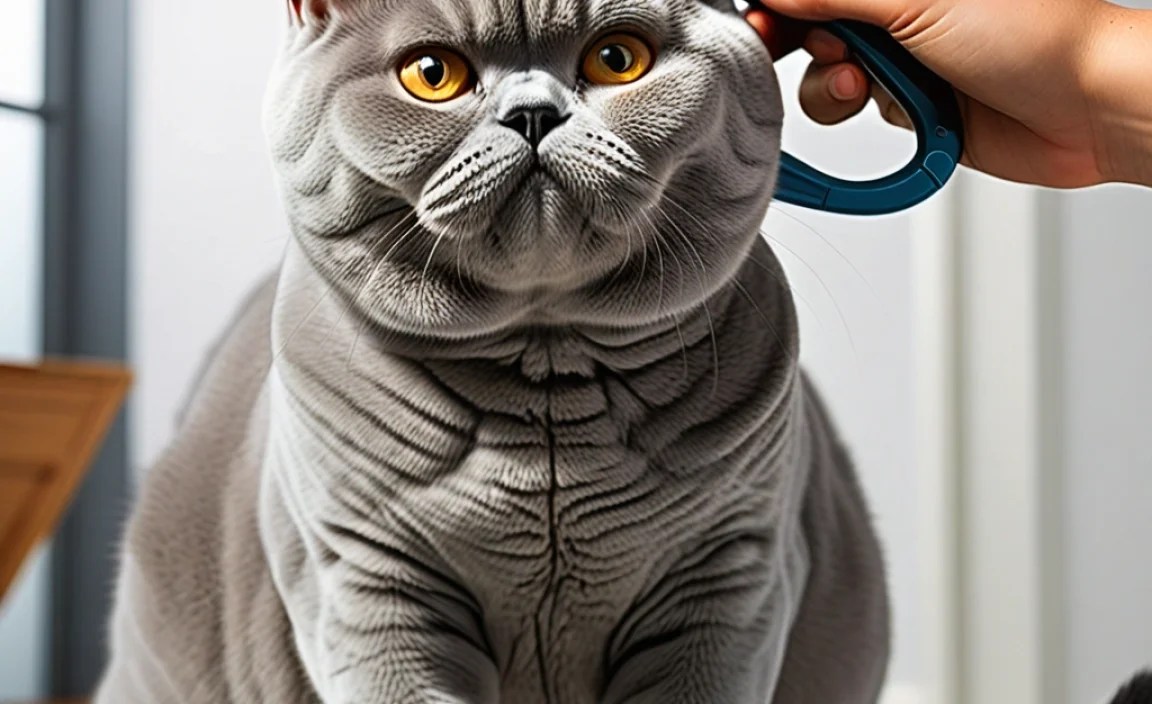
The British Shorthair is famous for its dense, plush coat, often described as “crisp” to the touch. This unique texture comes from the breed’s double coat: a thick undercoat and a slightly longer topcoat. Unlike some breeds with silky fur, the British Shorthair has a coat that stands out from the body, giving them a teddy bear-like appearance.
However, this beautiful coat can be prone to matting and dryness if not properly cared for. Regular grooming is essential to remove loose hair, distribute natural oils, and keep the coat flexible and healthy. Understanding the specific needs of this breed’s coat will help you provide the best care possible.
Why Coat Flexibility Matters
A flexible coat isn’t just about aesthetics; it’s a sign of a healthy cat. When a British Shorthair’s coat is soft and supple, it means their skin is well-nourished and hydrated. A stiff or brittle coat can indicate underlying issues such as:
- Dehydration
- Poor diet
- Lack of essential fatty acids
- Underlying skin conditions
By maintaining coat flexibility, you’re not only enhancing your cat’s appearance but also promoting their overall well-being. Regular grooming allows you to monitor their skin for any abnormalities, such as redness, lumps, or bald patches, which could be early signs of health problems.
Essential Grooming Tools for British Shorthairs

Having the right tools makes grooming your British Shorthair much easier and more effective. Here are the essentials every owner should have:
- Slicker Brush: This brush has fine, angled bristles that effectively remove loose fur and prevent mats. Look for one with coated tips to avoid scratching your cat’s skin.
- Metal Comb: A wide-toothed metal comb is perfect for detangling knots and ensuring the coat is free of mats after brushing.
- Grooming Gloves: These gloves have rubber tips that gently massage your cat while removing loose hair. They’re great for cats who are sensitive to brushing.
- Nail Clippers: Regular nail trimming prevents overgrowth and protects your furniture from scratches.
- Pet Shampoo: Choose a shampoo specifically formulated for cats, preferably one that’s moisturizing and hypoallergenic.
Investing in high-quality grooming tools will not only make the process more enjoyable for you and your cat but also ensure the best results for their coat health.
Step-by-Step Grooming Guide

Here’s a detailed guide to grooming your British Shorthair, designed to keep their coat flexible and healthy:
Step 1: Brushing (2-3 Times a Week)
Regular brushing is the most important step in maintaining your British Shorthair’s coat. Aim to brush them 2-3 times a week to remove loose fur and prevent mats.
- Start with the Slicker Brush: Gently brush your cat’s coat in the direction of hair growth. Pay special attention to areas prone to matting, such as behind the ears, under the legs, and around the tail.
- Use the Metal Comb: After brushing with the slicker brush, use the metal comb to check for any remaining knots or tangles. Gently work through any mats, being careful not to pull or cause discomfort.
- Grooming Gloves (Optional): Finish with grooming gloves to remove any remaining loose hair and give your cat a gentle massage.
Step 2: Bathing (Every Few Months or As Needed)
British Shorthairs don’t require frequent baths. Over-bathing can strip their coat of natural oils, leading to dryness and irritation. Bathe them only when necessary, such as when they’re visibly dirty or have a strong odor. The RSPCA recommends bathing only when necessary to avoid skin irritation.
- Prepare the Bath: Fill a sink or tub with lukewarm water. Make sure the water isn’t too hot or too cold.
- Wet Your Cat: Gently wet your cat’s coat, avoiding the face and ears.
- Apply Shampoo: Apply a small amount of pet shampoo and lather it into the coat. Be sure to reach all areas, including the belly and legs.
- Rinse Thoroughly: Rinse the coat thoroughly with clean water until all traces of shampoo are gone. Residue can cause skin irritation.
- Dry Your Cat: Use a soft towel to gently dry your cat. You can also use a low-heat hair dryer, but be careful not to burn their skin.
Step 3: Nail Trimming (Every 2-3 Weeks)
Regular nail trimming is essential for your cat’s comfort and safety. Overgrown nails can become snagged on carpets or furniture, leading to injury. According to the Cornell Feline Health Center, regular nail trimming helps prevent painful ingrown nails.
- Get Your Cat Comfortable: Hold your cat gently and extend one of their paws.
- Locate the Quick: Identify the quick, the pink part of the nail that contains blood vessels and nerves. Avoid cutting into the quick, as it can be painful and cause bleeding.
- Trim the Nails: Use pet nail clippers to trim the tips of the nails, cutting at a slight angle.
- Reward Your Cat: After trimming the nails, give your cat a treat or praise to reinforce positive behavior.
Step 4: Ear Cleaning (As Needed)
Check your British Shorthair’s ears regularly for signs of dirt or wax buildup. Clean their ears only when necessary, as over-cleaning can lead to irritation or infection.
- Prepare the Cleaning Solution: Use a pet-specific ear cleaning solution recommended by your veterinarian.
- Apply the Solution: Gently lift your cat’s ear flap and apply a small amount of the cleaning solution into the ear canal.
- Massage the Base of the Ear: Massage the base of the ear for a few seconds to help loosen any debris.
- Wipe Away Debris: Use a cotton ball or soft cloth to wipe away any dirt or wax from the ear canal. Never insert cotton swabs into the ear canal, as this can push debris further in.
Diet and Hydration for a Healthy Coat
A balanced diet and proper hydration are crucial for maintaining your British Shorthair’s coat flexibility. Here’s how to ensure your cat is getting the nutrients they need:
High-Quality Cat Food
Choose a cat food that’s rich in protein, essential fatty acids, and vitamins. Look for brands that list meat as the primary ingredient and avoid foods with excessive fillers or artificial additives. Purina offers a range of cat foods formulated to support skin and coat health.
Omega-3 Fatty Acids
Omega-3 fatty acids are essential for maintaining healthy skin and a flexible coat. These fats help reduce inflammation and promote hydration from within. You can supplement your cat’s diet with omega-3 fatty acids by adding fish oil or flaxseed oil to their food.
Hydration
Dehydration can lead to dry, brittle fur. Ensure your cat has access to fresh, clean water at all times. Encourage them to drink by providing multiple water sources, such as bowls and fountains. You can also add wet food to their diet to increase their water intake.
Addressing Specific Coat Issues
Even with regular grooming and a healthy diet, your British Shorthair may experience specific coat issues. Here’s how to address some common problems:
Matting
If your cat’s coat is prone to matting, increase the frequency of brushing. Use a detangling spray to help loosen knots and make brushing easier. For stubborn mats, you may need to use a mat splitter or carefully cut them out with scissors. Be extremely cautious when using scissors to avoid injuring your cat.
Dryness
Dry coat can be caused by dehydration, poor diet, or over-bathing. Ensure your cat is well-hydrated and eating a balanced diet. Use a moisturizing shampoo when bathing and consider adding a coat conditioner to their grooming routine.
Excessive Shedding
British Shorthairs are known to shed, especially during seasonal changes. Regular brushing can help minimize shedding by removing loose fur before it ends up on your furniture. You can also use a deshedding tool to remove even more loose hair.
Creating a Positive Grooming Experience
Grooming should be a positive experience for both you and your cat. Here are some tips to make the process more enjoyable:
- Start Early: Introduce grooming to your cat as a kitten to help them get used to it.
- Be Gentle: Use gentle, soothing strokes when brushing and handling your cat.
- Offer Rewards: Give your cat treats or praise during and after grooming to reinforce positive behavior.
- Keep Sessions Short: If your cat is resistant to grooming, start with short sessions and gradually increase the duration as they become more comfortable.
- Create a Routine: Establish a regular grooming routine so your cat knows what to expect.
Table: Grooming Schedule for British Shorthairs
| Grooming Task | Frequency | Purpose |
|---|---|---|
| Brushing | 2-3 times a week | Removes loose fur, prevents mats, distributes natural oils |
| Bathing | Every few months or as needed | Cleans the coat, removes dirt and odors |
| Nail Trimming | Every 2-3 weeks | Prevents overgrown nails, protects furniture |
| Ear Cleaning | As needed | Removes dirt and wax buildup, prevents infections |
Table: Recommended Products for British Shorthair Grooming
| Product Type | Recommended Features | Benefits |
|---|---|---|
| Slicker Brush | Coated tips, ergonomic handle | Removes loose fur without scratching the skin |
| Metal Comb | Wide-toothed, stainless steel | Detangles knots, checks for mats after brushing |
| Pet Shampoo | Moisturizing, hypoallergenic, pH-balanced | Cleans without drying out the coat or causing irritation |
| Omega-3 Supplement | Fish oil or flaxseed oil | Promotes healthy skin and a flexible coat |
FAQ: British Shorthair Grooming
Here are some frequently asked questions about grooming British Shorthairs:
How often should I brush my British Shorthair?
You should brush your British Shorthair 2-3 times a week to remove loose fur and prevent mats.
Do British Shorthairs need baths?
British Shorthairs don’t need frequent baths. Bathe them only when necessary, such as when they’re visibly dirty or have a strong odor. Over-bathing can dry out their skin.
What kind of brush is best for a British Shorthair?
A slicker brush with coated tips is best for removing loose fur without scratching their skin. Follow up with a metal comb to check for any remaining knots or tangles.
How can I make grooming a positive experience for my cat?
Start grooming your cat as a kitten, be gentle, offer rewards, keep sessions short, and create a regular routine.
What should I do if my cat’s coat is matted?
Increase the frequency of brushing. Use a detangling spray to help loosen knots and make brushing easier. For stubborn mats, you may need to use a mat splitter or carefully cut them out with scissors.
Can diet affect my cat’s coat health?
Yes, a balanced diet rich in protein, essential fatty acids, and vitamins is crucial for maintaining a healthy coat. Consider adding an omega-3 supplement to their food.
How do I know if my cat has a skin problem?
Look for signs such as excessive scratching, redness, lumps, or bald patches. If you notice any of these symptoms, consult your veterinarian.
Conclusion
Maintaining a flexible and healthy coat for your British Shorthair is achievable with the right tools, techniques, and a consistent grooming routine. Regular brushing, occasional bathing, nail trimming, and ear cleaning, combined with a balanced diet and plenty of hydration, will keep your feline friend looking and feeling their best. Remember to make grooming a positive experience by being gentle, offering rewards, and establishing a routine. With a little patience and care, you can ensure your British Shorthair’s coat remains plush, soft, and huggable for years to come!


