
British Shorthair Cat Lifestyle Tips: Easy Guide

Quick Summary: Caring for a British Shorthair means providing a balanced diet, regular grooming, and plenty of playtime. Create a safe indoor environment with scratching posts, comfortable beds, and stimulating toys. Regular vet check-ups, a clean litter box, and lots of love will keep your British Shorthair happy and healthy. These cats are relatively low-maintenance but thrive with consistent care and attention.
Bringing a British Shorthair into your home is like welcoming a fluffy, four-legged family member. These cats are known for their calm and affectionate nature, making them wonderful companions. But, like any pet, they have specific needs to ensure they live a happy and healthy life. Many new owners find themselves wondering how to best care for their new furry friend. Don’t worry; it’s easier than you think!
This guide will walk you through everything you need to know about British Shorthair cat lifestyle tips, from diet and grooming to playtime and health. By the end, you’ll feel confident in providing the best possible life for your British Shorthair.
Creating the Perfect Home Environment

British Shorthairs are adaptable cats, but a comfortable and safe home environment is crucial for their well-being. Think of it as setting up a cozy kingdom where your cat can relax, play, and feel secure.
Indoor vs. Outdoor Living
The safest and recommended lifestyle for a British Shorthair is indoors. Outdoor cats face numerous dangers, including traffic, predators, and diseases. According to the RSPCA, keeping your cat indoors significantly extends their lifespan and protects them from harm.
However, if you have a secure, enclosed garden or balcony, you can allow supervised outdoor time. Always ensure your cat is microchipped and wears a collar with an ID tag.
Essential Supplies
Before bringing your British Shorthair home, make sure you have these essential supplies:
- Food and Water Bowls: Choose ceramic or stainless steel bowls, as they are easy to clean and less likely to harbor bacteria.
- High-Quality Cat Food: Opt for a nutritionally balanced diet specifically formulated for cats.
- Litter Box: Provide a spacious litter box and choose a litter type your cat prefers.
- Scratching Post: Essential for maintaining their claws and preventing damage to your furniture.
- Cat Bed: A comfortable and cozy bed where your cat can relax and sleep.
- Toys: A variety of toys to keep them entertained and mentally stimulated.
- Grooming Supplies: Include a brush, comb, and nail clippers.
- Carrier: For safe transportation to the vet or other appointments.
Creating a Safe Space
Cats need a safe space where they can retreat when they feel stressed or overwhelmed. This could be a quiet corner, a cat tree, or a cozy bed. Make sure this space is easily accessible and free from disturbances.
Nutrition and Diet
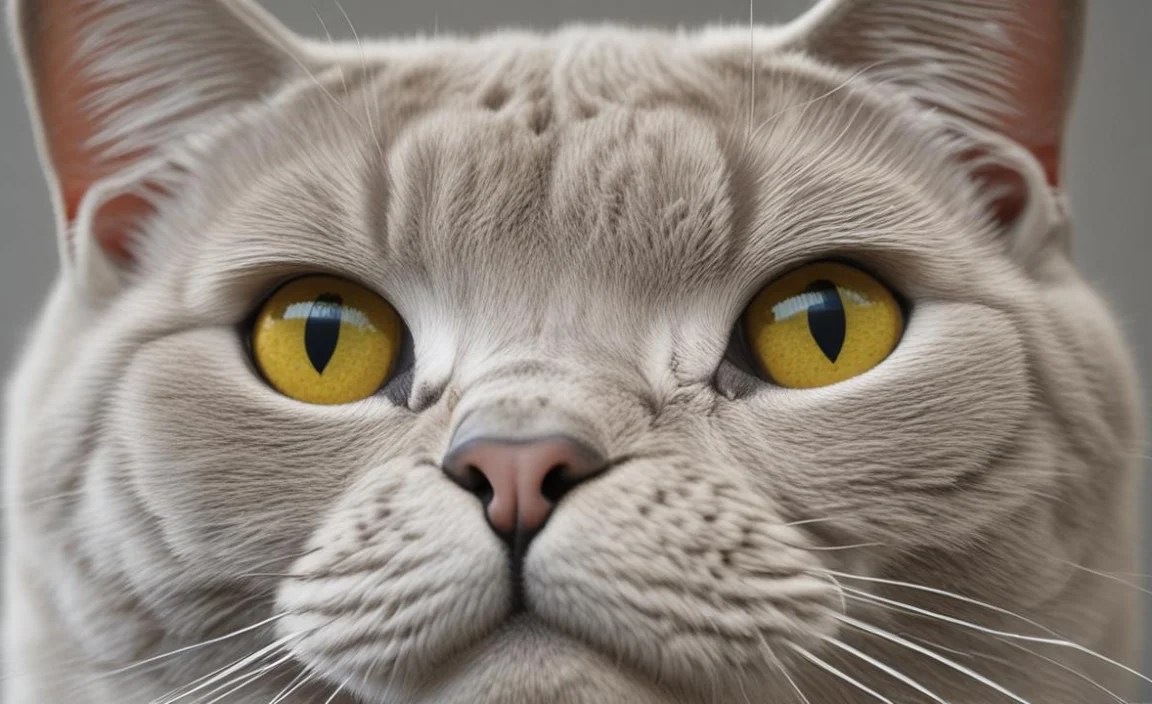
A proper diet is essential for the health and well-being of your British Shorthair. These cats are prone to weight gain, so portion control and a balanced diet are crucial.
Choosing the Right Food
Select a high-quality cat food that is rich in protein and low in carbohydrates. Look for food that lists meat as the primary ingredient. Avoid foods with excessive fillers, artificial colors, and preservatives.
Dry food is convenient and helps maintain dental health, while wet food provides hydration. A combination of both can be beneficial. Consult your veterinarian for specific dietary recommendations.
Feeding Schedule
British Shorthairs do well with a consistent feeding schedule. Adult cats typically need two meals a day. Kittens require more frequent feedings, usually three to four times a day.
Portion control is key to preventing obesity. Follow the feeding guidelines on the food packaging and adjust as needed based on your cat’s weight and activity level.
Treats and Supplements
Treats should be given in moderation and should not make up more than 10% of your cat’s daily caloric intake. Opt for healthy treats that are low in calories and free from artificial ingredients.
Supplements are generally not necessary if your cat is eating a balanced diet. However, if your veterinarian recommends specific supplements, such as omega-3 fatty acids for skin health, follow their guidance.
Table: Nutritional Needs for British Shorthairs
| Nutrient | Importance | Source |
|---|---|---|
| Protein | Essential for muscle development and overall health. | Meat, fish, poultry |
| Fats | Provides energy and supports healthy skin and coat. | Animal fats, vegetable oils |
| Carbohydrates | Provides energy, but should be limited. | Grains, vegetables |
| Vitamins and Minerals | Supports various bodily functions. | Fruits, vegetables, supplements |
| Water | Essential for hydration and overall health. | Fresh water should always be available. |
Grooming Essentials
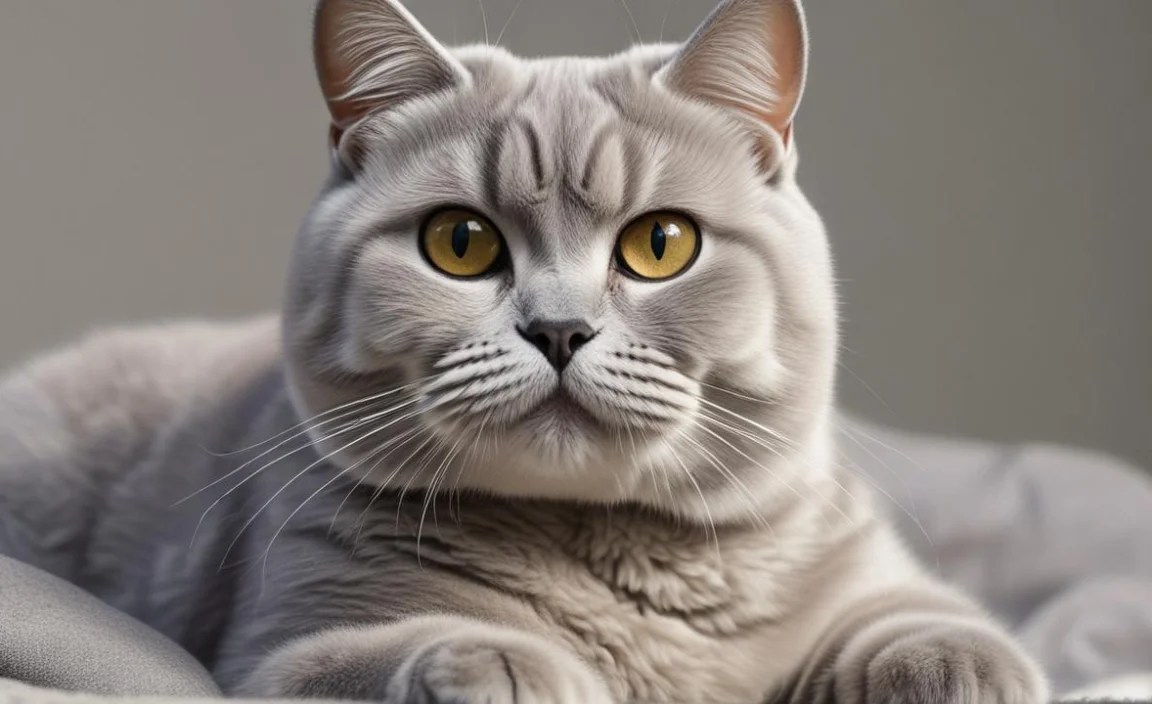
British Shorthairs have a dense, plush coat that requires regular grooming to prevent matting and hairballs. Fortunately, they are relatively low-maintenance in this area.
Brushing
Brush your British Shorthair at least once a week to remove loose hair and prevent mats. During shedding season (spring and fall), increase brushing to two or three times a week. Use a slicker brush or a metal comb to gently remove loose hair.
Regular brushing also helps distribute natural oils throughout their coat, keeping it healthy and shiny. Most British Shorthairs enjoy being brushed, making it a bonding experience.
Bathing
British Shorthairs rarely need bathing unless they get particularly dirty. Over-bathing can strip their coat of natural oils, leading to dry skin and a dull coat. If you do need to bathe your cat, use a cat-specific shampoo and rinse thoroughly.
Nail Trimming
Trim your cat’s nails every few weeks to prevent them from becoming overgrown. Use cat-specific nail clippers and be careful not to cut the quick (the pink part of the nail containing blood vessels and nerves). If you’re unsure, ask your veterinarian or a professional groomer to show you how.
Ear Cleaning
Check your cat’s ears regularly for signs of wax buildup or infection. Clean their ears with a cat-specific ear cleaner and cotton balls. Avoid using cotton swabs, as they can push debris further into the ear canal. If you notice any redness, discharge, or foul odor, consult your veterinarian.
Dental Care
Dental health is crucial for overall health. Brush your cat’s teeth several times a week with a cat-specific toothbrush and toothpaste. You can also provide dental treats or toys to help reduce plaque and tartar buildup. Regular dental check-ups with your veterinarian are also essential.
Exercise and Playtime

British Shorthairs are not as active as some other breeds, but they still need regular exercise and mental stimulation. Playtime is essential for their physical and emotional well-being.
Interactive Play
Engage your British Shorthair in interactive play sessions daily. Use toys like feather wands, laser pointers, and toy mice to encourage them to chase, pounce, and hunt. These activities help them burn energy and satisfy their natural instincts.
Puzzle Toys
Puzzle toys are a great way to keep your cat mentally stimulated. These toys require them to solve a problem to get a treat, which can help prevent boredom and destructive behaviors.
Scratching Posts and Cat Trees
Provide plenty of scratching posts and cat trees to encourage climbing and scratching. These items allow your cat to stretch their muscles, sharpen their claws, and mark their territory.
Creating an Engaging Environment
Rotate toys regularly to keep your cat interested. You can also create an engaging environment by providing window perches where they can watch birds and other outdoor activities. A stimulating environment can help prevent boredom and behavioral issues.
Health and Wellness
Regular veterinary care is essential for maintaining the health and well-being of your British Shorthair. Early detection and treatment of health issues can significantly improve their quality of life.
Regular Vet Check-ups
Schedule annual check-ups with your veterinarian to monitor your cat’s health. During these visits, your veterinarian will perform a physical exam, check their vital signs, and recommend any necessary vaccinations or parasite prevention.
Vaccinations
Vaccinations are crucial for protecting your cat from common and potentially fatal diseases. Core vaccines include feline distemper, feline herpesvirus, feline calicivirus, and rabies. Your veterinarian can recommend additional vaccines based on your cat’s lifestyle and risk factors.
Parasite Prevention
Protect your cat from fleas, ticks, and intestinal parasites with regular parasite prevention. Your veterinarian can recommend the most effective and safe products for your cat. Year-round parasite prevention is recommended, even for indoor cats.
Common Health Issues
British Shorthairs are generally healthy cats, but they are prone to certain health issues, including:
- Hypertrophic Cardiomyopathy (HCM): A heart condition that causes thickening of the heart muscle.
- Polycystic Kidney Disease (PKD): A genetic condition that causes cysts to form on the kidneys.
- Obesity: British Shorthairs are prone to weight gain, which can lead to various health problems.
- Arthritis: As they age, British Shorthairs can develop arthritis, causing joint pain and stiffness.
Early detection and treatment of these conditions can help manage symptoms and improve your cat’s quality of life. If you notice any signs of illness, such as changes in appetite, lethargy, or difficulty breathing, consult your veterinarian immediately.
Table: Vaccination Schedule for Kittens and Adult Cats
| Vaccine | Kitten Schedule | Adult Booster |
|---|---|---|
| Feline Distemper (FVRCP) | 8, 12, and 16 weeks | Every 1-3 years |
| Rabies | 16 weeks | Every 1-3 years |
| Feline Leukemia (FeLV) | 8 and 12 weeks (if at risk) | Annually (if at risk) |
Behavior and Training
British Shorthairs are known for their calm and independent nature, but they still benefit from training and socialization. Early socialization can help them become well-adjusted and confident cats.
Socialization
Expose your British Shorthair kitten to a variety of sights, sounds, and people during their critical socialization period (between 2 and 16 weeks of age). This can help them become more comfortable and less fearful of new experiences.
Litter Box Training
British Shorthairs are typically easy to litter box train. Provide a clean and accessible litter box and place your kitten in it after meals and naps. Reward them with praise and treats when they use the litter box successfully.
Scratching Post Training
Encourage your cat to use a scratching post by placing it near their sleeping area or favorite spot. You can also rub catnip on the scratching post to make it more appealing. Redirect your cat to the scratching post whenever you see them scratching furniture.
Basic Commands
British Shorthairs can be trained to respond to basic commands like “sit,” “stay,” and “come.” Use positive reinforcement techniques, such as treats and praise, to reward desired behaviors. Keep training sessions short and fun to maintain their interest.
Addressing Problem Behaviors
If your cat exhibits problem behaviors, such as excessive meowing or scratching, consult your veterinarian or a professional cat behaviorist. They can help identify the underlying cause of the behavior and recommend appropriate solutions. According to the The International Cat Association (TICA), understanding your cat’s behavior is key to addressing issues effectively.
Senior Cat Care
As your British Shorthair enters their senior years (around age 10), their needs will change. Senior cats require more frequent veterinary care and may need adjustments to their diet and lifestyle.
Increased Veterinary Care
Schedule biannual check-ups with your veterinarian to monitor your senior cat’s health. Older cats are more prone to age-related health issues, such as kidney disease, arthritis, and cognitive dysfunction. Early detection and treatment can help manage these conditions and improve their quality of life.
Dietary Adjustments
Senior cats may need a diet that is lower in calories and higher in fiber to help maintain a healthy weight and prevent constipation. Your veterinarian can recommend a specific diet for your senior cat based on their individual needs.
Comfortable Environment
Provide a comfortable and accessible environment for your senior cat. Make sure their bed is soft and warm, and place it in a quiet and draft-free location. Provide ramps or steps to help them access their favorite spots if they have difficulty jumping.
Mental Stimulation
Continue to provide mental stimulation for your senior cat with toys and interactive play. Puzzle toys are a great way to keep their minds active. Gentle grooming and petting can also provide comfort and companionship.
FAQ: British Shorthair Cat Lifestyle Tips
Here are some frequently asked questions about British Shorthair cat lifestyle tips:
- Q: How much should I feed my British Shorthair?
- A: Follow the feeding guidelines on the food packaging and adjust based on your cat’s weight and activity level. Adult cats typically need two meals a day. Portion control is key to preventing obesity. Consult your veterinarian for specific recommendations.
- Q: How often should I groom my British Shorthair?
- A: Brush your British Shorthair at least once a week to remove loose hair and prevent mats. During shedding season (spring and fall), increase brushing to two or three times a week. Bathe them only when necessary.
- Q: What are some common health issues in British Shorthairs?
- A: British Shorthairs are prone to hypertrophic cardiomyopathy (HCM), polycystic kidney disease (PKD), obesity, and arthritis. Regular veterinary care can help detect and manage these conditions.
- Q: How can I keep my British Shorthair entertained?
- A: Provide a variety of toys, scratching posts, and cat trees to keep them physically and mentally stimulated. Engage them in interactive play sessions daily and rotate toys regularly to maintain their interest.
- Q: Are British Shorthairs good with children and other pets?
- A: Yes, British Shorthairs are generally good with children and other pets, especially if they are socialized from a young age. Supervise interactions and provide them with their own space to retreat when needed.
- Q: How often should I clean the litter box?
- A: Clean the litter box daily to maintain good hygiene and prevent your cat from avoiding it. Completely change the litter and wash the box at least once a month.
- Q: What kind of litter box should I get for my British Shorthair?
- A: Choose a spacious litter box that is easy for your cat to access. Many cats prefer uncovered litter boxes, but some may prefer covered ones for privacy. Experiment to see what your cat prefers.
Conclusion
Caring for a British Shorthair is a rewarding experience. By providing a safe and comfortable home environment, a balanced diet, regular grooming, and plenty of love and attention, you can ensure your British Shorthair lives a happy and healthy life. Remember to schedule regular veterinary check-ups and be proactive about addressing any health concerns that may arise. With consistent care and a little bit of knowledge, your British Shorthair will be a cherished member of your family for many years to come. According to the Cornell Feline Health Center, a well-cared-for cat can bring immense joy and companionship.


