
How to Enrich a British Shorthair Cat’s Life: Easy Joy

Quick Summary: Enriching your British Shorthair’s life means providing opportunities for play, mental stimulation, and a sense of security. This includes interactive toys, scratching posts, climbing structures, regular playtime, a predictable routine, and plenty of affection. A happy British Shorthair is one that feels safe, loved, and engaged!
Is your British Shorthair looking a little bored? Do you want to make sure your furry friend has the best possible life? Many cat owners wonder how to keep their indoor cats happy and stimulated. It’s easy to fall into a routine, but our feline friends need more than just food and a comfy bed.
British Shorthairs are known for their calm and affectionate nature, but they still need plenty of enrichment to thrive. In this guide, I’ll walk you through easy and fun ways to enrich your British Shorthair’s life, step by step. We’ll explore everything from interactive toys to creating a stimulating environment. Get ready to unlock your cat’s full potential for happiness!
Understanding Your British Shorthair’s Needs

Before we dive into specific enrichment strategies, let’s understand what makes British Shorthairs unique. These cats are generally relaxed and adaptable, but they still have specific needs that must be met to ensure their well-being.
Physical Needs
Like all cats, British Shorthairs need opportunities for exercise, even if they aren’t as energetic as some other breeds. This includes:
- Scratching: Scratching is a natural behavior that helps cats maintain their claws and stretch their muscles.
- Climbing: Cats enjoy having vertical space to explore and observe their surroundings.
- Playing: Playtime is essential for physical exercise and mental stimulation.
Mental Needs
British Shorthairs are intelligent cats who need mental stimulation to prevent boredom and frustration. This includes:
- Puzzle Toys: Puzzle toys challenge cats to solve problems and earn rewards.
- Interactive Play: Interactive play with their owners provides mental stimulation and strengthens the bond between cat and owner.
- Environmental Enrichment: A stimulating environment with interesting sights, sounds, and smells can keep cats entertained.
Social Needs
While British Shorthairs are often independent, they still need social interaction with their owners. This includes:
- Affection: British Shorthairs enjoy being petted and cuddled.
- Attention: Spending time with their owners, even if it’s just sitting nearby, can make them feel loved and secure.
- Playtime: Playtime is a great way to bond with your cat and provide social interaction.
Step-by-Step Guide to Enriching Your British Shorthair’s Life

Now that we understand your British Shorthair’s needs, let’s explore specific ways to enrich their life.
Step 1: Provide a Variety of Toys
Toys are essential for keeping your British Shorthair entertained and stimulated. Offer a variety of toys to cater to their different preferences.
- Interactive Toys: These toys require your cat to actively engage and solve problems. Examples include puzzle feeders, treat balls, and toys that mimic prey.
- Chaser Toys: These toys encourage your cat to chase and pounce. Examples include feather wands, laser pointers, and toy mice.
- Comfort Toys: These toys provide comfort and security. Examples include soft plush toys and blankets.
Pro Tip: Rotate your cat’s toys regularly to keep them interested. Put some toys away and bring them out again after a few weeks.
Step 2: Create a Stimulating Environment
Your British Shorthair’s environment should be stimulating and engaging. This includes providing opportunities for climbing, scratching, and exploring.
- Scratching Posts: Provide a variety of scratching posts, including vertical and horizontal options. Place them in areas where your cat spends the most time. According to the RSPCA, scratching is a normal feline behaviour, and providing scratching posts can protect your furniture.
- Climbing Structures: Cats enjoy climbing and observing their surroundings from a high vantage point. Provide cat trees, shelves, or other climbing structures.
- Window Perches: Cats love to watch the world outside. Provide a window perch where your cat can bask in the sun and observe birds and other wildlife.
Step 3: Engage in Regular Playtime
Regular playtime is essential for physical exercise, mental stimulation, and bonding with your British Shorthair. Aim for at least 15-20 minutes of playtime per day.
- Interactive Play: Use toys like feather wands or laser pointers to engage your cat in interactive play.
- Chasing Games: Encourage your cat to chase and pounce on toys.
- Fetch: Some cats enjoy playing fetch. Toss a toy and encourage your cat to bring it back to you.
Pro Tip: Pay attention to your cat’s body language during playtime. If they seem tired or uninterested, stop and try again later.
Step 4: Provide Puzzle Feeders
Puzzle feeders are a great way to challenge your British Shorthair mentally and slow down their eating. These feeders require your cat to solve a puzzle to access their food.
- Benefits of Puzzle Feeders: Puzzle feeders can help prevent boredom, reduce anxiety, and slow down eating, which can help prevent digestive problems.
- Types of Puzzle Feeders: There are many different types of puzzle feeders available, including treat balls, puzzle bowls, and interactive feeders.
- Introducing Puzzle Feeders: Start by making the puzzle easy to solve and gradually increase the difficulty as your cat gets more comfortable.
Step 5: Train Your British Shorthair
Training isn’t just for dogs! British Shorthairs are intelligent cats who can be trained to perform a variety of tricks and behaviors.
- Clicker Training: Clicker training is a positive reinforcement method that uses a clicker to mark desired behaviors.
- Basic Commands: You can train your cat to sit, stay, come, and even perform tricks like high-fives.
- Benefits of Training: Training can provide mental stimulation, strengthen the bond between you and your cat, and even help with behavior problems.
Pro Tip: Keep training sessions short and positive. Use treats and praise to reward your cat for their efforts.
Step 6: Create a Predictable Routine
Cats thrive on routine. A predictable routine can help your British Shorthair feel safe and secure.
- Feeding Schedule: Feed your cat at the same time each day.
- Playtime: Schedule regular playtime sessions.
- Grooming: Groom your cat regularly, ideally at the same time each day or week.
Pro Tip: Avoid making sudden changes to your cat’s routine. If you need to make a change, introduce it gradually.
Step 7: Provide Plenty of Affection
British Shorthairs are affectionate cats who enjoy spending time with their owners. Provide plenty of affection to help your cat feel loved and secure.
- Petting: Pet your cat regularly, paying attention to their preferences. Most cats enjoy being petted on the head, chin, and back.
- Cuddling: If your cat enjoys it, cuddle with them on the couch or in bed.
- Talking: Talk to your cat in a soft, soothing voice.
Step 8: Consider a Companion
If you spend a lot of time away from home, consider getting your British Shorthair a companion. Another cat or a friendly dog can provide social interaction and prevent boredom.
- Introducing a New Pet: Introduce new pets slowly and carefully. Provide separate food and water bowls, litter boxes, and sleeping areas.
- Supervise Interactions: Supervise interactions between your pets until you are confident that they are getting along.
- Choose a Compatible Companion: Choose a companion that is compatible with your British Shorthair’s personality. A calm, gentle cat or dog is often a good choice.
Step 9: Regular Vet Check-ups
Regular vet check-ups are essential for maintaining your British Shorthair’s health and well-being. Your veterinarian can identify and treat any health problems early on.
- Annual Check-ups: Schedule annual check-ups for your cat.
- Vaccinations: Keep your cat up-to-date on their vaccinations.
- Parasite Control: Protect your cat from fleas, ticks, and worms.
Pro Tip: Discuss your cat’s diet, behavior, and any concerns you have with your veterinarian.
Step 10: Monitor Your Cat’s Behavior
Pay attention to your cat’s behavior and look for any signs of boredom, stress, or illness. Changes in behavior can be an early indicator of a problem.
- Signs of Boredom: Excessive sleeping, overeating, destructive behavior.
- Signs of Stress: Hiding, aggression, changes in appetite.
- Signs of Illness: Vomiting, diarrhea, lethargy.
Pro Tip: If you notice any changes in your cat’s behavior, consult with your veterinarian.
Enrichment Ideas for British Shorthairs: A Quick Guide

Here’s a quick reference table to help you implement some of the ideas we’ve discussed. It’s a simple way to keep track of enrichment activities and ensure you’re covering all the bases!
| Enrichment Category | Activity/Item | Benefits | Frequency |
|---|---|---|---|
| Toys | Puzzle Feeders | Mental stimulation, slows eating | Daily |
| Toys | Feather Wand | Interactive play, exercise | Daily (15-20 minutes) |
| Environment | Cat Tree | Climbing, observation | Always available |
| Environment | Window Perch | Visual stimulation | Always available |
| Social | Grooming | Bonding, reduces shedding | Weekly |
| Social | Cuddling | Affection, security | Daily (as desired by cat) |
| Training | Clicker Training | Mental stimulation, bonding | Several times a week (5-10 minute sessions) |
Addressing Common Concerns
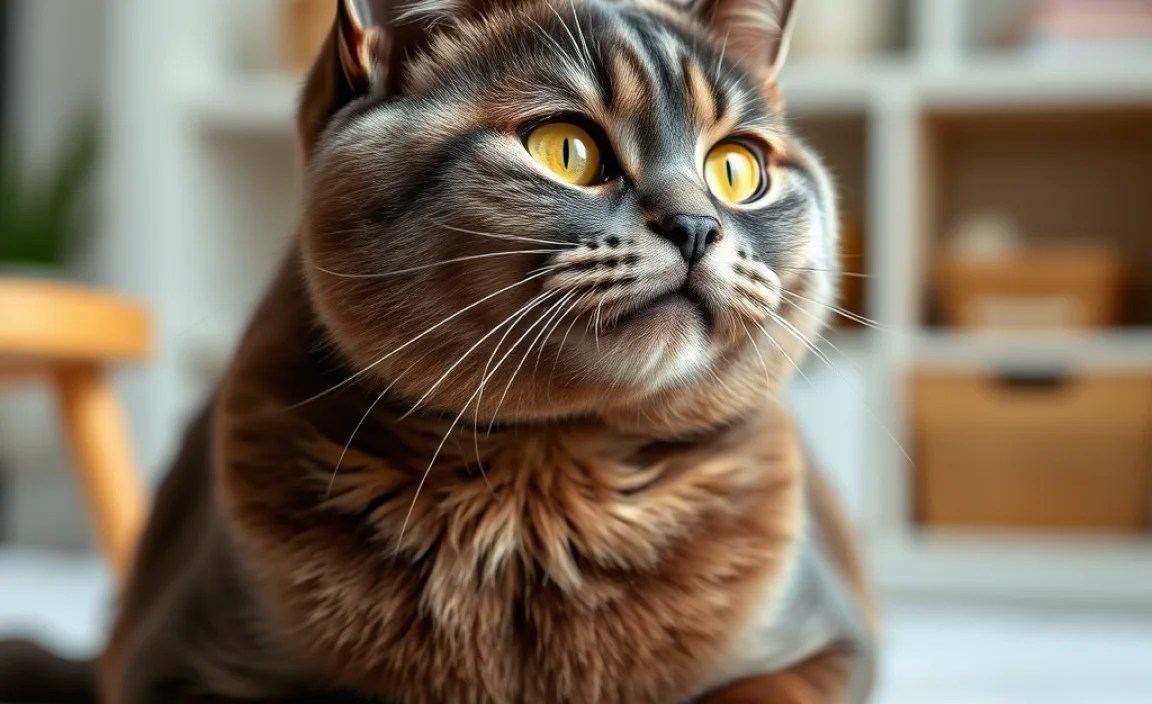
Let’s tackle some common questions and concerns that British Shorthair owners often have about enriching their cats’ lives.
Concern: My cat seems uninterested in toys.
Solution: It’s common for cats to have preferences. Try different types of toys and rotate them regularly. Sometimes, a cat’s interest can be piqued simply by introducing something new. Consider toys that mimic prey, like feather wands or small toy mice. Also, make sure you’re engaging in active playtime, as some cats are more interested in toys when they’re being used interactively.
Concern: I don’t have much space for a cat tree.
Solution: Vertical space is essential, but it doesn’t always require a large cat tree. Consider installing shelves or window perches. These can provide your cat with climbing and observation opportunities without taking up too much floor space. You can also find smaller, more compact cat trees designed for smaller spaces.
Concern: My cat is overweight and not very active.
Solution: Start by consulting with your veterinarian to rule out any underlying health issues. Then, focus on increasing your cat’s activity level gradually. Use puzzle feeders to make mealtime more challenging and engaging. Engage in regular playtime, even if it’s just for a few minutes at a time. You can also try hiding treats around the house to encourage your cat to move around and explore.
Concern: My cat is destructive when I’m not home.
Solution: Destructive behavior is often a sign of boredom or anxiety. Make sure your cat has plenty of toys and scratching posts to keep them entertained. Consider providing a window perch where they can watch the outside world. You can also try leaving on a radio or TV to provide background noise. If the behavior persists, consult with a veterinarian or a certified cat behaviorist.
FAQ About Enriching a British Shorthair’s Life
What is enrichment for cats?
Enrichment involves creating an environment and providing activities that stimulate a cat’s physical and mental well-being. It’s about fulfilling their natural instincts to hunt, play, explore, and rest comfortably.
How much playtime does my British Shorthair need?
Aim for at least 15-20 minutes of interactive playtime each day. This can be broken up into shorter sessions throughout the day. The key is to engage your cat and provide them with opportunities to exercise and have fun.
Are British Shorthairs lazy cats?
While British Shorthairs are known for their relaxed nature, they still need regular exercise and mental stimulation. They may not be as energetic as some other breeds, but they still enjoy playing and exploring.
What are some good toys for British Shorthairs?
Good toys for British Shorthairs include puzzle feeders, feather wands, toy mice, and catnip toys. It’s important to provide a variety of toys to cater to your cat’s different preferences.
How can I tell if my cat is bored?
Signs of boredom in cats include excessive sleeping, overeating, destructive behavior, and a lack of interest in playing.
Is it okay to leave my British Shorthair alone all day?
While British Shorthairs are relatively independent, they still need social interaction. If you work long hours, consider providing them with a companion or hiring a pet sitter to provide playtime and attention.
How important is grooming for British Shorthairs?
Grooming is very important. British Shorthairs have thick coats that need regular brushing to prevent matting and reduce shedding. Aim to brush your cat at least once a week, or more often during shedding season.
Conclusion: A Happy Cat, A Happy Home
Enriching your British Shorthair’s life is an ongoing process that requires observation, creativity, and a willingness to adapt. By providing a stimulating environment, engaging in regular playtime, and meeting their physical and mental needs, you can help your furry friend live a happy, healthy, and fulfilling life. Remember, a happy cat makes for a happy home!
So, take these tips and start creating a more enriching life for your British Shorthair today. Experiment with different toys, activities, and routines to find what works best for your cat. With a little effort, you can transform your home into a feline paradise!


