
Stress-reducing tips for British Shorthairs cat: Easy Life!

Quick Summary: Is your British Shorthair stressed? Small changes make a big difference! Provide a safe space, stick to routines, and offer plenty of playtime. Use calming pheromone diffusers, puzzle feeders, and scratching posts. Observe your cat’s body language for signs of stress, and consult your vet if problems persist. A happy, relaxed British Shorthair is a healthier British Shorthair!
Is your usually calm British Shorthair acting a bit off? Maybe they’re hiding more, eating less, or seem jumpier than usual. It’s tough seeing our furry friends stressed, but the good news is, there’s a lot we can do to help! British Shorthairs are creatures of habit, and even small changes can sometimes throw them off balance.
This guide will walk you through simple, effective ways to reduce stress in your British Shorthair. We’ll cover everything from creating a cozy environment to understanding their unique body language. Let’s get started on the path to a happier, more relaxed kitty!
Understanding Stress in British Shorthairs

British Shorthairs are known for their laid-back personalities. However, like all cats, they can experience stress. Recognizing the signs is the first step to helping your feline friend.
Common Stressors for British Shorthairs
Several factors can contribute to stress in British Shorthairs. Here are some of the most common:
- Changes in Routine: British Shorthairs thrive on consistency. Even small changes to their feeding, playtime, or sleep schedule can cause anxiety.
- New Environments: Moving to a new home, redecorating, or even rearranging furniture can be stressful.
- Loud Noises: Loud noises like fireworks, construction, or even a noisy TV can frighten your cat.
- New Pets or People: Introducing a new pet or person into the household can disrupt your cat’s established territory and social structure.
- Lack of Resources: Insufficient food, water, litter boxes, scratching posts, or resting places can lead to competition and stress, especially in multi-cat households.
- Medical Issues: Underlying health problems can cause pain and discomfort, leading to stress. Always consult your veterinarian if you suspect your cat is unwell.
Recognizing the Signs of Stress
Cats often hide their stress, so it’s important to be observant. Here are some common signs of stress in British Shorthairs:
- Hiding: Spending more time hiding than usual.
- Changes in Appetite: Eating significantly more or less than normal.
- Litter Box Issues: Urinating or defecating outside the litter box. (Always rule out medical causes with your vet first!)
- Increased Vocalization: Excessive meowing, hissing, or growling.
- Aggression: Showing aggression towards people or other pets.
- Overgrooming: Licking or grooming excessively, sometimes leading to bald spots.
- Restlessness: Pacing or inability to settle down.
- Changes in Body Language: Flattened ears, tucked tail, dilated pupils, or tense posture.
Creating a Stress-Free Environment

A safe and comfortable environment is crucial for a happy British Shorthair. Here’s how to create one:
Provide a Safe Haven
Every cat needs a place where they feel safe and secure. This is especially important for managing stress. A safe haven can be:
- A Quiet Room: A spare bedroom, a corner of a room, or even a large cardboard box.
- A Comfortable Bed: A soft, cozy bed or blanket in a quiet, secluded area.
- High Perches: Cats feel safer when they can observe their surroundings from a high vantage point. Install cat trees or shelves to provide vertical space.
Maintain a Consistent Routine
British Shorthairs love routine. Try to stick to a consistent schedule for:
- Feeding: Feed your cat at the same times each day.
- Playtime: Schedule regular playtime sessions.
- Sleep: Provide a quiet, undisturbed place for your cat to sleep.
Optimize Resources
In multi-cat households, it’s essential to provide enough resources to prevent competition and stress. Follow the “one plus one” rule: one resource per cat, plus one extra. This means:
- Litter Boxes: Have one litter box per cat, plus one extra. Place them in different locations.
- Food and Water Bowls: Provide multiple feeding stations, especially if your cats don’t get along.
- Scratching Posts: Offer a variety of scratching posts (vertical, horizontal, and angled) in different locations.
- Resting Places: Ensure each cat has access to multiple comfortable resting places.
Control the Noise Level
Loud noises can be a major source of stress for cats. Try to minimize noise by:
- Closing Windows: This can help block out traffic noise and other outdoor sounds.
- Using White Noise: A fan, air purifier, or white noise machine can help mask sudden, jarring noises.
- Providing a Quiet Room: Make sure your cat has access to a quiet room where they can retreat when things get too noisy.
Enrichment and Play

Mental and physical stimulation can significantly reduce stress in British Shorthairs. Here’s how to keep them entertained and engaged:
Interactive Play
Regular playtime is crucial for a cat’s well-being. It helps them burn energy, satisfy their hunting instincts, and strengthen the bond with their owner. Try these interactive games:
- Feather Wands: These toys mimic the movement of birds, stimulating your cat’s hunting instincts.
- Laser Pointers: Cats love chasing the beam of a laser pointer. Be careful not to shine it in their eyes.
- Toy Mice: Toss toy mice for your cat to chase and pounce on.
Puzzle Feeders
Puzzle feeders are a great way to provide mental stimulation and slow down eating. They require your cat to work for their food, which can help reduce boredom and anxiety.
- Types of Puzzle Feeders: There are many different types of puzzle feeders available, from simple treat balls to more complex devices that require your cat to solve puzzles to access the food.
- Benefits: Puzzle feeders can help reduce boredom, prevent overeating, and stimulate your cat’s natural hunting instincts.
Scratching Posts
Scratching is a natural behavior for cats. It helps them maintain their claws, stretch their muscles, and mark their territory. Providing scratching posts can help prevent destructive scratching and reduce stress.
- Types of Scratching Posts: Offer a variety of scratching posts, including vertical posts, horizontal scratchers, and angled scratchers.
- Placement: Place scratching posts in areas where your cat likes to scratch, such as near their sleeping area or favorite resting spots.
Environmental Enrichment
Creating a stimulating environment can help reduce boredom and stress. Try these ideas:
- Cat Trees: Provide vertical space for your cat to climb and explore.
- Window Perches: Cats love to watch the world go by. Provide a comfortable perch near a window.
- Rotating Toys: Keep your cat interested by rotating their toys regularly. This makes them feel like they’re getting something new.
Using Calming Aids
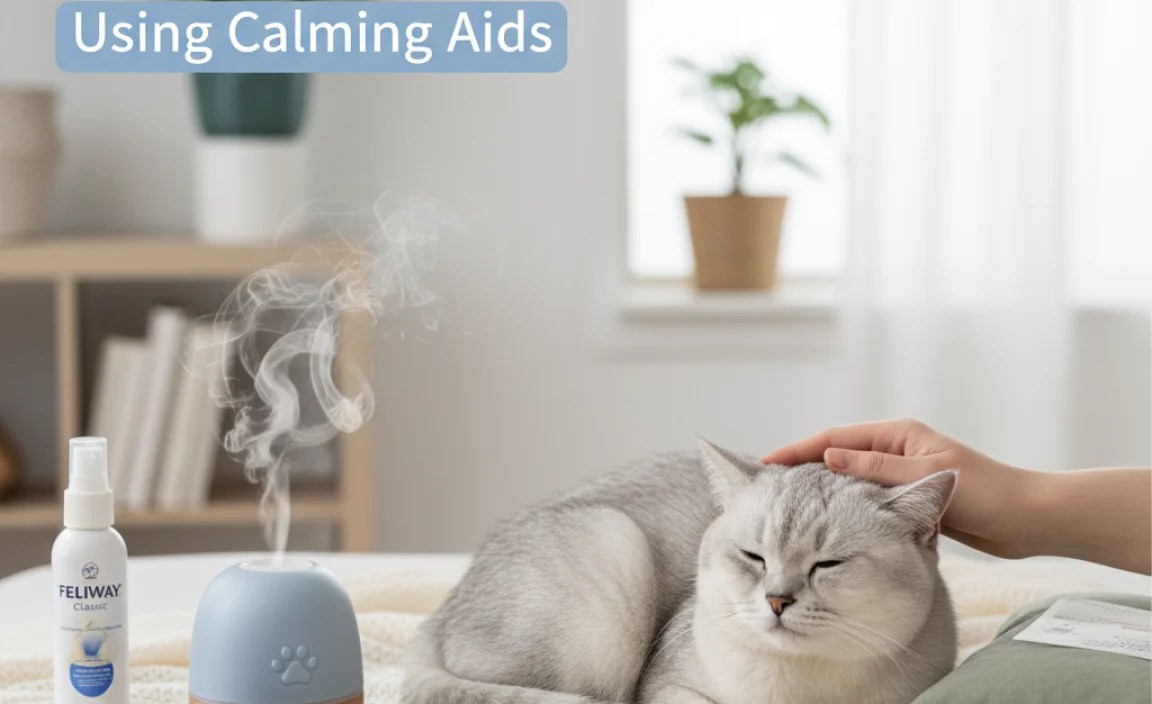
Sometimes, despite our best efforts, our cats still experience stress. In these cases, calming aids can be helpful.
Pheromone Diffusers
Feliway is a synthetic copy of the feline facial pheromone that cats use to mark their territory as safe and secure. Diffusers release this pheromone into the air, which can help reduce stress and anxiety.
- How They Work: Feliway mimics the natural pheromones that cats release when they feel safe and secure.
- Where to Use Them: Plug the diffuser into an outlet in the room where your cat spends the most time.
Calming Supplements
Several natural supplements can help reduce stress in cats. Always consult with your veterinarian before giving your cat any new supplement.
- L-Theanine: An amino acid found in green tea that has calming effects.
- Zylkene: A natural milk protein that has calming properties.
- CBD Oil: Some pet owners have found CBD oil to be helpful for reducing anxiety in cats, but more research is needed. Consult your veterinarian before using CBD oil.
Calming Music
Certain types of music have been shown to have a calming effect on cats. Look for music specifically designed for cats, often featuring slow tempos and simple melodies.
- How It Works: Calming music can help mask stressful noises and create a more relaxing environment.
- Where to Find It: You can find calming music for cats on YouTube, Spotify, and other streaming services.
Diet and Nutrition

A healthy diet is essential for overall well-being and can also play a role in managing stress. Ensure your British Shorthair is getting the right nutrients to support their physical and mental health.
High-Quality Food
Feed your British Shorthair a high-quality cat food that is appropriate for their age and activity level. Look for foods that are rich in protein and low in carbohydrates.
Hydration
Dehydration can contribute to stress and health problems. Make sure your cat always has access to fresh, clean water. Consider providing multiple water sources, such as a water fountain or a bowl.
Avoid Sudden Dietary Changes
Sudden changes in diet can upset your cat’s digestive system and cause stress. If you need to change your cat’s food, do so gradually over a period of several days.
When to Consult a Veterinarian
If your British Shorthair is showing signs of stress that don’t improve with the above measures, it’s important to consult with your veterinarian. Stress can sometimes be a symptom of an underlying medical condition.
Ruling Out Medical Issues
Your veterinarian can perform a physical exam and run tests to rule out any medical causes of your cat’s stress. Conditions like hyperthyroidism, urinary tract infections, and arthritis can all cause stress-like symptoms.
Behavioral Problems
If your veterinarian rules out medical issues, they may recommend consulting with a veterinary behaviorist. A behaviorist can help you identify the underlying causes of your cat’s stress and develop a behavior modification plan.
British Shorthair Stress-Reduction Checklist
Here is a handy checklist to help you remember all the stress-reducing tips we’ve discussed:
| Category | Action | Details |
|---|---|---|
| Environment | Safe Haven | Provide a quiet, comfortable space where your cat can retreat. |
| Environment | Routine | Maintain a consistent feeding, playtime, and sleep schedule. |
| Environment | Resources | Provide enough litter boxes, food bowls, and scratching posts. |
| Enrichment | Playtime | Engage in regular interactive play sessions. |
| Enrichment | Puzzle Feeders | Use puzzle feeders to provide mental stimulation. |
| Enrichment | Scratching Posts | Offer a variety of scratching posts. |
| Calming Aids | Pheromone Diffusers | Use Feliway diffusers to release calming pheromones. |
| Calming Aids | Supplements | Consider calming supplements like L-Theanine or Zylkene (consult vet first). |
| Diet | Quality Food | Feed a high-quality cat food. |
| Diet | Hydration | Ensure access to fresh, clean water. |
| Health | Vet Check | Consult your veterinarian if stress persists. |
FAQ: Stress-Reducing Tips for British Shorthair Cats
What are the first signs of stress in a British Shorthair?
The first signs often include hiding more than usual, changes in appetite (eating more or less), and increased vocalization like meowing or hissing. You might also notice them being more restless or jumpy.
How can I create a safe space for my stressed cat?
Choose a quiet area like a spare room or corner. Provide a comfortable bed, blankets, and maybe even a covered cat bed or cardboard box where they can retreat and feel secure.
Are pheromone diffusers really effective for calming cats?
Yes, many cat owners find pheromone diffusers like Feliway very helpful. They mimic natural feline pheromones that signal safety and security, helping to reduce anxiety and stress-related behaviors.
How often should I play with my British Shorthair to reduce stress?
Aim for at least 15-20 minutes of interactive play each day. Break it up into two shorter sessions if that works better for your schedule and your cat’s attention span.
Can a change in diet help reduce stress in my cat?
While diet isn’t a direct stress-reducer, a healthy, high-quality diet supports overall well-being. Avoid sudden changes in food, as this can cause digestive upset and add to their stress. Always provide fresh, clean water.
When is it necessary to see a vet for my cat’s stress?
If the stress persists for more than a few days, or if you notice significant changes in behavior (like litter box issues or aggression), consult your vet. They can rule out underlying medical conditions and recommend further steps.
Can calming supplements help my stressed British Shorthair?
Yes, some calming supplements like L-Theanine or Zylkene can be beneficial. However, always consult with your veterinarian before giving your cat any new supplement to ensure it’s safe and appropriate for their specific needs.
Conclusion
Reducing stress in your British Shorthair involves understanding their needs and creating a comfortable, predictable environment. By providing a safe space, maintaining a consistent routine, offering plenty of enrichment, and using calming aids when necessary, you can help your feline friend live a happier, more relaxed life. Remember to observe your cat’s body language and consult with your veterinarian if you have any concerns. With patience and care, you can help your British Shorthair thrive!


