
British Shorthair Happiness Tips: The Secret?

Quick Summary: To keep your British Shorthair happy, provide a stimulating environment with toys, scratching posts, and climbing structures. Offer a balanced diet, regular playtime, and plenty of attention. Ensure they have a comfortable bed and a clean litter box. Regular vet check-ups are also crucial for their well-being. A happy British Shorthair is a healthy British Shorthair!
Is your British Shorthair looking a little glum? Don’t worry; it’s more common than you think! These cats are known for their calm demeanor, but that doesn’t mean they don’t need plenty of love and attention to thrive. Sometimes, figuring out exactly what makes your feline friend tick can feel like a puzzle. But with a few simple tweaks, you can create a purr-fectly happy life for your British Shorthair. This guide will walk you through easy, practical steps to boost your cat’s happiness, from playtime to diet to creating a comfy home. Let’s dive in and turn that frown upside down!
Understanding Your British Shorthair’s Needs

Before we jump into specific tips, let’s understand what makes British Shorthairs unique. These cats are typically independent but still enjoy companionship. They’re not overly demanding, but they do need attention, stimulation, and a comfortable environment to truly thrive. Ignoring these needs can lead to boredom, stress, and even health issues.
Recognizing Signs of Unhappiness
Knowing when your British Shorthair isn’t feeling their best is the first step. Here are some common signs to watch for:
- Changes in Appetite: A sudden increase or decrease in food intake.
- Lethargy: Sleeping more than usual or showing a lack of interest in play.
- Excessive Grooming: Over-grooming can be a sign of stress or anxiety.
- Hiding: Spending more time hiding than usual.
- Aggression: Showing uncharacteristic aggression towards you or other pets.
- Litter Box Issues: Accidents outside the litter box can indicate stress or a medical problem.
Creating a Happy Environment
Now, let’s get into the specifics of how to create a happy and fulfilling life for your British Shorthair. These tips cover everything from playtime to nutrition to health care.
Step-by-Step Guide to British Shorthair Happiness

Step 1: Provide a Stimulating Environment
British Shorthairs are intelligent cats who need mental and physical stimulation to prevent boredom. Here’s how to keep them entertained:
- Interactive Toys: Puzzle toys, treat balls, and laser pointers can keep them engaged.
- Scratching Posts: Essential for scratching, stretching, and marking territory.
- Climbing Structures: Cat trees or shelves allow them to explore vertical space.
- Window Perches: Cats love to watch the world go by.
- Rotate Toys: Keep things interesting by rotating toys regularly.
Interactive Play Ideas
Here are a few specific interactive play ideas to try:
- Feather Wand: Mimic the movement of prey to encourage hunting behavior.
- Laser Pointer: A classic, but use it responsibly and always end with a physical toy to “catch.”
- Puzzle Feeders: Make mealtime more challenging and engaging.
Step 2: Offer a Balanced and Nutritious Diet
A healthy diet is crucial for your British Shorthair’s overall well-being. Choose high-quality cat food that meets their nutritional needs. The RSPCA recommends choosing a food that is specifically formulated for your cat’s age and lifestyle.
- High-Quality Cat Food: Look for food with real meat as the primary ingredient.
- Wet Food: Supplement dry food with wet food for added hydration.
- Fresh Water: Always provide fresh, clean water.
- Avoid Harmful Foods: Chocolate, onions, and grapes are toxic to cats.
- Proper Portions: Avoid overfeeding to prevent obesity.
Feeding Schedule
A consistent feeding schedule can also contribute to your cat’s happiness. Here’s a sample schedule:
- Morning: Wet food or a portion of dry food.
- Evening: The remaining portion of dry food.
- Treats: Offer healthy treats in moderation.
Step 3: Ensure Regular Playtime and Exercise
British Shorthairs may be laid-back, but they still need regular exercise to stay healthy and happy. Aim for at least 15-20 minutes of active playtime each day.
- Interactive Play: Use toys to encourage hunting and chasing.
- Training: Teach them simple tricks for mental stimulation.
- Walks: Some British Shorthairs can be trained to walk on a leash.
- Playdates: If you have multiple cats, encourage them to play together.
Step 4: Provide Plenty of Affection and Attention
While British Shorthairs are independent, they still crave affection. Spend quality time with your cat each day, whether it’s through petting, grooming, or simply sitting nearby. The International Cat Association (TICA) emphasizes the importance of social interaction for a cat’s mental health.
- Petting: Most cats enjoy being petted on the head, chin, and back.
- Grooming: Regular brushing not only keeps their coat healthy but also strengthens your bond.
- Talking: Cats recognize your voice, so talk to them in a soothing tone.
- Lap Time: If your cat enjoys it, encourage them to sit on your lap.
Step 5: Create a Comfortable and Safe Home Environment
Your home should be a safe and comfortable haven for your British Shorthair. Here’s how to create the perfect environment:
- Comfortable Bed: Provide a soft, cozy bed in a quiet location.
- Clean Litter Box: Keep the litter box clean and accessible.
- Safe Spaces: Ensure they have places to retreat to when they feel overwhelmed.
- Temperature Control: Keep the temperature comfortable, as extreme temperatures can stress cats.
- Remove Hazards: Keep toxic plants, chemicals, and small objects out of reach.
Litter Box Setup
A clean and accessible litter box is essential for your cat’s well-being. Here are some tips:
- Location: Place the litter box in a quiet, accessible location.
- Size: Choose a litter box that’s large enough for your cat to turn around in.
- Type of Litter: Experiment with different types of litter to find one your cat prefers.
- Cleaning: Scoop the litter box daily and change the litter completely at least once a week.
Step 6: Ensure Regular Veterinary Check-ups
Regular vet visits are crucial for maintaining your British Shorthair’s health and happiness. The Cornell Feline Health Center recommends annual check-ups to catch potential problems early.
- Annual Check-ups: Schedule yearly check-ups with your veterinarian.
- Vaccinations: Keep your cat up-to-date on vaccinations.
- Parasite Control: Protect your cat from fleas, ticks, and worms.
- Dental Care: Regular dental cleanings can prevent dental disease.
- Early Detection: Catching health problems early can improve treatment outcomes.
Step 7: Be Mindful of Their Personality
Every cat is unique, so pay attention to your British Shorthair’s individual personality and preferences. Some cats are more playful, while others are more cuddly. Tailor your approach to their individual needs.
- Observe Their Behavior: Pay attention to what your cat enjoys and what they avoid.
- Respect Their Boundaries: Don’t force them to interact if they’re not in the mood.
- Provide Choices: Offer a variety of toys, beds, and hiding spots to cater to their preferences.
- Be Patient: Building trust and a strong bond takes time.
Troubleshooting Common Issues
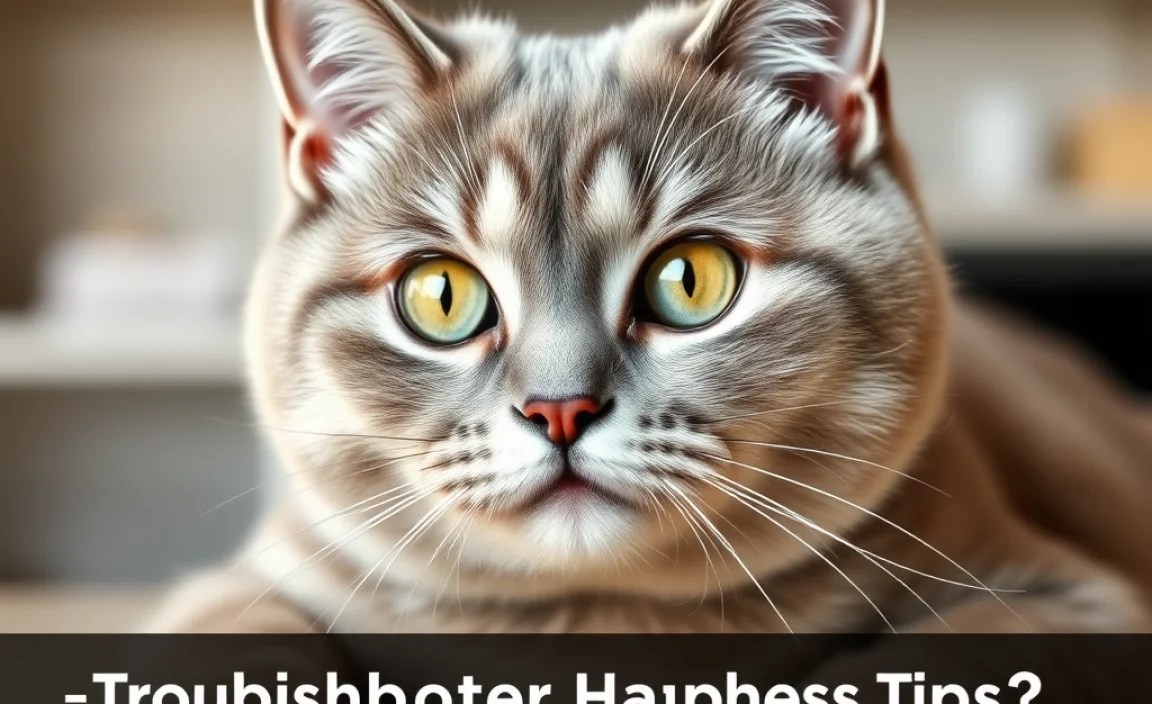
Even with the best care, you may encounter some challenges along the way. Here are some common issues and how to address them:
Issue: Destructive Scratching
Solution: Provide plenty of scratching posts and redirect them when they scratch furniture. You can also use deterrent sprays or adhesive strips on furniture.
Issue: Litter Box Avoidance
Solution: Rule out medical issues first. Then, try a different type of litter, move the litter box to a more accessible location, or add an additional litter box.
Issue: Aggression
Solution: Identify the trigger for the aggression and try to eliminate it. If the aggression is severe or persistent, consult with a veterinarian or a certified cat behaviorist.
Issue: Excessive Meowing
Solution: Determine the cause of the meowing. Is your cat hungry, bored, or seeking attention? Address the underlying issue to reduce the meowing.
British Shorthair Happiness Checklist

Use this checklist to ensure you’re providing everything your British Shorthair needs to thrive:
| Category | Item | Description |
|---|---|---|
| Environment | Toys | Variety of interactive and solo toys |
| Environment | Scratching Posts | Multiple scratching surfaces |
| Environment | Climbing Structures | Cat trees or shelves |
| Environment | Comfortable Bed | Soft, cozy bed in a quiet location |
| Nutrition | High-Quality Food | Food with real meat as the primary ingredient |
| Nutrition | Fresh Water | Always available |
| Activity | Playtime | 15-20 minutes of interactive play daily |
| Affection | Petting | Regular petting and attention |
| Health | Vet Check-ups | Annual check-ups and vaccinations |
| Health | Litter Box | Clean and accessible litter box |
Frequently Asked Questions
What are some signs my British Shorthair is unhappy?
Watch for changes in appetite, lethargy, excessive grooming, hiding, aggression, or litter box issues. These can all indicate that your cat isn’t feeling their best.
How much playtime does a British Shorthair need?
Aim for at least 15-20 minutes of active playtime each day. Use interactive toys to encourage hunting and chasing behaviors.
What kind of food is best for a British Shorthair?
Choose a high-quality cat food with real meat as the primary ingredient. Supplement dry food with wet food for added hydration.
How often should I clean my cat’s litter box?
Scoop the litter box daily and change the litter completely at least once a week to maintain a clean and healthy environment.
Do British Shorthairs like to be held?
Some do, some don’t! It varies by individual cat. Pay attention to your cat’s body language and respect their preferences.
How can I keep my British Shorthair from scratching furniture?
Provide plenty of scratching posts and redirect them when they scratch furniture. You can also use deterrent sprays or adhesive strips.
Are British Shorthairs good with children?
Generally, yes! They are known for their patient and tolerant nature, making them good family pets. However, always supervise interactions between cats and young children.
Conclusion
Creating a happy life for your British Shorthair is a rewarding experience. By providing a stimulating environment, a healthy diet, regular playtime, and plenty of affection, you can ensure your feline friend thrives. Remember to pay attention to their individual needs and preferences, and always consult with your veterinarian if you have any concerns about their health or behavior. With a little love and attention, your British Shorthair will be purring with contentment for years to come. After all, a happy cat makes for a happy home!


