
How to Keep a British Shorthair Active Indoors: Easy Fun!

How to Keep a British Shorthair Active Indoors

To keep a British Shorthair active indoors, provide interactive toys, climbing structures, and regular play sessions. Rotate toys to maintain interest, use puzzle feeders for mental stimulation, and create a stimulating environment with window perches. Consistency and understanding your cat’s preferences are key to their happiness and health.
Is your British Shorthair spending more time napping than playing? These calm, dignified cats are known for their relaxed nature, but they still need exercise to stay healthy and happy. It’s easy for indoor cats, especially British Shorthairs, to become couch potatoes without the right kind of stimulation.
The good news is, with a few simple strategies, you can turn your home into an exciting playground for your furry friend. I’ll guide you through easy and fun ways to keep your British Shorthair active and engaged, ensuring they live a long, joyful life. Let’s get started!
Understanding Your British Shorthair’s Activity Needs

British Shorthairs are naturally laid-back, but they still need regular exercise. Understanding their specific needs will help you create an effective activity plan.
Why Activity Matters for British Shorthairs
Like all cats, British Shorthairs benefit from physical and mental stimulation. Regular activity helps prevent:
- Obesity: British Shorthairs are prone to weight gain, which can lead to health problems like diabetes and joint issues.
- Boredom: A bored cat can become destructive or develop behavioral issues.
- Muscle Loss: Inactivity can cause muscle atrophy, reducing mobility and overall health.
- Mental Decline: Engaging activities keep their minds sharp and prevent cognitive decline as they age.
Recognizing Signs of Inactivity
Keep an eye out for these signs that your British Shorthair isn’t getting enough exercise:
- Sleeping more than usual
- Lack of interest in playing
- Weight gain
- Changes in eating habits
- Over-grooming or under-grooming
- Aggression or irritability
If you notice any of these signs, it’s time to boost your cat’s activity levels.
Creating an Engaging Indoor Environment
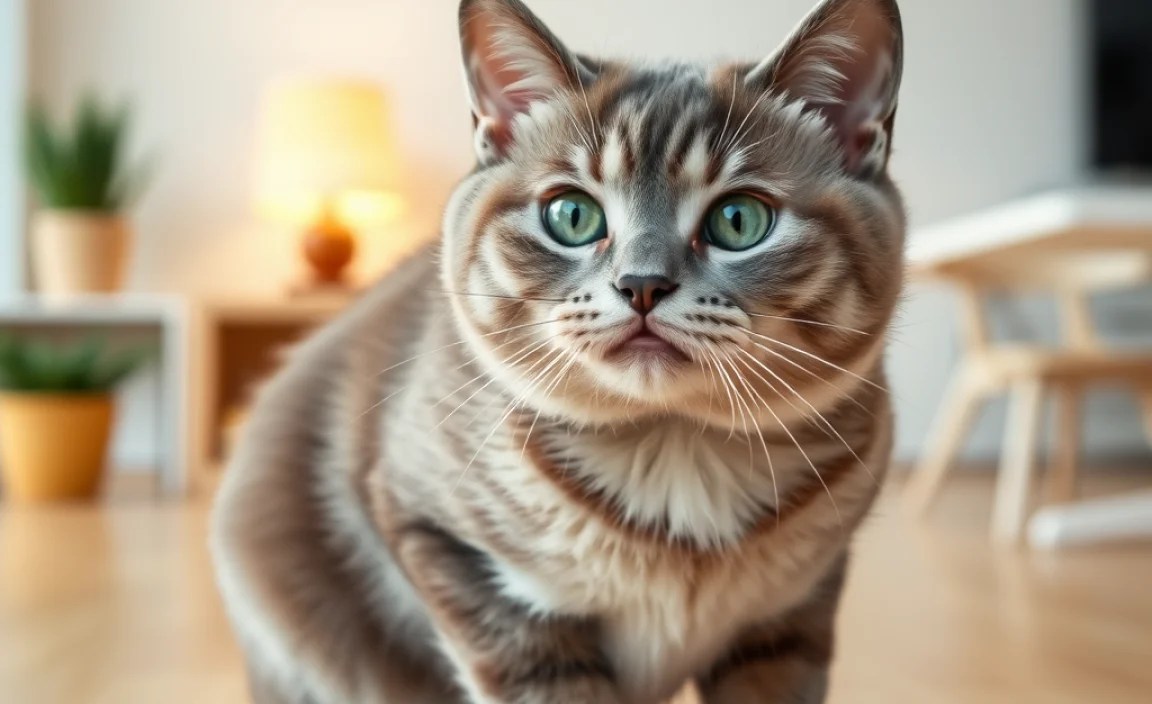
Transforming your home into a stimulating space is the first step in keeping your British Shorthair active. Here are some key elements to consider.
Climbing Structures
Cats love to climb, and British Shorthairs are no exception. Climbing provides exercise and a sense of security.
- Cat Trees: Invest in a sturdy cat tree with multiple levels. Place it near a window for added interest.
- Shelves: Install cat-friendly shelves on your walls to create a climbing pathway.
- Scratching Posts: Vertical scratching posts encourage stretching and scratching, which is essential for claw health.
Window Perches
British Shorthairs enjoy watching the world outside. Window perches provide a comfortable spot for bird-watching and sunbathing.
- Suction Cup Perches: These are easy to install and can be moved as needed.
- Window Beds: Offer a cozy spot for your cat to relax while enjoying the view.
- Outdoor Feeders: Place a bird feeder outside the window to provide endless entertainment.
Interactive Toys
Interactive toys stimulate your cat’s natural hunting instincts and encourage them to move.
- Feather Wands: These toys mimic the movement of birds, enticing your cat to chase and pounce.
- Laser Pointers: Use laser pointers to create exciting chase games (but always end with a tangible toy to “catch”).
- Toy Mice: Small, lightweight mice are perfect for batting around and chasing.
Puzzle Feeders
Puzzle feeders challenge your cat mentally and physically, making mealtime more engaging.
- Rolling Feeders: These feeders dispense food as your cat rolls them around.
- Puzzle Bowls: These bowls have compartments that require your cat to work for their food.
- DIY Options: You can create your own puzzle feeders using cardboard boxes and toilet paper rolls.
Incorporating Daily Play Sessions

Regular play sessions are crucial for keeping your British Shorthair active and strengthening your bond.
Scheduling Playtime
Aim for at least 15-20 minutes of playtime each day. Break it up into shorter sessions if your cat has a short attention span.
- Morning: A quick play session before breakfast can energize your cat for the day.
- Evening: Playtime before dinner can help burn off energy and promote relaxation before bedtime.
Types of Play
Variety is key to keeping your cat interested in playtime.
- Chase Games: Use feather wands or laser pointers to encourage chasing and pouncing.
- Fetch: Some British Shorthairs enjoy playing fetch with small toys.
- Hide-and-Seek: Hide toys around the house and let your cat find them.
Tips for Effective Play
Make the most of your play sessions with these tips:
- Mimic Natural Prey: Move toys in a way that mimics the movement of real prey.
- End on a High Note: Finish the session with a successful “catch” to satisfy your cat’s hunting instincts.
- Rotate Toys: Keep your cat interested by rotating toys regularly.
Encouraging Solo Play

While interactive play is important, it’s also beneficial to encourage your cat to play on their own.
Safe Toys for Solo Play
Choose toys that are safe for your cat to play with unsupervised.
- Lightweight Balls: These are easy for your cat to bat around and chase.
- Crinkle Balls: The crinkling sound attracts attention and encourages play.
- tunnels: Cats love to explore tunnels, providing both exercise and mental stimulation.
Creating a Stimulating Environment
A stimulating environment can encourage your cat to play independently.
- Rotate Toys: Keep a variety of toys available and rotate them regularly to maintain interest.
- Hide Toys: Hide toys in different locations around the house to encourage exploration.
- Create Obstacle Courses: Use furniture and toys to create a simple obstacle course for your cat to navigate.
Managing Weight and Diet
Activity and diet go hand in hand. Managing your British Shorthair’s weight is essential for their overall health.
Choosing the Right Food
Select a high-quality cat food that is appropriate for your cat’s age and activity level. Look for foods that are:
- High in Protein: Protein helps build and maintain muscle mass.
- Moderate in Fat: Fat provides energy for activity.
- Low in Carbohydrates: Carbohydrates can contribute to weight gain.
Portion Control
Overfeeding is a common cause of weight gain in cats. Follow the feeding guidelines on the food package and adjust as needed based on your cat’s activity level.
- Measure Food: Use a measuring cup to ensure you’re feeding the correct amount.
- Avoid Free-Feeding: Free-feeding can lead to overeating. Feed your cat at specific times each day.
Treats in Moderation
Treats should be given in moderation and should not make up more than 10% of your cat’s daily calorie intake.
- Healthy Treats: Choose treats that are low in calories and high in protein.
- Use Treats for Training: Use treats as a reward for good behavior during play sessions.
Here’s a sample feeding schedule:
| Time | Activity | Food |
|---|---|---|
| 7:00 AM | Play session | 1/4 cup dry food |
| 12:00 PM | Puzzle feeder | Small portion of wet food |
| 6:00 PM | Play session | 1/4 cup dry food |
| Before Bed | Hide toys | Small treat |
Adapting Activities for Senior Cats
As British Shorthairs age, their activity needs may change. It’s important to adapt your approach to accommodate their changing abilities.
Gentle Exercise
Senior cats may not be able to engage in high-energy play. Focus on gentle exercise that is easy on their joints.
- Short Play Sessions: Keep play sessions short and sweet.
- Low-Impact Toys: Use toys that don’t require a lot of jumping or running.
- Massage: Gentle massage can help improve circulation and relieve muscle tension.
Comfortable Environment
Make sure your senior cat has a comfortable and accessible environment.
- Soft Bedding: Provide soft, supportive bedding to cushion their joints.
- Easy Access to Litter Box: Ensure the litter box is easy to access and has low sides.
- Warmth: Senior cats may be more sensitive to cold. Provide a warm, cozy spot for them to relax.
Regular Vet Checkups
Regular vet checkups are essential for monitoring your senior cat’s health and addressing any age-related issues.
- Arthritis Management: Your vet can recommend treatments for managing arthritis pain and stiffness.
- Weight Management: Your vet can help you adjust your cat’s diet to maintain a healthy weight.
- Cognitive Support: Your vet can recommend supplements or medications to support cognitive function.
Safety Considerations
Keeping your British Shorthair safe during playtime is crucial. Here are some important safety considerations.
Toy Safety
Choose toys that are safe and appropriate for your cat.
- Avoid Small Parts: Toys with small parts that can be swallowed are a choking hazard.
- Durable Materials: Choose toys made from durable materials that won’t easily break apart.
- Regular Inspections: Inspect toys regularly for damage and replace them as needed.
Household Hazards
Identify and eliminate potential household hazards.
- Electrical Cords: Cover or secure electrical cords to prevent chewing.
- Toxic Plants: Keep toxic plants out of reach. The ASPCA has a comprehensive list of plants that are toxic to cats.
- Cleaning Supplies: Store cleaning supplies in a secure location.
Supervision
Supervise your cat during playtime, especially with new toys or activities.
- Observe Play: Watch your cat closely to ensure they are playing safely.
- Intervene if Necessary: If you see your cat engaging in unsafe behavior, intervene immediately.
Troubleshooting Common Issues
Sometimes, even with the best efforts, you may encounter challenges in keeping your British Shorthair active. Here are some common issues and how to address them.
Lack of Interest in Toys
If your cat seems uninterested in toys, try these tips:
- Rotate Toys: Keep a variety of toys on hand and rotate them regularly.
- Try Different Types of Toys: Experiment with different types of toys to see what your cat prefers.
- Make Play More Engaging: Mimic natural prey behavior when playing with your cat.
Overstimulation
Some cats can become overstimulated during playtime, leading to aggression or biting. If this happens, try these strategies:
- End Play Sessions Gradually: Don’t abruptly end play sessions. Allow your cat to cool down gradually.
- Provide a Safe Space: Give your cat a safe space to retreat to if they become overstimulated.
- Use Calming Aids: Consider using calming aids like pheromone diffusers to reduce anxiety.
Physical Limitations
If your cat has physical limitations due to age or health issues, adapt your approach accordingly.
- Consult Your Vet: Talk to your vet about safe and appropriate activities for your cat.
- Modify Activities: Adapt activities to accommodate your cat’s limitations.
- Focus on Mental Stimulation: Provide plenty of mental stimulation to keep your cat engaged.
FAQ About Keeping a British Shorthair Active
Here are some frequently asked questions about keeping British Shorthairs active indoors.
- How much exercise does a British Shorthair need?
- British Shorthairs need at least 15-20 minutes of active play each day. This can be broken up into shorter sessions throughout the day.
- What are the best toys for British Shorthairs?
- The best toys for British Shorthairs include feather wands, laser pointers, toy mice, and puzzle feeders. Rotate toys regularly to keep your cat interested.
- How can I tell if my British Shorthair is bored?
- Signs of boredom in British Shorthairs include sleeping more than usual, lack of interest in playing, changes in eating habits, and destructive behavior.
- Is it okay to use a laser pointer to play with my cat?
- Yes, laser pointers can be a fun way to engage your cat in chase games. However, always end the session with a tangible toy that your cat can “catch” to satisfy their hunting instincts.
- How can I encourage my British Shorthair to climb?
- Provide climbing structures like cat trees and shelves. Place them near windows to add interest and encourage exploration.
- What should I do if my senior British Shorthair is less active?
- Adapt your approach to accommodate their changing abilities. Focus on gentle exercise, provide a comfortable environment, and consult your vet about age-related issues.
- How important is diet in maintaining my British Shorthair’s activity level?
- Very important! A balanced diet supports energy levels and prevents weight gain. Choose high-quality food, control portion sizes, and offer treats in moderation.
Conclusion
Keeping your British Shorthair active indoors is essential for their physical and mental well-being. By creating an engaging environment, incorporating daily play sessions, and managing their diet, you can ensure they live a happy and healthy life. Remember to adapt your approach to suit your cat’s individual needs and preferences. With a little effort and creativity, you can transform your home into a stimulating playground for your beloved British Shorthair.


