
British Shorthair Cat Playtime Ideas: Fun Guaranteed!

Quick Summary: British Shorthairs may be calm, but they still need playtime! Try interactive toys like wands and lasers, puzzle feeders, and solo toys such as plush mice. Rotate toys to keep things interesting, and schedule short play sessions daily. Remember to let your cat “catch” the toy at the end for satisfaction. This keeps your British Shorthair happy, healthy, and bonded to you!
Is your British Shorthair a laid-back lounger? While these cats are known for their easygoing nature, they still need regular playtime. It’s easy to think they’re fine just napping all day, but without enough activity, they can get bored, overweight, or even a bit mischievous. The good news? Playtime doesn’t have to be a chore! With the right toys and a little creativity, you can keep your furry friend happy and healthy.
In this guide, I’ll share my favorite British Shorthair playtime ideas, from interactive games to solo fun. We’ll explore what makes these cats tick and how to tailor playtime to their unique personalities. Let’s dive in and turn your home into a British Shorthair’s paradise!
Understanding Your British Shorthair’s Play Style

British Shorthairs have a distinctive personality that influences how they play. Understanding their traits will help you choose the best activities.
Typical British Shorthair Traits
- Calm and Docile: They aren’t usually hyperactive, but they still need exercise.
- Independent: They enjoy solo play but also appreciate interaction.
- Intelligent: Puzzle toys and games that challenge them are great.
- Affectionate (on their terms): They love bonding with you through play.
Why Playtime is Crucial
Playtime isn’t just fun; it’s vital for your British Shorthair’s well-being. According to the RSPCA, regular play helps prevent behavioral issues and keeps your cat physically fit.
- Physical Health: Prevents obesity and related health problems.
- Mental Stimulation: Reduces boredom and keeps their minds sharp.
- Bonding: Strengthens the connection between you and your cat.
- Behavioral Benefits: Decreases destructive behaviors caused by pent-up energy.
Interactive Playtime Ideas
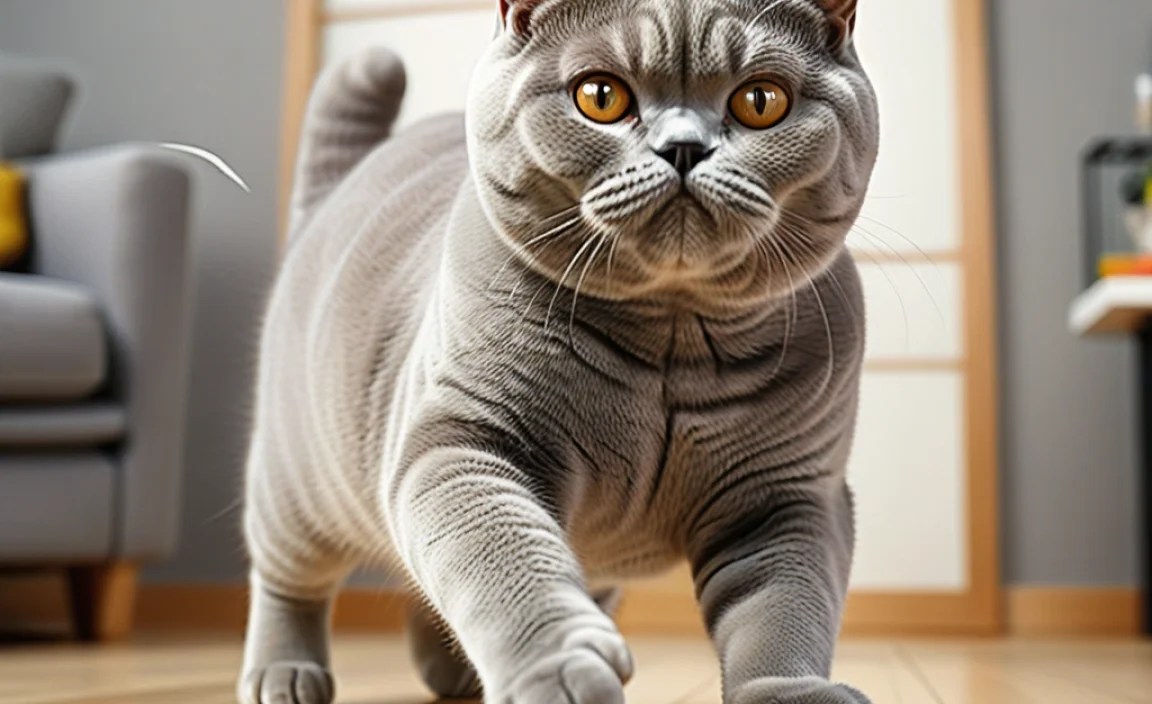
Interactive play involves you and your cat, making it a fantastic bonding experience. Here are some ideas to get you started:
Wand Toys
Wand toys mimic the movement of prey, triggering your cat’s hunting instincts. Look for wands with feathers, ribbons, or small plush toys attached.
- Technique: Move the wand erratically, like a bird or mouse.
- Variation: Hide the toy behind furniture, then pop it out for a surprise.
- Ending: Always let your cat “catch” the toy at the end of the session. This satisfies their hunting drive.
Laser Pointers
Laser pointers are a classic cat toy, but use them responsibly. The Cornell Feline Health Center advises against shining the laser in their eyes.
- Safety First: Never point the laser at your cat’s face.
- Chase and Pounce: Move the laser in unpredictable patterns on the floor or walls.
- The “Catch”: End the session by shining the laser on a physical toy they can catch.
Puzzle Feeders
Puzzle feeders combine playtime with mealtime. They challenge your cat to solve a puzzle to get their food.
- Types:
- Rolling Feeders: Cats push the toy to release kibble.
- Hidden Compartments: Cats need to open compartments to find food.
- Benefits: Slows down eating, prevents boredom, and stimulates their mind.
Chasing Games
British Shorthairs enjoy a good chase. You can use toys or even your hands (gently!) to encourage them to run.
- Toy Chase: Throw a soft toy down a hallway and let them chase it.
- Hand Chase: Wiggle your fingers under a blanket and let them “hunt” them. Be gentle to avoid scratches.
Solo Playtime Ideas
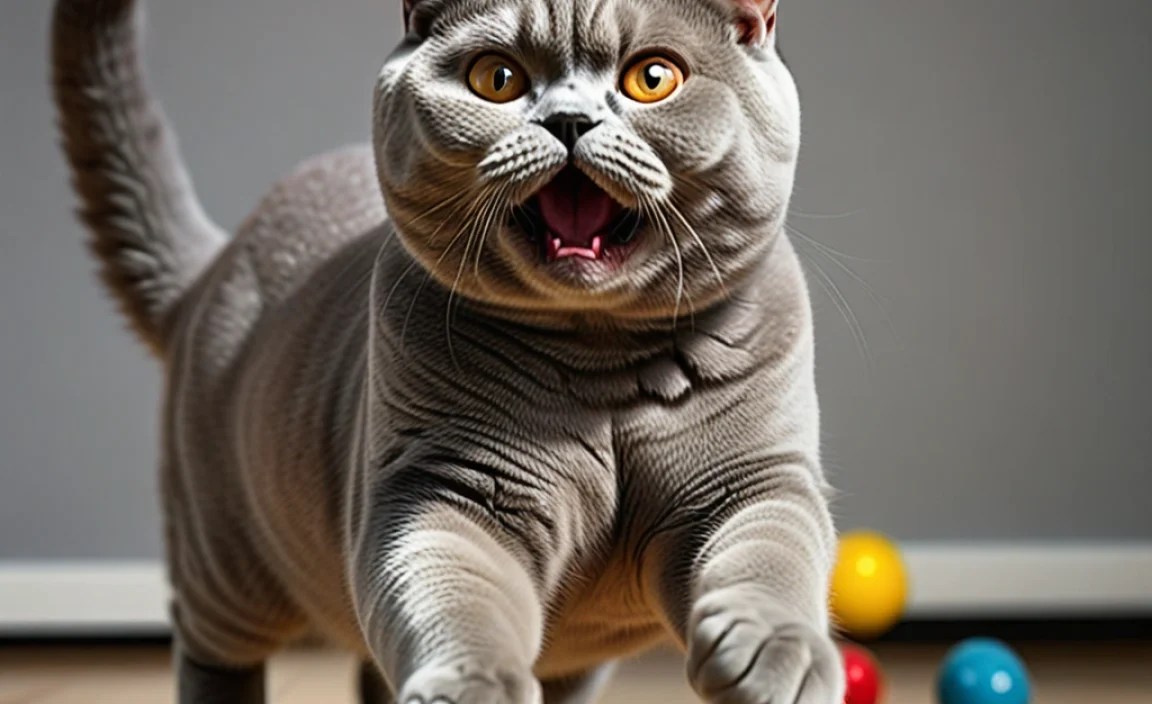
Even when you’re not available, your British Shorthair can entertain themselves with the right toys.
Plush Mice and Balls
Simple plush mice and balls are great for batting around and chasing. Choose toys that are lightweight and easy to grip.
- Variety: Offer a mix of sizes and textures to keep things interesting.
- Safety: Make sure there are no small parts that could be swallowed.
Scratching Posts and Pads
Scratching is a natural behavior for cats. Providing scratching posts or pads gives them an appropriate outlet.
- Types:
- Vertical Posts: Allow for full-body stretches.
- Horizontal Pads: Good for cats who prefer scratching on the ground.
- Placement: Put them in areas where your cat spends a lot of time.
Cardboard Boxes
Cats love cardboard boxes! They provide a sense of security and are perfect for hiding and pouncing.
- Simple Box: Just a plain box can provide hours of entertainment.
- Box Fort: Create a multi-box structure for more complex play.
- Safety: Remove any staples or tape that could be harmful.
Window Perches
British Shorthairs enjoy watching the world go by. A window perch gives them a comfortable spot to observe birds, squirrels, and other outdoor activities.
- Placement: Choose a window with plenty of activity.
- Comfort: Add a soft blanket or cushion for extra comfort.
- Safety: Ensure the perch is securely mounted.
Creating a Playful Environment
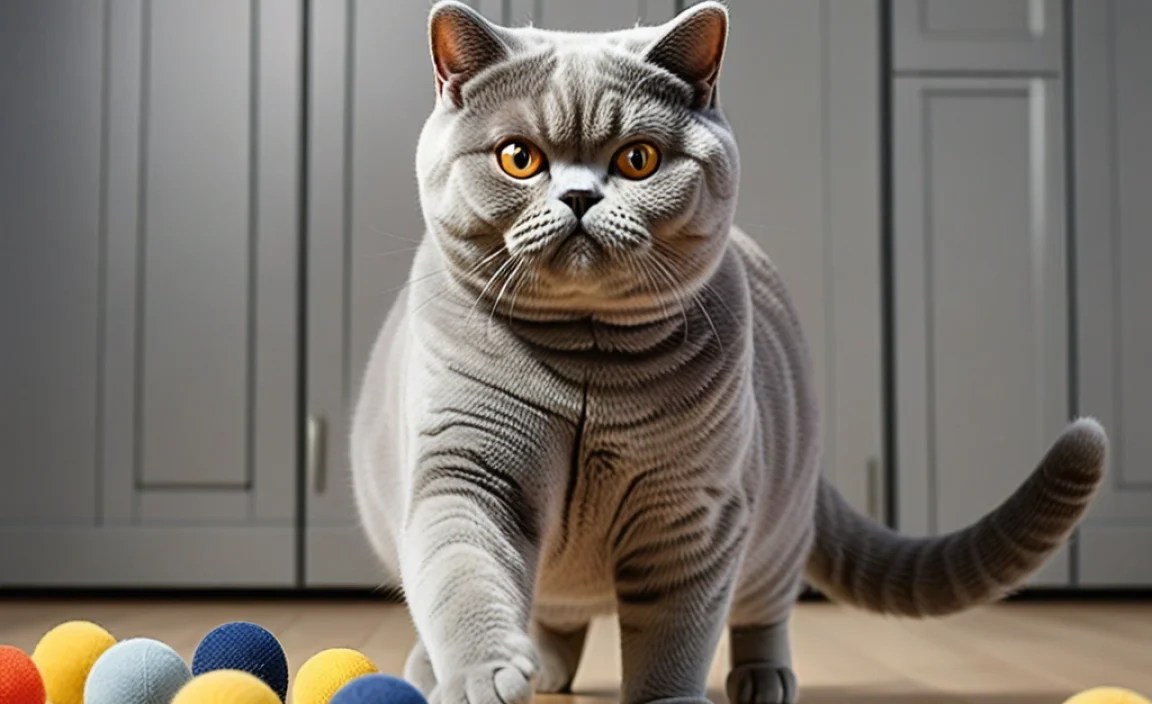
Setting up your home to encourage play can make a big difference in your British Shorthair’s activity level.
Toy Rotation
Cats can get bored with the same toys. Rotating them regularly keeps things fresh and exciting.
- Frequency: Rotate toys every few days or once a week.
- Storage: Keep the “off-duty” toys out of sight to maintain the novelty.
Climbing Structures
Cat trees and shelves allow your British Shorthair to climb and explore. They also provide a high vantage point to survey their territory.
- Height: Choose a tree or shelves that are tall enough for your cat to climb comfortably.
- Stability: Make sure the structure is sturdy and won’t tip over.
Safe Zones
Cats need a safe space where they can retreat and feel secure. This is especially important if you have a multi-pet household or young children.
- Quiet Area: Provide a quiet, secluded area where your cat can relax.
- Access: Make sure they can access this area easily, even if it’s high up.
Playtime Schedule and Duration
Consistency is key when it comes to playtime. Establishing a regular schedule helps your British Shorthair know what to expect.
Ideal Playtime Length
Aim for at least 15-20 minutes of interactive play per day. This can be broken up into shorter sessions.
- Morning Session: A quick play session before you leave for work can help reduce anxiety.
- Evening Session: A longer session in the evening can help burn off energy before bedtime.
Recognizing Playtime Cues
Pay attention to your cat’s behavior. They may indicate they want to play by:
- Bringing you a toy.
- Rubbing against your legs.
- Staring intently at a toy.
Adapting Playtime for Different Life Stages
A British Shorthair kitten will have different play needs than a senior cat. Adjust playtime accordingly.
Kittens
Kittens have boundless energy and need frequent, short play sessions. Focus on developing their coordination and hunting skills.
- Toys: Lightweight toys they can easily carry.
- Supervision: Always supervise kitten playtime to ensure their safety.
Adult Cats
Adult British Shorthairs still need regular play, but they may be less energetic than kittens. Focus on activities that stimulate their mind and body.
- Variety: Offer a mix of interactive and solo play options.
- Duration: Adjust the length of play sessions based on their energy level.
Senior Cats
Senior cats may have limited mobility and energy. Adapt playtime to their abilities.
- Gentle Play: Avoid high-impact activities.
- Comfort: Provide soft surfaces and comfortable resting spots.
- Shorter Sessions: Keep play sessions short and frequent.
Safety Considerations During Playtime
Ensuring a safe playtime environment is paramount. Here are a few safety measures to keep in mind:
- Toy Inspection: Regularly inspect toys for loose parts or damage. Replace them as needed.
- Supervision: Always supervise playtime with small toys that could be a choking hazard.
- Safe Materials: Choose toys made from non-toxic materials.
- Avoid Strings: Be cautious with string toys, as they can be ingested and cause intestinal problems. If your cat swallows a string, consult a veterinarian immediately.
Troubleshooting Common Playtime Issues
Sometimes, playtime doesn’t go as planned. Here are some common issues and how to address them.
Cat Isn’t Interested in Toys
If your British Shorthair isn’t interested in toys, try these tips:
- Try Different Toys: Experiment with different types of toys to find what they like.
- Movement: Make the toy move in an enticing way.
- Catnip: Sprinkle catnip on or around the toy to make it more appealing.
Aggressive Play
If your cat gets too rough during play, stop the session immediately. This teaches them that aggressive behavior ends playtime.
- Redirection: Redirect their attention to a different toy.
- Time-Out: If necessary, give them a short time-out in a separate room.
Playtime Ideas Table
| Playtime Idea | Description | Benefits | Suitable for |
|---|---|---|---|
| Wand Toys | Toys with feathers or ribbons attached to a wand | Encourages hunting instincts, interactive play | All ages |
| Laser Pointers | A laser beam for cats to chase | Provides exercise, stimulates hunting instincts | Adult cats |
| Puzzle Feeders | Toys that dispense food when manipulated | Mental stimulation, slows down eating | All ages |
| Plush Mice | Small, soft toys for cats to bat around | Solo play, encourages pouncing | All ages |
| Scratching Posts | Posts or pads for cats to scratch | Healthy scratching behavior, prevents furniture damage | All ages |
| Cardboard Boxes | Simple boxes for hiding and playing | Provides security, encourages exploration | All ages |
| Window Perches | Perches attached to windows for cats to observe outside | Mental stimulation, provides a comfortable spot | Adult and senior cats |
Playtime Considerations Table
| Consideration | Description | Importance |
|---|---|---|
| Toy Rotation | Regularly switching out toys | Keeps playtime engaging and prevents boredom |
| Climbing Structures | Cat trees or shelves for climbing | Provides exercise, satisfies climbing instincts |
| Safe Zones | Designated areas for cats to retreat and feel secure | Reduces stress, provides a sense of safety |
| Playtime Schedule | Establishing a consistent playtime routine | Helps cats anticipate and enjoy playtime |
| Adapting to Life Stage | Adjusting playtime activities based on age and ability | Ensures appropriate and enjoyable play for all cats |
| Safety Measures | Regularly inspecting toys and supervising play | Prevents injuries and ensures a safe play environment |
FAQ About British Shorthair Playtime
1. How much playtime does a British Shorthair need?
British Shorthairs need at least 15-20 minutes of interactive play per day, broken into shorter sessions. This helps keep them physically and mentally stimulated.
2. What types of toys do British Shorthairs prefer?
They enjoy a variety of toys, including wand toys, puzzle feeders, plush mice, and cardboard boxes. Toy rotation can help keep them interested.
3. How can I tell if my British Shorthair wants to play?
Signs include bringing you a toy, rubbing against your legs, or staring intently at a toy. Pay attention to these cues to initiate playtime.
4. Is it okay to use laser pointers with British Shorthairs?
Yes, but use them responsibly. Never point the laser at their eyes, and always end the session by shining the laser on a physical toy they can “catch.”
5. How do I adapt playtime for a senior British Shorthair?
Focus on gentle, low-impact activities. Provide soft surfaces, comfortable resting spots, and keep play sessions short and frequent.
6. What should I do if my cat gets aggressive during play?
Stop the play session immediately. Redirect their attention to a different toy or give them a short time-out to discourage aggressive behavior.
7. How do I introduce new toys to my British Shorthair?
Introduce new toys gradually. Let your cat investigate the toy at their own pace. You can also sprinkle catnip on or around the toy to make it more appealing.
Conclusion
Playtime is essential for the health and happiness of your British Shorthair. By understanding their unique personality and tailoring playtime to their needs, you can create a fun and enriching environment. Remember to offer a variety of toys, rotate them regularly, and adapt playtime to their life stage. With a little effort, you can keep your British Shorthair happy, healthy, and well-bonded to you for years to come. So, grab a wand toy, open a cardboard box, and get ready for some purr-fect playtime!


