
British Shorthair Cat Indoor Enrichment Ideas: Easy Fun!

Quick Summary: Keeping your British Shorthair happy indoors is easy with the right enrichment! Provide climbing opportunities with cat trees, stimulate their hunting instincts with puzzle feeders and interactive toys, and create cozy resting spots. Rotate toys to keep things interesting, and consider adding cat-safe plants for a touch of the outdoors. Regular playtime and attention are key to a content kitty!
Is your British Shorthair spending all day snoozing on the sofa? While these cats are known for their laid-back nature, they still need plenty of stimulation to stay happy and healthy indoors. Without enough enrichment, they might become bored, leading to destructive behaviors or even depression. Don’t worry; it’s easier than you think to create an exciting indoor environment for your beloved British Shorthair! This guide will walk you through simple, effective ways to enrich their lives, turning your home into a feline paradise. Let’s get started!
Understanding Your British Shorthair’s Needs

Before diving into specific enrichment ideas, it’s helpful to understand the unique needs of British Shorthairs. As a breed, they are generally calm and adaptable, but they still possess natural instincts that need to be satisfied, especially when living exclusively indoors. British Shorthairs are not as high-energy as some other breeds, but they still require daily physical and mental stimulation.
Key Instincts to Consider
- Hunting: The desire to stalk, chase, and catch prey.
- Climbing: The need to observe their surroundings from a high vantage point.
- Scratching: A natural behavior for marking territory and maintaining claw health.
- Resting: The need for safe, comfortable places to relax and sleep.
- Social Interaction: The need for attention and bonding with their human family.
By understanding these instincts, you can create an environment that caters to your British Shorthair’s natural behaviors, leading to a happier, healthier, and more well-adjusted cat. Now, let’s explore some specific enrichment ideas.
Creating a Vertical World
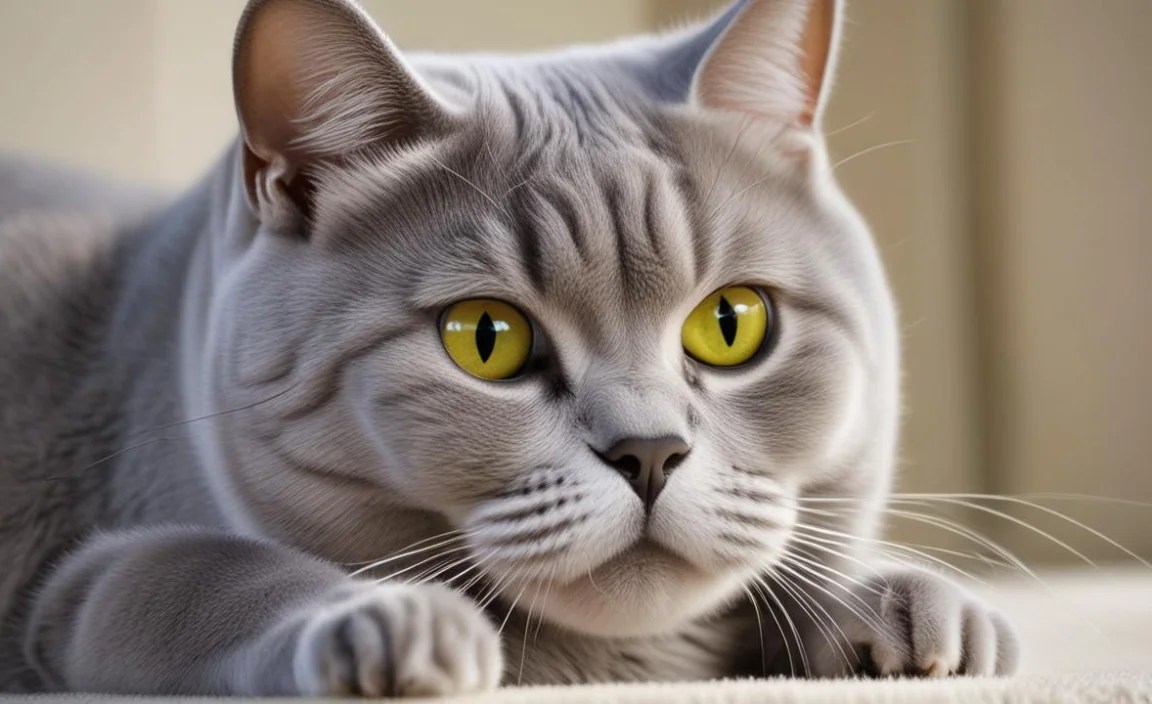
Cats love to climb! Providing vertical spaces is one of the best ways to enrich your British Shorthair’s indoor environment. It allows them to satisfy their natural climbing instincts, observe their surroundings from a safe height, and get some exercise.
Cat Trees
Cat trees are a staple for indoor cat enrichment. Look for sturdy cat trees with multiple levels, scratching posts, and cozy hideaways. British Shorthairs are not the most athletic cats, so choose a cat tree with easily accessible platforms. A good cat tree should be tall enough for your cat to feel like they’re surveying their kingdom, but not so tall that they struggle to climb it. Here’s what to look for:
- Multiple Levels: Different heights for exploring and resting.
- Scratching Posts: Sisal-covered posts to encourage scratching.
- Hideaways: Enclosed spaces for privacy and security.
- Sturdy Construction: To prevent wobbling or tipping.
Shelves and Wall-Mounted Furniture
Consider installing cat shelves or other wall-mounted furniture to create a “cat highway” around your home. This can be especially beneficial in smaller spaces where floor space is limited. Make sure the shelves are securely mounted and can support your cat’s weight. You can even add carpet or scratching pads to the shelves for added comfort and functionality.
Window Perches
British Shorthairs enjoy watching the world go by. A window perch provides them with a comfortable spot to observe birds, squirrels, and other outdoor activities. Choose a perch that is sturdy and easy to clean. Suction-cup perches are a popular option, but make sure they are securely attached to the window.
Stimulating Hunting Instincts

Even though your British Shorthair is living the pampered life of an indoor cat, their hunting instincts are still strong. Providing opportunities to stalk, chase, and “catch” prey is essential for their mental and physical well-being.
Interactive Toys
Interactive toys are designed to engage your cat’s hunting instincts. These toys often mimic the movements of prey, encouraging your cat to chase, pounce, and bat. Some popular options include:
- Wand Toys: A feather or toy attached to a wand that you can move around to simulate prey.
- Laser Pointers: A laser beam that your cat will chase (use with caution and always end the session with a tangible toy to “catch”).
- Electronic Mice: Battery-operated mice that move erratically, enticing your cat to hunt.
Puzzle Feeders
Puzzle feeders are a great way to challenge your cat mentally and slow down their eating. These feeders require your cat to solve a puzzle to access their food, stimulating their problem-solving skills and providing mental enrichment. There are many different types of puzzle feeders available, from simple treat balls to more complex puzzles that require your cat to manipulate objects to get to the food. Here’s a quick guide:
| Type of Puzzle Feeder | Description | Benefits |
|---|---|---|
| Treat Ball | A ball with holes that dispenses treats as it rolls. | Encourages movement and provides a fun challenge. |
| Puzzle Board | A board with various compartments and obstacles that hide treats. | Stimulates problem-solving skills and slows down eating. |
| Interactive Feeder | A feeder that requires the cat to perform a specific action to release food. | Provides mental stimulation and keeps the cat engaged. |
Rotating Toys
Cats can get bored with the same toys after a while. Keep things interesting by rotating your cat’s toys regularly. Put some toys away and bring out others every few days to keep them engaged and excited. This will make the toys feel new and exciting again.
Creating Cozy Resting Spots

British Shorthairs are known for their love of lounging and napping. Providing them with comfortable and secure resting spots is essential for their well-being. Cats spend a significant portion of their day sleeping, so it’s important to create a variety of cozy spots where they can relax and recharge.
Cat Beds
Choose cat beds that are soft, comfortable, and appropriately sized for your British Shorthair. Some cats prefer enclosed beds that provide a sense of security, while others prefer open beds that allow them to stretch out. Experiment with different types of beds to see what your cat prefers. Consider the following factors:
- Material: Soft, plush materials like fleece or faux fur are often preferred.
- Shape: Round, square, or enclosed beds are all popular options.
- Size: The bed should be large enough for your cat to stretch out comfortably.
- Location: Place the bed in a quiet, draft-free area.
Blankets and Soft Bedding
Add soft blankets or bedding to your cat’s favorite resting spots to make them even more comfortable. Cats love to knead and burrow in soft materials, so providing them with plenty of cozy options is a great way to make them feel secure and content. Consider these options:
- Fleece Blankets: Soft and warm, perfect for snuggling.
- Sherpa Blankets: Extra plush and cozy.
- Self-Warming Beds: Reflects your cat’s body heat to keep them warm.
Elevated Resting Spots
Cats often feel more secure when they are elevated. Providing them with elevated resting spots, such as window perches or cat trees, allows them to observe their surroundings from a safe height and feel more in control of their environment.
Enriching the Environment with Sensory Stimulation

Cats rely heavily on their senses to explore and understand their environment. Providing them with a variety of sensory experiences can help to keep them mentally stimulated and engaged.
Cat-Safe Plants
Adding cat-safe plants to your home can provide your British Shorthair with a touch of the outdoors and stimulate their senses. Some popular cat-safe plants include catnip, cat grass, and spider plants. Make sure to research any plant before bringing it into your home to ensure that it is not toxic to cats. According to the ASPCA, many common houseplants are poisonous to cats, so it’s crucial to be informed. Some safe choices are:
- Catnip (Nepeta cataria): Known for its euphoric effects on cats.
- Cat Grass (Dactylis glomerata): Provides essential nutrients and fiber.
- Spider Plant (Chlorophytum comosum): Safe and easy to grow.
Scratching Posts and Pads
Scratching is a natural behavior for cats. It helps them to maintain their claws, mark their territory, and stretch their muscles. Providing your British Shorthair with plenty of scratching posts and pads is essential for their physical and mental well-being. Place scratching posts in prominent locations, such as near their favorite resting spots or in areas where they are likely to scratch. Different cats prefer different scratching surfaces, so experiment with different materials, such as sisal, cardboard, and carpet, to see what your cat prefers.
Sound Enrichment
Playing calming music or nature sounds can help to create a relaxing and stimulating environment for your British Shorthair. Some cats enjoy listening to classical music or nature sounds, such as birds chirping or rain falling. Avoid loud or jarring noises, which can be stressful for cats. There are even music specifically designed for cats, based on feline vocalizations and frequencies, that you can easily find online.
The Importance of Social Interaction
While British Shorthairs are known for being independent, they still need social interaction with their human family. Spending time playing, petting, and talking to your cat is essential for their emotional well-being. Regular interaction helps to strengthen the bond between you and your cat and provides them with the attention and affection they crave. Aim for at least 15-20 minutes of focused playtime each day. This could involve:
- Playtime with Toys: Engaging with wand toys, laser pointers, or other interactive toys.
- Petting and Grooming: Providing gentle strokes and brushing to help them relax.
- Talking and Cuddling: Spending time simply talking to your cat and offering cuddles.
Addressing Common Concerns
Even with the best enrichment strategies, you may encounter some challenges. Here are some common concerns and how to address them:
Destructive Scratching
If your cat is scratching furniture instead of their scratching post, try placing the scratching post near the furniture they are scratching. You can also try using a cat attractant spray on the scratching post to make it more appealing. Make sure the scratching post is sturdy and tall enough for your cat to fully stretch while scratching. Consider these solutions:
- Placement: Position the scratching post near the furniture they scratch.
- Cat Attractant: Use a spray to entice them to use the post.
- Variety: Offer different types of scratching posts (vertical, horizontal, angled).
Boredom and Inactivity
If your cat seems bored and inactive, try increasing their playtime and providing them with more interactive toys. You can also try hiding treats around the house to encourage them to explore and hunt. Rotate toys regularly to keep them engaged. Consider these tips:
- More Playtime: Increase the frequency and duration of play sessions.
- Treat Hiding: Hide treats around the house to encourage exploration.
- Toy Rotation: Keep toys fresh and exciting by rotating them.
Aggression
If your cat is exhibiting aggressive behavior, it’s important to consult with a veterinarian or a certified cat behaviorist to rule out any underlying medical conditions or behavioral issues. Aggression can be caused by pain, fear, or territoriality. A professional can help you identify the cause of the aggression and develop a plan to address it. According to the Cornell Feline Health Center, aggression in cats can stem from various factors, and professional help is often necessary. Consider seeking professional help if you observe:
- Sudden Aggression: Could indicate a medical issue.
- Territorial Aggression: Often directed at other animals or people entering their space.
- Fear-Based Aggression: Triggered by specific stimuli or situations.
British Shorthair Cat Indoor Enrichment Ideas: FAQs
Here are some frequently asked questions about enriching your British Shorthair’s indoor environment:
- Q: How much playtime does my British Shorthair need?
- A: Aim for at least 15-20 minutes of focused playtime each day. This can be broken up into shorter sessions throughout the day.
- Q: What are some safe plants for my British Shorthair?
- A: Safe options include catnip, cat grass, spider plants, and some herbs. Always research before introducing new plants.
- Q: My cat scratches the furniture. How can I stop this?
- A: Provide plenty of scratching posts, place them near the furniture, and use cat attractant sprays. Make sure the posts are sturdy and tall enough.
- Q: How often should I rotate my cat’s toys?
- A: Rotate toys every few days to keep things interesting. Put some toys away and bring out others to keep your cat engaged.
- Q: What is a puzzle feeder, and how does it help?
- A: A puzzle feeder requires your cat to solve a puzzle to access their food, stimulating their problem-solving skills and slowing down their eating.
- Q: My British Shorthair seems lazy. How can I encourage more activity?
- A: Increase playtime, provide interactive toys, and consider hiding treats to encourage exploration. Vertical spaces also help!
- Q: Are laser pointers safe for cats?
- A: Laser pointers can be used safely, but always end the session with a tangible toy for your cat to “catch” to avoid frustration.
Conclusion
Enriching your British Shorthair’s indoor environment is an ongoing process that requires observation, experimentation, and a willingness to adapt to your cat’s individual needs. By providing them with opportunities to express their natural instincts, you can create a stimulating and fulfilling life for your feline companion. From climbing and scratching to hunting and resting, there are countless ways to enhance their well-being. Remember, a happy cat makes for a happy home! So, go ahead and start implementing these ideas today, and watch your British Shorthair thrive in their enriched indoor paradise.


