
British Shorthair Cat Mental Health Tips: Easy Guide

Quick Summary: Keeping your British Shorthair cat happy and healthy involves more than just food and shelter. Mental well-being is key! Provide plenty of playtime with interactive toys, create a safe and enriching environment with scratching posts and climbing structures, and ensure they have social interaction, whether with you or another friendly pet. A calm, consistent routine and recognizing signs of stress are also essential for their emotional health.
Is your British Shorthair cat seeming a bit down? Just like us, cats can experience stress and anxiety, which can affect their overall well-being. As a breed, British Shorthairs are known for their calm and independent nature, but they still need mental stimulation and a loving environment to thrive. It’s normal to feel a little lost or worried if your feline friend isn’t their usual self. Don’t worry, I’m here to guide you through simple steps you can take to boost your British Shorthair’s mental health and bring back their purrfect happiness.
In this article, we’ll explore practical and easy-to-implement tips for keeping your British Shorthair mentally happy. We’ll cover everything from creating an enriching environment and providing stimulating activities to recognizing signs of stress and ensuring their social needs are met. Let’s get started on the path to a happier, healthier kitty!
Creating an Enriching Environment
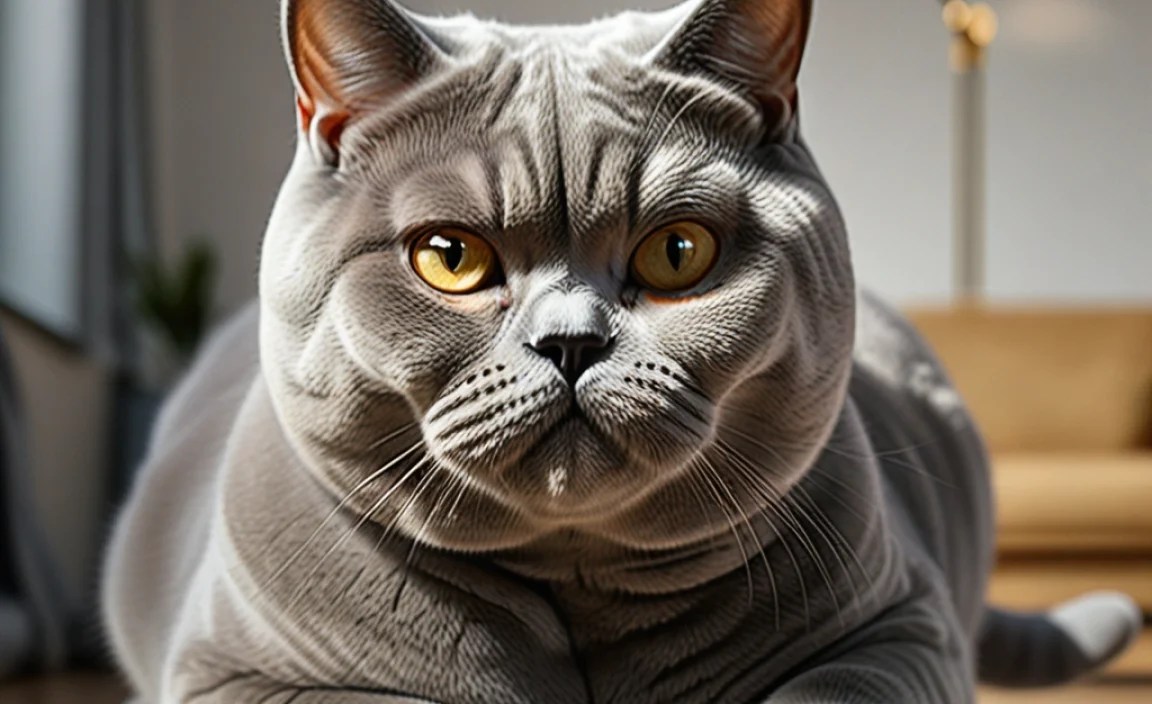
A stimulating environment is vital for your British Shorthair’s mental well-being. Cats are natural explorers and hunters, so providing opportunities for them to express these instincts indoors is crucial.
Provide Plenty of Toys and Rotate Them Regularly
Just like children, cats can get bored with the same old toys. Keep things interesting by rotating their toys regularly. This keeps them engaged and prevents boredom.
- Interactive Toys: Puzzle feeders, laser pointers, and toys that mimic prey can keep your cat mentally stimulated.
- Solo Play Toys: Balls, toy mice, and crinkle toys allow your cat to entertain themselves when you’re not available.
- DIY Toys: Simple toys like cardboard boxes, paper bags (handles removed for safety), and toilet paper rolls can provide hours of entertainment.
Create Vertical Space
Cats love to climb and observe their surroundings from a high vantage point. Providing vertical space can significantly enhance their sense of security and provide mental stimulation.
- Cat Trees: These provide multiple levels for climbing, scratching, and lounging.
- Shelves: Install shelves at different heights to create a cat-friendly climbing wall.
- Window Perches: Allow your cat to watch birds and other outdoor activity, providing visual stimulation.
Scratching Posts are Essential
Scratching is a natural behavior for cats. It helps them maintain their claws, stretch their muscles, and mark their territory. Providing appropriate scratching surfaces can prevent them from scratching furniture and reduce stress.
- Variety of Surfaces: Offer scratching posts made of different materials, such as sisal, cardboard, and carpet.
- Placement: Place scratching posts in areas where your cat spends the most time or near furniture they might be tempted to scratch.
- Vertical and Horizontal Options: Some cats prefer vertical posts, while others prefer horizontal scratchers. Offer both to cater to your cat’s preferences.
Playtime and Mental Stimulation
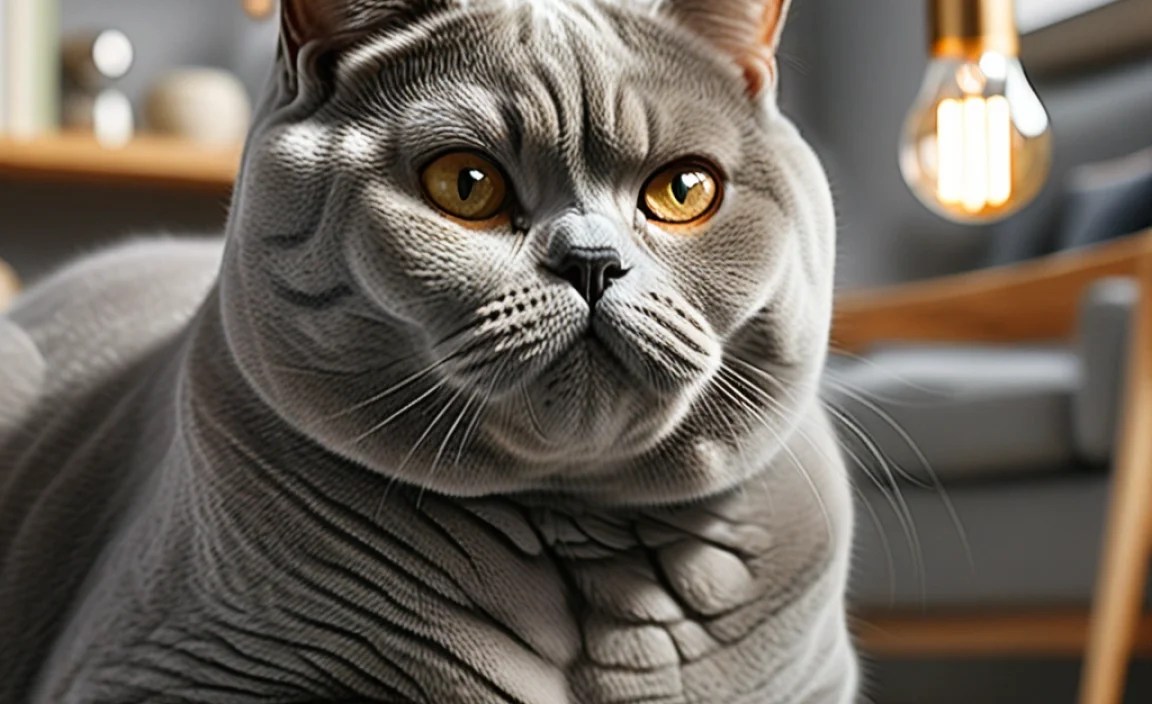
Regular playtime is essential for keeping your British Shorthair mentally sharp and physically active. It’s also a great way to bond with your cat.
Interactive Play Sessions
Dedicate at least 15-20 minutes each day to interactive play sessions. These sessions should mimic hunting behavior to engage your cat’s natural instincts.
- Laser Pointer: Use a laser pointer to simulate prey movement, encouraging your cat to chase and pounce. Be sure to end the session by letting them “catch” a physical toy to avoid frustration.
- Wand Toys: Feather wands, fishing pole toys, and other wand toys allow you to control the movement of the “prey,” providing a stimulating and engaging experience for your cat.
- Puzzle Feeders: These toys require your cat to solve a puzzle to access their food, providing mental stimulation and slowing down their eating.
Training and Clicker Training
British Shorthairs are intelligent cats and can be trained using positive reinforcement techniques. Clicker training is a fun and effective way to teach your cat new tricks and behaviors.
- Basic Commands: Teach your cat to sit, stay, come, and high-five using treats and positive reinforcement.
- Trick Training: Teach your cat to perform tricks like rolling over, playing dead, or fetching.
- Clicker Training: Use a clicker to mark the desired behavior, followed by a treat. This helps your cat associate the clicker sound with positive reinforcement. The RSPCA provides detailed guides on clicker training.
Environmental Enrichment Ideas
Beyond toys and playtime, there are many other ways to enrich your cat’s environment and provide mental stimulation.
- Catnip: Catnip is a natural herb that can induce a temporary state of euphoria in cats. Offer catnip toys or sprinkle catnip on scratching posts to encourage play and scratching.
- Cat Grass: Growing cat grass indoors provides a safe and healthy way for your cat to satisfy their urge to chew on plants.
- Window Watching: Provide a comfortable spot near a window where your cat can watch birds, squirrels, and other outdoor activity.
Social Interaction and Companionship

While British Shorthairs are known for their independent nature, they still need social interaction and companionship. Loneliness and lack of social interaction can lead to stress and behavioral problems.
Spending Quality Time with Your Cat
Even if your cat is independent, it’s important to spend quality time with them each day. This can include petting, grooming, playing, or simply sitting near them while you read or watch TV.
- Petting and Grooming: Regular petting and grooming not only strengthen your bond with your cat but also help to reduce stress and anxiety.
- Lap Time: If your cat enjoys it, encourage them to sit on your lap while you relax.
- Talking to Your Cat: Talking to your cat in a soothing voice can help them feel more secure and loved.
Considering a Second Cat
If you spend long hours away from home, consider getting a second cat to provide companionship for your British Shorthair. However, it’s important to introduce them properly to ensure they get along.
- Gradual Introduction: Keep the cats separated initially and gradually introduce them to each other’s scents before allowing them to meet face-to-face.
- Supervised Interactions: Supervise their interactions closely and separate them if they show signs of aggression.
- Separate Resources: Provide separate food bowls, water bowls, litter boxes, and sleeping areas for each cat to minimize competition and stress.
Other Pets as Companions
While cats are often best paired with other cats, some British Shorthairs can form bonds with other types of pets, such as dogs or rabbits. However, it’s important to consider the individual personalities of the animals and introduce them carefully.
- Careful Introduction: Introduce the animals gradually and supervise their interactions closely.
- Safe Environment: Ensure that each animal has a safe space to retreat to if they feel overwhelmed or threatened.
- Positive Reinforcement: Reward positive interactions with treats and praise.
Recognizing Signs of Stress and Anxiety

Being able to recognize signs of stress and anxiety in your British Shorthair is crucial for addressing the underlying causes and providing appropriate support.
Behavioral Changes
Changes in your cat’s behavior can be a sign of stress or anxiety. These changes can include:
- Hiding: Cats may hide when they feel scared or threatened.
- Aggression: Stress can sometimes lead to increased aggression towards people or other animals.
- Changes in Appetite: Stress can cause a cat to eat more or less than usual.
- Litter Box Issues: Urinating or defecating outside the litter box can be a sign of stress or anxiety.
- Excessive Grooming: Over-grooming can be a coping mechanism for stress.
Physical Symptoms
Stress and anxiety can also manifest as physical symptoms in cats. These symptoms can include:
- Vomiting or Diarrhea: Stress can disrupt the digestive system.
- Loss of Appetite: Anxiety can cause a cat to lose interest in food.
- Increased Heart Rate: A rapid heartbeat can be a sign of stress.
- Panting: Cats typically only pant when they are very stressed or overheated.
Common Stressors for British Shorthairs
Understanding the common stressors for British Shorthairs can help you prevent or minimize their exposure to these triggers.
- Changes in Routine: Cats are creatures of habit, and changes in their routine can be stressful.
- New Pets or People: Introducing a new pet or person into the household can be stressful for some cats.
- Loud Noises: Loud noises, such as fireworks or thunderstorms, can be frightening for cats.
- Moving: Moving to a new home can be a major source of stress for cats.
- Veterinary Visits: Many cats find veterinary visits stressful.
Creating a Calm and Consistent Routine
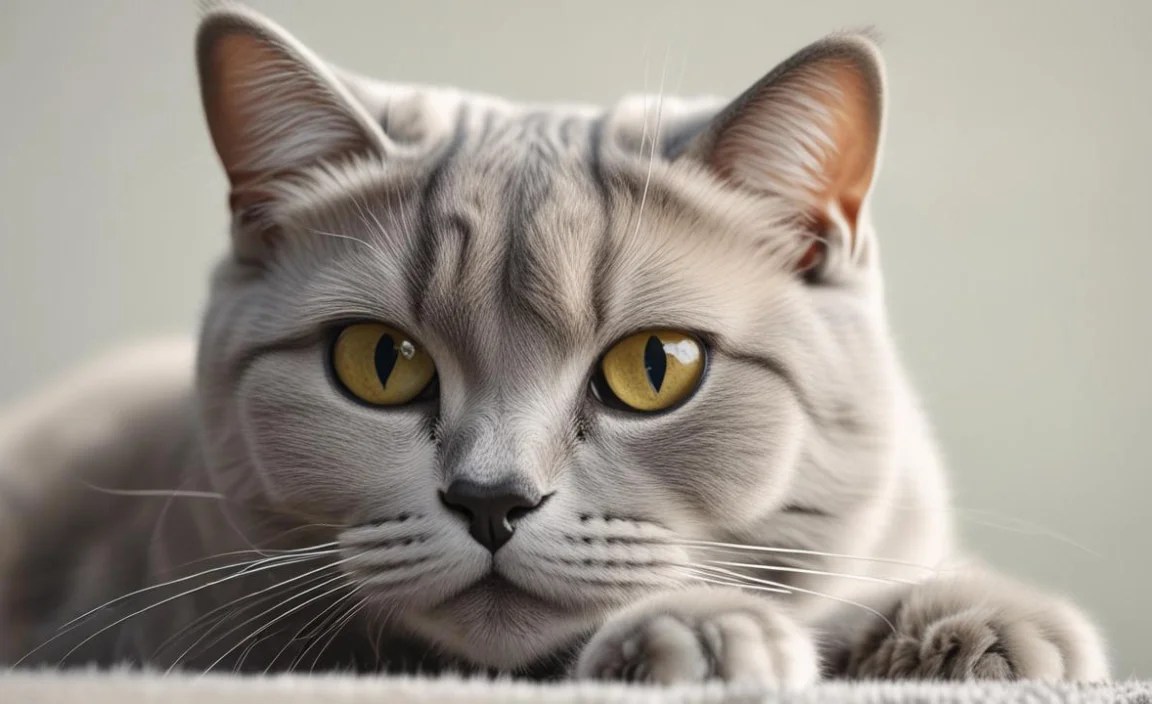
Cats thrive on routine and predictability. Creating a calm and consistent routine can help reduce stress and anxiety in your British Shorthair.
Feeding Schedule
Feed your cat at the same time each day to provide a sense of security and predictability. Avoid sudden changes in their diet, as this can also be stressful.
Playtime Schedule
Schedule regular playtime sessions at the same time each day to provide mental stimulation and exercise. This can also help to reduce anxiety and boredom.
Sleep Schedule
Provide a comfortable and quiet sleeping area where your cat can rest undisturbed. Avoid disrupting their sleep schedule as much as possible.
Minimizing Stressful Events
Minimize your cat’s exposure to stressful events, such as loud noises, unfamiliar visitors, and changes in routine. If stressful events are unavoidable, take steps to prepare your cat and provide them with a safe space to retreat to.
Diet and Nutrition for Mental Health

A balanced and nutritious diet is essential for your British Shorthair’s overall health, including their mental well-being. Certain nutrients can play a role in supporting brain function and reducing stress.
High-Quality Cat Food
Choose a high-quality cat food that is formulated for your cat’s age and activity level. Look for foods that contain high-quality protein, healthy fats, and essential vitamins and minerals. Purina offers a wide range of nutritionally balanced cat foods.
Omega-3 Fatty Acids
Omega-3 fatty acids, such as those found in fish oil, can help support brain function and reduce inflammation. Consider adding a supplement to your cat’s diet or choosing a cat food that is rich in omega-3s.
L-Tryptophan
L-Tryptophan is an amino acid that can help promote relaxation and reduce anxiety. Some cat foods contain added L-Tryptophan, or you can give your cat a supplement under the guidance of your veterinarian.
Hydration
Ensure that your cat has access to fresh, clean water at all times. Dehydration can lead to stress and other health problems. Consider providing multiple water sources, such as a water fountain, to encourage your cat to drink more.
When to Seek Professional Help

If you’ve tried these tips and your British Shorthair is still showing signs of stress or anxiety, it’s important to seek professional help from your veterinarian or a certified cat behaviorist.
Veterinary Consultation
Your veterinarian can rule out any underlying medical conditions that may be contributing to your cat’s stress or anxiety. They can also recommend appropriate medications or supplements to help manage their symptoms.
Certified Cat Behaviorist
A certified cat behaviorist can help you identify the underlying causes of your cat’s stress or anxiety and develop a behavior modification plan to address these issues. They can also provide guidance on creating a more enriching and stress-free environment for your cat. The International Cat Association (TICA) can help you find qualified professionals.
Medication
In some cases, medication may be necessary to manage your cat’s stress or anxiety. Your veterinarian can prescribe anti-anxiety medications or antidepressants to help calm your cat and improve their quality of life. Always follow your veterinarian’s instructions carefully when administering medication.
Summary Table: British Shorthair Mental Health Tips
| Tip | Description | Benefits |
|---|---|---|
| Enriching Environment | Provide toys, vertical space, and scratching posts. | Reduces boredom, encourages natural behaviors, and enhances security. |
| Interactive Play | Engage in daily play sessions with toys like laser pointers and wands. | Stimulates hunting instincts, provides exercise, and strengthens bond. |
| Social Interaction | Spend quality time with your cat through petting, grooming, and lap time. | Reduces loneliness, enhances bond, and provides comfort. |
| Consistent Routine | Maintain a regular feeding, playtime, and sleep schedule. | Provides predictability, reduces stress, and enhances security. |
| Balanced Diet | Feed high-quality cat food with omega-3s and L-Tryptophan. | Supports brain function, reduces inflammation, and promotes relaxation. |
| Professional Help | Consult a vet or behaviorist if stress persists. | Identifies underlying issues, provides medication, and creates behavior plans. |
Checklist: Ensuring Your British Shorthair’s Mental Well-being
Use this checklist to ensure you’re covering all the bases when it comes to your British Shorthair’s mental health:
- Environment: Provide a stimulating environment with plenty of toys, scratching posts, and vertical space.
- Playtime: Engage in daily interactive play sessions.
- Socialization: Spend quality time with your cat and consider a companion animal.
- Routine: Establish a consistent daily routine for feeding, playtime, and sleep.
- Diet: Feed a high-quality diet with essential nutrients.
- Observation: Monitor your cat for signs of stress or anxiety.
- Professional Help: Seek professional help from a veterinarian or behaviorist if needed.
FAQ: British Shorthair Mental Health
Q1: How can I tell if my British Shorthair is stressed?
Look for behavioral changes like hiding, aggression, changes in appetite, or litter box issues. Physical symptoms may include vomiting, diarrhea, or increased heart rate.
Q2: What are some common stressors for British Shorthairs?
Common stressors include changes in routine, new pets or people, loud noises, moving, and veterinary visits.
Q3: How much playtime does my British Shorthair need?
Aim for at least 15-20 minutes of interactive playtime each day to keep them mentally stimulated and physically active.
Q4: Is it okay to get a second cat to keep my British Shorthair company?
Yes, a second cat can provide companionship, but introduce them gradually and provide separate resources to minimize competition and stress.
Q5: What are some good toys for mental stimulation?
Puzzle feeders, laser pointers, wand toys, and DIY toys like cardboard boxes can provide hours of entertainment and mental stimulation.
Q6: Can diet affect my cat’s mental health?
Yes, a balanced diet with omega-3 fatty acids and L-Tryptophan can support brain function and reduce anxiety.
Q7: When should I see a vet about my cat’s stress?
If you notice persistent signs of stress or anxiety despite implementing these tips, consult your veterinarian to rule out any underlying medical conditions and discuss treatment options.
By implementing these British Shorthair cat mental health tips, you can ensure your feline friend lives a happy, healthy, and fulfilling life. Remember, a little effort goes a long way in creating a purrfectly content companion. From providing an enriching environment to understanding their unique needs, you’re well-equipped to support your British Shorthair’s mental well-being. Enjoy the journey of caring for your beloved cat, and relish in the joy they bring to your life!


