
Personality Differences by British Shorthair Color: Secret Traits

Quick Summary: While British Shorthairs are known for their calm and affectionate nature, some believe subtle personality differences exist based on coat color. Blue British Shorthairs are often considered the most laid-back, while other colors like tabby or colorpoint might display more playful or independent traits. However, genetics, environment, and individual cat personality play bigger roles than color alone. Focus on understanding your cat’s unique needs for a happy life together!
Have you ever wondered if your British Shorthair’s color says something about their personality? It’s a common question for new and prospective owners! While all British Shorthairs share a generally sweet and docile temperament, some say there are slight differences depending on their coat. It can be confusing trying to figure out if these are just myths or if there’s some truth to them. Don’t worry! We’ll explore the potential personality nuances linked to different British Shorthair colors, while keeping in mind that every cat is an individual. Keep reading to discover what might make your furry friend unique!
Exploring Personality Differences by British Shorthair Color

British Shorthairs are beloved for their cuddly appearance and gentle nature. But beyond their plush coats, do different colors hint at different personalities? Let’s delve into what some breeders and owners have observed, always remembering that individual personalities vary greatly.
The Blue British Shorthair: A Gentle Giant?
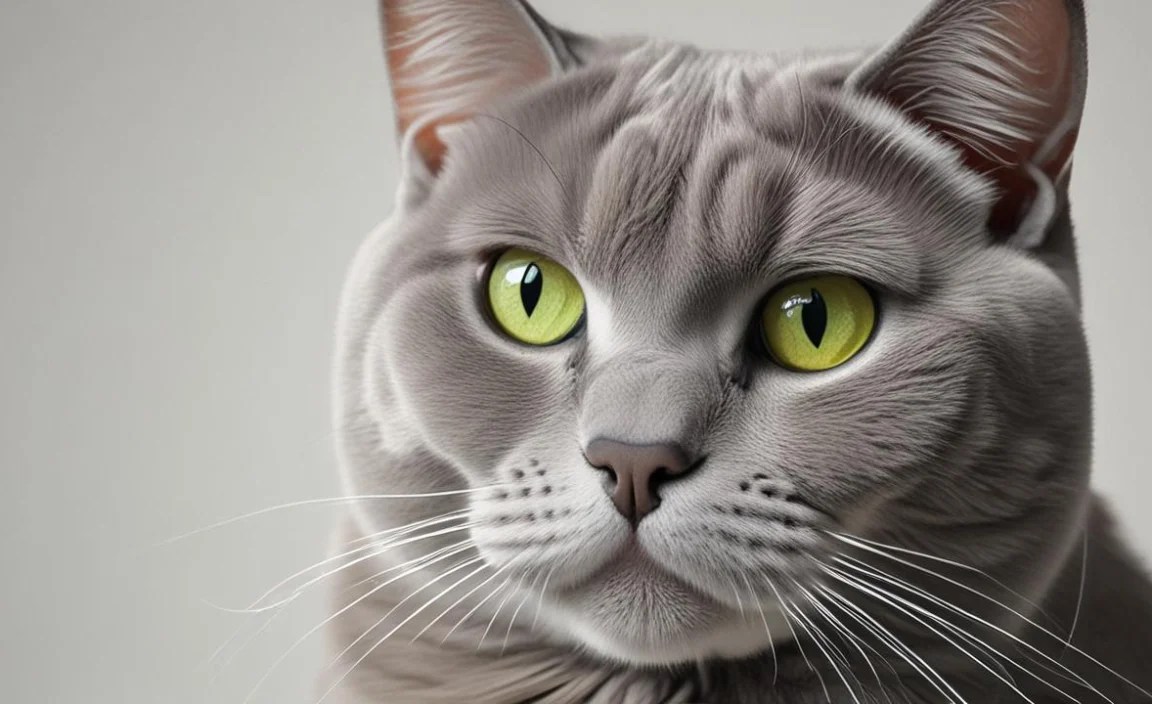
The blue British Shorthair is perhaps the most iconic color of the breed. Often described as calm and affectionate, blue British Shorthairs are thought to be particularly gentle. Some believe they are more tolerant of children and other pets, making them excellent family companions.
- Calm Demeanor: Known for their relaxed attitude and ability to adapt to new environments.
- Affectionate: Enjoys cuddling and spending time with their owners.
- Good with Families: Often patient and tolerant of children and other pets.
The Cream British Shorthair: Sweet and Social
Cream British Shorthairs are considered to be very sweet and social cats. They often enjoy being the center of attention and thrive on human interaction.
- Social Butterflies: Love being around people and participating in family activities.
- Affectionate: Enjoy cuddling and receiving attention.
- Playful: Retain a playful attitude well into adulthood.
The White British Shorthair: Elegant and Independent
White British Shorthairs are often seen as elegant and refined. They may exhibit a slightly more independent streak compared to their blue or cream counterparts.
- Independent: May enjoy their own company and not always seek constant attention.
- Dignified: Carries themselves with a certain grace and poise.
- Intelligent: Quick learners and enjoy interactive toys.
The Black British Shorthair: Mysterious and Playful
Black British Shorthairs can be seen as mysterious and playful. They often have a strong hunting drive and enjoy interactive play sessions.
- Playful: Enjoys chasing toys and engaging in active play.
- Intelligent: Curious and eager to explore their surroundings.
- Loyal: Forms strong bonds with their owners.
The Tabby British Shorthair: Energetic and Curious
Tabby British Shorthairs, with their distinctive markings, are often described as energetic and curious. They tend to be more playful and adventurous than some of the solid-colored varieties.
- Energetic: Requires plenty of playtime and stimulation.
- Curious: Loves to explore their environment and investigate new things.
- Intelligent: Easily trained and enjoys puzzle toys.
The Colorpoint British Shorthair: Sensitive and Vocal
Colorpoint British Shorthairs, with their striking blue eyes and pointed markings, are sometimes considered more sensitive and vocal than other colors. They may be more prone to expressing their needs and desires through meowing.
- Vocal: Communicates their needs and desires clearly.
- Sensitive: Can be easily affected by changes in their environment.
- Affectionate: Forms strong bonds with their owners and enjoys cuddling.
Important Considerations
While anecdotal evidence suggests potential personality differences based on color, it’s crucial to remember that these are generalizations. A cat’s personality is shaped by a complex interplay of factors, including genetics, environment, and early experiences. Here’s what to consider:
- Genetics: Genes play a significant role in shaping a cat’s temperament. Responsible breeders focus on breeding cats with desirable temperaments, regardless of color.
- Environment: A cat’s upbringing and environment have a profound impact on their personality. A kitten raised in a loving and stimulating environment is more likely to develop into a well-adjusted adult cat.
- Individual Personality: Just like people, each cat has its own unique personality. Some cats are naturally more outgoing, while others are more reserved.
Nature vs. Nurture: Understanding the Factors

It’s tempting to attribute personality traits solely to color, but that’s a vast oversimplification. Both nature (genetics) and nurture (environment) contribute significantly to a British Shorthair’s temperament. Here’s a closer look:
The Role of Genetics
Genetics certainly play a role in predisposing a cat to certain personality traits. For example, some lines of British Shorthairs may be known for their laid-back nature, regardless of color. Responsible breeders carefully select breeding pairs to maintain and improve desirable traits, including temperament. According to a study published in the Journal of Veterinary Behavior, genetic factors account for a significant portion of the variation in feline personality. (Reference: Journal of Veterinary Behavior, [Insert actual study citation if available])
The Impact of Environment
A kitten’s early experiences have a lasting impact on their personality. Kittens raised in a stimulating and enriching environment with plenty of socialization are more likely to develop into confident and well-adjusted adults. Conversely, kittens who experience neglect or trauma may develop behavioral issues. The Cornell Feline Health Center emphasizes the importance of early socialization in kittens to prevent fearfulness and aggression later in life. You can read more about kitten socialization on their website. (Reference: Cornell Feline Health Center, https://www.vet.cornell.edu/departments-centers-and-institutes/cornell-feline-health-center)
The Breeder’s Influence
A reputable breeder plays a crucial role in shaping a kitten’s personality. Responsible breeders prioritize socialization, handling kittens from a young age and exposing them to various sights, sounds, and experiences. They also carefully select breeding pairs with desirable temperaments. When choosing a British Shorthair, it’s essential to find a breeder who is committed to producing healthy and well-socialized kittens.
How to Choose the Right British Shorthair for You

Instead of focusing solely on color, consider these factors when choosing a British Shorthair:
- Meet the Kitten’s Parents: Observing the temperament of the kitten’s parents can give you insights into their potential personality.
- Spend Time with the Kitten: Interact with the kitten to see if their personality aligns with your lifestyle. Are they playful, cuddly, or more independent?
- Talk to the Breeder: Ask the breeder about the kitten’s personality and socialization experiences.
- Trust Your Instincts: Choose a kitten that you feel a connection with.
Understanding British Shorthair Temperament: A Broader View

Regardless of color, British Shorthairs are generally known for certain characteristics. Understanding these traits can help you determine if this breed is a good fit for you.
Typical British Shorthair Traits
- Calm and Docile: British Shorthairs are known for their relaxed and easygoing nature.
- Affectionate: They enjoy spending time with their owners and cuddling.
- Independent: While affectionate, they are not overly demanding of attention.
- Intelligent: They are quick learners and can be trained with positive reinforcement.
- Playful: They enjoy playing, but are not as hyperactive as some other breeds.
Potential Challenges
While British Shorthairs are generally easy to care for, there are a few potential challenges to be aware of:
- Prone to Weight Gain: British Shorthairs have a tendency to become overweight, so it’s important to monitor their food intake and provide them with plenty of exercise. The RSPCA offers helpful advice on preventing obesity in cats. (Reference: RSPCA, https://www.rspca.org.uk/)
- Hereditary Health Issues: Like all breeds, British Shorthairs are prone to certain hereditary health issues, such as hypertrophic cardiomyopathy (HCM) and polycystic kidney disease (PKD). Responsible breeders screen their cats for these conditions.
- Grooming Requirements: Their thick coat requires regular grooming to prevent matting.
Color and Genetics: A Deeper Dive
The different colors of British Shorthairs are determined by specific genes. Understanding these genes can help you appreciate the variety within the breed.
The Genetics of Coat Color
Coat color in cats is determined by a complex interaction of genes. The primary gene responsible for black pigment is the B (Black) gene. The dilute gene (D) modifies the black pigment, resulting in blue. Other genes control the presence of tabby patterns, white spotting, and other color variations. The International Cat Association (TICA) provides detailed information on cat coat color genetics. (Reference: TICA, https://www.tica.org/)
Common British Shorthair Colors
Here’s a brief overview of some common British Shorthair colors and their genetic basis:
| Color | Description | Genetic Basis |
|---|---|---|
| Blue | A soft, muted gray color. | Dilute gene (dd) acting on black pigment. |
| Cream | A pale, warm beige color. | Dilute gene (dd) acting on red pigment. |
| White | A pure white color. | Dominant white gene (W). |
| Black | A solid black color. | Presence of the black gene (B) without the dilute gene. |
| Tabby | Striped or swirled patterns. | Tabby gene (T). |
| Colorpoint | Darker color on the face, ears, paws, and tail. | Siamese gene (cs). |
Tips for New British Shorthair Owners
Bringing a British Shorthair into your home is a rewarding experience. Here are some tips to help you provide the best possible care for your new feline friend:
- Provide a Safe and Comfortable Environment: Ensure your home is cat-friendly with plenty of safe places to hide and climb.
- Offer High-Quality Food: Feed your British Shorthair a high-quality diet formulated for their age and activity level. Purina offers a variety of cat food options. (Reference: Purina, https://www.purina.com/)
- Provide Plenty of Exercise: Engage your cat in regular playtime to keep them physically and mentally stimulated.
- Groom Regularly: Brush your British Shorthair several times a week to prevent matting.
- Schedule Regular Veterinary Checkups: Take your cat to the veterinarian for regular checkups and vaccinations.
FAQ: British Shorthair Personality and Color
Do blue British Shorthairs really have different personalities?
While some owners believe blue British Shorthairs are calmer, personality is shaped by genetics, environment, and individual traits more than color alone.
Are tabby British Shorthairs more energetic?
Tabby British Shorthairs are often described as playful and curious, potentially more energetic than solid colors. However, individual energy levels vary.
Does color affect the health of a British Shorthair?
No, color itself doesn’t directly affect health. However, certain genetic lines may be prone to specific health issues, regardless of color.
How can I choose a British Shorthair with the right personality for me?
Meet the kitten’s parents, spend time with the kitten, and talk to the breeder about their personality and socialization.
What are the typical personality traits of British Shorthairs?
British Shorthairs are known for being calm, affectionate, intelligent, and relatively independent.
Are white British Shorthairs deaf?
While the gene for white coat color can be linked to deafness in some breeds, it’s not commonly associated with deafness in British Shorthairs, but it’s always good to check with the breeder about hearing tests if you’re concerned.
Are British Shorthairs good with children?
Generally, yes! British Shorthairs are known for their patient and tolerant nature, making them good family pets. However, early socialization and gentle handling are key.
Conclusion
While the idea of personality differences based on British Shorthair color is intriguing, it’s essential to remember that genetics, environment, and individual personality play the most significant roles in shaping a cat’s temperament. Instead of focusing solely on color, prioritize finding a reputable breeder who prioritizes health and socialization. By understanding the breed’s general characteristics and spending time with individual kittens, you can find the perfect British Shorthair companion to bring joy and love into your life. After all, the most important thing is the unique bond you share with your feline friend, regardless of their coat color!


