
Are British Shorthairs Adaptable? The Ultimate Guide

British Shorthairs are generally known for their calm and adaptable nature, making them well-suited to new home environments. While every cat is different, their laid-back temperament typically helps them adjust smoothly. Providing a safe, comfortable space and a consistent routine can further ease their transition.
Bringing a new cat home is an exciting time, but it can also be a bit nerve-wracking. You want to make sure your furry friend feels safe and comfortable in their new surroundings. One question I often get asked is: “Are British Shorthairs adaptable to new home environments?” It’s a valid concern, and the answer is generally yes! British Shorthairs are known for their easy-going personalities, which helps them adjust to new places. But there are things you can do to make the transition even smoother.
In this article, I’ll walk you through everything you need to know about helping your British Shorthair settle into their new home. We’ll cover creating a comfortable space, introducing them to family members, and dealing with any potential stress or anxiety. By following these tips, you can ensure a happy and seamless transition for your new feline friend.
Understanding the British Shorthair Temperament

Before we dive into the specifics of helping your British Shorthair adapt, let’s talk about their general temperament. Knowing what to expect can make the whole process a lot easier.
The Laid-Back Nature of British Shorthairs
British Shorthairs are famous for their calm and gentle personalities. They’re not usually the type to get overly anxious or stressed out by changes in their environment. According to The International Cat Association (TICA), they are known for being adaptable and easy-going. This breed is often described as being independent but also affectionate, making them great companions for families and individuals alike.
- Calm and Gentle: They tend to take things in stride, which helps them adjust to new situations.
- Independent: They don’t always need constant attention, but they do enjoy spending time with their owners.
- Affectionate: They’re known to be loving and enjoy cuddling, but they’re not usually overly demanding.
How Temperament Affects Adaptability
Because of their laid-back nature, British Shorthairs are generally more adaptable than some other breeds. They’re less likely to become overly stressed or anxious when introduced to a new home. However, it’s important to remember that every cat is an individual. Some British Shorthairs may take a little longer to adjust than others, and that’s perfectly normal.
Factors that can affect how quickly a British Shorthair adapts include:
- Age: Kittens and younger cats might adapt more quickly than older cats.
- Previous Experiences: Cats who have moved before might be more used to new environments.
- Personality: Some cats are simply more confident and adaptable than others.
Creating a Comfortable and Safe Space
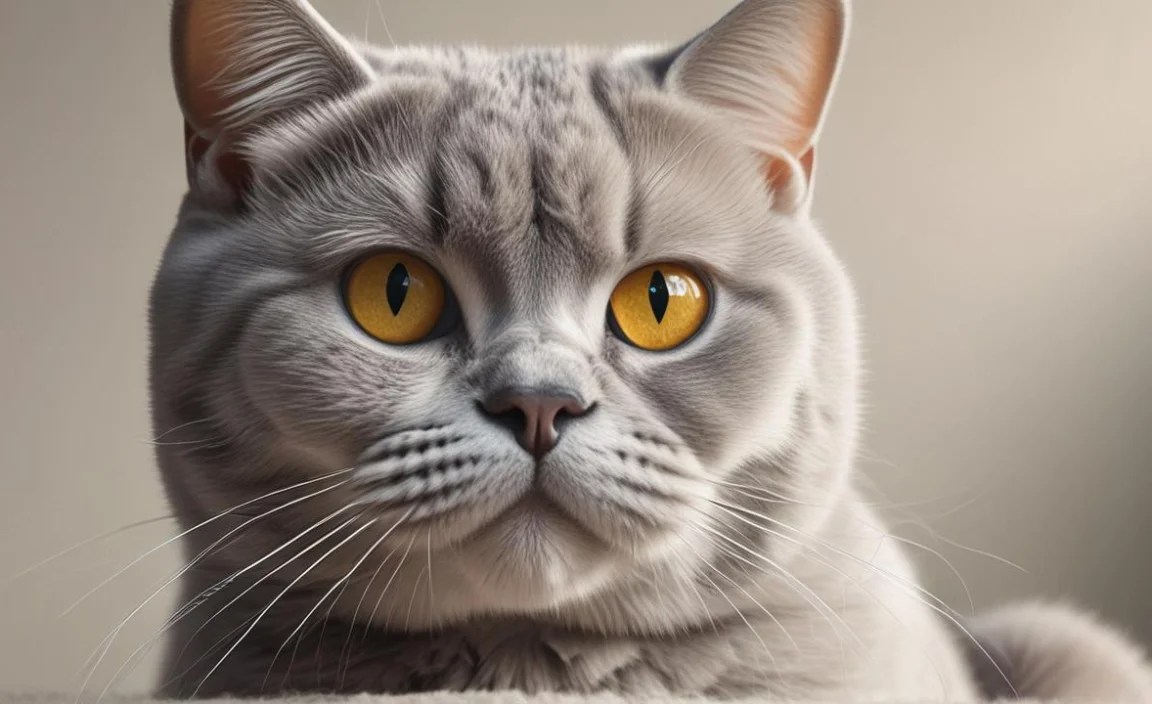
One of the most important things you can do to help your British Shorthair adapt to their new home is to create a comfortable and safe space for them. This will be their sanctuary where they can relax and feel secure.
Setting Up a “Safe Room”
When you first bring your British Shorthair home, it’s a good idea to confine them to a single room. This could be a spare bedroom, a bathroom, or even a quiet corner of the living room. This “safe room” should contain everything your cat needs to feel comfortable:
- Food and Water: Place their food and water bowls in a quiet area, away from their litter box.
- Litter Box: Make sure the litter box is easily accessible and in a private spot.
- Bedding: Provide a soft, comfortable bed or blanket where they can sleep.
- Toys: Include a few toys to keep them entertained.
- Scratching Post: A scratching post will help them stretch and groom their claws.
By providing all these essentials in one place, you’re creating a secure and predictable environment for your new cat.
Making the Space Inviting
Once you’ve set up the basics, there are a few other things you can do to make the space even more inviting:
- Familiar Scents: Rub a cloth on your cat’s face and then wipe it on furniture and doorways. This will help them mark their territory and feel more at home.
- Hiding Spots: Cats feel safer when they have places to hide. Provide a cardboard box, a covered bed, or even just a blanket draped over a chair.
- Vertical Space: Cats love to climb and perch. A cat tree or even just a high shelf can give them a sense of security and control.
Introducing Your British Shorthair to Their New Home

Once your British Shorthair is comfortable in their safe room, you can start gradually introducing them to the rest of the house. It’s important to take things slowly and let your cat set the pace.
Gradual Exploration
After a few days in the safe room, you can start letting your cat explore other parts of the house. Open the door to the safe room and let them come out on their own. Don’t force them to leave if they’re not ready.
Supervise their explorations and make sure they have access to their safe room if they start to feel overwhelmed. You can also leave a trail of treats to encourage them to explore.
Introducing Family Members and Other Pets
Introducing your British Shorthair to other family members and pets should also be done gradually. Start by letting them smell each other under the door of the safe room. Then, you can try short, supervised visits.
Here are some tips for introducing your British Shorthair to other pets:
- Supervise Interactions: Always supervise interactions between your British Shorthair and other pets, especially in the beginning.
- Keep Interactions Short: Start with short, supervised visits and gradually increase the length of time they spend together.
- Provide Separate Spaces: Make sure each pet has their own separate space where they can retreat if they feel overwhelmed.
- Positive Reinforcement: Reward calm behavior with treats and praise.
It’s important to be patient and understanding during this process. Some cats may take longer to adjust to other pets than others. If you’re having trouble, consult with a veterinarian or a professional cat behaviorist.
Dealing with Stress and Anxiety

Even with the best preparation, some British Shorthairs may experience stress or anxiety when adjusting to a new home. It’s important to recognize the signs of stress and take steps to help your cat feel more comfortable.
Recognizing Signs of Stress
Cats show stress in different ways. Some common signs of stress in cats include:
- Hiding: Spending more time hiding than usual.
- Loss of Appetite: Eating less or refusing to eat.
- Changes in Litter Box Habits: Urinating or defecating outside the litter box.
- Excessive Grooming: Over-grooming, which can lead to bald spots.
- Aggression: Hissing, swatting, or biting.
If you notice any of these signs, it’s important to take action to help your cat feel more secure.
Ways to Reduce Stress
There are several things you can do to help reduce stress and anxiety in your British Shorthair:
- Provide a Calming Environment: Keep the house quiet and calm, especially in the beginning.
- Use Pheromone Diffusers: Feliway diffusers release synthetic pheromones that can help cats feel more relaxed.
- Play Soothing Music: Some cats find classical music or nature sounds calming.
- Spend Quality Time with Your Cat: Regular playtime and cuddle sessions can help your cat feel more secure and loved.
- Consult with Your Veterinarian: If your cat’s stress is severe or persistent, talk to your veterinarian. They may recommend medication or other treatments.
Maintaining a Consistent Routine
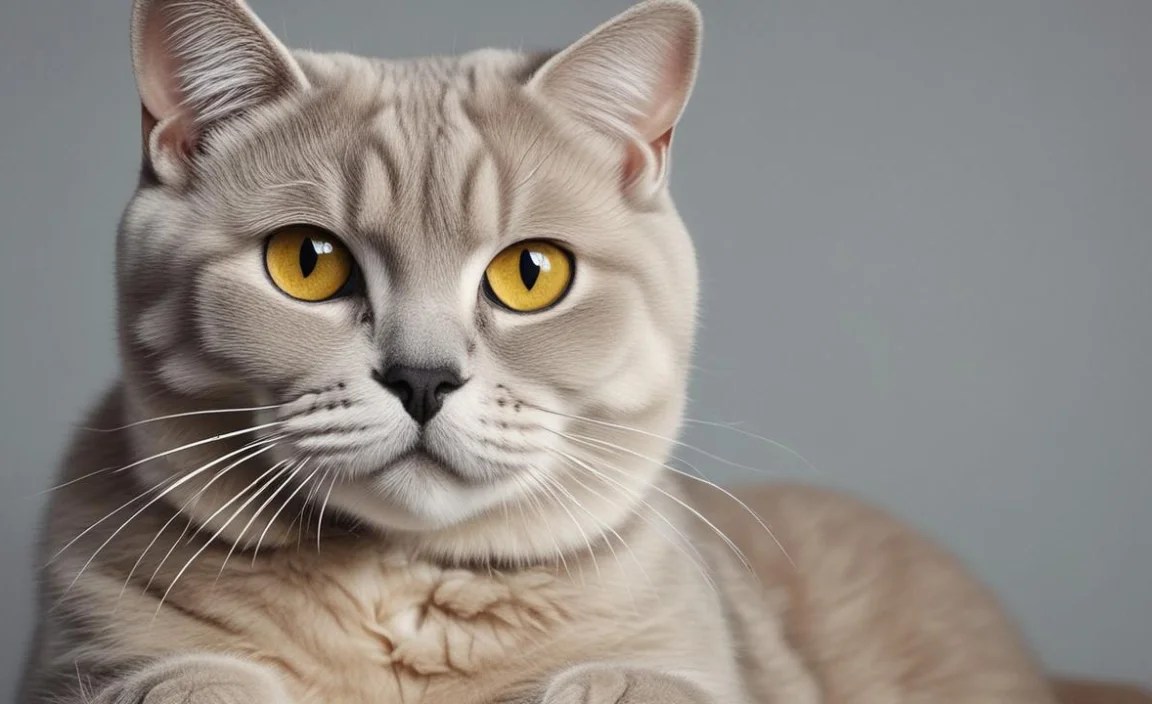
Cats are creatures of habit, and a consistent routine can help them feel more secure and in control. Maintaining a regular schedule for feeding, playtime, and bedtime can go a long way in helping your British Shorthair adapt to their new home.
The Importance of Routine
A predictable routine can reduce stress and anxiety in cats. When they know what to expect each day, they feel more secure and confident.
Here are some tips for creating a consistent routine:
- Feeding Schedule: Feed your cat at the same time each day.
- Playtime: Set aside time each day for playtime. This will help your cat burn off energy and bond with you.
- Grooming: Groom your cat regularly to help them feel comfortable and relaxed.
- Bedtime: Establish a regular bedtime routine. This could include a cuddle session or a quiet playtime before bed.
Adjusting the Routine Over Time
While it’s important to maintain a consistent routine, it’s also okay to make adjustments as needed. As your British Shorthair becomes more comfortable in their new home, you can gradually introduce changes to their routine.
For example, you might start by shifting their feeding time by a few minutes each day until you reach a new, more convenient time. Or you might gradually increase the length of their playtime sessions.
Nutrition and Hydration During Transition
Proper nutrition and hydration are crucial for your British Shorthair’s overall health and well-being, especially during a stressful transition. Ensuring they eat and drink adequately can help them stay healthy and adjust more smoothly.
Choosing the Right Food
Select a high-quality cat food that meets your British Shorthair’s nutritional needs. Look for foods that are rich in protein and low in carbohydrates. It’s often best to stick with the food they were eating before the move to avoid additional stress from dietary changes. If you do want to switch foods, do so gradually by mixing small amounts of the new food with the old over a week or two.
Consider these factors when choosing cat food:
- Age: Kittens, adults, and seniors have different nutritional requirements.
- Health Conditions: If your cat has any health issues, such as allergies or kidney problems, choose a food that is specifically formulated for their needs.
- Ingredients: Look for foods that contain high-quality ingredients, such as real meat, whole grains, and vegetables.
Encouraging Hydration
Cats are notorious for not drinking enough water, which can lead to health problems like urinary tract infections. During a move, stress can further decrease their water intake. Make sure fresh water is always available in multiple locations around the house. Consider using a cat water fountain, as some cats prefer running water.
Here are some tips to encourage your cat to drink more water:
- Multiple Water Sources: Place water bowls in different locations around the house.
- Water Fountain: Some cats prefer drinking from a water fountain.
- Wet Food: Feeding your cat wet food can help increase their water intake.
- Flavor the Water: Add a small amount of tuna juice or chicken broth to the water to make it more appealing.
Common Mistakes to Avoid
Even with the best intentions, it’s easy to make mistakes when helping your British Shorthair adjust to a new home. Here are some common pitfalls to avoid:
Rushing the Process
One of the biggest mistakes you can make is rushing the process. Don’t expect your cat to adjust overnight. It takes time for them to feel comfortable in their new surroundings. Be patient and let them set the pace.
Ignoring Signs of Stress
Ignoring signs of stress can make the problem worse. If you notice that your cat is hiding, not eating, or showing other signs of stress, take action to help them feel more secure. Consult with your veterinarian if the stress persists.
Forcing Interactions
Forcing interactions with family members or other pets can be counterproductive. Let your cat approach people and animals on their own terms. If they’re not ready to interact, don’t force them.
Changing Too Much at Once
Avoid making too many changes at once. A new home is already a big adjustment for your cat. Don’t add to the stress by changing their food, litter, or routine all at the same time. Introduce changes gradually.
British Shorthair Adaptability: A Summary Table
Here’s a quick overview of factors affecting a British Shorthair’s adaptability:
| Factor | Impact on Adaptability |
|---|---|
| Age | Younger cats typically adapt more quickly than older cats. |
| Previous Experiences | Cats with prior moving experience may adjust more easily. |
| Personality | Confident cats tend to adapt more readily. |
| Environment | A calm, safe environment aids in smoother transitions. |
| Routine | Consistent routines provide security and reduce stress. |
Essential Supplies Checklist for a New British Shorthair
Having the right supplies on hand can make the transition smoother for your new British Shorthair. Here’s a checklist of essentials:
- Food and Water Bowls: Choose ceramic or stainless steel bowls that are easy to clean.
- High-Quality Cat Food: Select a food appropriate for their age and health needs.
- Litter Box and Litter: Provide a clean and accessible litter box with unscented litter.
- Comfortable Bed: A soft bed or blanket where they can relax and feel secure.
- Scratching Post: Essential for maintaining their claws and preventing furniture damage.
- Toys: A variety of toys to keep them entertained and mentally stimulated.
- Grooming Supplies: A brush and comb for regular grooming.
- Cat Carrier: For safe transportation to the vet or other locations.
- First Aid Kit: Include basic supplies like antiseptic wipes, gauze, and a thermometer.
FAQ About British Shorthair Adaptability
Here are some frequently asked questions about British Shorthairs and their ability to adapt to new environments:
How long does it typically take for a British Shorthair to adjust to a new home?
Most British Shorthairs start to adjust within a few days to a week. However, it can take several weeks for them to fully feel comfortable. Patience is key!
What are the best ways to create a safe space for my new British Shorthair?
Set up a “safe room” with food, water, a litter box, bedding, and toys. Make sure the space is quiet and secure, and allow your cat to explore at their own pace.
Should I let my British Shorthair explore the entire house right away?
No, it’s best to introduce them to the house gradually. Start with a safe room and then slowly expand their territory as they become more comfortable.
How can I tell if my British Shorthair is stressed or anxious?
Signs of stress include hiding, loss of appetite, changes in litter box habits, excessive grooming, and aggression. If you notice these signs, take steps to reduce their stress.
Are British Shorthairs good with other pets in the household?
British Shorthairs can get along well with other pets, but introductions should be done gradually and with supervision. Make sure each pet has their own space and resources to avoid competition.
What kind of toys do British Shorthairs enjoy?
British Shorthairs enjoy a variety of toys, including interactive toys, puzzle toys, and simple toys like balls and mice. Experiment to see what your cat prefers.
Is it okay to change my British Shorthair’s food when they move to a new home?
It’s best to avoid changing their food during the initial transition period. If you do want to switch foods, do so gradually by mixing small amounts of the new food with the old over a week or two.
Conclusion
Bringing a British Shorthair into your home is a rewarding experience. Their adaptable nature makes them relatively easy to settle in, but remember that every cat is an individual. By creating a comfortable and safe environment, introducing them gradually to their new surroundings, and maintaining a consistent routine, you can help your British Shorthair adjust smoothly and happily. Pay attention to their cues, be patient, and shower them with love and affection. Before you know it, your new furry friend will be ruling the roost and bringing joy to your home. Remember, a little patience and understanding go a long way in making your British Shorthair feel right at home!


