
British Shorthair Independence vs Affection: Secret?

British Shorthairs are known for their balanced personalities. They enjoy affection but are also independent cats. They aren’t overly demanding of attention and are happy to entertain themselves, making them ideal for people who want a loving companion without constant neediness. This breed is adaptable, fitting well into various lifestyles.
Are you curious about the British Shorthair’s personality? Many people wonder if this breed is affectionate or more independent. It’s a common question because everyone wants a cat that fits their lifestyle. You might be worried about getting a cat that needs constant attention or one that ignores you completely. Don’t worry! Understanding the balance between independence and affection in British Shorthairs will help you decide if this breed is right for you.
In this article, we’ll explore what makes British Shorthairs unique. We’ll cover their typical behavior, how to bond with them, and how to ensure they are happy and healthy. Let’s dive in to discover if a British Shorthair is the perfect addition to your home!
Understanding the British Shorthair Personality

British Shorthairs have a distinct personality that sets them apart from other breeds. They are often described as laid-back, easy-going, and adaptable. Understanding these traits will help you appreciate their unique charm.
Typical Temperament
British Shorthairs are known for their calm and gentle nature. They aren’t usually hyperactive or demanding, which makes them great companions for a relaxed household. According to The International Cat Association (TICA), they are known for being even-tempered and adaptable. Here are some common traits:
- Calm and Gentle: They have a relaxed demeanor and are not easily agitated.
- Independent: They enjoy their own company and don’t always need to be the center of attention.
- Playful: While not overly energetic, they do enjoy playing with toys and engaging in light activity.
- Affectionate, but Not Needy: They show affection in subtle ways, like sitting near you or enjoying a gentle pat.
Independence vs. Affection: Finding the Balance
One of the most appealing aspects of the British Shorthair is their balanced nature. They are affectionate but not clingy, independent but still enjoy companionship. This balance makes them ideal for people who want a cat that fits into their lifestyle without demanding constant attention.
They might not always jump into your lap, but they will often stay close by, showing their affection in a more reserved manner. This independence means they are less likely to suffer from separation anxiety when left alone for short periods, according to the RSPCA.
Common Misconceptions
There are a few misconceptions about British Shorthairs that are worth addressing:
- They are aloof: While they are independent, they are not aloof. They form strong bonds with their owners but show it in their own way.
- They don’t like to play: They enjoy playing but are not as high-energy as some other breeds.
- They don’t need attention: They need attention and interaction, just not constantly. Regular playtime and gentle interaction are important.
Decoding Affectionate Behaviors
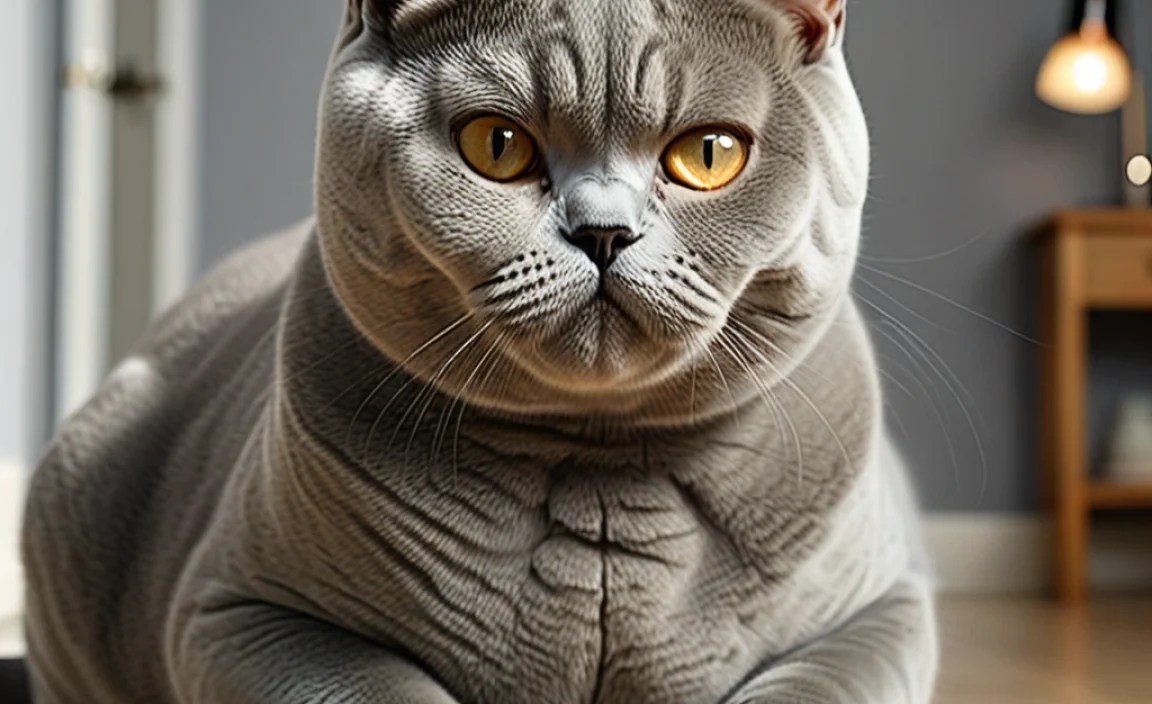
British Shorthairs might not be as outwardly affectionate as some other breeds, but they have their own ways of showing love and attachment. Learning to recognize these behaviors will help you understand your cat better and strengthen your bond.
Subtle Signs of Love
British Shorthairs often display affection in subtle ways. Here are some common signs to watch for:
- Following You Around: If your British Shorthair shadows you from room to room, it’s a sign they enjoy your company.
- Sitting Near You: They might not sit directly on your lap, but sitting close by is a sign of affection and trust.
- Slow Blinking: This is often referred to as a “cat kiss.” A slow blink indicates that your cat feels comfortable and safe around you.
- Head Bunting: Rubbing their head against you is a way of marking you with their scent and showing affection.
- Purring: Purring is a classic sign of contentment and happiness.
Understanding Their Limits
It’s important to respect your British Shorthair’s limits when it comes to affection. They might not always want to be cuddled or picked up. Pay attention to their body language to understand when they are enjoying attention and when they need space.
Forcing affection can lead to stress and anxiety in your cat. Always approach them gently and respect their boundaries. If they move away or show signs of discomfort, give them space.
Building a Strong Bond
Building a strong bond with your British Shorthair involves understanding their personality and respecting their needs. Here are some tips:
- Spend Quality Time: Even if they are independent, they still need your attention. Dedicate time each day to play with them or simply sit with them.
- Provide a Comfortable Environment: Make sure they have a comfortable bed, scratching post, and plenty of toys.
- Use Positive Reinforcement: Reward them with treats and praise when they exhibit positive behaviors.
- Respect Their Space: Allow them to have their own space where they can retreat when they need to be alone.
Managing Independence in British Shorthairs

British Shorthairs are known for their independent nature, which can be both a blessing and a challenge. Understanding how to manage their independence will help you create a harmonious environment for both you and your cat.
Creating an Enriching Environment
An enriching environment is crucial for keeping your British Shorthair happy and entertained, especially when they are left alone. Here are some ways to create an engaging space:
- Provide Plenty of Toys: Rotate toys regularly to keep them interested. Puzzle toys and interactive games are great for stimulating their minds.
- Offer Scratching Posts: Scratching is a natural behavior for cats. Providing scratching posts will help them keep their claws healthy and prevent them from scratching furniture.
- Create Vertical Space: Cats love to climb and explore. Cat trees and shelves can provide them with vertical space to satisfy their natural instincts.
- Window Perches: A window perch allows them to watch the outside world, which can be very entertaining.
Dealing with Solitude
British Shorthairs are generally good at handling solitude, but it’s still important to ensure they don’t get lonely. Here are some tips for dealing with their alone time:
- Provide Companionship: If you are frequently away from home, consider getting another cat to provide companionship.
- Use Interactive Toys: Toys that dispense treats or require them to solve a puzzle can keep them entertained while you are away.
- Leave the Radio or TV On: Some cats find comfort in the sound of human voices. Leaving the radio or TV on at a low volume can help them feel less alone.
Recognizing Signs of Boredom or Loneliness
Even though British Shorthairs are independent, they can still experience boredom or loneliness. Here are some signs to watch for:
- Excessive Grooming: Over-grooming can be a sign of stress or boredom.
- Destructive Behavior: Scratching furniture, knocking things over, or other destructive behaviors can indicate that they are bored or anxious.
- Changes in Appetite: A sudden increase or decrease in appetite can be a sign of underlying issues.
- Lethargy: If your cat is usually active but suddenly becomes lethargic, it could be a sign of boredom or depression.
Balancing Care Needs: A Practical Guide
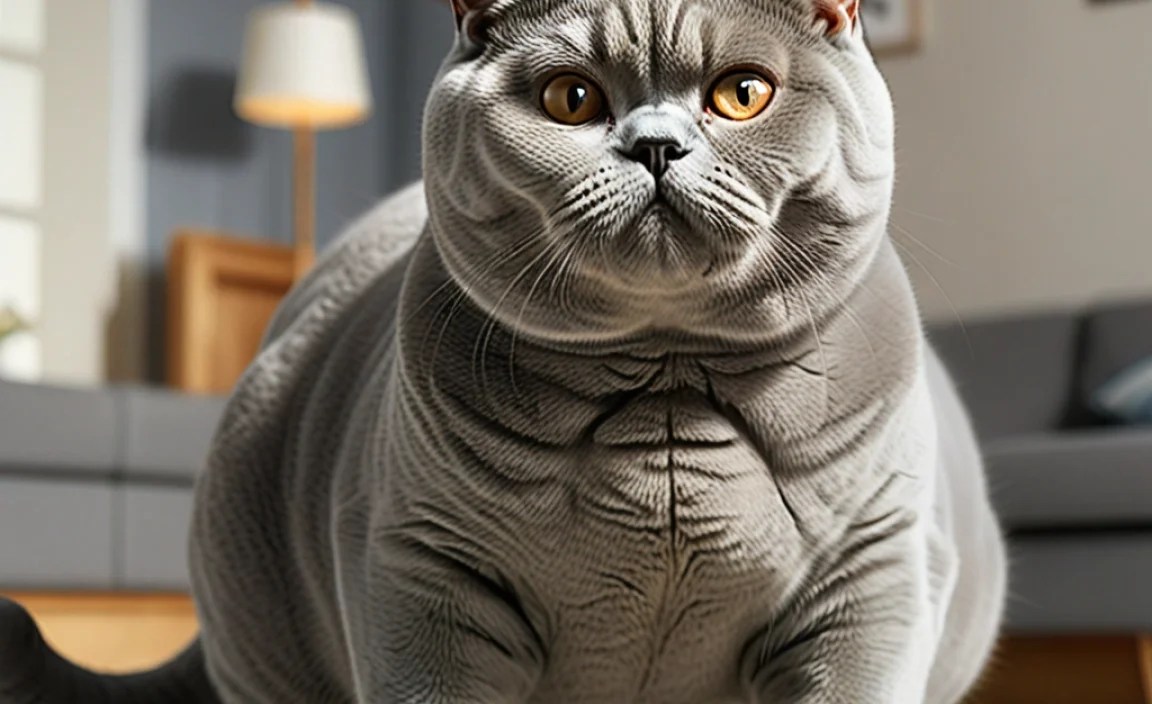
Taking care of a British Shorthair involves understanding their specific needs and providing them with the right care. This includes grooming, nutrition, health, and mental stimulation.
Grooming Requirements
British Shorthairs have a dense coat that requires regular grooming to prevent matting and hairballs. Here’s a grooming schedule to follow:
- Brushing: Brush them 2-3 times a week to remove loose hair. During shedding season (spring and fall), increase brushing to daily.
- Bathing: They don’t need frequent baths. Bathe them only when necessary, such as if they get dirty or smelly. Use a cat-specific shampoo.
- Nail Trimming: Trim their nails every 2-3 weeks to prevent them from getting too long and sharp.
- Ear Cleaning: Check their ears regularly and clean them with a cat-safe ear cleaner if needed.
Nutritional Needs
A balanced diet is essential for maintaining your British Shorthair’s health. Here are some guidelines:
- High-Quality Cat Food: Choose a cat food that is high in protein and low in carbohydrates. Look for brands that use real meat as the primary ingredient.
- Wet vs. Dry Food: A combination of wet and dry food can provide both hydration and dental benefits.
- Portion Control: Avoid overfeeding, as British Shorthairs are prone to weight gain. Follow the feeding guidelines on the cat food packaging.
- Fresh Water: Always provide fresh, clean water. Consider using a cat fountain to encourage them to drink more water.
Health Considerations
British Shorthairs are generally healthy, but they are prone to certain health issues. Regular vet check-ups are essential for early detection and prevention. According to Cornell Feline Health Center, common health issues include:
- Hypertrophic Cardiomyopathy (HCM): A heart condition that can lead to heart failure.
- Polycystic Kidney Disease (PKD): A genetic disease that causes cysts to form in the kidneys.
- Obesity: British Shorthairs are prone to weight gain, which can lead to various health problems.
Creating a Routine
Cats thrive on routine. Establishing a daily routine can help your British Shorthair feel secure and content. Here’s a sample routine:
| Time | Activity | Description |
|---|---|---|
| 7:00 AM | Feeding | Provide breakfast and fresh water. |
| 7:30 AM | Playtime | Engage in a 15-20 minute play session. |
| 8:00 AM – 5:00 PM | Independent Time | Ensure they have toys and a comfortable space while you’re away. |
| 5:00 PM | Grooming | Brush their coat to remove loose hair. |
| 6:00 PM | Feeding | Provide dinner and fresh water. |
| 6:30 PM | Playtime/Affection | Spend time playing with them or offering gentle petting. |
| 9:00 PM | Quiet Time | Allow them to wind down for the night in a comfortable spot. |
British Shorthair: Are They the Right Fit for You?

Deciding whether a British Shorthair is the right fit for you depends on your lifestyle and expectations. They are adaptable cats, but they still have specific needs that must be met.
Consider Your Lifestyle
British Shorthairs are a great choice for people who want a calm and affectionate companion without the demands of a high-energy breed. They are suitable for apartment living and can adapt to various household environments.
If you are someone who is frequently away from home, a British Shorthair might be a good choice because they are relatively independent. However, it’s still important to ensure they have enough stimulation and attention.
Pros and Cons
Here’s a summary of the pros and cons of owning a British Shorthair:
- Pros:
- Calm and gentle temperament
- Independent and low-maintenance
- Adaptable to various living situations
- Affectionate but not needy
- Cons:
- Prone to certain health issues (HCM, PKD, obesity)
- Require regular grooming
- Can be prone to weight gain
- May not be as outwardly affectionate as some other breeds
Making the Decision
Before bringing a British Shorthair into your home, consider the following:
- Research: Learn as much as you can about the breed and their specific needs.
- Meet the Cat: If possible, spend time with the cat before adopting to see if their personality is a good fit for you.
- Prepare Your Home: Ensure you have everything they need, including a comfortable bed, scratching post, toys, and food.
- Be Patient: It takes time for a cat to adjust to a new home. Be patient and allow them to adjust at their own pace.
FAQ About British Shorthair Independence and Affection
Here are some frequently asked questions about British Shorthair independence and affection:
- Are British Shorthairs affectionate cats?
- Yes, British Shorthairs are affectionate but in a subtle way. They show their love by sitting near you, following you around, and slow blinking.
- Are British Shorthairs good for first-time cat owners?
- Yes, they are often recommended for first-time owners due to their calm and adaptable nature.
- How much grooming do British Shorthairs need?
- They need brushing 2-3 times a week to prevent matting and hairballs. During shedding season, daily brushing is recommended.
- Do British Shorthairs get lonely?
- While they are independent, they can get lonely. Provide them with plenty of toys and consider getting a companion cat if you are frequently away.
- What are common health issues for British Shorthairs?
- Common health issues include hypertrophic cardiomyopathy (HCM), polycystic kidney disease (PKD), and obesity.
- How can I tell if my British Shorthair is happy?
- Signs of happiness include purring, slow blinking, playing, and a healthy appetite.
- Are British Shorthairs good with children?
- Yes, they are generally good with children, but it’s important to teach children how to interact with them gently and respectfully.
Conclusion
Understanding the balance between independence and affection in British Shorthairs is key to a happy and harmonious relationship. They might not be the most outwardly affectionate breed, but their subtle signs of love and calm demeanor make them wonderful companions. By providing them with an enriching environment, respecting their boundaries, and meeting their care needs, you can enjoy a fulfilling partnership with your British Shorthair. Remember, every cat is unique, so take the time to understand your cat’s individual personality and preferences. With patience and care, you’ll find that a British Shorthair can bring a special kind of joy to your home.


