
How British Shorthairs React: Secret to Easy Change?

Quick Summary: British Shorthairs are generally adaptable cats, but they prefer a stable environment. They may show signs of stress like hiding, changes in appetite, or altered vocalization when faced with changes. Gradual introductions to new environments, providing familiar items, and maintaining a consistent routine can help them adjust comfortably.
Bringing a British Shorthair into your life is a joy! These cats are known for their calm and affectionate nature. However, like all cats, they can be sensitive to changes around them. Moving to a new home, rearranging furniture, or even introducing a new pet can cause stress. It’s normal to worry about how your furry friend will react. Don’t worry! This guide will walk you through understanding how British Shorthairs respond to environmental changes and how to help them feel safe and secure.
Understanding the British Shorthair Temperament

British Shorthairs are known for their easy-going and adaptable personalities. However, understanding their inherent traits is key to predicting how they might react to changes. They are creatures of habit and thrive on consistency.
- Calm and Docile: Generally, they aren’t easily excitable, which makes them good companions.
- Independent: They enjoy their own company and aren’t overly demanding of attention.
- Affectionate but not Clingy: They show affection in subtle ways, like purring or sitting nearby.
- Sensitive to Change: Despite their adaptable nature, sudden changes can cause them stress.
Common Environmental Changes and Their Impact
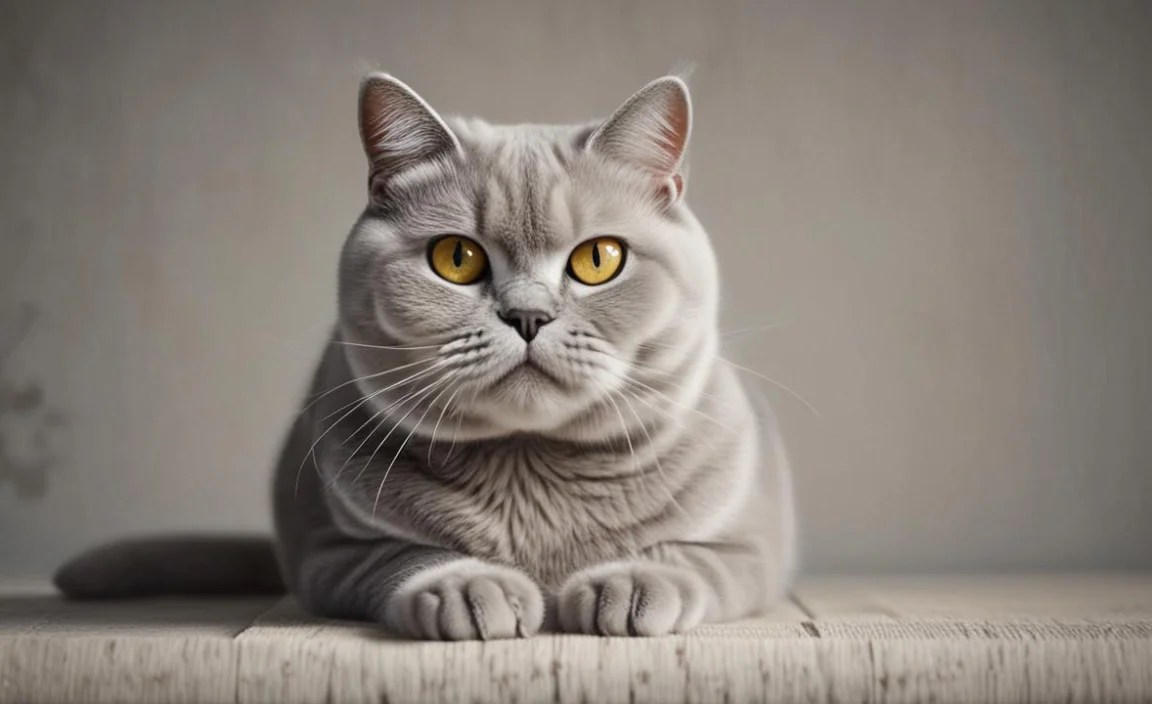
Let’s look at some common changes in the environment that can affect your British Shorthair:
- Moving to a New Home: This is a significant change that can cause anxiety.
- New Furniture or Rearranging: Even small changes in their familiar space can be unsettling.
- New Pets or People: Introducing new members to the household requires careful management.
- Loud Noises: Construction, parties, or thunderstorms can be frightening.
- Changes in Routine: Altered feeding schedules or playtime can disrupt their sense of security.
Signs of Stress in British Shorthairs

Recognizing the signs of stress is crucial for helping your British Shorthair adjust. Here are some common indicators:
- Hiding: They may retreat to a safe place and avoid interaction.
- Changes in Appetite: Stress can cause them to eat less or even refuse food.
- Altered Vocalization: Increased meowing or hissing can indicate distress.
- Litter Box Issues: They may start urinating or defecating outside the litter box. According to the RSPCA, this can be a sign of anxiety or discomfort.
- Excessive Grooming: Over-grooming can be a coping mechanism for stress.
- Aggression: In some cases, they may become defensive or aggressive.
Step-by-Step Guide: Helping Your British Shorthair Adjust

Here’s a step-by-step guide to help your British Shorthair cope with environmental changes:
Step 1: Preparation is Key
Before the change occurs, prepare your cat as much as possible. For example, before a move, start packing gradually. Leave out their favorite toys and bedding until the last minute.
Step 2: Create a Safe Space
In the new environment, designate a “safe space” for your cat. This could be a spare room or a quiet corner. Fill it with familiar items like their bed, toys, and scratching post.
Step 3: Gradual Introduction
Allow your cat to explore the new environment at their own pace. Don’t force them to come out of their safe space. Open the door and let them venture out when they feel ready.
Step 4: Maintain Routine
Stick to their regular feeding and playtime schedule as much as possible. Consistency helps them feel secure during times of change. According to the Cornell Feline Health Center, maintaining a regular routine is crucial for reducing stress in cats.
Step 5: Provide Comfort
Spend extra time with your cat, offering gentle petting and reassurance. Talk to them in a soothing voice. Your presence can be very comforting.
Step 6: Use Calming Aids
Consider using calming aids like feline pheromone diffusers (e.g., Feliway) or calming treats. These products can help reduce anxiety.
Step 7: Monitor Their Behavior
Keep a close eye on your cat’s behavior. If you notice any signs of severe stress, consult with your veterinarian. They may recommend medication or other interventions.
Specific Scenarios and Solutions

Let’s address some specific scenarios and how to manage them:
Moving to a New Home
- Before the Move: Pack gradually, keeping familiar items accessible.
- During the Move: Transport your cat in a secure carrier. Keep the carrier in a quiet, safe place.
- In the New Home: Set up their safe space immediately. Allow them to explore at their own pace.
Introducing a New Pet
- Scent Swapping: Before the introduction, swap bedding between the two animals. This allows them to get used to each other’s scent.
- Supervised Visits: Start with short, supervised visits. Gradually increase the duration as they become more comfortable.
- Separate Resources: Provide separate food bowls, water bowls, and litter boxes to avoid competition.
Dealing with Loud Noises
- Create a Safe Haven: Provide a quiet, secure space where your cat can retreat during loud noises.
- Mask the Noise: Turn on a fan or play calming music to help mask the noise.
- Stay Calm: Your cat will pick up on your anxiety, so remain calm and reassuring.
The Importance of Enrichment
Enrichment plays a vital role in your British Shorthair’s well-being, especially during times of change. Providing mental and physical stimulation can help reduce stress and boredom. Here are some ideas:
- Interactive Toys: Puzzle feeders, laser pointers, and wand toys can keep them engaged.
- Scratching Posts: Provide a variety of scratching surfaces to satisfy their natural instincts.
- Climbing Structures: Cat trees and shelves allow them to climb and explore.
- Window Perches: A window perch provides a view of the outside world, which can be very stimulating.
- Regular Playtime: Dedicate time each day to play with your cat. This helps them burn energy and bond with you.
Dietary Considerations During Stress
Stress can affect your British Shorthair’s appetite. Ensure they have access to fresh water and high-quality food. Consider offering smaller, more frequent meals. If they are refusing food, consult with your veterinarian.
| Nutrient | Importance | Food Sources |
|---|---|---|
| Protein | Essential for muscle maintenance and overall health. | Meat, poultry, fish |
| Fat | Provides energy and supports healthy skin and coat. | Animal fats, vegetable oils |
| Vitamins and Minerals | Support various bodily functions. | Balanced cat food formulas |
| Water | Crucial for hydration and overall health. | Fresh water should always be available. |
Long-Term Strategies for a Happy British Shorthair
Creating a stable and enriching environment is essential for the long-term well-being of your British Shorthair. Here are some strategies to consider:
- Consistent Routine: Stick to a regular feeding, playtime, and grooming schedule.
- Safe and Secure Environment: Provide a comfortable and predictable living space.
- Regular Veterinary Checkups: Ensure they receive regular checkups and vaccinations.
- Mental and Physical Stimulation: Provide plenty of toys, scratching posts, and climbing opportunities.
- Affection and Attention: Spend quality time with your cat, offering gentle petting and reassurance.
When to Seek Professional Help
If your British Shorthair is exhibiting severe signs of stress, it’s essential to seek professional help. Consult with your veterinarian or a certified feline behaviorist. They can help identify the underlying cause of the stress and recommend appropriate interventions.
Here are some situations where professional help is warranted:
- Prolonged Loss of Appetite: If your cat refuses to eat for more than 24 hours.
- Severe Litter Box Issues: If they are consistently urinating or defecating outside the litter box.
- Aggression: If they are showing aggression towards you or other animals.
- Excessive Hiding: If they are hiding constantly and refusing to interact.
- Self-Harm: If they are excessively grooming to the point of causing skin irritation.
The Role of Genetics
While environment plays a significant role, genetics can also influence how a British Shorthair reacts to change. Some cats are naturally more resilient than others. Responsible breeders prioritize temperament, which can contribute to a cat’s ability to cope with stress.
Building a Strong Bond
A strong bond with your British Shorthair can help them feel more secure and resilient. Spend quality time with your cat, offering gentle petting, playing games, and talking to them in a soothing voice. The International Cat Association (TICA) emphasizes the importance of positive interactions to build trust and strengthen the bond between you and your cat.
Adapting Your Home for Senior British Shorthairs
As your British Shorthair ages, they may become more sensitive to changes in their environment. Senior cats may experience mobility issues, cognitive decline, or sensory changes. Adapting your home to meet their needs can help them feel more comfortable and secure.
- Provide Easy Access: Ensure they can easily access their food, water, and litter box. Consider using ramps or steps to help them reach elevated surfaces.
- Soft Bedding: Provide soft, comfortable bedding to cushion their joints.
- Nightlights: Use nightlights to help them navigate in the dark.
- Avoid Rearranging: Minimize changes to their environment, as this can be disorienting.
- Regular Veterinary Care: Senior cats require more frequent veterinary checkups to monitor their health and address any age-related issues.
- Do British Shorthairs like change?
- British Shorthairs prefer stability. While adaptable, sudden changes can stress them. Gradual introductions and familiar items help.
- How do I know if my British Shorthair is stressed?
- Signs include hiding, appetite changes, altered vocalization, litter box issues, or excessive grooming.
- How can I help my British Shorthair adjust to a new home?
- Create a safe space with familiar items. Let them explore at their own pace and maintain their routine.
- Are pheromone diffusers effective for calming British Shorthairs?
- Yes, pheromone diffusers like Feliway can help reduce anxiety and promote a sense of security.
- What kind of toys are best for stressed British Shorthairs?
- Interactive toys like puzzle feeders, laser pointers, and wand toys can provide mental stimulation and reduce stress.
- Should I change my British Shorthair’s diet if they are stressed?
- Ensure they have fresh water and high-quality food. Smaller, frequent meals may be helpful. Consult your vet if they refuse food.
- When should I consult a vet about my British Shorthair’s stress?
- Consult a vet if you notice prolonged appetite loss, litter box issues, aggression, excessive hiding, or self-harm.
Conclusion
Understanding how British Shorthairs react to changes in their environment is key to providing them with a happy and fulfilling life. By being mindful of their sensitive nature, creating a stable and enriching environment, and seeking professional help when needed, you can help your furry friend navigate life’s transitions with ease. Remember, patience and understanding are essential. With your love and support, your British Shorthair will thrive, bringing you years of companionship and joy.
- Do British Shorthairs like change?
- British Shorthairs prefer stability. While adaptable, sudden changes can stress them. Gradual introductions and familiar items help.
- How do I know if my British Shorthair is stressed?
- Signs include hiding, appetite changes, altered vocalization, litter box issues, or excessive grooming.
- How can I help my British Shorthair adjust to a new home?
- Create a safe space with familiar items. Let them explore at their own pace and maintain their routine.
- Are pheromone diffusers effective for calming British Shorthairs?
- Yes, pheromone diffusers like Feliway can help reduce anxiety and promote a sense of security.
- What kind of toys are best for stressed British Shorthairs?
- Interactive toys like puzzle feeders, laser pointers, and wand toys can provide mental stimulation and reduce stress.
- Should I change my British Shorthair’s diet if they are stressed?
- Ensure they have fresh water and high-quality food. Smaller, frequent meals may be helpful. Consult your vet if they refuse food.
- When should I consult a vet about my British Shorthair’s stress?
- Consult a vet if you notice prolonged appetite loss, litter box issues, aggression, excessive hiding, or self-harm.
Conclusion
Understanding how British Shorthairs react to changes in their environment is key to providing them with a happy and fulfilling life. By being mindful of their sensitive nature, creating a stable and enriching environment, and seeking professional help when needed, you can help your furry friend navigate life’s transitions with ease. Remember, patience and understanding are essential. With your love and support, your British Shorthair will thrive, bringing you years of companionship and joy.


