
How British Shorthairs Express Affection: Secret Signs

Quick Summary: British Shorthairs show affection subtly. They might rub against your legs, purr contentedly while you pet them, or follow you from room to room. Slow blinks, a gentle headbutt, or simply choosing to sit near you are also signs they care. While not overly demonstrative, their quiet presence and gentle interactions speak volumes about their bond with you.
Ever wonder how your British Shorthair shows they care? It’s a common question! Unlike some breeds that are all about cuddles and constant attention, British Shorthairs have a more reserved way of showing affection. This can sometimes leave you guessing if they truly love you. Don’t worry – they do! Understanding their unique communication style will help you recognize and appreciate the subtle ways they express their love. Let’s explore the heartwarming ways these dignified felines show they care.
Understanding British Shorthair Affection

British Shorthairs are known for their calm and independent nature. Originating from Britain, these cats have a history as working cats, which has shaped their self-sufficient personalities. While they enjoy human company, they aren’t typically clingy. This means their expressions of affection are often understated but deeply meaningful.
Think of it this way: a British Shorthair’s love is like a fine wine – it needs to be savored and appreciated for its subtle notes. They might not jump into your lap every chance they get, but their presence and quiet gestures speak volumes.
Subtle Signs of Affection

British Shorthairs communicate in a variety of ways. Let’s break down the most common signs of affection to watch out for:
- Rubbing: When your British Shorthair rubs against your legs, furniture, or even your face, they’re depositing their scent. This is a way of marking you as part of their family and showing they feel comfortable around you.
- Purring: A contented purr is a classic sign of feline happiness. If your British Shorthair is purring while you’re petting them or when they’re relaxing nearby, it’s a clear indication they’re enjoying your company.
- Following: Does your British Shorthair shadow you from room to room? This is a sign they enjoy being near you and feel safe in your presence. They might not always want to be touched, but they want to be close.
- Slow Blinking: Often called a “cat kiss,” a slow blink is a sign of trust and affection. If your British Shorthair slowly blinks at you, try slowly blinking back to show you reciprocate the feeling.
- Headbutting (Bunting): A gentle headbutt, or “bunting,” is another way cats deposit their scent. It’s a sign of affection and a way of saying, “You’re one of my people.”
- Kneading: Kneading, also known as “making biscuits,” is a behavior kittens exhibit when nursing. Adult cats often continue this behavior when they’re feeling content and secure. If your British Shorthair kneads on your lap, it’s a sign they feel safe and loved.
- Sleeping Nearby: Even if your British Shorthair doesn’t want to sleep *on* you, choosing to sleep near you is a sign of affection. They feel safe and comfortable in your presence.
- Bringing Gifts: While not all cats do this, some British Shorthairs might bring you “gifts” like toys or even small prey. This is a sign they’re trying to provide for you and share their bounty.
More Overt Displays (Less Common)

While British Shorthairs are generally subtle, some individuals may display affection more openly. Here are a few less common, but still significant, signs:
- Lap Sitting: While not all British Shorthairs are lap cats, some do enjoy snuggling up on your lap for a nap. If yours does, consider yourself lucky!
- Vocalization: Some British Shorthairs are more vocal than others. They might meow to greet you, ask for attention, or simply chat with you throughout the day.
- Playing: Engaging in playful activities with you is a sign your British Shorthair enjoys your company and sees you as a playmate.
Why Are They So Subtle?

Several factors contribute to the British Shorthair’s reserved demeanor:
- Breed History: As mentioned earlier, their history as working cats has instilled a sense of independence.
- Personality: British Shorthairs are known for their calm and dignified personalities. They’re not typically prone to excessive displays of emotion.
- Individual Variation: Just like people, cats have individual personalities. Some British Shorthairs are naturally more affectionate than others.
Decoding Body Language
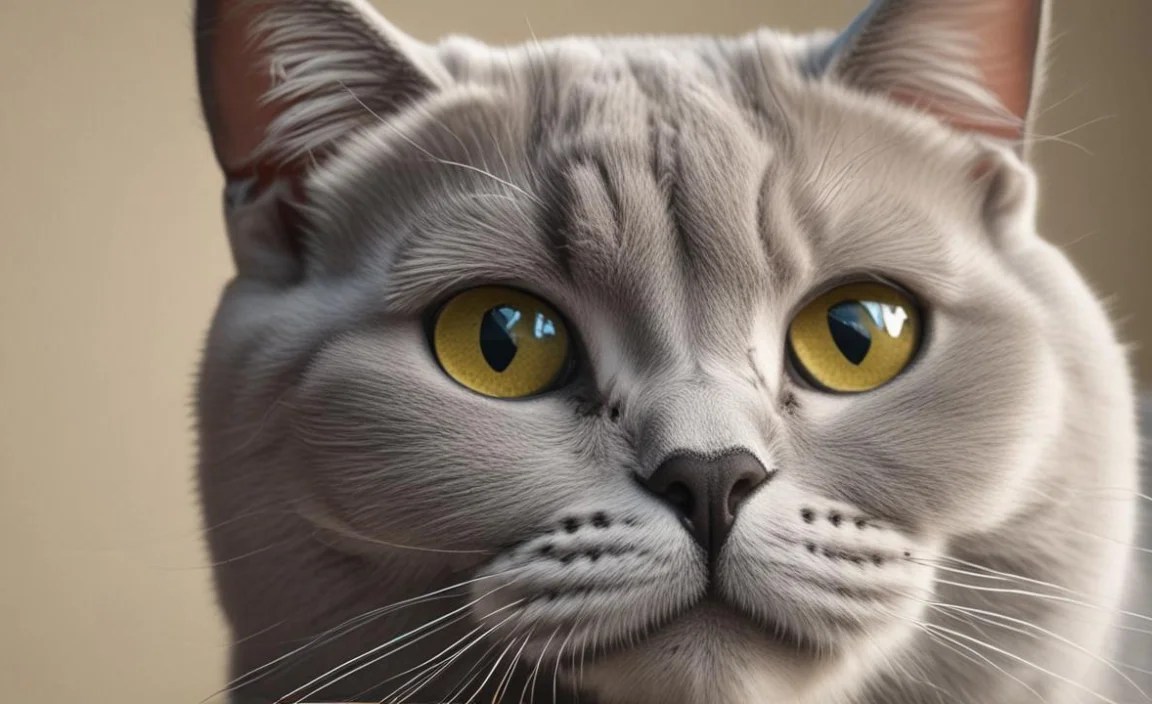
Beyond specific actions, paying attention to your British Shorthair’s overall body language can provide valuable insights into their feelings.
- Relaxed Posture: A relaxed cat will have loose muscles, a soft gaze, and may even be lying down with their belly exposed (a sign of ultimate trust!).
- Ears: Upright and forward-facing ears indicate alertness and interest. Ears that are flattened or turned to the side can indicate fear or anxiety.
- Tail: A tail held high in the air is generally a sign of happiness and confidence. A tucked tail can indicate fear or insecurity. A swishing tail can indicate excitement or agitation, so pay attention to the context.
- Eyes: Dilated pupils can indicate excitement, fear, or even playfulness. Constricted pupils can indicate relaxation or aggression.
Building a Strong Bond
While British Shorthairs might not be overly demanding, there are things you can do to strengthen your bond and encourage them to show affection:
- Provide a Safe and Comfortable Environment: A secure and comfortable home is essential for a happy cat. Make sure they have plenty of places to hide, climb, and scratch.
- Respect Their Space: British Shorthairs appreciate their independence. Don’t force them into cuddles if they’re not in the mood. Let them come to you.
- Engage in Play: Playtime is a great way to bond with your cat and provide them with exercise and mental stimulation. Try using toys like feather wands or laser pointers.
- Offer Positive Reinforcement: Reward your cat with treats, praise, or petting when they exhibit affectionate behaviors.
- Learn Their Preferences: Pay attention to what your cat enjoys. Do they prefer gentle scratches behind the ears or a good brushing? Tailor your interactions to their individual preferences.
Common Misconceptions
It’s easy to misinterpret a British Shorthair’s reserved nature as aloofness or disinterest. However, it’s important to remember that they simply express affection differently than some other breeds. Here are a few common misconceptions:
| Misconception | Reality |
|---|---|
| British Shorthairs are aloof and don’t care about their owners. | British Shorthairs are independent but still form strong bonds with their owners. They show affection in subtle ways. |
| If a British Shorthair doesn’t cuddle, it doesn’t love you. | Cuddling is just one way cats show affection. British Shorthairs might prefer to simply be near you or show affection through other gestures. |
| British Shorthairs are low-maintenance cats. | While they are relatively easygoing, British Shorthairs still require attention, playtime, and regular grooming. |
Affectionate Gestures: A Practical Guide
Here’s a practical guide to understanding how British Shorthairs express affection, with real-life examples:
| Affectionate Gesture | Description | Example Scenario | Your Response |
|---|---|---|---|
| Rubbing Against Legs | Depositing scent to mark you as part of their family. | Your cat rubs against your legs when you come home from work. | Speak softly and gently pet their head or back if they seem receptive. |
| Purring | A sign of contentment and happiness. | Your cat purrs while you are petting them on the couch. | Continue petting gently and speak in a soothing voice. |
| Following You | Desire to be near you, feeling safe in your presence. | Your cat follows you from the kitchen to the living room. | Acknowledge their presence with a smile or a soft word. |
| Slow Blinking | “Cat kiss” – a sign of trust and affection. | Your cat slowly blinks at you from across the room. | Slowly blink back to reciprocate the affection. |
| Headbutting (Bunting) | Depositing scent as a sign of affection. | Your cat gently headbutts your hand while you’re working. | Gently rub their head or scratch under their chin. |
| Kneading | Sign of comfort and security, reminiscent of kittenhood. | Your cat kneads on your lap before settling down to sleep. | Allow them to knead, and gently stroke their back. |
| Sleeping Nearby | Feeling safe and comfortable in your presence. | Your cat sleeps on the floor near your bed. | Ensure they have a comfortable spot and avoid disturbing them. |
| Bringing Gifts | Trying to provide for you and share their bounty. | Your cat brings a toy mouse to your feet. | Praise them and acknowledge their gift with enthusiasm. |
| Lap Sitting (Less Common) | Enjoying snuggling and being close to you. | Your cat jumps onto your lap and curls up for a nap. | Gently stroke them and enjoy the moment, allowing them to relax. |
| Vocalization (Less Common) | Communicating and seeking attention. | Your cat meows when you enter the room. | Respond with a greeting and give them attention if they want it. |
| Playing | Enjoying your company and seeing you as a playmate. | Your cat bats at a toy you’re holding. | Engage in playful activities and enjoy the interaction. |
Health and Affection
A healthy cat is more likely to be an affectionate cat. Make sure your British Shorthair is up-to-date on their vaccinations and receives regular veterinary care. According to the Cornell Feline Health Center, preventative care is crucial for maintaining your cat’s well-being.
Additionally, pay attention to any changes in your cat’s behavior. If they suddenly become withdrawn or stop showing affection, it could be a sign of an underlying health issue.
Grooming and Affection
Regular grooming is essential for British Shorthairs, not just for their coat health but also as a way to bond. Most British Shorthairs enjoy being brushed, and it can be a relaxing and enjoyable experience for both of you. Use a soft brush and gently groom their fur, paying attention to areas where they enjoy being touched. According to the International Cat Care, regular grooming prevents matting and reduces hairballs.
FAQ: Understanding Your British Shorthair’s Affection
Do British Shorthairs like to cuddle?
Not all British Shorthairs are cuddlers! Some enjoy it, but many prefer to be near you rather than on your lap. Respect their preference, and offer gentle petting instead.
How do I know if my British Shorthair is happy?
Look for signs like purring, slow blinking, relaxed posture, and a healthy appetite. A happy British Shorthair will also be playful and curious.
Why does my British Shorthair follow me everywhere?
Following you is a sign they feel safe and comfortable in your presence. They enjoy your company and want to be near you.
Are British Shorthairs good family cats?
Yes, British Shorthairs are generally good family cats. They’re known for their calm and tolerant nature, making them a good fit for families with children.
How can I make my British Shorthair more affectionate?
Provide a safe and comfortable environment, respect their space, engage in play, and offer positive reinforcement when they exhibit affectionate behaviors. Patience is key!
What does it mean when my British Shorthair kneads on me?
Kneading is a sign of comfort and security, reminiscent of kittenhood. It means they feel safe and loved in your presence.
Why does my British Shorthair sometimes bite me gently?
A gentle nip can be a sign of affection, but it can also be a sign that they’re overstimulated or want you to stop petting them. Pay attention to their body language and adjust your behavior accordingly. If biting becomes a problem, consult with a veterinarian or cat behaviorist.
Conclusion
Understanding how British Shorthairs express affection is key to building a strong and rewarding relationship with these wonderful cats. While their expressions of love might be subtle, they are genuine and deeply meaningful. By paying attention to their body language, respecting their independence, and providing them with a safe and comfortable environment, you can create a bond that will last a lifetime. So, the next time your British Shorthair rubs against your legs or slowly blinks at you, remember that it’s their special way of saying, “I love you.” And that’s a pretty special feeling indeed.


