
British Shorthair Temperament for Busy Households: Is It a Match?

Quick Summary: British Shorthairs are known for their calm and adaptable nature, making them good companions for busy households. They’re independent and don’t demand constant attention, but still enjoy playtime and affection when you’re available. Providing interactive toys, a comfortable environment, and consistent routines helps them thrive even with a less predictable schedule.
Are you juggling work, family, and everything in between? Finding the right pet to fit your lifestyle can feel overwhelming. Many people wonder if they can provide a good home for a cat, especially a specific breed like the British Shorthair, amidst a hectic schedule. Will they be lonely? Will they become destructive out of boredom?
The good news is that British Shorthairs are often a great fit for busy owners! Their independent and relaxed personalities mean they don’t require constant attention. In this article, I’ll share how to make it work, ensuring your British Shorthair is happy, healthy, and well-adjusted, even when life gets chaotic. Let’s explore their temperament and how to create a purr-fectly balanced life together.
Understanding the British Shorthair Temperament

Before bringing any pet into your home, it’s essential to understand their natural tendencies. British Shorthairs have some distinctive traits that make them relatively low-maintenance compared to more demanding breeds.
Key Temperament Traits
- Independent: They enjoy their own company and are content to entertain themselves.
- Calm: Known for their relaxed and gentle nature, they’re not usually hyperactive.
- Adaptable: They can adjust well to different environments and routines.
- Affectionate (on their terms): They enjoy human interaction but aren’t overly clingy.
- Playful: They have bursts of energy and enjoy interactive play, but also appreciate downtime.
Why This Matters for Busy Households
Their independence means they won’t constantly demand your attention while you’re working or busy with other tasks. Their calm nature prevents them from becoming destructive out of boredom. Their adaptability makes it easier to adjust their routine when your schedule changes. However, don’t mistake their independence for indifference. They still need your love and care!
Creating an Enriched Environment

Even independent cats need a stimulating environment to stay happy and healthy. Here’s how to create one for your British Shorthair:
Essential Elements
- Scratching Posts: These are a must-have! They allow your cat to stretch, scratch, and mark their territory, preventing them from scratching your furniture. The RSPCA recommends providing multiple scratching posts with different textures.
- Climbing Structures: Cat trees or shelves allow them to climb and explore, satisfying their natural instincts.
- Comfortable Resting Spots: Provide several cozy beds or blankets in different locations so they can choose their favorite spot to nap.
- Toys, Toys, Toys: Rotate toys regularly to keep them interested. Puzzle toys, interactive feeders, and simple toys like balls or toy mice can keep them entertained.
The Importance of Vertical Space
Cats love to climb! Vertical space gives them a sense of security and allows them to observe their surroundings from a high vantage point. Cat trees, shelves, or even cleared-off bookshelves can serve this purpose. Ensure these structures are sturdy and safe to prevent accidents.
DIY Enrichment Ideas
You don’t need to spend a fortune on fancy cat toys. Here are some simple DIY ideas:
- Cardboard Boxes: Cats love boxes! Cut holes in them to create tunnels or hiding places.
- Paper Bags: Crumple up paper bags (remove handles for safety) for them to play in.
- Window Perch: Place a perch near a window so they can watch birds and other outdoor activities.
Managing Feeding Schedules

Consistent feeding schedules are essential for a cat’s physical and emotional well-being, especially in busy households. Here’s how to manage meal times effectively:
Scheduled Feeding vs. Free Feeding
While free feeding (leaving food out all day) might seem convenient, scheduled feeding is generally better for portion control and monitoring your cat’s appetite. The Cornell Feline Health Center advises that scheduled feeding can help prevent obesity and make it easier to detect changes in appetite, which could indicate a health problem.
Tips for Busy Schedules
- Automatic Feeders: These devices dispense food at set times, ensuring your cat is fed even when you’re not home.
- Meal Prep: Prepare food in advance and store it in the refrigerator for easy access.
- Consistent Timing: Try to feed your cat at the same times each day, even on weekends.
Hydration is Key
Always provide fresh, clean water. Consider using a cat water fountain, as some cats prefer running water. Ensure the water bowl is easily accessible and clean it daily.
Playtime and Interaction
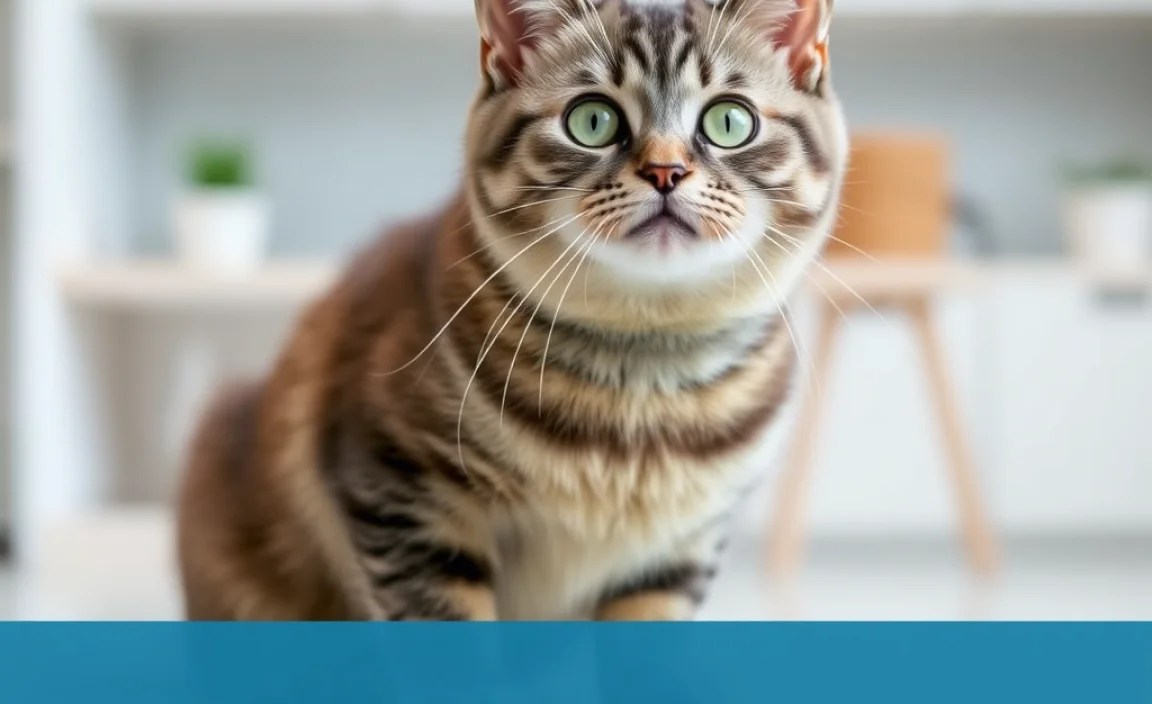
Even though British Shorthairs are independent, they still need playtime and interaction with their owners. Here’s how to fit it into your busy schedule:
Short, Frequent Sessions
Instead of long, infrequent play sessions, aim for short bursts of activity throughout the day. Even 5-10 minutes of play can make a big difference. This aligns with their natural hunting behavior – short bursts of activity followed by rest.
Interactive Toys
Use toys that encourage interaction, such as:
- Wand Toys: These toys mimic the movement of prey and encourage your cat to chase and pounce.
- Laser Pointers: While controversial (some cats can become frustrated if they never “catch” the laser), they can provide a good workout if used in moderation and always end with a tangible toy.
- Puzzle Toys: These toys require your cat to solve a puzzle to get a treat, providing mental stimulation.
Making the Most of Your Time
Combine playtime with other activities. For example, you can play with your cat while you’re on a conference call (if it doesn’t require your full attention) or during commercial breaks while watching TV. Any interaction is better than none!
Grooming and Health

Regular grooming and health checks are essential for all cats, including British Shorthairs. Here’s what you need to know:
Grooming Requirements
British Shorthairs have a dense coat that requires regular brushing to prevent matting and hairballs. Purina recommends brushing them several times a week, and daily during shedding season. This also provides an opportunity to bond with your cat and check for any skin problems or parasites.
Nail Trimming
Trim your cat’s nails every few weeks to prevent them from becoming too long and sharp. Use cat-specific nail clippers and be careful not to cut the quick (the pink part of the nail). If you’re unsure, ask your veterinarian to show you how.
Regular Vet Checkups
Schedule regular vet checkups to ensure your cat is healthy and up-to-date on vaccinations and parasite prevention. Early detection of health problems can save you money and heartache in the long run. TICA recommends annual checkups for adult cats and more frequent visits for kittens and senior cats.
Addressing Potential Issues
Even with the best planning, some issues might arise. Here’s how to address common problems in busy households:
Separation Anxiety
While British Shorthairs are generally independent, some cats may develop separation anxiety if left alone for extended periods. Signs include excessive meowing, destructive behavior, or inappropriate elimination.
Solutions:
- Provide Entertainment: Leave out plenty of toys and puzzle feeders to keep them occupied.
- Create a Routine: Consistent routines can help reduce anxiety.
- Consider a Pet Sitter: If you’re going to be away for a long time, consider hiring a pet sitter to provide companionship.
Boredom
Boredom can lead to destructive behavior or depression. Make sure your cat has enough mental and physical stimulation.
Solutions:
- Rotate Toys: Keep things interesting by rotating toys regularly.
- Interactive Play: Engage in interactive play sessions every day.
- Environmental Enrichment: Add new climbing structures or hiding places to their environment.
Changes in Routine
Cats are creatures of habit. Sudden changes in routine can be stressful. If possible, introduce changes gradually.
Solutions:
- Maintain Consistency: Stick to their regular feeding and playtime schedules as much as possible.
- Provide Reassurance: Spend extra time with your cat during periods of change.
- Use Calming Aids: Consider using calming pheromone diffusers or sprays to help reduce stress.
British Shorthair Temperament for Busy Households: A Quick Guide
Here’s a quick reference guide to understanding your British Shorthair’s temperament within a busy household, including how to adapt and what to consider:
| Trait | Description | Adaptation for Busy Households |
|---|---|---|
| Independence | Enjoys solitude and doesn’t demand constant attention. | Provide a comfortable and safe space where they can retreat when they want to be alone. |
| Calmness | Generally relaxed and not prone to hyperactivity. | Ensure a calm environment to come home to and maintain a consistent routine. |
| Adaptability | Adjusts well to different environments and routines. | Introduce changes gradually and maintain consistency where possible. |
| Affection (on their terms) | Enjoys affection but isn’t overly clingy. | Respect their boundaries and let them initiate interactions. |
| Playfulness | Enjoys interactive play but also appreciates downtime. | Schedule short, frequent play sessions to keep them engaged. |
The Benefits of Owning a British Shorthair
Despite the challenges of a busy lifestyle, owning a British Shorthair can be incredibly rewarding. Here are some benefits:
- Companionship: They offer quiet companionship without being overly demanding.
- Stress Relief: Petting a cat can lower your blood pressure and reduce stress.
- Entertainment: Their playful antics can provide endless entertainment.
- Unconditional Love: They offer unconditional love and acceptance.
Making it Work: Real-Life Examples
It’s one thing to read about how to care for a British Shorthair in a busy household, but it’s another to see it in action. Here are a few real-life examples:
- Sarah, a working professional: Sarah works long hours but makes sure to spend at least 15 minutes playing with her British Shorthair, Winston, every morning before work. She also uses an automatic feeder and leaves out plenty of toys to keep him entertained during the day.
- David and Emily, parents of two young children: David and Emily have a British Shorthair named Luna. They involve their children in caring for Luna, teaching them how to gently pet her and provide her with fresh water. They also make sure Luna has a safe space to retreat to when she needs a break from the chaos.
- Maria, a frequent traveler: Maria travels frequently for work. She hires a reliable pet sitter to care for her British Shorthair, Oliver, when she’s away. The pet sitter provides Oliver with companionship, playtime, and fresh food and water.
Frequently Asked Questions
Are British Shorthairs good for first-time owners?
Yes, British Shorthairs are often a good choice for first-time owners due to their calm and adaptable nature. They are relatively low-maintenance and don’t require as much attention as some other breeds.
How long can I leave my British Shorthair alone?
Most adult British Shorthairs can be left alone for 8-10 hours during the day. However, kittens and senior cats may need more frequent attention. Always provide plenty of food, water, and a clean litter box before leaving.
Do British Shorthairs get lonely?
While they are independent, British Shorthairs can get lonely if left alone for extended periods. Provide plenty of toys and interaction when you are home, and consider a pet sitter if you’re going to be away for a long time.
Are British Shorthairs expensive to care for?
The cost of caring for a British Shorthair is similar to that of other cat breeds. You’ll need to factor in the cost of food, litter, vet care, toys, and grooming supplies. However, they are generally healthy cats, so vet bills may be lower than for some other breeds.
Do British Shorthairs need a lot of exercise?
British Shorthairs are not high-energy cats, but they still need regular exercise to stay healthy. Provide them with plenty of opportunities to play and climb, and engage in interactive play sessions every day.
Are British Shorthairs good with children?
Yes, British Shorthairs are generally good with children, especially if they are raised together. Teach children how to gently handle and respect the cat’s boundaries.
Do British Shorthairs shed a lot?
Yes, British Shorthairs have a dense coat that sheds moderately throughout the year and more heavily during shedding season. Regular brushing can help minimize shedding.
Conclusion
Balancing a busy lifestyle with pet ownership is achievable, especially with a well-suited breed like the British Shorthair. Their independent, adaptable, and calm nature makes them a great fit for individuals and families with packed schedules. By providing an enriched environment, consistent routines, and making the most of the time you do have together, you can ensure your British Shorthair thrives. Remember, it’s about quality over quantity, and a little love goes a long way in creating a happy, healthy, and fulfilling life for your feline friend. Your patience, understanding, and care will be rewarded with the quiet companionship and unconditional love that British Shorthairs are known for. Enjoy the journey of pet ownership, and cherish the special bond you’ll create with your British Shorthair!


