
Cat Breeds for Quiet, Calm Homes: Find Your Purrfect Fit

Looking for a feline friend who prefers purrs over playful chaos? Several cat breeds are known for their calm and quiet demeanors, making them ideal companions for serene households. Consider breeds like the British Shorthair, Persian, Ragdoll, or Scottish Fold, all celebrated for their gentle and relaxed personalities.
Finding the right cat can be tricky, especially if you’re looking for a calm and quiet companion. Many people dream of a peaceful home filled with soft purrs, not endless meowing or energetic antics. The good news is that certain cat breeds are naturally more inclined to a relaxed lifestyle. Choosing the right breed can make all the difference in creating a harmonious home for both you and your new feline friend. Let’s explore which breeds are best suited for quiet, calm environments.
Understanding the Temperament of Different Cat Breeds

Not all cats are created equal! Just like people, different cat breeds have distinct personalities and energy levels. Understanding these differences is key to finding a cat that matches your lifestyle. Some breeds are naturally more active and vocal, while others are content to lounge around and enjoy the quiet. When choosing a cat for a calm home, it’s important to consider breeds known for their gentle and laid-back nature.
Factors Influencing a Cat’s Temperament
Several factors can influence a cat’s temperament, including:
- Genetics: Breed plays a significant role in determining a cat’s personality.
- Early Socialization: Kittens who are well-socialized from a young age are more likely to be friendly and adaptable.
- Environment: A calm and stable environment can help a cat feel secure and relaxed.
- Training: Positive reinforcement training can help shape a cat’s behavior.
Top Cat Breeds for Quiet, Calm Homes

Here are some of the best cat breeds known for their quiet and calm personalities:
1. British Shorthair
As a lifelong British Shorthair enthusiast, I can vouch for their gentle and easygoing nature. These cats are known for being affectionate but not overly demanding. They enjoy quiet companionship and are often content to simply sit by your side. British Shorthairs are also relatively quiet, making them perfect for apartment living or homes where noise is a concern.
They are also known for their adaptability. Whether you live alone, have a bustling family, or share your space with other pets, British Shorthairs usually adjust well. Their calm demeanor makes them excellent companions for children, as they are patient and tolerant. The British Shorthair’s independent nature also means they don’t constantly demand attention, making them suitable for owners who work or have busy schedules.
According to The International Cat Association (TICA), British Shorthairs are known for their “placid, dignified nature.”
2. Persian
Persian cats are the epitome of elegance and tranquility. These long-haired beauties are known for their sweet and docile personalities. They prefer a calm and predictable environment and are not particularly fond of loud noises or sudden movements. Persian cats are affectionate but not overly energetic, making them ideal lap cats for quiet evenings at home.
Their serene nature extends to their interactions with people. Persian cats are typically gentle and loving, forming strong bonds with their owners. While they enjoy attention, they are not as demanding as some other breeds. This makes them excellent companions for those who appreciate a calm and affectionate cat without excessive activity.
The Cat Fanciers’ Association (CFA) describes Persians as “sweet, gentle, and quiet.”
3. Ragdoll
Ragdolls are aptly named for their tendency to go limp when held, much like a rag doll. These large, affectionate cats are known for their gentle and laid-back personalities. They are incredibly tolerant and patient, making them excellent family pets. Ragdolls are also relatively quiet and are not prone to excessive meowing.
Their calm nature makes them adaptable to various living situations. Ragdolls generally get along well with children and other pets, making them a great addition to multi-pet households. Their easygoing temperament ensures they can handle the hustle and bustle of family life without becoming stressed or agitated.
According to Purina, Ragdolls are “gentle giants” known for their “relaxed and floppy nature.”
4. Scottish Fold
Scottish Folds are known for their distinctive folded ears and sweet, gentle personalities. These cats are playful but not overly energetic, and they enjoy spending time with their human companions. Scottish Folds are also relatively quiet and are not prone to excessive vocalization.
Their adaptable nature makes them suitable for various living environments. Scottish Folds generally get along well with children and other pets, making them a great addition to family homes. Their playful yet gentle demeanor ensures they can engage in interactive play without becoming overly boisterous.
TICA describes Scottish Folds as “sweet-tempered and adaptable.”
5. Russian Blue
Russian Blue cats are known for their striking silver-blue coat and their calm, reserved personalities. These intelligent cats are affectionate with their families but can be shy around strangers. Russian Blues are relatively quiet and prefer a calm and predictable environment.
Their gentle nature makes them good companions for older children and adults who appreciate a more reserved and dignified feline friend. Russian Blues are also known for their clean habits and low-shedding coat, making them a good choice for allergy sufferers.
The CFA describes Russian Blues as “gentle, quiet, and somewhat shy.”
6. Burmese
Burmese cats are known for their playful and affectionate personalities, but they are also relatively quiet compared to some other breeds. They enjoy interacting with their families and are often described as being “dog-like” in their devotion. Burmese cats are intelligent and can be trained to perform tricks.
Their adaptable nature makes them suitable for various living environments. Burmese cats generally get along well with children and other pets, making them a great addition to family homes. Their playful yet gentle demeanor ensures they can engage in interactive play without becoming overly boisterous.
According to TICA, Burmese cats are “highly intelligent and affectionate.”
7. Tonkinese
Tonkinese cats are a cross between Siamese and Burmese breeds, combining the best traits of both. They are known for their affectionate and playful personalities, but they are also relatively quiet compared to Siamese cats. Tonkinese cats enjoy interacting with their families and are often described as being “dog-like” in their devotion.
Their adaptable nature makes them suitable for various living environments. Tonkinese cats generally get along well with children and other pets, making them a great addition to family homes. Their playful yet gentle demeanor ensures they can engage in interactive play without becoming overly boisterous.
The CFA describes Tonkinese cats as “affectionate, intelligent, and playful.”
Comparing Quiet Cat Breeds
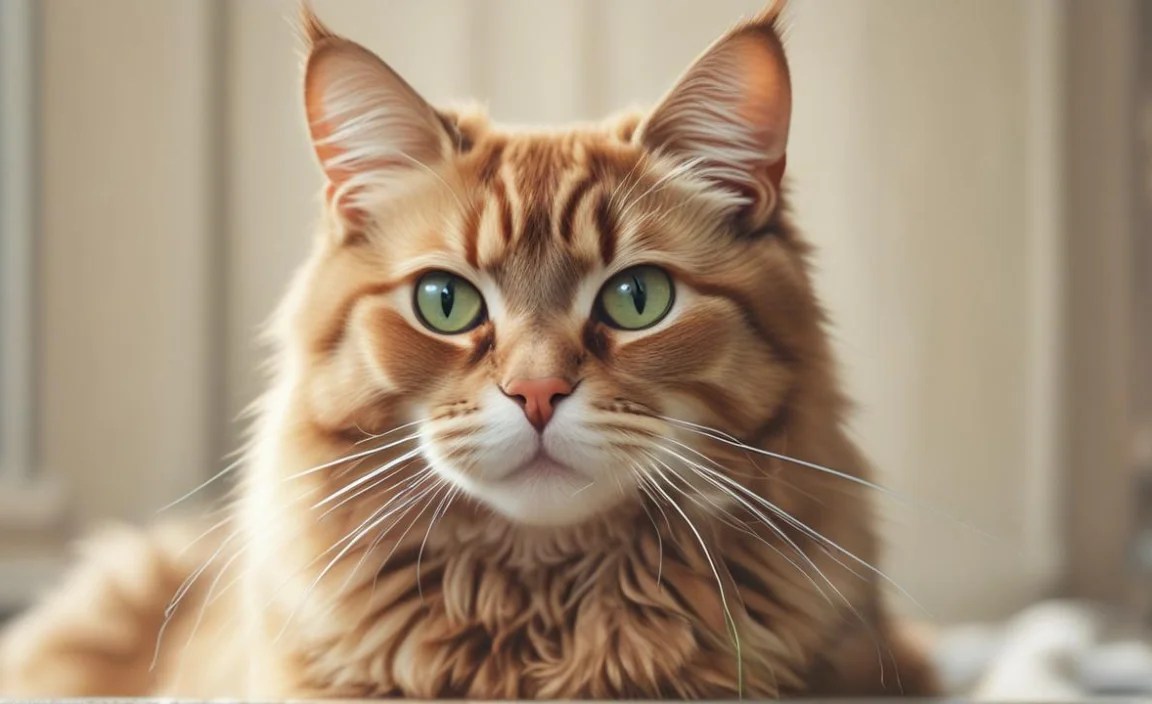
Here’s a comparison table to help you decide which breed is the best fit for your quiet home:
| Breed | Temperament | Activity Level | Vocalization | Grooming Needs |
|---|---|---|---|---|
| British Shorthair | Gentle, easygoing | Low to moderate | Quiet | Moderate |
| Persian | Docile, sweet | Low | Quiet | High |
| Ragdoll | Gentle, laid-back | Low to moderate | Quiet | Moderate |
| Scottish Fold | Sweet, gentle | Moderate | Quiet | Moderate |
| Russian Blue | Reserved, calm | Moderate | Quiet | Low |
| Burmese | Playful, Affectionate | Moderate | Quiet | Low |
| Tonkinese | Playful, Affectionate | Moderate | Quiet | Low |
Creating a Calm Environment for Your Cat

Regardless of the breed you choose, creating a calm and stable environment is essential for your cat’s well-being. Here are some tips to help you create a peaceful home for your feline friend:
- Provide a Safe Space: Make sure your cat has a quiet and comfortable place to retreat to when they feel overwhelmed. This could be a cozy bed, a cat tree, or a quiet corner of a room.
- Minimize Loud Noises: Avoid sudden loud noises, such as slamming doors or blasting music. If you know there will be a loud event, such as a party or construction work, provide your cat with a safe and quiet space away from the noise.
- Establish a Routine: Cats thrive on routine, so try to feed and play with your cat at the same time each day. This will help them feel secure and reduce anxiety.
- Provide Mental Stimulation: Even quiet cats need mental stimulation to prevent boredom. Offer puzzle toys, scratching posts, and interactive play sessions to keep your cat entertained.
- Use Calming Products: Consider using calming products such as pheromone diffusers or calming sprays to help reduce stress and anxiety in your cat.
The Importance of Socialization
Early socialization is crucial for developing a well-adjusted and calm cat. Kittens who are exposed to a variety of people, animals, and environments are more likely to be confident and adaptable as adults. If you’re adopting a kitten, make sure they have been properly socialized by the breeder or rescue organization. If you’re adopting an adult cat, slowly introduce them to new experiences and environments to help them adjust.
According to the RSPCA, proper socialization involves exposing kittens to “various sights, sounds, smells, and experiences” during their critical socialization period (2-7 weeks of age).
Grooming and Care Tips for Quiet Cat Breeds

Each breed has unique grooming needs. Here’s a quick guide:
British Shorthair
- Grooming: Weekly brushing to remove loose fur.
- Health: Monitor for hypertrophic cardiomyopathy (HCM).
- Diet: Balanced diet to prevent obesity.
Persian
- Grooming: Daily brushing to prevent mats and tangles. Regular baths are also necessary.
- Health: Prone to polycystic kidney disease (PKD) and respiratory issues.
- Diet: High-quality diet to support their long coat.
Ragdoll
- Grooming: Weekly brushing to prevent mats.
- Health: Monitor for hypertrophic cardiomyopathy (HCM).
- Diet: Controlled portions to avoid weight gain.
Scottish Fold
- Grooming: Weekly brushing to remove loose fur.
- Health: Prone to joint issues due to their folded ears.
- Diet: Balanced diet to maintain healthy weight.
Russian Blue
- Grooming: Weekly brushing to maintain their coat.
- Health: Generally healthy, but monitor for common feline ailments.
- Diet: High-quality diet to support their overall health.
Burmese
- Grooming: Weekly brushing to maintain their coat.
- Health: Monitor for diabetes.
- Diet: High-quality diet to support their overall health.
Tonkinese
- Grooming: Weekly brushing to maintain their coat.
- Health: Monitor for glaucoma.
- Diet: High-quality diet to support their overall health.
Addressing Common Concerns
Even quiet cat breeds can have occasional behavioral issues. Here are some common concerns and how to address them:
- Scratching: Provide plenty of scratching posts and encourage your cat to use them.
- Hiding: Make sure your cat has a safe and comfortable place to hide when they feel overwhelmed.
- Changes in Behavior: If you notice any sudden changes in your cat’s behavior, consult with your veterinarian to rule out any underlying medical issues.
FAQ: Choosing the Right Cat for a Calm Home
What makes a cat breed “quiet”?
Quiet cat breeds tend to be less vocal and less energetic than other breeds. They are often more content to lounge around and enjoy the peace and quiet.
Are quiet cat breeds less playful?
Not necessarily. While they may not be as hyperactive as some other breeds, quiet cats still enjoy playing. The key is to provide them with appropriate toys and activities that match their energy level.
Do quiet cat breeds require less attention?
No, all cats need attention and affection, regardless of their breed. Quiet cats may not demand attention as loudly as some other breeds, but they still need regular interaction and playtime.
Can I train a cat to be quieter?
While you can’t completely change a cat’s natural temperament, you can use positive reinforcement to encourage quieter behavior. Reward your cat for being quiet and calm, and avoid rewarding excessive vocalization.
Are mixed-breed cats ever quiet?
Yes, mixed-breed cats can be quiet, but their temperament can be more unpredictable than purebred cats. If you’re considering adopting a mixed-breed cat, spend some time with them to get a sense of their personality.
Is adopting an older cat a good choice for a quiet home?
Yes, adopting an older cat can be a great choice! Senior cats often have lower energy levels and established personalities, making it easier to find a calm companion. Shelters and rescues can provide insights into a cat’s temperament.
What if my “quiet” cat suddenly becomes noisy?
Sudden changes in vocalization can indicate a medical or behavioral issue. Consult your vet to rule out health problems like hyperthyroidism or pain. If the cat is healthy, consider environmental stressors or boredom and enrich their environment accordingly.
Conclusion
Choosing the right cat breed is a crucial step in creating a harmonious and peaceful home. Breeds like the British Shorthair, Persian, Ragdoll, Scottish Fold, and Russian Blue are all excellent choices for those seeking a quiet and calm companion. Remember that each cat is an individual, and their personality can be influenced by various factors, including genetics, socialization, and environment. By providing a safe, stable, and loving environment, you can help your feline friend thrive and enjoy a lifetime of quiet companionship.


