
Easy British Shorthair Trick Training: Starts Now!

British Shorthair trick training can be fun and rewarding! Start with simple commands like “sit” or “stay” using positive reinforcement like treats and praise. Keep training sessions short, frequent, and tailored to your cat’s personality. Patience is key, as British Shorthairs can be independent thinkers. Celebrate small victories and enjoy the bonding experience!
Is your British Shorthair a regal couch potato or a hidden genius waiting to be discovered? Many people think cats are untrainable, but that’s simply not true! British Shorthairs, with their calm and intelligent nature, can learn tricks just like dogs – though perhaps with a bit more… persuasion. Are you ready to unlock your cat’s potential and build an even stronger bond?
This guide will walk you through the steps of trick training your British Shorthair, from basic commands to more advanced maneuvers. We’ll cover everything from choosing the right treats to understanding your cat’s unique learning style. Get ready to turn your fluffy friend into a trick-performing superstar!
Why Train Your British Shorthair?

Training isn’t just about teaching your cat to perform cute tricks; it’s about enriching their life and strengthening your relationship. Here’s why you should consider trick training:
- Mental Stimulation: Training provides mental exercise, preventing boredom and potential behavioral issues.
- Bonding: It’s a fantastic way to bond with your cat, creating positive interactions and trust.
- Physical Exercise: Some tricks can encourage physical activity, keeping your cat fit and healthy.
- Improved Communication: You’ll learn to understand your cat’s body language and communication cues better.
- Fun!: It’s an enjoyable activity for both you and your furry friend!
Getting Started: Essential Tools and Techniques

Before you begin your trick-training journey, gather the necessary tools and understand the fundamental techniques.
Essential Tools
- High-Value Treats: These should be small, irresistible, and different from your cat’s regular food. Think small pieces of cooked chicken, tuna, or commercially available cat treats.
- Clicker (Optional): A clicker can be a useful tool for marking desired behaviors. The click sound becomes associated with positive reinforcement.
- Quiet Training Area: Choose a quiet, distraction-free space where your cat feels comfortable and safe.
- Target Stick (Optional): A target stick can help guide your cat into specific positions. You can use a chopstick or a pen with a soft tip.
Fundamental Techniques
- Positive Reinforcement: Reward desired behaviors with treats, praise, or petting. Avoid punishment, as it can damage your relationship and hinder learning.
- Consistency: Use the same commands and hand signals consistently.
- Short Sessions: Keep training sessions short (5-10 minutes) and frequent (several times a day). Cats have short attention spans.
- Patience: Be patient and understanding. Some cats learn faster than others. Never force your cat to do anything they don’t want to do.
- Shaping: Break down complex tricks into smaller, manageable steps. Reward each step that gets your cat closer to the desired behavior. This is also known as successive approximation.
Basic Tricks to Start With

Start with these simple tricks to build a foundation for more advanced training.
1. “Sit”
This is a fundamental command that’s easy to teach.
- Hold a treat near your cat’s nose.
- Slowly move the treat over their head, towards their tail. As they follow the treat, they should naturally sit.
- As soon as their bottom touches the ground, say “Sit” and give them the treat.
- Repeat this process several times.
- Once your cat consistently sits when you move the treat, start saying “Sit” before you move the treat.
- Gradually fade out the lure (the treat) and use just the verbal command and hand signal (raising your hand).
2. “Stay”
This command requires patience and consistency.
- Have your cat sit.
- Hold your hand up in a “stop” gesture and say “Stay.”
- Start with short durations (a few seconds) and gradually increase the time.
- If your cat stays, reward them with a treat and praise.
- If they move, gently redirect them back to the sitting position and start again with a shorter duration.
3. “Come”
This is a crucial command for safety and recall.
- Start in a quiet room with your cat.
- Say their name followed by “Come” in a cheerful voice.
- When they come to you, reward them with a treat and praise.
- Gradually increase the distance between you and your cat.
- Practice in different locations.
4. “High Five”
This trick is cute and relatively easy to teach.
- Hold a treat in your hand, close to your cat’s nose.
- As they reach for the treat with their paw, say “High Five” and gently touch their paw with your hand.
- Reward them with the treat.
- Repeat this process until they consistently lift their paw when you say “High Five.”
- Gradually fade out the lure (the treat) and use just the verbal command and hand signal (raising your hand).
5. “Target Training”
Target training involves teaching your cat to touch a specific object (the target stick) with their nose. This can be used to guide them into various positions.
- Introduce the target stick to your cat. Let them sniff it and investigate it.
- Hold the target stick a short distance from your cat’s nose.
- When they touch the target stick with their nose, click (if using a clicker) and give them a treat.
- Gradually increase the distance between the target stick and your cat.
- Use the target stick to guide your cat into different positions, such as standing on their hind legs or going to a specific location.
Advanced Tricks for Your British Shorthair

Once your cat has mastered the basic commands, you can move on to more challenging tricks.
1. “Fetch”
While not all cats enjoy fetching, some British Shorthairs may be receptive to this game.
- Start with a small, lightweight toy that your cat enjoys.
- Toss the toy a short distance.
- When your cat goes to the toy, say “Fetch.”
- If they bring the toy back to you, reward them with a treat and praise.
- If they don’t bring the toy back, gently retrieve it yourself and try again.
- Be patient and persistent. Some cats may take longer to learn this trick.
2. “Roll Over”
This trick requires a bit more coordination and patience.
- Have your cat lie down.
- Hold a treat near their nose and lure them to turn their head to one side.
- As they turn their head, slowly move the treat towards their shoulder, encouraging them to roll onto their side.
- Continue moving the treat until they roll over completely.
- Reward them with the treat and praise.
- Repeat this process until they consistently roll over when you lure them with the treat.
- Gradually fade out the lure and use just the verbal command and hand signal (a circular motion with your hand).
3. “Jump Through a Hoop”
This trick is impressive and fun to teach.
- Start with a large hoop (e.g., a hula hoop).
- Hold the hoop on the ground and lure your cat through it with a treat.
- Reward them with the treat and praise.
- Gradually raise the hoop a few inches off the ground.
- Continue raising the hoop as your cat becomes more comfortable jumping through it.
- Once your cat is consistently jumping through the hoop, introduce the verbal command “Jump.”
4. “Play Dead”
This trick is a bit more complex and requires patience.
- Have your cat lie down.
- Gently roll them onto their side.
- Say “Play Dead” and hold them in that position for a few seconds.
- Reward them with a treat and praise.
- Gradually increase the duration of the “Play Dead” position.
- With practice, your cat will learn to lie on their side and stay still when you say “Play Dead.”
Troubleshooting Common Training Challenges
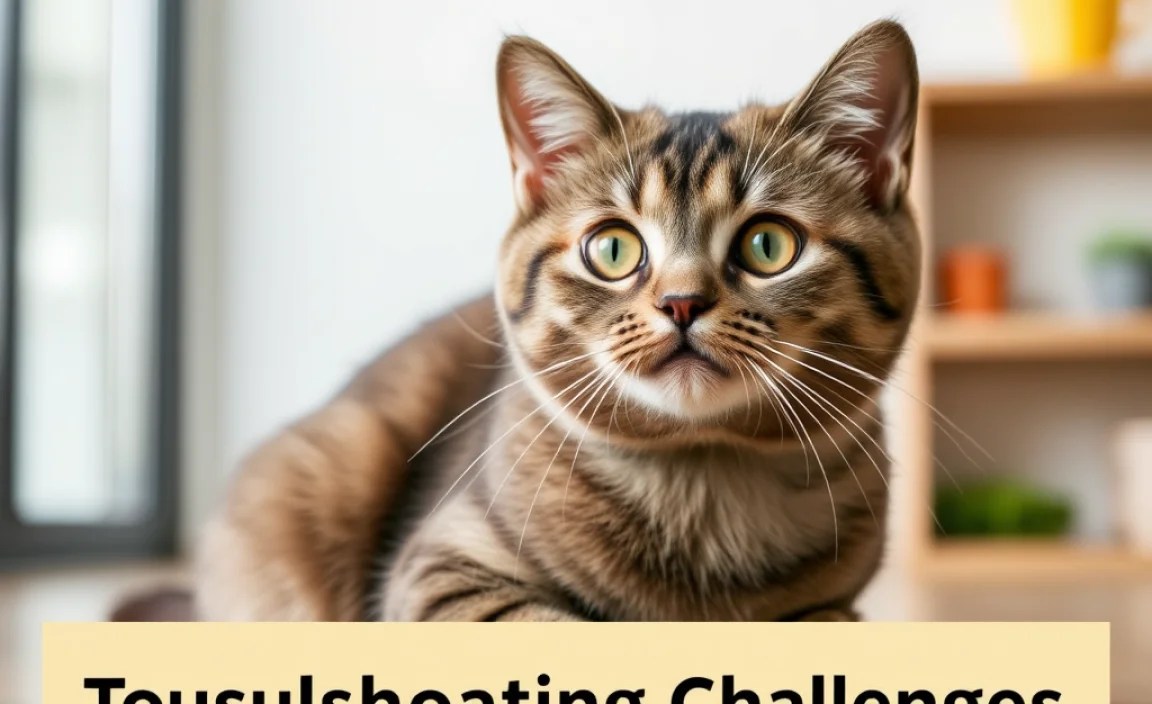
Even with the best techniques, you may encounter challenges during training. Here’s how to address some common issues:
| Challenge | Solution |
|---|---|
| Cat loses interest quickly | Keep training sessions short and frequent. Use high-value treats. Vary the tricks you’re teaching. |
| Cat doesn’t respond to treats | Experiment with different types of treats to find what motivates your cat. Make sure the treats are small and easy to eat. |
| Cat gets distracted easily | Train in a quiet, distraction-free environment. Minimize noise and movement. |
| Cat becomes aggressive or fearful | Stop the training session immediately. Reassess your approach and make sure you’re using positive reinforcement only. Consult with a veterinarian or certified cat behaviorist if the behavior persists. |
| Cat only performs tricks for treats | Gradually fade out the treats and replace them with praise and petting. Use treats intermittently to maintain motivation. |
Tips for Success
Here are some additional tips to help you succeed in training your British Shorthair:
- Understand Your Cat’s Personality: British Shorthairs are known for their calm and independent nature. Tailor your training approach to their individual personality and learning style. Some cats may be more motivated by food, while others may respond better to praise and attention.
- Be Patient and Consistent: Training takes time and patience. Don’t get discouraged if your cat doesn’t learn a trick immediately. Be consistent with your commands and training schedule.
- End on a Positive Note: Always end each training session on a positive note, with a trick that your cat knows well. This will help them associate training with positive experiences.
- Make it Fun!: Training should be an enjoyable experience for both you and your cat. Keep it lighthearted and playful.
- Consider Clicker Training: A clicker can be a very effective tool for marking desired behaviors. The click sound becomes associated with positive reinforcement, making it easier for your cat to understand what you want them to do.
- Don’t Overdo It: Avoid training for too long or pushing your cat too hard. This can lead to frustration and burnout.
British Shorthair Temperament and Training Adaptations
Understanding the British Shorthair temperament is key to adapting your training techniques. They’re generally:
- Calm: Use a gentle, patient approach.
- Independent: Keep sessions short and respect their boundaries.
- Intelligent: They can learn quickly with the right motivation.
- Affectionate (on their terms): Use praise and gentle petting as rewards.
Avoid forceful methods. Focus on positive reinforcement and building trust. Remember, training should be a fun bonding experience, not a battle of wills!
FAQ About British Shorthair Trick Training
Here are some frequently asked questions about training your British Shorthair:
- Q: Are British Shorthairs easy to train?
- A: British Shorthairs are intelligent cats, but they can also be independent. With patience, consistency, and positive reinforcement, they can be trained successfully.
- Q: What is the best age to start training my British Shorthair?
- A: You can start training your British Shorthair as early as kittenhood. Kittens are often more receptive to learning new things. However, adult cats can also be trained with patience and consistency.
- Q: How long should training sessions be?
- A: Training sessions should be short, typically 5-10 minutes. Cats have short attention spans, so it’s better to have several short sessions throughout the day than one long session.
- Q: What kind of treats should I use for training?
- A: Use high-value treats that your cat finds irresistible. Small pieces of cooked chicken, tuna, or commercially available cat treats are good options.
- Q: My cat doesn’t seem interested in treats. What should I do?
- A: Experiment with different types of treats to find what motivates your cat. You can also try using praise and petting as rewards instead of treats.
- Q: How do I stop my cat from biting or scratching during training?
- A: Never punish your cat for biting or scratching. Instead, redirect their attention to a toy or another activity. Make sure you’re using positive reinforcement only and avoid any training methods that could cause your cat to become fearful or aggressive. If the behavior persists, consult with a veterinarian or certified cat behaviorist.
- Q: What if my cat just isn’t interested in learning tricks?
- A: Not all cats are interested in learning tricks. If your cat consistently shows no interest in training, don’t force them. Focus on other ways to bond with your cat, such as playing games or simply spending time together.
Conclusion
Training your British Shorthair can be a rewarding experience for both you and your feline friend. By using positive reinforcement, understanding your cat’s personality, and being patient and consistent, you can teach them a variety of tricks and strengthen your bond. Remember to keep training sessions short, fun, and tailored to your cat’s individual needs. So, grab those treats, unleash your inner trainer, and get ready to be amazed by what your British Shorthair can learn!


