
Cat Breeds Prone to Allergies: Find Your Purrfect Match

Do you love cats? But does your nose get itchy around them? You might have allergies. Some cat breeds can make allergies worse. These are cat breeds prone to allergies. Let’s learn about these kitties. We will find out why they cause more sniffles. We’ll also learn how to live with them.
Some cats make more of a certain protein. This protein is called Fel d 1. It is in their saliva and skin. When cats groom, they spread it. This makes some people sneeze a lot. Are you ready to learn more about these cats?
It is important to remember that all cats produce allergens. Some just make more than others. Knowing which cat breeds might cause more allergies can help. It can help you choose a pet that is right for you. Or, it can help you manage your allergies better. Let’s dive in and discover more.
Key Takeaways
- Certain cat breeds are known to produce more of the Fel d 1 protein. This protein can trigger allergies.
- Long-haired cats may seem like the biggest allergy culprits. But short-haired cats can also cause significant allergic reactions.
- Cat breeds prone to allergies include Persians, Himalayans, and Maine Coons. These breeds produce higher levels of allergens.
- Regular grooming and cleaning can help reduce allergens in your home. Air purifiers can also remove allergens from the air.
- If you have allergies, consider spending time with a cat before adopting. This can help you determine your sensitivity level.
Understanding Cat Allergies
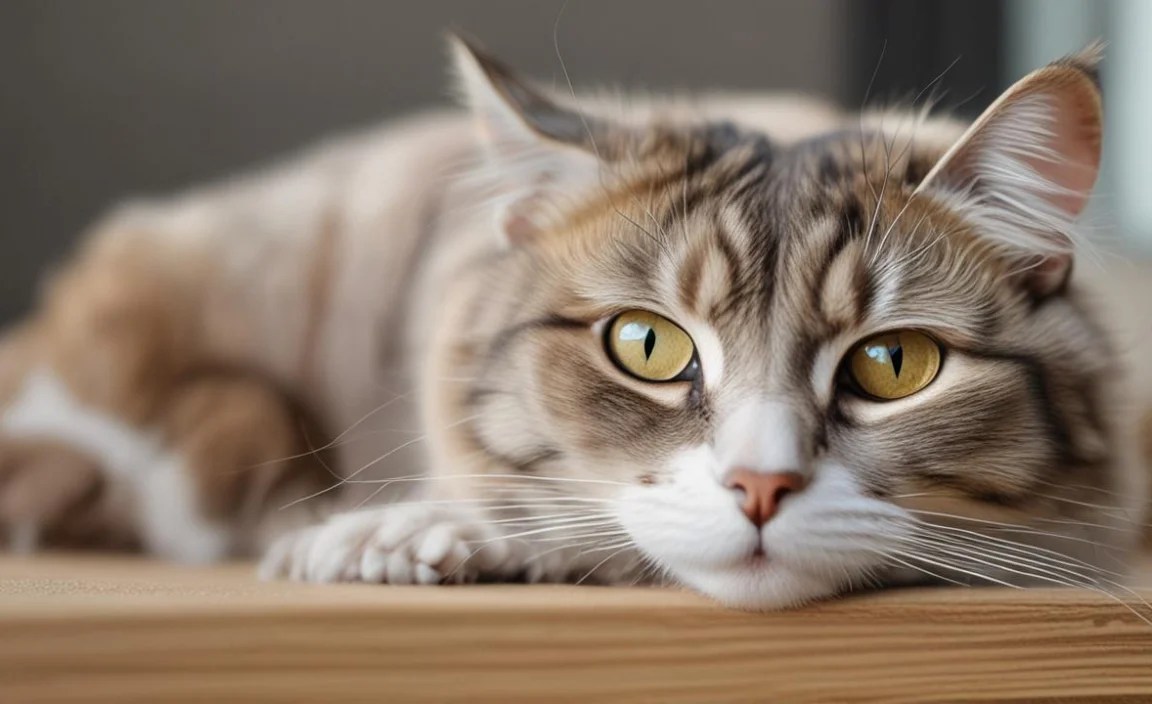
Cat allergies are a common problem. Many people love cats but cannot be near them. This is because of a protein called Fel d 1. Cats produce this protein in their saliva and skin glands. When cats groom themselves, they spread saliva on their fur. The saliva dries and becomes airborne. People then breathe in these tiny particles. This can cause allergic reactions. Symptoms include sneezing, itchy eyes, and a runny nose. Some people may even get a rash. It is important to know that cat breeds prone to allergies can vary in how much Fel d 1 they produce. Some produce a lot, and others produce less. Even within the same breed, there can be differences. This makes it hard to predict how allergic you will be to a specific cat. But there are ways to manage your allergies and still enjoy having a cat.
- Cat allergies are caused by a protein called Fel d 1.
- Cats spread the protein when they groom themselves.
- Symptoms include sneezing, itchy eyes, and a runny nose.
- Some people may also get a rash from cat allergies.
- Not all cats produce the same amount of Fel d 1.
- Managing allergies can help you live with cats.
It is important to keep your home clean. Vacuum regularly to remove cat hair and dander. Use a vacuum with a HEPA filter. This will trap allergens. Wash your hands after petting your cat. Consider using air purifiers. These can remove allergens from the air. Bathing your cat regularly can also help. This removes some of the Fel d 1 protein. Talk to your doctor about allergy medications. Antihistamines and nasal sprays can help relieve symptoms. Some people also get allergy shots. These can help your body get used to the allergens. Remember, living with cat allergies can be challenging. But with the right strategies, you can still enjoy the companionship of a cat.
Why Are Some People Allergic?
Have you ever wondered why some people are allergic to cats? It all comes down to your immune system. Your immune system is like your body’s army. It protects you from things that could make you sick. Sometimes, your immune system makes a mistake. It thinks something harmless is dangerous. In the case of cat allergies, your immune system sees the Fel d 1 protein as a threat. When you come into contact with this protein, your immune system attacks it. This attack causes the allergy symptoms we know. Sneezing, itching, and runny noses are all part of your body’s defense. Not everyone’s immune system reacts the same way. Some people are more sensitive to Fel d 1 than others. This is why some people have severe allergies, while others have none at all.
How Can You Tell if You’re Allergic?
How do you know if you’re allergic to cats? The symptoms can vary from person to person. Some people experience immediate reactions. They might start sneezing as soon as a cat enters the room. Others may have delayed reactions. Their symptoms might not appear until hours later. Common symptoms include a runny or stuffy nose. You might also have itchy, watery eyes. Some people develop a rash or hives. In more severe cases, people can experience difficulty breathing. If you think you might be allergic, there are tests you can take. An allergy test can confirm if you are sensitive to Fel d 1. The test can be done with a skin prick or a blood sample. Knowing whether you’re allergic is the first step in managing your allergies.
Are Some Cats More Allergenic Than Others?
Is it true that some cats cause more allergies than others? The answer is yes! While all cats produce Fel d 1, some cat breeds produce more. Long-haired cats are often thought to be the worst offenders. But this isn’t always the case. It’s the amount of Fel d 1 that matters, not the length of the fur. Some short-haired cats produce just as much, or even more, Fel d 1 than long-haired cats. Male cats also tend to produce more Fel d 1 than female cats. Unneutered males produce the most. So, if you’re allergic, you might want to consider a female cat. Or, a neutered male cat. Choosing the right cat breed can make a big difference in managing your allergies.
Fun Fact or Stat: About 10% of people are allergic to household pets. Cats are twice as likely to cause allergies as dogs.
Top Cat Breeds Prone To Allergies

When you think about cat breeds prone to allergies, certain names come up often. These breeds tend to produce higher levels of Fel d 1. This can make them more likely to trigger allergic reactions. Persian cats are one such breed. They are known for their long, luxurious fur. This fur requires a lot of grooming, which spreads more Fel d 1. Himalayan cats are similar to Persians. They also have long fur and high grooming needs. Maine Coons are another breed to watch out for. They are large cats with thick fur. This means more surface area for Fel d 1 to spread. It’s important to remember that individual cats can vary. Some cats of these breeds may produce less Fel d 1. But, in general, these breeds are more likely to cause allergies. If you are allergic, you might want to avoid these cat breeds. Or, take extra precautions to manage your allergies.
- Persian cats have long fur and high grooming needs.
- Himalayan cats are similar to Persians in terms of allergies.
- Maine Coons are large cats with thick fur.
- Long-haired cats are often associated with more allergies.
- Individual cats can vary in how much Fel d 1 they produce.
- Consider your allergy level before choosing these breeds.
Living with cat allergies can be tough, but it’s not impossible. If you have your heart set on one of these cat breeds prone to allergies, there are steps you can take. Regular grooming is key. Brush your cat often to remove loose fur and dander. Use a damp cloth to wipe down their fur. This can help remove Fel d 1. Vacuum your home frequently, paying special attention to areas where your cat spends time. Invest in an air purifier with a HEPA filter. This will help remove allergens from the air. Wash your hands after petting your cat. Don’t let your cat sleep in your bed. Talk to your doctor about allergy medications. With careful management, you can enjoy the companionship of these beautiful cats.
Persian Cats and Allergies
Why are Persian cats often linked to allergies? It’s not just their long fur. Persian cats have a dense coat that traps allergens. This means that when they groom, they spread a lot of Fel d 1. Their grooming habits also contribute. Persians need regular brushing to prevent mats and tangles. This frequent brushing releases allergens into the air. If you’re allergic, living with a Persian cat can be challenging. But, many people find their sweet personalities worth the effort. Regular grooming and cleaning can help manage allergies. It’s important to be prepared and proactive if you choose a Persian cat.
Himalayan Cats and Allergy Concerns
Himalayan cats are another breed that can cause allergy concerns. They are very similar to Persians in terms of coat and grooming needs. This means they share the same allergy-related challenges. Himalayan cats have long, flowing fur that requires daily brushing. This releases a significant amount of Fel d 1 into the environment. If you are sensitive to cat allergens, a Himalayan cat might not be the best choice. However, with diligent grooming and cleaning, you can minimize your exposure to allergens. Consider using a high-quality air purifier to remove allergens from the air. Regular bathing can also help reduce the amount of Fel d 1 on your cat’s fur.
Maine Coon Cats and Allergic Reactions
Maine Coon cats are known for their large size and fluffy tails. But, they are also known for being allergenic. Their thick fur and large size mean they have more surface area for Fel d 1 to spread. Maine Coons also tend to shed a lot. This can exacerbate allergy symptoms. If you love the gentle giant personality of a Maine Coon, don’t despair. There are ways to make it work. Regular grooming is essential. Vacuuming frequently and using air purifiers can also help. Some people find that allergy shots can help them tolerate Maine Coons. It’s all about finding the right strategies for managing your allergies.
Fun Fact or Stat: The International Cat Association recognizes over 70 different cat breeds. Each breed has unique characteristics and allergy potential.
Managing Allergies With Cat Breeds

Even if you choose one of the cat breeds prone to allergies, you can still manage your symptoms. The key is to create a comprehensive allergy management plan. This includes reducing your exposure to allergens. It also involves treating your allergy symptoms. Start by grooming your cat regularly. This removes loose fur and dander. Use a special allergy-reducing shampoo. This can help remove Fel d 1 from your cat’s fur. Vacuum your home frequently with a HEPA filter vacuum. This will trap allergens in the vacuum. Wash your hands after petting your cat. Avoid touching your face after handling your cat. Use air purifiers to remove allergens from the air. Talk to your doctor about allergy medications. Antihistamines, nasal sprays, and allergy shots can all help. With a little effort, you can enjoy the companionship of a cat, even with allergies.
- Groom your cat regularly to remove loose fur and dander.
- Vacuum your home frequently with a HEPA filter vacuum.
- Wash your hands after petting your cat.
- Use air purifiers to remove allergens from the air.
- Talk to your doctor about allergy medications.
- Create a comprehensive allergy management plan.
Creating an allergy-free zone in your home can also help. This is a room where your cat is not allowed. Your bedroom is a good choice. This gives you a safe space to sleep and relax. Keep the door closed to prevent your cat from entering. Use an air purifier in this room. Wash your bedding frequently in hot water. Consider using allergen-proof bedding covers. These covers prevent allergens from penetrating your mattress and pillows. When cleaning, wear a mask to avoid inhaling allergens. With these strategies, you can create a more comfortable environment for yourself. Remember, managing cat allergies is an ongoing process. But with consistent effort, you can live comfortably with your feline friend.
Grooming Tips for Allergy Sufferers
Grooming your cat is essential for managing allergies. But, it can also expose you to allergens. Wear a mask and gloves while grooming. This will protect you from inhaling allergens. Brush your cat outside or in a well-ventilated area. This will prevent allergens from building up indoors. Use a special allergy-reducing brush. These brushes trap allergens as you groom. After grooming, wash your clothes and take a shower. This will remove any allergens that may have landed on you. Regular grooming can significantly reduce the amount of allergens in your home. It’s a key part of any allergy management plan.
Cleaning Strategies to Reduce Allergens
Cleaning your home regularly is crucial for reducing allergens. Vacuum frequently with a HEPA filter vacuum. This will trap allergens that would otherwise float into the air. Dust surfaces with a damp cloth. Dry dusting can stir up allergens. Wash your bedding in hot water every week. This will kill dust mites and remove allergens. Consider steam cleaning your carpets and upholstery. This can remove embedded allergens. Use air purifiers with HEPA filters to remove allergens from the air. Focus on areas where your cat spends the most time. With consistent cleaning, you can create a more allergy-friendly environment.
Medications and Allergy Relief Options
If you have cat allergies, medications can provide relief. Antihistamines can help reduce sneezing, itching, and runny noses. Nasal sprays can help clear congestion. Decongestants can also help with a stuffy nose. For more severe allergies, your doctor may prescribe corticosteroids. Allergy shots, also known as immunotherapy, can help your body get used to allergens. This can reduce your sensitivity over time. Talk to your doctor about the best medication options for you. They can help you create a personalized treatment plan. Remember, medications are just one part of managing your allergies. Combining medication with environmental controls can provide the best results.
Fun Fact or Stat: HEPA filters can remove 99.97% of particles that are 0.3 microns or larger. This includes cat allergens, dust mites, and pollen.
Hypoallergenic Cat Breeds: Myth or Reality?

The term “hypoallergenic” gets thrown around a lot. When it comes to cat breeds, it can be misleading. No cat is truly 100% hypoallergenic. All cats produce Fel d 1. However, some cat breeds produce less Fel d 1 than others. These breeds are often marketed as hypoallergenic. But, it’s important to have realistic expectations. Even these breeds can cause allergic reactions. The Siberian cat is one breed that is often considered hypoallergenic. They produce less Fel d 1 than many other breeds. The Balinese cat is another option. They are also known for producing less of the allergy-causing protein. If you have allergies, these breeds might be a better choice. But, it’s still important to spend time with them before bringing them home. This will help you determine your sensitivity level.
- No cat is truly 100% hypoallergenic.
- Some cat breeds produce less Fel d 1 than others.
- Siberian cats are often considered hypoallergenic.
- Balinese cats are also known for producing less Fel d 1.
- Spend time with a cat before bringing it home.
- Have realistic expectations about allergies.
Before you adopt a “hypoallergenic” cat, do your research. Talk to breeders and allergy specialists. Understand that even these cats can trigger allergies. Factors like grooming habits and living environment play a role. Consider your own allergy history. How sensitive are you to cats in general? If you have severe allergies, even a low-allergen cat might cause problems. It’s also important to remember that individual cats vary. Some Siberian cats might produce more Fel d 1 than others. Don’t rely solely on breed labels. Spend time with the specific cat you’re considering. Monitor your reaction. This is the best way to determine if a cat is a good fit for you. With careful planning, you can increase your chances of finding a feline friend you can live with comfortably.
Understanding Hypoallergenic Claims
What does “hypoallergenic” really mean? It simply means “less allergenic.” It doesn’t mean “allergy-free.” When a cat is labeled hypoallergenic, it means it produces less Fel d 1 than average. This doesn’t guarantee you won’t have an allergic reaction. It just means the reaction might be milder. It’s important to approach these claims with caution. Don’t assume that a hypoallergenic cat will solve all your allergy problems. It’s still important to take steps to manage your allergies. Regular grooming, cleaning, and medication may still be necessary. Hypoallergenic cats can be a good starting point. But, they are not a magic bullet.
Siberian Cats: A Hypoallergenic Option?
Siberian cats are often touted as a hypoallergenic breed. This is because they produce less Fel d 1 than many other cats. Some studies have shown that Siberian cats produce significantly less of the protein. This makes them a popular choice for allergy sufferers. However, it’s important to remember that not all Siberian cats are created equal. Some individual cats may produce more Fel d 1 than others. It’s always best to spend time with a specific cat before adopting it. This will help you gauge your reaction. Siberian cats have a thick, long coat. This means regular grooming is still essential. This will help to minimize the spread of allergens.
Balinese Cats: Another Low-Allergen Choice?
Balinese cats are another breed often recommended for allergy sufferers. They are sometimes referred to as “long-haired Siamese.” Like Siberian cats, they produce less Fel d 1. This makes them a potentially good choice for people with allergies. Balinese cats have a single coat. This means they shed less than many other breeds. This can also help reduce the amount of allergens in your home. However, regular grooming is still important. This will help to remove loose fur and dander. If you’re considering a Balinese cat, spend time with one first. This will help you determine your sensitivity level. Remember, no cat is completely allergy-free.
Fun Fact or Stat: Siberian cats are thought to have originated in Russia. They have been around for over 1,000 years.
Other Factors Affecting Cat Allergies

It’s not just about the cat breeds prone to allergies. Many other factors can affect your allergy symptoms. The cat’s sex plays a role. Male cats tend to produce more Fel d 1 than female cats. Neutering a male cat can reduce his Fel d 1 production. A cat’s age can also affect allergies. Kittens tend to produce less Fel d 1 than adult cats. The cat’s diet can also play a role. Some foods may increase allergen production. Your own health and environment also matter. If you have other allergies or asthma, you may be more sensitive to cat allergens. The amount of ventilation in your home can also affect your symptoms. Good ventilation can help reduce the concentration of allergens in the air. Managing all these factors can help you live more comfortably with a cat.
- Male cats produce more Fel d 1 than female cats.
- Neutering a male cat can reduce allergen production.
- Kittens produce less Fel d 1 than adult cats.
- Diet can affect allergen production.
- Your own health and environment matter.
- Good ventilation can reduce allergen concentration.
Consider your living situation. Do you live in a small apartment or a large house? In a small space, allergens will be more concentrated. This can make your symptoms worse. In a larger house, allergens will be more dispersed. This can help reduce your symptoms. Think about your lifestyle. Do you spend a lot of time at home, or are you often away? If you’re home a lot, you’ll be exposed to allergens more often. This can increase your sensitivity. If you’re often away, you might not notice your allergies as much. Be aware of seasonal allergies. Pollen and mold can worsen your cat allergy symptoms. With careful consideration of all these factors, you can create a plan to manage your allergies effectively.
The Role of Cat Gender and Age
Why do cat gender and age matter when it comes to allergies? Male cats produce more Fel d 1 because of hormones. Testosterone stimulates the production of the protein. Neutering a male cat reduces testosterone levels. This, in turn, reduces Fel d 1 production. Kittens produce less Fel d 1 because they are still developing. Their hormone levels are lower. As they mature, their Fel d 1 production increases. This is why some people find they are more allergic to adult cats than kittens. Considering the cat’s gender and age can help you make a more informed decision about which cat to adopt.
Environmental Factors and Allergies
Your environment plays a big role in your allergy symptoms. A clean, well-ventilated home can significantly reduce allergen levels. Dust and vacuum regularly. Use a HEPA filter vacuum. Wash bedding frequently in hot water. Use air purifiers to remove allergens from the air. Avoid clutter. Clutter can trap allergens and make cleaning more difficult. Consider replacing carpets with hard floors. Carpets trap allergens. Hard floors are easier to clean. With a few simple changes, you can create a more allergy-friendly environment.
Personal Health and Allergy Sensitivity
Your own health can affect how you react to cat allergens. If you have other allergies, such as pollen or dust mite allergies, you may be more sensitive to cat allergens. Asthma can also worsen allergy symptoms. If you have a weakened immune system, you may be more susceptible to allergic reactions. Managing your overall health can help reduce your allergy symptoms. Get enough sleep, eat a healthy diet, and manage stress. Talk to your doctor about your allergies. They can help you develop a personalized treatment plan.
| Factor | Effect on Allergies |
|---|---|
| Cat Gender | Male cats produce more allergens |
| Neutering | Reduces allergen production in males |
| Cat Age | Kittens produce fewer allergens |
| Home Environment | Cleanliness and ventilation matter |
| Personal Health | Other allergies can increase sensitivity |
Fun Fact or Stat: Indoor air can be up to five times more polluted than outdoor air. This is due to allergens, dust, and other pollutants.
Living Comfortably With Cats and Allergies
It is possible to live comfortably with cats, even if you have allergies. The key is to be proactive and consistent. Start by creating an allergy management plan. This includes regular grooming, cleaning, and medication. Make sure everyone in your household is on board with the plan. This will ensure that everyone is doing their part to manage allergens. Train your cat to stay out of certain areas. Your bedroom should be an allergy-free zone. Use positive reinforcement to encourage your cat to stay out of these areas. Consider using allergen-reducing products. There are sprays and wipes that can help reduce Fel d 1 on surfaces. With a little effort and planning, you can enjoy the companionship of a cat without suffering from constant allergies.
- Create an allergy management plan.
- Ensure everyone in your household is on board.
- Train your cat to stay out of certain areas.
- Use positive reinforcement.
- Consider allergen-reducing products.
- Be proactive and consistent.
Remember that managing allergies is an ongoing process. It’s not something you can do once and forget about. You need to be vigilant and consistent with your efforts. Monitor your symptoms. If you notice your allergies are getting worse, adjust your plan accordingly. Talk to your doctor regularly. They can help you manage your symptoms and adjust your medications as needed. Don’t give up! Living with cat allergies can be challenging. But with the right strategies, you can enjoy the love and companionship of a cat without sacrificing your health.
Creating an Allergy-Friendly Home
How can you create an allergy-friendly home? Start with the basics. Regular cleaning is essential. Vacuum frequently with a HEPA filter vacuum. Dust surfaces with a damp cloth. Wash bedding in hot water. Use air purifiers to remove allergens from the air. Consider replacing carpets with hard floors. Avoid clutter. Choose furniture that is easy to clean. Leather or vinyl furniture is better than fabric furniture. Keep windows closed during allergy season. This will prevent pollen from entering your home. With a few simple changes, you can transform your home into an allergy-friendly haven.
Training Your Cat for Allergy Management
Believe it or not, you can train your cat to help manage your allergies. Teach your cat to stay out of certain areas. Use positive reinforcement, such as treats and praise, to reward your cat for staying out of these areas. Train your cat to tolerate grooming. Start slowly and gradually increase the amount of time you spend grooming. Use a soft brush and be gentle. Reward your cat for cooperating. Teach your cat to use a scratching post. This will help reduce the amount of scratching on furniture. With patience and consistency, you can train your cat to be a partner in allergy management.
Building a Support System
Living with cat allergies can be isolating. It’s important to build a support system. Talk to your friends and family about your allergies. Explain how they affect you. Ask for their help in managing allergens. Join an online support group. Connecting with other allergy sufferers can provide valuable support and advice. Talk to your doctor about your allergies. They can provide medical advice and support. Don’t be afraid to ask for help. Building a support system can make living with allergies much easier.
Fun Fact or Stat: Cats can jump up to six times their height. This agility helps them reach high places and spread allergens around your home.
Summary
Living with cat allergies can be challenging, but it’s not impossible. Understanding which cat breeds are more prone to causing allergies is the first step. While no cat is truly hypoallergenic, some breeds produce less of the Fel d 1 protein. Regular grooming, cleaning, and the use of air purifiers can significantly reduce allergens in your home. Managing your own health and taking allergy medications can also help. Remember, consistency is key. By creating a comprehensive allergy management plan, you can enjoy the companionship of a cat without sacrificing your health.
Conclusion
Choosing the right cat breed is important. It can affect your allergies. Managing your environment is also key. Regular cleaning helps a lot. Talk to your doctor about medicines. You can enjoy having a cat. Even if you have allergies, it’s possible. Many people live happily with cats. They just take the right steps. Don’t let allergies stop you from loving cats.
Frequently Asked Questions
Question No 1: What exactly causes cat allergies?
Answer: Cat allergies are primarily caused by a protein called Fel d 1. This protein is produced in the cat’s saliva and skin glands. When a cat grooms itself, it spreads saliva onto its fur. As the saliva dries, it becomes airborne. These tiny particles can then be inhaled or come into contact with the skin. This triggers an allergic reaction in sensitive individuals. The severity of the reaction can vary depending on the person’s sensitivity level. Some people experience mild symptoms, such as sneezing and itchy eyes. Others may have more severe reactions, such as difficulty breathing. It’s important to note that all cats produce Fel d 1, but some produce more than others.
Question No 2: Are long-haired cats always more allergenic?
Answer: It’s a common misconception that long-haired cats are always more allergenic than short-haired cats. While long-haired cats may have more fur to trap allergens, the amount of Fel d 1 they produce is the key factor. Some short-haired cats can produce just as much, or even more, Fel d 1 than long-haired cats. Therefore, it’s not the length of the fur that determines allergenicity. It is the amount of Fel d 1 that the cat produces. Individual cats within the same breed can also vary in their allergen production. So, it’s important to consider the individual cat, not just the breed’s reputation.
Question No 3: Can I become immune to cat allergies over time?
Answer: While it’s not possible to become completely immune to cat allergies, some people do experience a reduction in symptoms over time. This is because repeated exposure to allergens can sometimes lead to a desensitization effect. However, this is not a guaranteed outcome. It varies from person to person. Allergy shots, also known as immunotherapy, can help your body get used to the allergens. This can reduce your sensitivity over time. It’s important to talk to your doctor about your allergy symptoms and treatment options. They can help you determine the best course of action.
Question No 4: What are some ways to reduce cat allergens in my home?
Answer: There are many ways to reduce cat allergens in your home. Regular cleaning is essential. Vacuum frequently with a HEPA filter vacuum. Dust surfaces with a damp cloth. Wash bedding in hot water. Use air purifiers with HEPA filters to remove allergens from the air. Consider replacing carpets with hard floors. Avoid clutter, as it can trap allergens. Groom your cat regularly to remove loose fur and dander. Bathe your cat regularly to remove Fel d 1. Wash your hands after petting your cat. With consistent effort, you can significantly reduce the amount of allergens in your home.
Question No 5: Are there any special diets that can reduce cat allergens?
Answer: While there’s no definitive evidence that specific diets can drastically reduce cat allergens, some anecdotal reports suggest that certain foods may play a role. Some cat owners have found that feeding their cats a high-quality diet rich in omega-3 fatty acids can help reduce shedding and dander. However, more research is needed to confirm these claims. It’s always a good idea to feed your cat a balanced and nutritious diet. This will help maintain their overall health and potentially reduce allergen production. Talk to your veterinarian about the best diet for your cat.
Question No 6: If I’m allergic, should I avoid all cat breeds prone to allergies?
Answer: If you have cat allergies, it’s wise to be cautious about cat breeds prone to allergies. These breeds tend to produce higher levels of Fel d 1. This can make them more likely to trigger allergic reactions. However, it doesn’t necessarily mean you have to avoid them completely. If you’re set on a specific breed, spend time with individual cats before adopting. This will help you determine your sensitivity level. If your allergies are mild, you might be able to manage them with regular grooming, cleaning, and medication. But if your allergies are severe, it’s best to choose a breed known for producing less Fel d 1.


