
British Shorthair Lifespan: Grief Knowledge Secret

Have you ever had a furry friend? Did you know cats can live a long time? Some cats, like the British Shorthair, are special. We will learn about how long they live. We will also learn how your feelings can affect them. This is about the British Shorthair lifespan by owner knowledge of grief. It’s a big topic, but we can understand it together!
Cats feel things too. They might feel sad if you are sad. This can change how long they live. Let’s find out how!
Key Takeaways
- Understanding grief’s impact helps improve a British Shorthair lifespan.
- A happy home makes for a healthier and longer life for your cat.
- Knowing your cat’s needs helps them live a full and happy life.
- Grief can affect a cat’s health, so be mindful of your emotions.
- Good care and love can make a big difference in how long they live.
Understanding British Shorthair Lifespan Factors

How long does a British Shorthair usually live? Many things affect their life. Good food is very important. Regular vet visits help a lot. A safe and happy home matters too. Even the owner’s feelings play a role. The British Shorthair lifespan by owner knowledge of grief is real. If you are sad, your cat might feel it. This can make them sick. It is important to take care of yourself. When you are happy, your cat is more likely to be happy too. This can help them live longer. Remember, a healthy owner often means a healthier cat. So, smile for your furry friend!
- Good food helps cats stay healthy.
- Vet visits catch problems early.
- A safe home keeps them from getting hurt.
- Happy owners make happy cats.
- Love and care are very important.
Imagine a little girl named Lily. Lily loved her British Shorthair, Whiskers. One day, Lily’s grandma passed away. Lily was very sad. Whiskers seemed sad too. He stopped playing as much. He didn’t eat all his food. Lily’s mom noticed. She knew Lily’s sadness was affecting Whiskers. Lily’s mom helped Lily feel better. As Lily felt better, so did Whiskers. He started playing again and eating his food. This story shows how important it is to manage your feelings. Your cat feels your emotions. This can impact their health and how long they live. The British Shorthair lifespan by owner knowledge of grief is more connected than you think.
Fun Fact or Stat: The oldest British Shorthair on record lived to be 27 years old!
How Diet Impacts Lifespan
What do British Shorthairs eat? Good food is key to a long life. Cats need food with lots of protein. This helps them build strong muscles. Avoid food with too many fillers. Fillers don’t give them the nutrients they need. Look for food that is made for cats. Make sure it has all the vitamins and minerals they need. Fresh water is also very important. Always keep a clean bowl of water for your cat. Do you know what else is important? Don’t give them too many treats! Too many treats can make them fat. Being overweight can cause health problems. These problems can shorten their life. So, feed them healthy food and fresh water. This will help them live a long and happy life.
The Role of Veterinary Care
Why do cats need to see a vet? Vets help keep cats healthy. They give them shots to stop them from getting sick. Vets also check for problems early. Early checks can catch sicknesses before they get bad. A vet can also help you know what to feed your cat. They can tell you how much food to give them. They can help you keep your cat at a healthy weight. Do you know what else vets do? They can help with dental care. Cats need their teeth cleaned too! Bad teeth can cause pain and sickness. Regular vet visits are very important for a long and healthy life. So, make sure your cat sees the vet every year.
Creating a Safe Environment
Where should your cat live? A safe home is very important. Cats should live inside to avoid dangers. Cars can hurt them if they go outside. Other animals can also hurt them. Poison is dangerous for cats. Keep cleaning supplies away from them. Some plants are also poisonous. Make sure your cat has a safe place to sleep. A cozy bed or a quiet corner is perfect. Cats also need toys to play with. Toys keep them active and happy. Do you know what else is important? Make sure your cat has a scratching post. This helps them keep their claws healthy. A safe and fun home makes for a happy and long life.
The Connection Between Owner’s Grief and Cat Health

Can your feelings affect your cat? Yes, they can! Cats are very sensitive. They can feel your sadness or stress. When you are sad, your cat might become sad too. This can make them stop eating or playing. Stress can weaken their immune system. This means they can get sick more easily. The British Shorthair lifespan by owner knowledge of grief is linked. When you are grieving, take care of yourself. Talk to someone about your feelings. Spend time doing things you enjoy. This will help you feel better. When you feel better, your cat will feel better too. Remember, a happy owner makes a healthier cat. So, take care of yourself for your furry friend.
- Cats feel their owner’s emotions.
- Grief can make cats sad or stressed.
- Stress weakens their immune system.
- Taking care of yourself helps your cat.
- Happy owners have healthier cats.
Let’s talk about Sarah and her cat, Oliver. Sarah lost her job. She felt very worried and sad. Oliver noticed right away. He usually loved to play, but now he just slept all day. Sarah realized she needed to do something. She started going for walks every day. She also talked to her friends about her problems. As Sarah felt better, so did Oliver. He started playing again and seemed much happier. This shows how important it is to manage your grief. Your cat feels what you feel. This affects their health and happiness. The British Shorthair lifespan by owner knowledge of grief is a real thing. So, take care of yourself and your cat!
Fun Fact or Stat: Studies show that pets can reduce stress and anxiety in their owners!
Understanding Cat Emotions
Do cats have feelings? Yes, they do! Cats can feel happy, sad, and even angry. They show their feelings in different ways. A happy cat might purr and rub against you. A sad cat might hide and not eat. An angry cat might hiss or scratch. It is important to understand your cat’s feelings. This helps you take better care of them. If your cat seems sad, try to comfort them. Give them extra love and attention. Make sure they have everything they need. A comfortable bed, good food, and fresh water are important. Play with them to keep them active and happy. Understanding your cat’s emotions helps them live a long and happy life.
Recognizing Signs of Stress in Cats
How can you tell if your cat is stressed? Cats show stress in different ways. Some cats might hide more than usual. They might stop eating or using the litter box. Some cats might groom themselves too much. This can cause bald spots. Other cats might become more aggressive. They might hiss or scratch more often. If you see these signs, try to find out what is causing the stress. Loud noises, new pets, or changes in the home can stress cats. Try to make your cat feel safe and comfortable. Give them a quiet place to relax. Spend time playing with them. If the stress continues, talk to your vet. They can help you find ways to make your cat feel better.
Coping Mechanisms for Owners
What can you do when you feel sad? It is important to take care of yourself. Talking to someone can help. Share your feelings with a friend or family member. You can also talk to a therapist. They can give you advice on how to cope with grief. Exercise can also help you feel better. Go for a walk or do some yoga. Spending time in nature can be very relaxing. Make sure you get enough sleep. Sleep helps your body and mind heal. Eat healthy foods to keep your energy up. Remember, taking care of yourself helps you take care of your cat. The British Shorthair lifespan by owner knowledge of grief relies on it. When you feel better, your cat will feel better too.
Creating a Supportive Environment for Your Cat
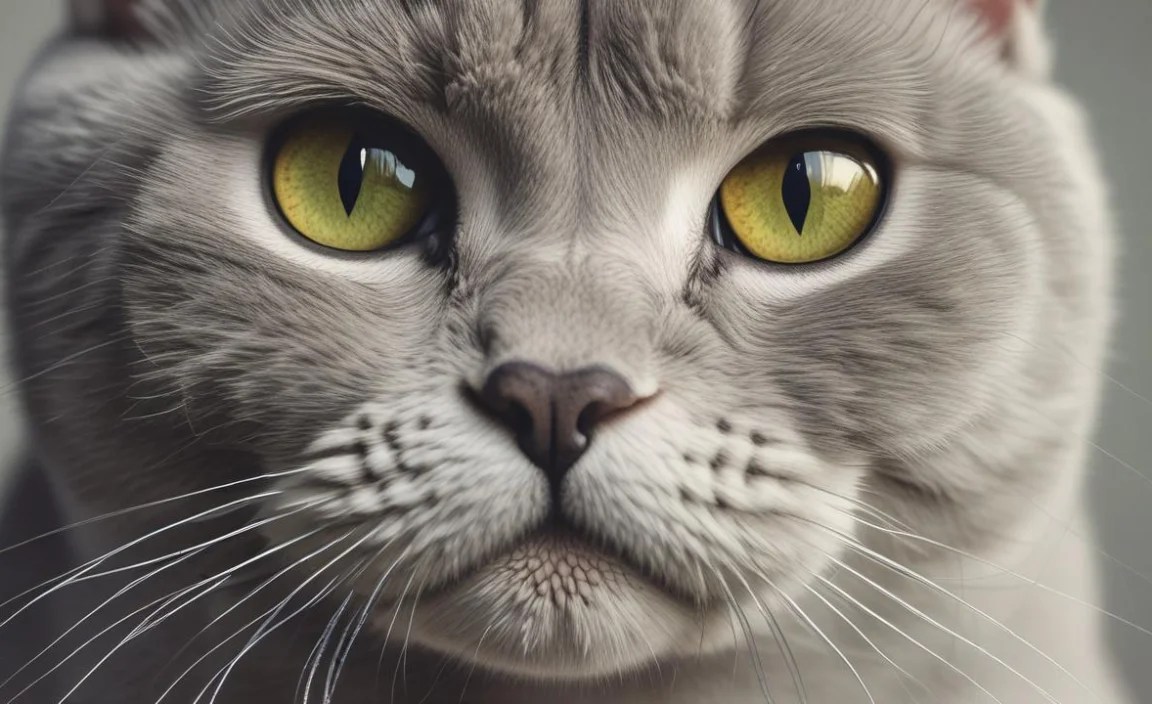
How can you make your cat feel safe? A supportive home is very important. Make sure your cat has a quiet place to relax. A cozy bed or a window perch is perfect. Cats need to feel like they have their own space. Avoid loud noises and sudden movements. These can scare your cat. Spend time playing with your cat every day. This helps them feel loved and happy. Give them toys to play with. Rotate the toys to keep them interested. A scratching post is also important. This helps them keep their claws healthy. A supportive home helps your cat feel safe and loved. This can help them live a longer and happier life. The British Shorthair lifespan by owner knowledge of grief is affected by this environment.
- Give your cat a quiet space.
- Avoid loud noises and sudden movements.
- Play with your cat every day.
- Provide toys and a scratching post.
- Make your cat feel loved and safe.
Let’s think about Emily and her cat, Leo. Emily moved to a new house. Leo was very scared at first. He hid under the bed and wouldn’t come out. Emily knew she needed to help him feel safe. She set up his bed in a quiet corner. She also spent extra time playing with him. She talked to him in a soft voice. Slowly, Leo started to feel better. He came out from under the bed and started exploring. Soon, he was back to his old self. This shows how important it is to create a supportive home. Your cat needs to feel safe and loved. This helps them adjust to new situations. The British Shorthair lifespan by owner knowledge of grief can be improved with care.
Fun Fact or Stat: Cats sleep an average of 12-16 hours per day!
The Importance of Routine
Why do cats like routines? Cats are creatures of habit. They like to know what to expect. A regular routine helps them feel safe and secure. Feed your cat at the same time every day. Clean their litter box regularly. Play with them at the same time each day. This helps them feel comfortable and relaxed. Avoid sudden changes in their routine. If you need to make a change, do it slowly. This gives them time to adjust. A consistent routine helps your cat feel happy and healthy. It can also reduce stress and anxiety. This can help them live a longer and happier life.
Social Interaction and Play
How much play do cats need? Cats need social interaction and play. Play helps them stay active and healthy. It also helps them bond with you. Spend at least 15-20 minutes playing with your cat each day. Use toys that they enjoy. Feather wands, laser pointers, and toy mice are popular choices. Rotate the toys to keep them interested. Some cats also enjoy playing fetch. Social interaction is also important. Talk to your cat and pet them. Let them sit on your lap if they want to. This helps them feel loved and connected. Social interaction and play help your cat feel happy and healthy. This can improve their quality of life.
Minimizing Stressful Situations
What stresses cats out? Many things can stress cats out. Loud noises, new people, and changes in the home are common stressors. Try to minimize these situations. Keep the volume down on the TV and radio. Introduce new people slowly. Give your cat time to adjust. Avoid moving furniture around too often. If you need to make a change, do it gradually. Provide your cat with a safe and quiet space to retreat to. This helps them feel secure when they are stressed. Minimizing stressful situations helps your cat feel calm and relaxed. This can improve their overall health and well-being.
Managing Grief and Its Impact on Your Pet

How do you deal with grief? Grief is a normal emotion. Everyone feels sad when they lose someone they love. It is important to allow yourself to feel your emotions. Don’t try to bottle them up. Talk to someone about your feelings. A friend, family member, or therapist can help. Take care of yourself. Eat healthy foods, get enough sleep, and exercise. These things can help you feel better. Spend time doing things you enjoy. This can take your mind off your sadness. Remember, it takes time to heal. Be patient with yourself. Taking care of yourself helps you take care of your cat. The British Shorthair lifespan by owner knowledge of grief is linked to your well-being.
- Allow yourself to feel your emotions.
- Talk to someone about your feelings.
- Take care of yourself physically.
- Spend time doing things you enjoy.
- Be patient with yourself.
Let’s consider Michael and his cat, Luna. Michael’s best friend moved away. He felt very lonely and sad. Luna noticed that Michael was sad. She started spending more time with him. She would sit on his lap and purr. Michael realized that Luna was trying to comfort him. He started talking to Luna about his feelings. Even though she couldn’t understand his words, she seemed to listen. Michael felt better after talking to Luna. He realized that she was helping him cope with his grief. This shows how important pets are. They can provide comfort and support during difficult times. The British Shorthair lifespan by owner knowledge of grief can be positively influenced by a strong bond.
Fun Fact or Stat: Petting a cat can lower your blood pressure!
Seeking Support from Others
Who can help you when you’re sad? It is important to seek support from others. Talk to your friends and family. Let them know how you are feeling. They can offer comfort and support. Join a support group. Talking to others who are going through the same thing can be helpful. Consider talking to a therapist. They can provide professional guidance and support. Don’t be afraid to ask for help. It is a sign of strength, not weakness. Seeking support from others can help you cope with grief. This can improve your overall well-being. It can also help you take better care of your cat.
Maintaining a Healthy Lifestyle
How can you stay healthy? A healthy lifestyle is very important. Eat healthy foods. Avoid processed foods and sugary drinks. Get enough sleep. Aim for 7-8 hours of sleep per night. Exercise regularly. Even a short walk can make a difference. Manage your stress. Practice relaxation techniques like yoga or meditation. Avoid alcohol and drugs. These can make you feel worse in the long run. A healthy lifestyle helps you feel better physically and mentally. This can improve your ability to cope with grief. It can also help you take better care of your cat. The British Shorthair lifespan by owner knowledge of grief is improved with a healthy owner.
Adjusting Your Cat’s Routine as Needed
Does your cat need a new routine? Sometimes, you need to adjust your cat’s routine. If you are going through a difficult time, you might not be able to play with them as much. That’s okay. Try to find other ways to connect with them. Spend time petting them or talking to them. Make sure they have everything they need. A comfortable bed, good food, and fresh water are important. If you are traveling, find someone to care for your cat. A friend, family member, or pet sitter can help. Adjusting your cat’s routine as needed can help them feel secure. This can reduce stress and anxiety. It can also improve their overall well-being.
Nutrition and Exercise for Longevity

What should your cat eat? Good nutrition is key to a long life. Feed your cat high-quality cat food. Look for food that is made with real meat. Avoid food that contains fillers and artificial ingredients. Provide fresh water at all times. Cats can get dehydrated easily. Don’t give your cat too many treats. Treats should only make up a small portion of their diet. Exercise is also important. Play with your cat every day. This helps them stay active and healthy. Provide them with toys and a scratching post. This encourages them to move around. Nutrition and exercise are essential for longevity. They can help your cat live a longer and healthier life. The British Shorthair lifespan by owner knowledge of grief is supported by good health.
- Feed your cat high-quality food.
- Provide fresh water at all times.
- Don’t give your cat too many treats.
- Play with your cat every day.
- Provide toys and a scratching post.
Let’s talk about David and his cat, Mittens. David realized that Mittens was getting overweight. He decided to change her diet. He switched to a high-quality cat food. He also started playing with her more often. He would chase her around the house with a feather wand. Mittens started to lose weight. She also became more active and playful. David was happy to see that his efforts were paying off. This shows how important nutrition and exercise are. They can help your cat stay healthy and happy. The British Shorthair lifespan by owner knowledge of grief is less impactful when a cat is thriving.
Fun Fact or Stat: A cat’s sense of smell is 14 times stronger than a human’s!
Choosing the Right Cat Food
How do you pick good cat food? Choosing the right cat food can be confusing. There are so many different brands and types to choose from. Look for food that is made with real meat. Chicken, turkey, and fish are good options. Avoid food that contains fillers like corn and wheat. These ingredients don’t provide much nutrition. Look for food that is appropriate for your cat’s age and activity level. Kittens need different food than adult cats. Active cats need more calories than sedentary cats. Read the labels carefully. Choose a food that meets your cat’s specific needs. Talking to your vet can also help. They can recommend a food that is right for your cat.
Encouraging Physical Activity
How can you get your cat to move? Encouraging physical activity can be a challenge. Some cats are naturally more active than others. Try different types of toys. Some cats prefer feather wands, while others prefer laser pointers. Rotate the toys to keep your cat interested. Create a stimulating environment. Provide your cat with a scratching post and a cat tree. These encourage them to climb and explore. Play with your cat at the same time each day. This helps them get into a routine. Be patient. It may take some time for your cat to become more active.
Monitoring Your Cat’s Weight
Is your cat too heavy? Monitoring your cat’s weight is important. Obesity can lead to many health problems. Weigh your cat regularly. You can use a bathroom scale or ask your vet to weigh them. Feel your cat’s ribs. You should be able to feel them easily without pressing too hard. If you can’t feel their ribs, your cat may be overweight. Look for other signs of obesity. These include a lack of energy and difficulty grooming. If you think your cat is overweight, talk to your vet. They can help you create a weight loss plan.
Regular Veterinary Check-Ups and Preventative Care
Why do cats need vet visits? Regular vet check-ups are essential. Vets can detect problems early. This can help prevent serious illnesses. Vets give cats vaccinations. These protect them from diseases. Vets also check for parasites. Fleas, ticks, and worms can cause health problems. Vets can provide preventative care. This includes dental cleanings and nail trims. Regular vet visits help your cat stay healthy. This can help them live a longer life. The British Shorthair lifespan by owner knowledge of grief benefits from preventative care.
- Vets detect problems early.
- Vaccinations protect from diseases.
- Vets check for parasites.
- Preventative care is important.
- Vet visits help cats stay healthy.
Let’s think about Jessica and her cat, Charlie. Jessica always took Charlie to the vet for regular check-ups. One day, the vet found a small lump on Charlie’s skin. The vet removed the lump and tested it. It turned out to be cancer. Because the cancer was caught early, Charlie was able to get treatment. He lived for many more years. This shows how important regular vet check-ups are. They can help catch problems early. Early detection can save your cat’s life. The British Shorthair lifespan by owner knowledge of grief is indirectly impacted by health monitoring.
Fun Fact or Stat: Cats can jump up to six times their height!
The Importance of Vaccinations
What shots do cats need? Vaccinations protect cats from deadly diseases. Feline distemper, feline herpesvirus, and feline calicivirus are common diseases. Rabies is another dangerous disease. Vaccinations help prevent these diseases. Kittens need a series of vaccinations. Adult cats need booster shots. Talk to your vet about which vaccinations are right for your cat. Vaccinations are an important part of preventative care. They can help your cat stay healthy and live a long life.
Parasite Prevention
How do you stop fleas and ticks? Parasites can cause many health problems. Fleas can cause itching and skin irritation. Ticks can transmit diseases like Lyme disease. Worms can cause digestive problems. There are many ways to prevent parasites. Use flea and tick prevention medication. These medications come in different forms. Topical treatments, oral medications, and collars are available. Talk to your vet about which medication is right for your cat. Deworm your cat regularly. This helps prevent worms from causing problems. Keep your yard clean. This reduces the risk of parasites. Parasite prevention is an important part of preventative care. It can help your cat stay healthy and comfortable.
Dental Care for Cats
Do cats need to brush their teeth? Dental care is important for cats. Bad teeth can lead to many health problems. Bacteria from the mouth can enter the bloodstream. This can damage the heart, liver, and kidneys. Brush your cat’s teeth regularly. Use a toothpaste that is made for cats. Don’t use human toothpaste. It can be harmful to cats. Provide your cat with dental chews. These help clean their teeth. Take your cat to the vet for regular dental cleanings. This helps remove plaque and tartar. Dental care is an important part of preventative care. It can help your cat stay healthy and live a long life.
| Care Type | Description | Frequency | Benefits |
|---|---|---|---|
| Vaccinations | Shots to prevent diseases | Annually or as recommended by vet | Protects against common feline illnesses |
| Parasite Control | Medication to prevent fleas, ticks, worms | Monthly or as recommended by vet | Prevents discomfort and disease transmission |
| Dental Care | Brushing, chews, professional cleaning | Daily brushing, annual vet cleaning | Prevents dental disease and related health issues |
| Wellness Exams | Regular check-ups with the vet | Annually | Early detection of health problems |
Summary
We learned a lot about British Shorthairs! We talked about how to help them live long lives. Good food, regular vet visits, and a safe home are very important. We also learned that your feelings matter. Cats can feel your sadness or stress. This can affect their health. The British Shorthair lifespan by owner knowledge of grief is a real thing. When you are sad, take care of yourself. This will help your cat too. Remember, a happy owner often means a healthier cat. So, smile for your furry friend! Creating a loving and stable home is key to a happy and healthy British Shorthair.
Conclusion
British Shorthairs are wonderful pets. They can bring joy to your life. It’s important to give them the best care. This includes good food, vet visits, and a safe home. Remember that your emotions matter. Take care of yourself, and your cat will benefit. By understanding the British Shorthair lifespan by owner knowledge of grief, you can provide the best possible life for your furry friend. A happy and healthy owner leads to a happy and healthy cat.
Frequently Asked Questions
Question No 1: How long do British Shorthairs usually live?
Answer: British Shorthairs typically live between 12 and 17 years. However, some can live longer with proper care. Factors like diet, exercise, and regular vet visits play a big role. Genetics also matter. A healthy lifestyle contributes to a longer lifespan. Providing a loving and stable home is key. Understanding the British Shorthair lifespan by owner knowledge of grief helps improve the quality of care and potentially extend their life. Keep your furry friend happy and healthy!
Question No 2: Can my sadness really affect my cat’s health?
Answer: Yes, your emotions can affect your cat’s health. Cats are very sensitive animals. They can pick up on your feelings. When you are sad or stressed, your cat might feel it too. This can lead to changes in their behavior. They might stop eating, hide more, or become less playful. Long-term stress can weaken their immune system. This makes them more likely to get sick. The British Shorthair lifespan by owner knowledge of grief highlights this connection. Taking care of your mental health helps your cat stay healthy too.
Question No 3: What are the best ways to keep my British Shorthair healthy?
Answer: To keep your British Shorthair healthy, start with a good diet. Choose high-quality cat food. Make sure it has plenty of protein. Regular vet visits are also important. They can catch problems early. Provide a safe and clean home. This protects them from injuries and illnesses. Play with your cat every day. This keeps them active and happy. The British Shorthair lifespan by owner knowledge of grief is supported by a proactive approach to their well-being. Love and attention also go a long way!
Question No 4: How can I tell if my cat is stressed or unhappy?
Answer: Cats show stress in different ways. Look for changes in their behavior. A stressed cat might hide more than usual. They might stop eating or using the litter box. Some cats might groom themselves excessively. Others might become more aggressive. If you notice any of these signs, try to find out what is causing the stress. Loud noises, new pets, or changes in the home can stress cats. Try to make your cat feel safe and comfortable. Consult your vet if the stress continues. They can help you find ways to make your cat feel better. Addressing stress can improve the British Shorthair lifespan by owner knowledge of grief.
Question No 5: What kind of toys do British Shorthairs like?
Answer: British Shorthairs enjoy a variety of toys. Feather wands are a popular choice. They love to chase and pounce on them. Laser pointers can also be fun, but use them carefully. Toy mice and balls are also good options. Some cats enjoy puzzle toys. These challenge them mentally. Rotate the toys to keep your cat interested. Providing a variety of toys helps keep them active and happy. Active cats are healthier cats, which can improve their lifespan. Remember, happy cats make for happier owners, which positively impacts the British Shorthair lifespan by owner knowledge of grief.
Question No 6: Is it true that owning a pet can help with grief?
Answer: Yes, owning a pet can provide comfort and support during times of grief. Pets offer unconditional love and companionship. They can help you feel less lonely. Petting a cat can lower your blood pressure and reduce stress. Caring for a pet can give you a sense of purpose. They can help you maintain a routine. This can be especially helpful when you are grieving. While your grief can impact your cat, their presence can also help you cope. This creates a reciprocal relationship. The British Shorthair lifespan by owner knowledge of grief highlights the importance of this bond.


