
Cat Breeds That Adapt Quickly to New Homes: Easy Guide

Quick Summary: Moving to a new home can be stressful for cats, but some breeds adjust more easily than others. Adaptable breeds like the British Shorthair, Ragdoll, American Shorthair, and Burmese are known for their calm and friendly nature, making them well-suited to new environments. Providing a safe space, maintaining a routine, and offering plenty of love and attention can help any cat settle in quickly.
Bringing a cat into your home is a wonderful experience. But what happens when you bring your feline friend into a brand new environment? Moving can be tough on cats. They are creatures of habit and love their routines. A new home means new smells, new sounds, and a whole lot of changes. Luckily, some cat breeds are naturally more adaptable than others. This means they can adjust to new surroundings with less stress and anxiety.
If you’re planning a move or thinking about adopting a cat, knowing which breeds adapt quickly can make the transition smoother for everyone. In this article, we’ll explore some of the most adaptable cat breeds and offer tips to help them settle into their new homes. Let’s dive in and discover which feline friends are ready for an adventure!
Understanding Cat Adaptability
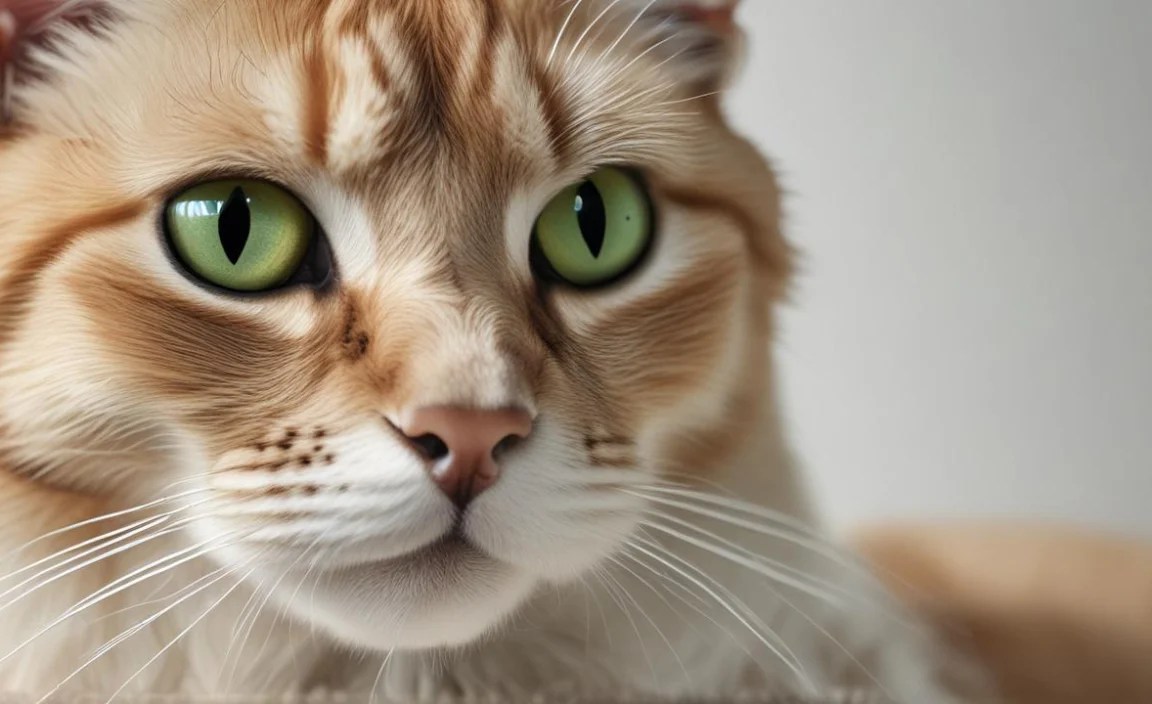
Before we jump into specific breeds, let’s talk about what makes a cat adaptable. Adaptability in cats refers to their ability to adjust to new environments, routines, and people without experiencing excessive stress or behavioral issues. Several factors contribute to this trait:
- Temperament: Calm and friendly cats are generally more adaptable.
- Socialization: Cats that were well-socialized as kittens tend to be more confident in new situations.
- Breed Characteristics: Some breeds are genetically predisposed to being more easygoing.
Recognizing these factors can help you choose a cat that will thrive in your home, even after a move. Now, let’s explore some of the most adaptable breeds.
Top Cat Breeds That Adapt Quickly

Here are some cat breeds known for their ability to adapt quickly to new homes. Each breed has unique characteristics that make them well-suited for different lifestyles.
1. British Shorthair
As a lifelong British Shorthair lover, I can confidently say that these cats are among the most adaptable. British Shorthairs are known for their calm, easygoing nature and their ability to get along with everyone—from kids to other pets. According to The International Cat Association (TICA), they are affectionate without being overly demanding, making them perfect companions for any home.
Their laid-back attitude helps them take new environments in stride. They aren’t easily spooked and usually settle in quickly, especially if they have a comfy bed and some familiar toys.
Key Traits of British Shorthairs:
- Calm Temperament: Known for their relaxed and gentle nature.
- Affectionate: Enjoys human company but doesn’t demand constant attention.
- Adaptable: Adjusts well to new environments and routines.
- Good with Children and Pets: Gets along well with other family members.
2. Ragdoll
Ragdolls are famous for their docile and affectionate personalities. These gentle giants are known to go limp when held, hence their name. Purina notes that Ragdolls are incredibly patient and loving, making them excellent family pets. Their friendly nature helps them adapt to new homes with ease.
Ragdolls thrive on human interaction and quickly bond with their new families. They are also known for being quiet and gentle, which can make the transition to a new home less stressful.
Key Traits of Ragdolls:
- Docile and Affectionate: Known for their gentle and loving nature.
- Patient: Great with children and other pets.
- Adaptable: Adjusts well to new environments and routines.
- Quiet: Doesn’t typically meow excessively.
3. American Shorthair
American Shorthairs are sturdy, adaptable, and friendly cats. Originally working cats, they have evolved into wonderful family pets. The Cat Fanciers’ Association (CFA) describes them as adaptable and good-natured. Their easygoing personality makes them well-suited for various living situations.
American Shorthairs are known for being playful and intelligent. They enjoy interactive toys and games, which can help them adjust to a new home by providing mental stimulation and reducing anxiety.
Key Traits of American Shorthairs:
- Adaptable: Thrives in different environments and lifestyles.
- Friendly: Gets along well with family members and other pets.
- Playful: Enjoys interactive toys and games.
- Intelligent: Easy to train and enjoys mental stimulation.
4. Burmese
Burmese cats are known for their affectionate and sociable nature. They thrive on human interaction and love being part of the family. According to the RSPCA, Burmese cats are intelligent and playful, which helps them adapt to new environments.
Burmese cats are also very curious and enjoy exploring their surroundings. Providing them with plenty of toys and opportunities to play can help them settle into a new home quickly.
Key Traits of Burmese:
- Affectionate: Loves human interaction and companionship.
- Sociable: Gets along well with other cats and pets.
- Playful: Enjoys interactive toys and games.
- Intelligent: Easy to train and enjoys mental stimulation.
5. Maine Coon
Maine Coons are one of the largest domestic cat breeds, but don’t let their size fool you. They are known as “gentle giants” due to their friendly and laid-back personalities. The Cornell Feline Health Center highlights their adaptability and tolerance, making them great family pets.
Maine Coons are intelligent and enjoy learning new things. They adapt well to new environments and are known for their dog-like loyalty, which helps them bond quickly with their new families.
Key Traits of Maine Coons:
- Gentle Giants: Known for their friendly and laid-back nature.
- Adaptable: Adjusts well to new environments and routines.
- Intelligent: Easy to train and enjoys learning new things.
- Loyal: Forms strong bonds with their families.
6. Sphynx
The Sphynx cat, with its distinctive hairless appearance, is known for its extroverted and affectionate personality. They crave attention and love being the center of attention. TICA notes that Sphynx cats are highly intelligent and adaptable.
Their sociable nature makes them less anxious in new environments. They tend to explore and quickly become comfortable, as long as they have their humans nearby.
Key Traits of Sphynx:
- Extroverted: Loves being the center of attention.
- Affectionate: Craves human interaction and companionship.
- Intelligent: Easy to train and enjoys mental stimulation.
- Adaptable: Adjusts well to new environments and routines.
Comparing Adaptable Cat Breeds
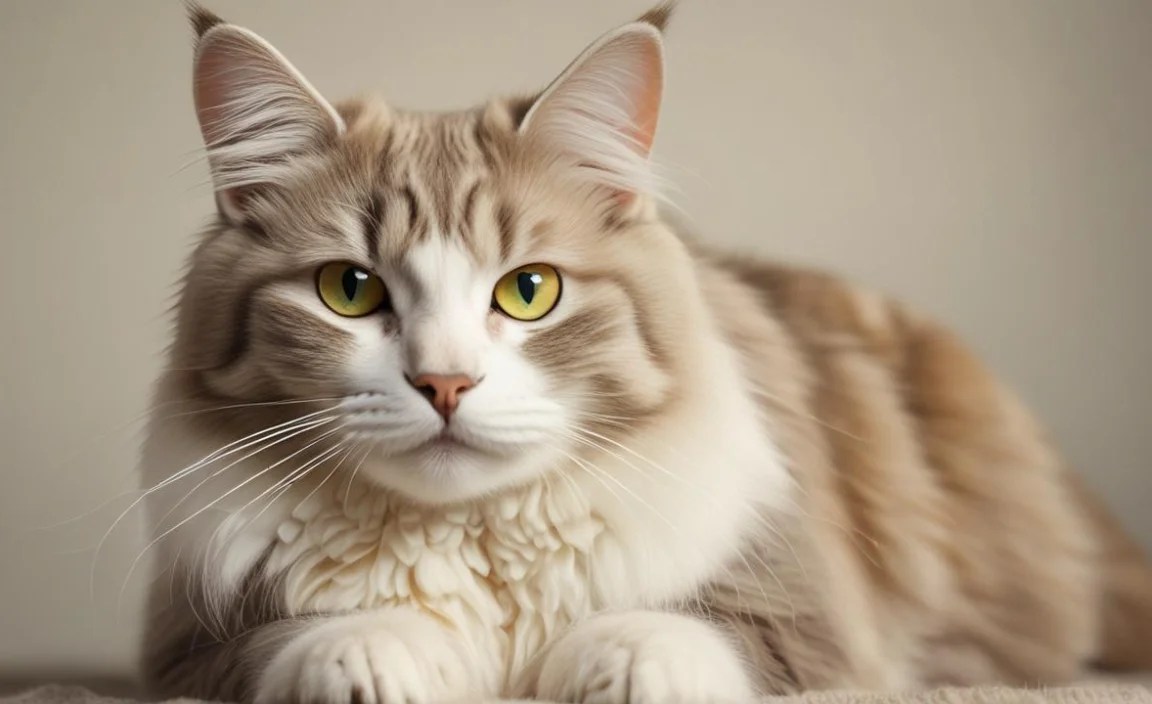
Here’s a table summarizing the key characteristics of the adaptable cat breeds we’ve discussed:
| Breed | Temperament | Adaptability | Interaction |
|---|---|---|---|
| British Shorthair | Calm, Easygoing | High | Affectionate but not demanding |
| Ragdoll | Docile, Affectionate | High | Patient and loving |
| American Shorthair | Friendly, Adaptable | High | Playful and intelligent |
| Burmese | Affectionate, Sociable | High | Loves human companionship |
| Maine Coon | Gentle, Laid-back | High | Loyal and intelligent |
| Sphynx | Extroverted, Affectionate | High | Craves attention |
Tips to Help Your Cat Adapt to a New Home

Even with an adaptable breed, there are steps you can take to make the transition smoother. Here are some practical tips to help your cat settle into their new home:
1. Create a Safe Space
Set up a designated “safe space” for your cat. This could be a spare room, a corner of a room, or even a large carrier. Fill it with familiar items like their bed, toys, and a blanket that smells like home. This space will provide them with a sense of security and control during the initial adjustment period.
2. Maintain a Routine
Cats thrive on routine. Keep their feeding schedule, playtime, and litter box cleaning consistent. This predictability will help them feel more secure in their new environment. Even small routines, like a cuddle session before bed, can make a big difference.
3. Introduce the New Home Gradually
Allow your cat to explore the new home gradually. Start by confining them to one room and slowly introduce them to other areas. This prevents them from becoming overwhelmed and allows them to adjust at their own pace. Supervise their initial explorations to ensure they don’t get into any trouble.
4. Use Pheromone Products
Consider using pheromone products like Feliway diffusers or sprays. These products mimic natural feline pheromones that promote relaxation and reduce anxiety. Place a diffuser in the safe space and spray the pheromone spray in areas where your cat will spend time.
5. Provide Plenty of Attention and Reassurance
Spend extra time with your cat during the adjustment period. Offer plenty of attention, gentle petting, and reassurance. Talk to them in a calm and soothing voice. This will help them feel loved and secure in their new home.
6. Keep Familiar Items
Surround your cat with familiar items like their favorite toys, scratching posts, and bedding. These items carry familiar scents that can help them feel more comfortable and secure. Avoid washing these items immediately after the move to preserve the familiar smells.
7. Monitor Their Behavior
Keep a close eye on your cat’s behavior during the first few days and weeks. Look for signs of stress, such as hiding, decreased appetite, excessive grooming, or changes in litter box habits. If you notice any concerning behaviors, consult with your veterinarian.
Addressing Common Challenges
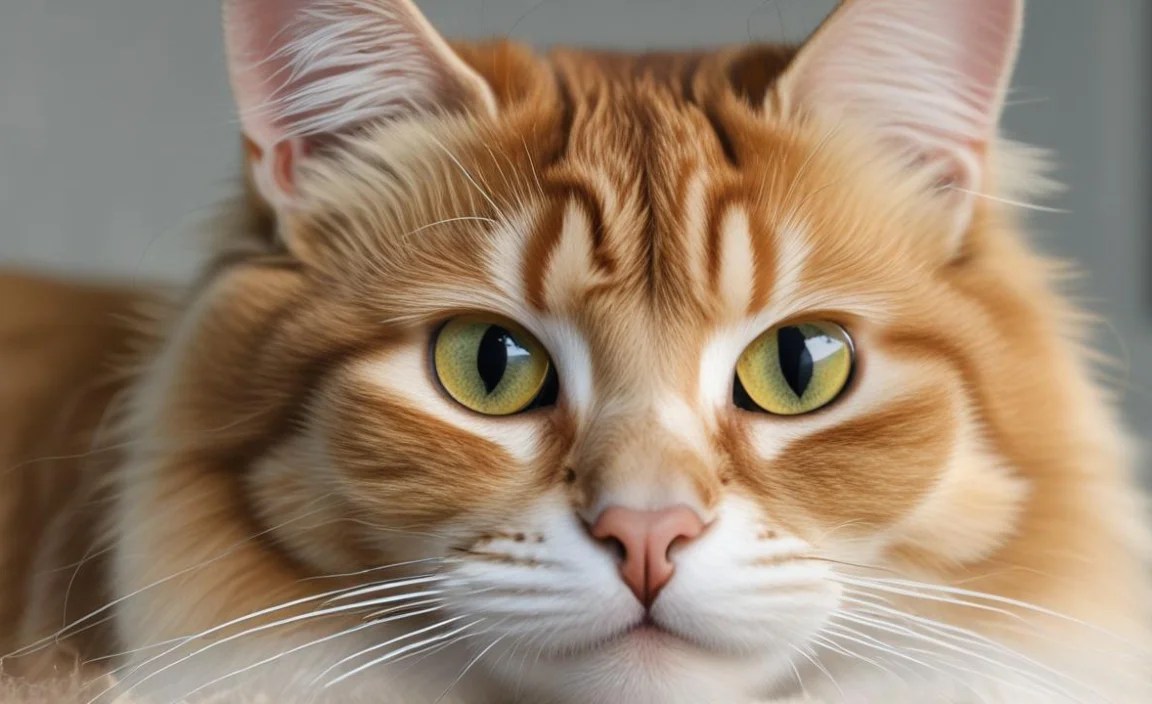
Even with the most adaptable breeds, you might encounter some challenges when moving to a new home. Here are some common issues and how to address them:
1. Hiding
It’s common for cats to hide when they first arrive in a new home. This is their way of feeling safe and secure. Allow them to hide without forcing them out. Place food, water, and a litter box nearby so they don’t have to venture too far. Eventually, their curiosity will encourage them to explore.
2. Loss of Appetite
Stress can cause cats to lose their appetite. Try offering their favorite foods or warming up their meals to make them more appealing. You can also try hand-feeding them to encourage them to eat. If their appetite doesn’t improve after a few days, consult with your veterinarian.
3. Litter Box Issues
Some cats may have accidents outside the litter box due to stress or unfamiliarity with the new location. Ensure the litter box is easily accessible and clean. You can also try using a different type of litter or adding an extra litter box in a different location. If the problem persists, consult with your veterinarian.
4. Excessive Meowing
Excessive meowing can be a sign of anxiety or disorientation. Respond to their meows with gentle reassurance and attention. Ensure they have everything they need, such as food, water, and a clean litter box. If the meowing continues, consult with your veterinarian to rule out any underlying medical issues.
The Importance of Early Socialization
Early socialization plays a crucial role in a cat’s ability to adapt to new environments. Kittens that are exposed to various people, places, and situations during their first few months of life tend to be more confident and adaptable as adults. According to the American Animal Hospital Association (AAHA), socialization should begin as early as possible.
If you’re adopting a kitten, ask the breeder or shelter about their socialization practices. A well-socialized kitten will be more likely to adjust quickly to your home and family.
Frequently Asked Questions
Here are some frequently asked questions about cat breeds that adapt quickly to new homes:
1. Are British Shorthairs good for first-time cat owners?
Yes, British Shorthairs are excellent for first-time cat owners. They are known for their calm temperament, adaptability, and low-maintenance grooming needs. They are also affectionate without being overly demanding, making them ideal companions for those new to cat ownership.
2. How long does it take for a cat to adjust to a new home?
The adjustment period varies from cat to cat. Some cats may settle in within a few days, while others may take several weeks. Providing a safe space, maintaining a routine, and offering plenty of attention can help speed up the process.
3. Can older cats adapt to new homes as easily as kittens?
While kittens are generally more adaptable, older cats can also adjust to new homes with the right approach. It may take them a bit longer to feel comfortable, but with patience and understanding, they can thrive in their new environment.
4. What are the signs that my cat is stressed in a new home?
Signs of stress in cats include hiding, decreased appetite, excessive grooming, changes in litter box habits, and increased vocalization. If you notice any of these signs, provide extra reassurance and consult with your veterinarian if necessary.
5. Should I let my cat outside when we first move to a new home?
No, it’s best to keep your cat indoors for at least a few weeks after moving to a new home. This will give them time to adjust to their new surroundings and establish a sense of territory. Introducing them to the outdoors too soon can lead to them getting lost or disoriented.
6. How can I help my cat bond with me in a new home?
Spend quality time with your cat, offering gentle petting, playing interactive games, and talking to them in a calm and soothing voice. You can also offer treats and rewards to create positive associations. Consistency and patience are key to building a strong bond.
7. Are there any specific toys that can help my cat adjust to a new home?
Yes, interactive toys like puzzle feeders, laser pointers, and wand toys can help your cat adjust to a new home by providing mental stimulation and reducing anxiety. Toys that mimic hunting behavior, such as toy mice or birds, can also be particularly engaging.
Conclusion
Moving to a new home can be a stressful experience for cats, but choosing an adaptable breed and following the tips outlined in this article can make the transition much smoother. Breeds like the British Shorthair, Ragdoll, American Shorthair, Burmese, Maine Coon, and Sphynx are known for their ability to adjust quickly to new environments. By creating a safe space, maintaining a routine, and providing plenty of love and attention, you can help your feline friend settle in and feel right at home.
Remember, every cat is an individual, and some may take longer to adjust than others. Patience, understanding, and a little bit of extra care will go a long way in helping your cat thrive in their new home. Happy moving!


