
British Shorthair: Affectionate But Independent—Secret?

British Shorthairs are known for being affectionate but also enjoy their own space. They love attention but aren’t clingy. They’ll happily cuddle, play, and follow you around, but they also value their independence and quiet time. This balance makes them ideal companions for many households.
Is your British Shorthair a furry enigma? Do they shower you with affection one moment, then retreat to their own private kingdom the next? It’s a common question for British Shorthair owners. These cats are known for their unique blend of love and independence. It can be confusing, but it’s also part of what makes them so special. Understanding this balance helps you build a stronger bond with your feline friend. You’ll learn how to respect their need for space while still enjoying their cuddles and companionship. Let’s explore the affectionate yet independent nature of the British Shorthair together!
Understanding the British Shorthair’s Temperament

The British Shorthair is a breed with a distinctive personality. They’re not as demanding as some other breeds. They have a calm, gentle nature, but they also have a strong sense of self-reliance. This combination of traits makes them unique and appealing to many cat lovers.
Affectionate Nature
British Shorthairs are known for their affectionate nature. They enjoy being around their human families and often show their love through:
- Following you from room to room
- Rubbing against your legs
- Purring contentedly when petted
- Enjoying a cuddle on the sofa
They aren’t usually lap cats, but they appreciate being near you and participating in family life. Their presence is comforting and reassuring.
Independent Streak
Despite their affectionate side, British Shorthairs also value their independence. They are not overly needy or clingy cats. They are happy to entertain themselves and spend time alone. This independence manifests in several ways:
- They are content to play by themselves with toys.
- They don’t constantly demand attention.
- They enjoy having their own space to retreat to.
- They aren’t prone to separation anxiety.
This independence makes them a good choice for people who work or are away from home for periods of time.
Why This Balance Matters

The balance between affection and independence is what makes the British Shorthair so adaptable. They fit well into various lifestyles because they aren’t overly demanding but still provide plenty of love and companionship. Understanding this balance is key to providing them with a happy and fulfilling life.
Creating the Right Environment
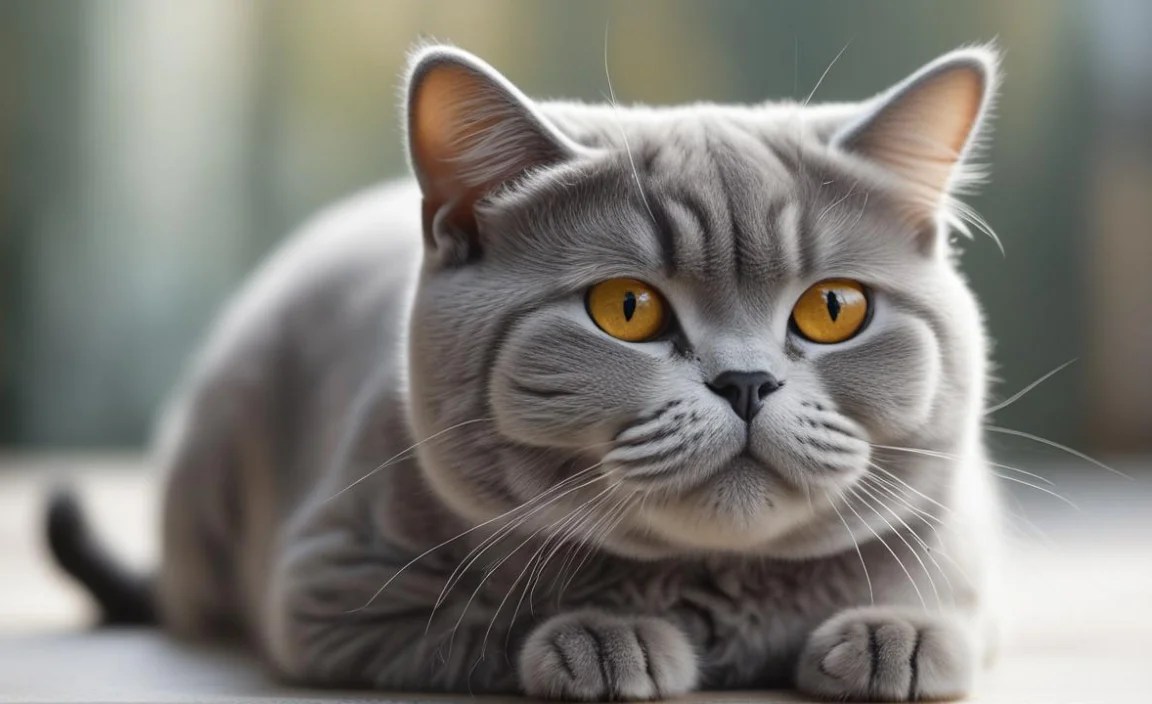
To cater to your British Shorthair’s unique personality, you need to create an environment that respects both their need for affection and their desire for independence.
Providing Affection
Here are some ways to show your British Shorthair affection:
- Regular petting and cuddling: Spend time each day petting, grooming, and cuddling your cat.
- Interactive play: Engage in interactive play sessions with toys like wand toys or laser pointers.
- Verbal affirmation: Talk to your cat in a gentle, soothing voice.
- Respect their boundaries: Pay attention to your cat’s body language. If they seem uncomfortable or want to be left alone, respect their wishes.
Encouraging Independence
To support your British Shorthair’s independent nature, provide them with:
- A safe space: A quiet, comfortable place where they can retreat to when they want to be alone, such as a cat tree, a cozy bed, or a secluded corner.
- Toys for solo play: Toys that they can play with on their own, such as puzzle toys, balls, or scratching posts.
- Enrichment activities: Activities that stimulate their mind and body, such as window perches, climbing structures, or foraging toys.
Understanding Body Language
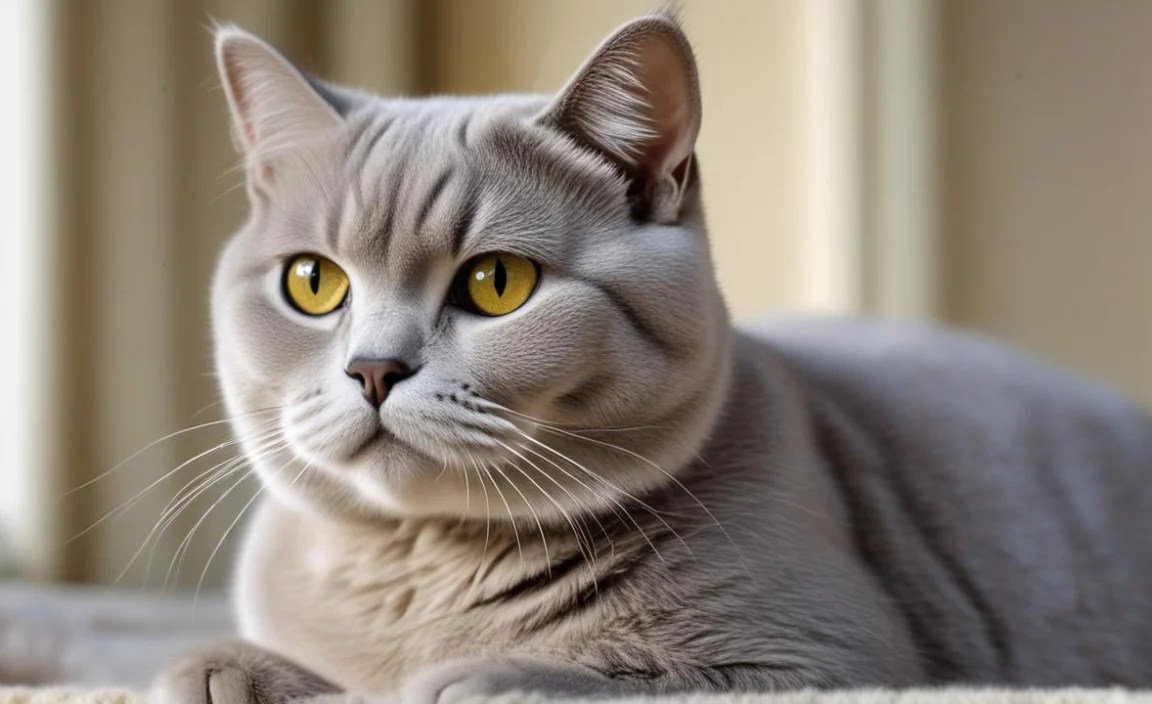
One of the best ways to understand your British Shorthair’s needs is to pay attention to their body language. Cats communicate through a variety of subtle cues, and learning to interpret these cues can help you better understand their feelings and preferences. According to the RSPCA, recognizing these signs can help you ensure your cat is comfortable and happy.
Signs of Affection
- Purring: A sign of contentment and happiness.
- Rubbing: Rubbing against your legs or face is a way of marking you with their scent and showing affection.
- Slow blinking: Often referred to as a “cat kiss,” slow blinking indicates that your cat feels safe and comfortable around you.
- Kneading: Kneading with their paws is a sign of comfort and contentment, often associated with kittenhood.
- Following you around: Wanting to be near you is a sign of affection and companionship.
Signs of Independence
- Moving away: If your cat moves away from you when you try to pet or cuddle them, it’s a sign that they want to be left alone.
- Hiding: Hiding in a secluded spot is a way for your cat to feel safe and secure.
- Sleeping alone: Choosing to sleep in a separate location from you is a sign that they value their independence.
- Not seeking attention: If your cat isn’t actively seeking your attention, it means they are content to entertain themselves.
Grooming and Care

Grooming is an important part of caring for a British Shorthair. Their thick, plush coat requires regular brushing to prevent mats and tangles. It’s also a great way to bond with your cat and show them affection. The International Cat Association (TICA) recommends weekly brushing for shorthaired cats to maintain coat health.
Grooming Routine
- Brushing: Brush your British Shorthair several times a week to remove loose hair and prevent mats.
- Nail trimming: Trim their nails every few weeks to prevent overgrowth.
- Ear cleaning: Check their ears regularly and clean them with a veterinarian-approved solution if necessary.
- Dental care: Brush their teeth regularly to prevent dental disease.
Nutrition
Providing your British Shorthair with a healthy diet is essential for their overall well-being. Choose a high-quality cat food that is appropriate for their age and activity level. Ensure they have access to fresh, clean water at all times. According to Purina, a balanced diet is crucial for maintaining a healthy coat and energy level.
Health Considerations
British Shorthairs are generally healthy cats, but they are prone to certain health conditions. Being aware of these potential issues can help you provide the best possible care for your feline friend. Regular check-ups with a veterinarian are essential for early detection and treatment of any health problems. The Cornell Feline Health Center offers valuable resources on common feline diseases and preventative care.
Common Health Issues
- Hypertrophic cardiomyopathy (HCM): A heart condition that can cause thickening of the heart muscle.
- Polycystic kidney disease (PKD): A genetic condition that causes cysts to form on the kidneys.
- Arthritis: A degenerative joint disease that can cause pain and stiffness.
Preventative Care
- Regular veterinary check-ups: Schedule annual check-ups with your veterinarian to monitor your cat’s health.
- Vaccinations: Keep your cat up-to-date on their vaccinations to protect them from infectious diseases.
- Parasite control: Use preventative medications to protect your cat from fleas, ticks, and worms.
- Weight management: Maintain a healthy weight to reduce the risk of obesity-related health problems.
Dealing with Behavioral Issues
While British Shorthairs are generally well-behaved cats, they may exhibit certain behavioral issues from time to time. Understanding the underlying causes of these behaviors can help you address them effectively.
Common Behavioral Problems
- Scratching: Scratching is a natural behavior for cats, but it can be destructive if they scratch furniture.
- Biting: Biting can be a sign of fear, aggression, or overstimulation.
- Spraying: Spraying is a way for cats to mark their territory.
- Aggression: Aggression towards other cats or people can be caused by a variety of factors, such as fear, stress, or territoriality.
Solutions
- Provide scratching posts: Provide your cat with plenty of scratching posts to redirect their scratching behavior.
- Avoid overstimulation: Pay attention to your cat’s body language and avoid overstimulating them during play.
- Clean up urine: Clean up urine spots thoroughly to remove the scent and discourage spraying.
- Consult a veterinarian or behaviorist: If your cat is exhibiting aggressive behavior, consult a veterinarian or certified cat behaviorist for guidance.
British Shorthair Lifespan
The average lifespan of a British Shorthair is between 12 and 15 years. With proper care and nutrition, some British Shorthairs can live even longer. Factors that can affect their lifespan include genetics, diet, lifestyle, and access to veterinary care.
British Shorthair Personality Changes
Like all cats, British Shorthairs can experience personality changes as they age. Some may become more affectionate and clingy, while others may become more withdrawn and independent. These changes can be influenced by a variety of factors, such as age-related health problems, changes in their environment, or the loss of a companion animal.
Table: British Shorthair Characteristics
| Characteristic | Description |
|---|---|
| Temperament | Affectionate but independent, calm, and gentle |
| Activity Level | Moderate; enjoys playtime but also appreciates quiet time |
| Grooming Needs | Regular brushing to prevent mats and tangles |
| Health Considerations | Prone to HCM, PKD, and arthritis |
| Lifespan | 12-15 years |
Table: Do’s and Don’ts for British Shorthair Owners
| Do’s | Don’ts |
|---|---|
| Provide a safe and comfortable environment. | Force affection when they want to be alone. |
| Offer plenty of toys and enrichment activities. | Neglect grooming needs. |
| Schedule regular veterinary check-ups. | Ignore signs of illness or distress. |
| Respect their independence and boundaries. | Punish them for unwanted behaviors. |
| Provide a high-quality diet and fresh water. | Overfeed or provide unhealthy treats. |
FAQ: Understanding Your British Shorthair
Are British Shorthairs good lap cats?
While some British Shorthairs enjoy sitting on laps, they are generally not known for being lap cats. They prefer to be near you rather than directly on top of you.
How much attention do British Shorthairs need?
British Shorthairs need a moderate amount of attention. They enjoy interactive play and cuddling but are also content to spend time alone.
Do British Shorthairs get lonely?
British Shorthairs can get lonely if left alone for extended periods. Providing them with toys, enrichment activities, and companionship can help prevent loneliness.
Are British Shorthairs good with children?
British Shorthairs are generally good with children, but it’s important to supervise interactions to ensure that both the cat and the child are respectful of each other.
Do British Shorthairs need a lot of exercise?
British Shorthairs don’t need a lot of exercise, but they benefit from regular playtime to stay physically and mentally stimulated.
How do I know if my British Shorthair is happy?
Signs of a happy British Shorthair include purring, rubbing, slow blinking, and a relaxed body posture.
Are British Shorthairs vocal cats?
British Shorthairs are not known for being overly vocal cats. They typically only meow when they need something or want attention.
Conclusion
The British Shorthair’s blend of affection and independence makes them wonderful companions. Understanding their unique personality allows you to create a nurturing environment. It’s about respecting their need for solitude while cherishing the moments they choose to share with you. Provide a safe space, engage in regular play, and always pay attention to their cues. This ensures a happy, balanced life for your feline friend. As you build a bond based on respect and understanding, you’ll discover the joys of sharing your life with this remarkable breed.


