
Senior British Shorthair Fitness Tips: Keep Your Cat Young!

Do you have a fluffy, older British Shorthair? Is your kitty getting a bit round? Maybe they nap more than they play now. It’s time to think about senior British Shorthair fitness tips. Keeping your older cat active is very important. It helps them stay healthy and happy.
Think of Whiskers, a 12-year-old British Shorthair. She used to chase toys all day long. Now, she mostly sleeps in sunbeams. Her owner noticed she was gaining weight. He knew he needed to find ways to help her stay fit. What can you do to help your senior cat?
Key Takeaways
- Regular vet visits are key for senior British Shorthair fitness tips.
- Playtime keeps your older cat happy and helps with their weight.
- Puzzle feeders make mealtime fun and active for your kitty.
- Gentle exercise helps keep your cat’s joints healthy.
- Watch your cat’s weight and adjust their food as needed.
Understanding Senior Cat Fitness Needs

As cats get older, their bodies change. They might not be as active as they used to be. This can lead to weight gain and other health problems. Senior British Shorthairs need special care to stay fit. It is important to understand what they need. They may have arthritis or other joint issues. These problems can make it hard for them to move around. Their eyesight and hearing might also get worse. This can make them less interested in playing. You need to be patient and gentle with your senior cat. Find ways to help them stay active without hurting themselves. Regular vet checkups are very important. The vet can check for health problems and give you advice. They can also help you create a fitness plan that is safe for your cat.
- Older cats need less food because they are less active.
- Soft bedding helps them stay comfortable.
- Ramps and steps can help them reach high places.
- Regular grooming keeps their coat healthy.
- Provide fresh water at all times.
It’s important to watch for signs of pain or discomfort. If your cat is limping or seems stiff, talk to your vet. They may need pain medication or other treatments. Remember, every cat is different. Some senior cats are still very playful. Others prefer to nap most of the day. Pay attention to your cat’s individual needs. Adjust their fitness plan as needed. The goal is to keep them healthy and happy for as long as possible. Senior cats can still enjoy life with the right care and attention. You can make their golden years comfortable and fun. Helping them stay fit is a great way to show you care. It also gives them a better quality of life.
Fun Fact or Stat: Did you know that cats are considered senior at age 11? Some cats live to be 20 years old or even older!
Why Is Fitness Important for Seniors?
Have you ever wondered why older people need to exercise? It’s the same for cats! Fitness helps them stay healthy. It keeps their muscles strong. It also helps their hearts work well. When cats are fit, they can move around more easily. They can also play and have fun. Being overweight can cause many health problems for senior cats. It can lead to diabetes, arthritis, and heart disease. These problems can make them very uncomfortable. They can also shorten their lifespan. That’s why it’s so important to keep your senior cat fit. It helps them avoid these health problems. It also helps them live longer and happier lives. Even a little bit of exercise can make a big difference. So, find ways to get your senior cat moving!
What Are the Signs of a Cat Aging?
Imagine your favorite toy getting old. It might not work as well as it used to. It might have some scratches or dents. Cats are the same way! As they get older, they show signs of aging. These signs can be different for every cat. Some common signs include sleeping more, moving slower, and gaining weight. They might also have changes in their appetite or grooming habits. Some cats get grumpy as they age. They might not want to be petted as much. It’s important to pay attention to these signs. They can help you understand what your cat needs. If you notice any changes, talk to your vet. They can help you figure out what’s going on. They can also give you advice on how to care for your aging cat.
How to Spot the Signs of Decline Early?
Imagine you’re a detective. You need to look for clues! With senior cats, you’re looking for clues about their health. Spotting problems early can make a big difference. Look for small changes in their behavior. Are they eating less? Are they hiding more often? Do they have trouble jumping or climbing? These could be signs of a problem. Check their fur and skin. Is their fur matted or greasy? Do they have any lumps or bumps? These could also be signs of a problem. Pay attention to their litter box habits. Are they going to the bathroom more or less often? Is there blood in their urine or stool? These are important signs to watch for. If you see anything unusual, talk to your vet right away. Early detection can help your cat get the treatment they need.
Creating a Safe Exercise Environment
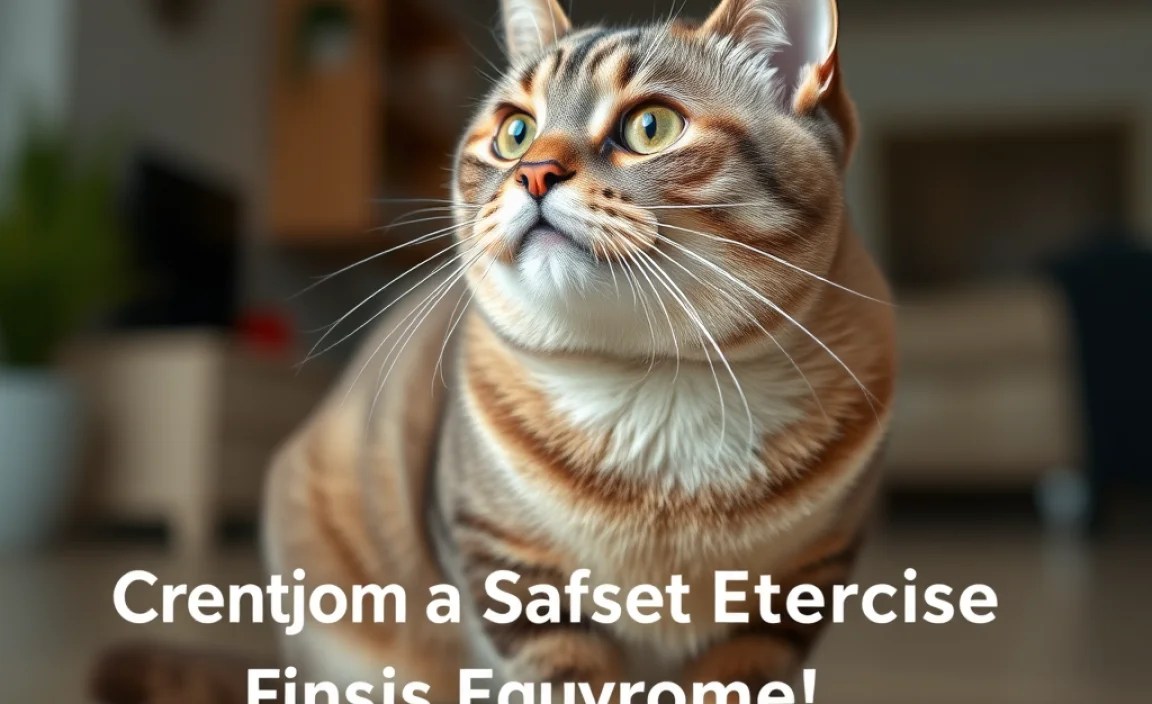
Before you start any fitness plan, make sure your home is safe. Senior cats can be clumsy. They might not see or hear as well as they used to. Remove any hazards that could cause them to trip or fall. This includes loose rugs, cords, and clutter. Make sure their walking paths are clear. If they like to climb, provide ramps or steps. These will help them reach their favorite spots without jumping. Keep them indoors. Outdoor dangers like cars and other animals can hurt them. If you have stairs, block them off if your cat has trouble. Provide soft bedding in warm, quiet places. This will give them a comfortable place to rest. A safe environment is very important for senior cat fitness. It helps them stay active without getting hurt. It also makes them feel more secure and comfortable.
- Remove tripping hazards like loose rugs and cords.
- Provide ramps or steps for climbing.
- Keep your cat indoors for safety.
- Block off stairs if needed.
- Ensure good lighting so they can see well.
- Keep the temperature comfortable.
Consider using nightlights to help them see at night. Senior cats often have trouble seeing in the dark. Make sure their food and water bowls are easy to reach. They might have trouble bending down. Raise the bowls if needed. Keep their litter box clean and accessible. They might have trouble getting in and out of a high-sided box. Use a low-sided box instead. Regularly check their paws for any injuries. Senior cats might not groom themselves as well. This can lead to problems with their paws. A safe and comfortable environment is key. It helps your senior cat stay active and healthy. It also gives you peace of mind knowing they are safe. You can help them enjoy their golden years to the fullest.
Fun Fact or Stat: Senior cats often sleep up to 16-20 hours a day!
Importance of a Safe Home for Seniors
Imagine your grandma coming to visit. You would want to make sure her room is safe and comfy, right? It’s the same for your senior cat! A safe home is super important for them. They might have trouble seeing or moving around. So, you need to protect them from getting hurt. Sharp corners, slippery floors, and wobbly furniture can be dangerous. Make sure everything is secure and stable. Keep poisonous things like cleaning supplies out of reach. Senior cats can be curious. They might try to taste things they shouldn’t. A safe home helps them feel secure. It also lets them move around without fear. This is good for their bodies and their minds. They can relax and enjoy their golden years.
Adapting Your Home for Older Cats
Think of your house as a playground. Now, imagine making it safe for a tiny, old explorer! That’s what you need to do for your senior cat. They might need some help getting around. You can add ramps to their favorite spots. This will help them climb without straining their joints. You can also put down soft rugs on slippery floors. This will give them better grip. Make sure their food and water bowls are easy to reach. They might have trouble bending down. You can even get them a special heated bed. This will keep them warm and cozy. Adapting your home shows your cat you care. It also helps them stay active and happy. They will appreciate the extra effort you put in.
Creating a Comfy Resting Place
Picture your dream nap spot. It’s soft, warm, and quiet, right? Your senior cat needs a place like that too! They spend a lot of time sleeping. So, their resting place should be super comfy. Choose a soft bed or blanket. Place it in a quiet corner away from noise. Make sure it’s warm and draft-free. Senior cats get cold easily. You can even add a heating pad for extra warmth. Make sure the bed is easy to get in and out of. They might have trouble jumping or climbing. A comfy resting place helps them relax. It also helps them sleep better. This is important for their health and well-being. They will love having a special spot just for them.
Gentle Exercise Ideas for Seniors

Senior British Shorthair fitness tips often include gentle exercises. Don’t expect your senior cat to run marathons! Start slowly and be patient. Short play sessions are best. Use toys they enjoy, like feather wands or laser pointers. Encourage them to walk around and explore. Hide treats around the house for them to find. This will get them moving and using their senses. Gentle stretching can also help. Gently massage their muscles to improve circulation. Be careful not to hurt them. Pay attention to their body language. If they seem tired or uncomfortable, stop. The goal is to keep them active without overdoing it. Little and often is better than one long, strenuous workout. Gentle exercise helps them stay healthy and happy. It also strengthens your bond with them.
- Use feather wands to encourage playful movement.
- Try laser pointers for gentle chasing.
- Hide treats to encourage exploration.
- Gently massage their muscles.
- Keep play sessions short and sweet.
- Observe their body language for signs of tiredness.
Remember to adjust the intensity of the exercise to their abilities. Some days they might be more energetic than others. Be flexible and adjust the plan accordingly. Provide plenty of fresh water after exercise. Senior cats can get dehydrated easily. Keep their nails trimmed to prevent them from getting snagged. This is especially important if they have arthritis. Consider using a harness and leash for outdoor walks. This will allow them to explore safely. Always supervise them closely. Gentle exercise is a great way to keep your senior cat fit. It also helps them stay mentally stimulated. They will appreciate the attention and playtime. You will enjoy seeing them happy and healthy.
Fun Fact or Stat: British Shorthairs are known for their calm and gentle nature, even as seniors!
Safe Toys for Senior Cats
Think about your favorite teddy bear. It’s soft, cuddly, and safe, right? Your senior cat needs toys like that too! They might not be able to play as rough as they used to. So, choose toys that are gentle and safe. Soft balls, plush mice, and feather wands are good choices. Avoid toys with small parts that they could swallow. Check the toys regularly for damage. Replace them if they are torn or broken. You can also make your own toys. A cardboard box or a paper bag can provide hours of fun. Just make sure to remove any staples or sharp edges. Safe toys let your cat play without getting hurt. They also help them stay active and entertained. A happy cat is a healthy cat!
How to Start an Exercise Routine?
Imagine you’re learning a new dance. You wouldn’t start with the hardest moves, would you? You’d start with the basics. It’s the same with your senior cat. Start slow and easy. Choose a time when they are most alert. This might be after a nap or before mealtime. Use a toy they love to get their attention. Start with short play sessions. Just a few minutes at a time. Gradually increase the length of the sessions. Watch for signs of tiredness. If they seem tired, stop. Be patient and encouraging. It might take them a while to get used to the routine. Celebrate their successes. Give them lots of praise and attention. A good routine will keep them happy and healthy!
Motivating Seniors for Playtime
Think of yourself as a cheerleader for your cat. You need to get them excited about playtime! Use a playful voice and lots of encouragement. Wave a feather wand or shine a laser pointer. See if you can get them to chase it. Try hiding treats around the house. This will make them use their nose and explore. Make playtime fun and rewarding. Give them lots of praise and attention. You can also try playing with them at different times of the day. Some cats are more active in the morning or evening. Be patient. It might take some time to find what motivates them. But with a little effort, you can get them moving and having fun!
Nutrition and Weight Management

Senior British Shorthair fitness tips must include a good diet. Older cats need different food than younger cats. They need food that is easy to digest. It should also be lower in calories. This helps prevent weight gain. Talk to your vet about the best food for your senior cat. They can recommend a food that meets their specific needs. Feed them smaller meals more often. This can help with digestion. Make sure they always have access to fresh water. Dehydration can be a problem for senior cats. Avoid giving them too many treats. Treats can add extra calories. Consider using puzzle feeders. These make mealtime more interactive. They also help slow down eating. Watch your cat’s weight regularly. If they are gaining or losing weight, adjust their food intake. Nutrition and weight management are key to keeping your senior cat healthy. They can help them live a longer, happier life.
- Feed a diet formulated for senior cats.
- Control portion sizes to prevent weight gain.
- Provide fresh water at all times.
- Use puzzle feeders to make mealtime fun.
- Limit treats to avoid extra calories.
- Monitor weight regularly and adjust food as needed.
Consider adding supplements to their diet. Glucosamine and chondroitin can help with joint pain. Omega-3 fatty acids can improve their coat and skin. Probiotics can help with digestion. Talk to your vet before adding any supplements. Not all supplements are safe for cats. Make sure they are getting enough fiber. Fiber can help with constipation, which is common in senior cats. Add a small amount of pumpkin to their food. This is a good source of fiber. Be patient with your senior cat’s eating habits. They might be picky eaters. They might also have trouble chewing. Try different foods and textures to see what they prefer. Nutrition and weight management are ongoing processes. Work with your vet to create a plan that works for your cat. You can help them stay healthy and happy for years to come.
Fun Fact or Stat: Senior cats often have decreased kidney function, making hydration extra important!
Choosing the Right Food for Seniors
Imagine you’re shopping for baby food. You’d want something gentle and nutritious, right? It’s the same with senior cat food! They need food that is easy to digest. It should also have the right nutrients. Look for food that is specifically made for senior cats. These foods are often lower in calories and higher in fiber. They might also contain supplements like glucosamine. Avoid foods with lots of fillers or artificial ingredients. These can be hard on their digestive system. Read the labels carefully. Choose a food that has a good balance of protein, fat, and carbohydrates. Talk to your vet if you’re not sure what to choose. They can recommend a food that is right for your cat’s needs.
How to Deal with Picky Eaters?
Think of your cat as a tiny food critic. They have very strong opinions about what they like! If your senior cat is a picky eater, don’t worry. It’s a common problem. Try offering them a variety of foods. See if they prefer wet food or dry food. Try different flavors and textures. Warm up the food slightly. This can make it more appealing. Add a little bit of tuna juice or chicken broth. This can entice them to eat. Be patient and persistent. It might take some time to find something they like. Don’t give up! A healthy diet is very important for their well-being.
Puzzle Feeders for Mental Stimulation
Picture your brain as a muscle. It needs exercise to stay strong, right? It’s the same for your senior cat’s brain! Puzzle feeders are a great way to give their brains a workout. These feeders make them work for their food. They have to figure out how to get the food out. This can be very stimulating and rewarding. There are many different types of puzzle feeders. Some are simple, while others are more complex. Start with a simple one and gradually increase the difficulty. Puzzle feeders can help prevent boredom. They can also slow down eating. This can be helpful if your cat eats too fast. They will love the challenge and the reward!
Monitoring Health and Adjusting the Plan
Senior British Shorthair fitness tips require you to watch your cat. Regular vet visits are very important. Your vet can check for any health problems. They can also give you advice on how to care for your senior cat. Monitor your cat’s weight and body condition. If they are gaining or losing weight, adjust their food intake. Watch for signs of pain or discomfort. If they are limping or seem stiff, talk to your vet. Be aware of any changes in their behavior. If they are sleeping more or less than usual, this could be a sign of a problem. Adjust their fitness plan as needed. Some days they might be more energetic than others. Be flexible and adapt to their needs. The goal is to keep them healthy and happy. Regular monitoring and adjustments are key to success. You can help them live a long and fulfilling life.
- Schedule regular vet checkups.
- Monitor weight and body condition.
- Watch for signs of pain or discomfort.
- Be aware of changes in behavior.
- Adjust the fitness plan as needed.
- Be flexible and adapt to their needs.
Consider keeping a journal of their activities and health. This can help you track any changes over time. Note their eating habits, sleeping patterns, and activity levels. Share this information with your vet. It can help them make better decisions about their care. Be patient and understanding. Senior cats can be challenging to care for. They might have health problems and behavioral issues. But with love and attention, you can help them thrive. Remember to celebrate their successes. Give them lots of praise and attention. They will appreciate your efforts. Monitoring their health and adjusting the plan is an ongoing process. You can help them enjoy their golden years to the fullest.
Fun Fact or Stat: Cats often hide their pain, so it’s important to be observant and look for subtle changes in behavior!
The Role of Regular Vet Visits
Imagine your doctor telling you to skip your checkups. That would be bad, right? It’s the same for your senior cat! Regular vet visits are super important. Your vet can check for hidden health problems. They can also give you advice on how to care for your cat. They can recommend the best food and exercise plan. They can also help you manage any health conditions. Don’t skip those vet visits! They can help your cat live a longer, healthier life. Your vet is your partner in caring for your senior cat. Work together to keep them happy and healthy.
Recognizing Pain and Discomfort
Think of your cat as a secret agent. They’re really good at hiding things! They often hide their pain. You need to be a good detective to spot the signs. Look for changes in their behavior. Are they moving slower? Are they hiding more? Are they not grooming themselves? These could be signs of pain. Check their body for any lumps or bumps. Gently touch them to see if they react. If you suspect they are in pain, talk to your vet. They can help you figure out what’s wrong. They can also give you pain medication. Don’t let your cat suffer in silence. Help them get the relief they need.
Adapting to Changing Needs Over Time
Picture your cat as a tiny weather vane. Their needs can change from day to day! One day they might be full of energy. The next day they might want to sleep all day. You need to be flexible and adapt to their needs. If they are having a bad day, don’t push them to exercise. Let them rest and relax. If they are feeling good, encourage them to play. Pay attention to their body language. This will tell you what they need. Be patient and understanding. Senior cats can be unpredictable. But with love and attention, you can help them thrive. Adapting to their changing needs will keep them happy and healthy.
Supplements and Therapies for Seniors
Sometimes, senior British Shorthair fitness tips involve more than just food and exercise. Supplements and therapies can help. Glucosamine and chondroitin can ease joint pain. Omega-3 fatty acids can improve coat and skin health. Acupuncture can help with pain and inflammation. Physical therapy can improve mobility. Talk to your vet before starting any new supplements or therapies. They can help you choose the best options for your cat. Not all supplements are safe for cats. Some therapies might not be appropriate. Work with your vet to create a plan that is safe and effective. Be patient and consistent. It might take time to see results. Supplements and therapies can help improve your senior cat’s quality of life. They can help them stay active and comfortable. They will appreciate your efforts to keep them healthy.
Here is an example of a table that compares different treatments:
| Treatment | Benefits | Risks | Cost |
|---|---|---|---|
| Glucosamine/Chondroitin | Reduces joint pain, improves mobility | Mild digestive upset | Low |
| Omega-3 Fatty Acids | Improves coat, reduces inflammation | Rare digestive upset | Low |
| Acupuncture | Reduces pain, improves mobility | Rare, mild discomfort | Moderate |
| Physical Therapy | Improves strength, increases mobility | Rare, mild discomfort | Moderate to High |
- Consider glucosamine and chondroitin for joint pain.
- Try omega-3 fatty acids for coat and skin health.
- Ask about acupuncture for pain relief.
- Explore physical therapy for mobility issues.
- Always consult with your vet before starting anything new.
- Be patient and consistent with treatments.
Remember that supplements and therapies are not a substitute for good nutrition and exercise. They are meant to be used in conjunction with a healthy lifestyle. Continue to provide your senior cat with a balanced diet and regular exercise. Monitor their progress and adjust the plan as needed. Be aware of any side effects from supplements or therapies. If you notice anything unusual, talk to your vet. They can help you determine if the treatment is right for your cat. Supplements and therapies can be a valuable tool in caring for your senior cat. They can help them stay healthy and comfortable in their golden years. You will enjoy seeing them happy and active.
Fun Fact or Stat: Acupuncture has been used for thousands of years to treat pain and other conditions in both humans and animals!
Understanding Joint Supplements
Imagine your joints as tiny hinges. They need to be oiled to work smoothly, right? Joint supplements can help “oil” your senior cat’s joints! Glucosamine and chondroitin are two common joint supplements. They can help reduce pain and improve mobility. These supplements work by protecting the cartilage in the joints. Cartilage is the cushion that prevents bones from rubbing together. As cats get older, their cartilage can wear down. This can lead to pain and stiffness. Joint supplements can help slow down this process. Talk to your vet before giving your cat any supplements. They can recommend the right dosage. They can also make sure the supplements are safe for your cat.
Benefits of Omega-3 Fatty Acids
Think of omega-3 fatty acids as tiny superheroes for your cat’s health. They can help with many different things! They can improve their coat and skin. They can reduce inflammation. They can even help with brain function. Omega-3 fatty acids are found in fish oil. You can add fish oil to your cat’s food. Or you can buy food that is already enriched with omega-3s. Talk to your vet before adding fish oil to your cat’s diet. They can recommend the right amount. They can also make sure it’s safe for your cat.
Exploring Alternative Therapies
Picture your cat getting a relaxing spa treatment. That’s kind of what alternative therapies are like! Acupuncture and physical therapy are two examples of alternative therapies. Acupuncture involves inserting tiny needles into specific points on the body. This can help relieve pain and inflammation. Physical therapy involves exercises and stretches. This can help improve mobility and strength. These therapies can be helpful for senior cats with arthritis. Talk to your vet before trying any alternative therapies. They can help you find a qualified practitioner. They can also make sure the therapies are safe for your cat.
Summary
Taking care of a senior British Shorthair requires special attention. As cats age, their needs change. Keeping them fit is important for their health and happiness. Senior British Shorthair fitness tips include creating a safe environment. Gentle exercise is also key. Nutrition and weight management play a big role. You need to monitor their health and adjust the plan as needed. Supplements and therapies can help too. Regular vet visits are essential for senior cats. Your vet can help you create a plan that meets their specific needs. A safe home, gentle play, and a healthy diet will improve their life. With love and care, you can help your senior cat thrive.
Conclusion
Caring for a senior British Shorthair is a rewarding experience. It takes patience and dedication. You must give them a safe space. You should give them gentle exercise and a healthy diet. Watch for any changes in their health. Work with your vet to manage any problems. Remember, every cat is different. Adjust the plan to meet their individual needs. By following these senior British Shorthair fitness tips, you can help your cat live a long, happy, and healthy life. Enjoy the special bond you share with your senior companion.
Frequently Asked Questions
Question No 1: How do I know if my British Shorthair is considered a senior cat?
Answer: Cats are generally considered senior at around 11 years old. However, some cats may start showing signs of aging earlier or later. Watch for changes in their behavior, such as sleeping more, moving slower, or gaining weight. These could be signs that they are entering their senior years. Regular vet checkups can also help determine if your cat is considered a senior. The vet can assess their overall health and provide guidance on how to care for them. Senior British Shorthair fitness tips are something to consider once your cat reaches 11 years old.
Question No 2: What are some signs that my senior cat needs a change in diet?
Answer: There are several signs that your senior cat might need a change in diet. These include weight gain or loss, changes in appetite, digestive problems, and decreased energy levels. If your cat is gaining weight, they might need a food that is lower in calories. If they are losing weight, they might need a food that is higher in protein. Digestive problems, such as vomiting or diarrhea, could indicate a food allergy or intolerance. Decreased energy levels could mean they are not getting enough nutrients. Talk to your vet about the best diet for your senior cat. They can help you choose a food that meets their specific needs.
Question No 3: How often should I take my senior British Shorthair to the vet?
Answer: Senior cats should typically visit the vet every six months. This allows the vet to monitor their health closely and catch any problems early. Regular checkups can help prevent serious health issues. The vet can also provide advice on how to care for your senior cat. They can recommend the best diet, exercise plan, and supplements. If your cat has any health problems, they might need to visit the vet more often. Follow your vet’s recommendations for checkup frequency. Regular vet visits are essential for keeping your senior cat healthy and happy. This is a key part of senior British Shorthair fitness tips.
Question No 4: What are some ways to make my home more comfortable for my senior cat?
Answer: There are many ways to make your home more comfortable for your senior cat. Provide soft bedding in warm, quiet places. This will give them a comfortable place to rest. Make sure their food and water bowls are easy to reach. They might have trouble bending down. Use a low-sided litter box. They might have trouble getting in and out of a high-sided box. Remove any tripping hazards, such as loose rugs and cords. Provide ramps or steps for climbing. Keep the temperature comfortable. Senior cats get cold easily. Consider using nightlights to help them see at night. These small changes can make a big difference in their comfort.
Question No 5: How can I encourage my senior cat to be more active?
Answer: Encourage your senior cat to be more active with gentle play sessions. Use toys they enjoy, like feather wands or laser pointers. Hide treats around the house for them to find. This will get them moving and using their senses. Gentle stretching can also help. Gently massage their muscles to improve circulation. Be careful not to hurt them. Pay attention to their body language. If they seem tired or uncomfortable, stop. Even a little bit of exercise can make a big difference. Regular, short play sessions are one of the best senior British Shorthair fitness tips you can get.
Question No 6: Are there any supplements that can help my senior cat’s health?
Answer: Yes, there are several supplements that can help your senior cat’s health. Glucosamine and chondroitin can ease joint pain. Omega-3 fatty acids can improve coat and skin health. Probiotics can help with digestion. Talk to your vet before starting any new supplements. They can help you choose the best options for your cat. Not all supplements are safe for cats. Work with your vet to create a plan that is safe and effective. They can also advise on the correct dosage for your cat’s weight and condition, which is vital for safe senior British Shorthair fitness tips.


