
How to Reduce Anxiety in British Shorthairs: Easy Tips

Quick Summary:
Is your British Shorthair anxious? You can help! Create a calm space with scratching posts and toys. Keep a routine for feeding and play. Use calming aids like pheromone diffusers. Give them lots of love and attention. If anxiety continues, talk to your vet. A happy cat makes a happy home!
Is your usually cuddly British Shorthair hiding under the bed more than usual? Do they seem jumpy or easily startled? Like us, cats can experience anxiety, and it’s especially heartbreaking to see in our gentle British Shorthairs. The good news is, there’s a lot we can do to help them feel safe and secure again. It starts with understanding what’s causing their stress and making a few changes to their environment and routine.
In this guide, I’ll walk you through simple, practical steps to reduce anxiety in your British Shorthair. We’ll cover everything from creating a safe space to using calming aids and understanding when it’s time to visit the vet. Let’s get started and bring back that purrfect peace of mind!
Understanding Anxiety in British Shorthairs

British Shorthairs are known for their calm and adaptable nature, but they’re not immune to anxiety. Recognizing the signs and understanding the causes are the first steps in helping your furry friend.
Common Signs of Anxiety
Anxiety in British Shorthairs can manifest in various ways. Keep an eye out for these common signs:
- Hiding: Retreating to secluded spots more often than usual.
- Excessive Grooming: Over-licking, leading to bald patches or skin irritation.
- Changes in Appetite: Eating significantly more or less than normal.
- Litter Box Issues: Urinating or defecating outside the litter box. The RSPCA offers guidance on litter box issues.
- Aggression: Hissing, swatting, or biting, especially when approached.
- Restlessness: Pacing, inability to settle down, or constant vigilance.
- Vocalization: Excessive meowing or howling.
Potential Causes of Anxiety
Pinpointing the cause of your cat’s anxiety can be tricky, but here are some common triggers:
- Environmental Changes: Moving to a new home, redecorating, or introducing new furniture.
- New Pets or People: The arrival of a new cat, dog, or family member can disrupt your cat’s routine and territory.
- Loud Noises: Fireworks, thunderstorms, construction, or other sudden loud sounds.
- Separation Anxiety: Distress when left alone, especially if they’re used to constant companionship.
- Medical Issues: Underlying health problems can sometimes manifest as anxiety. Always rule out medical causes first.
- Lack of Mental Stimulation: Boredom and lack of environmental enrichment can lead to anxiety.
Creating a Safe and Comfortable Environment
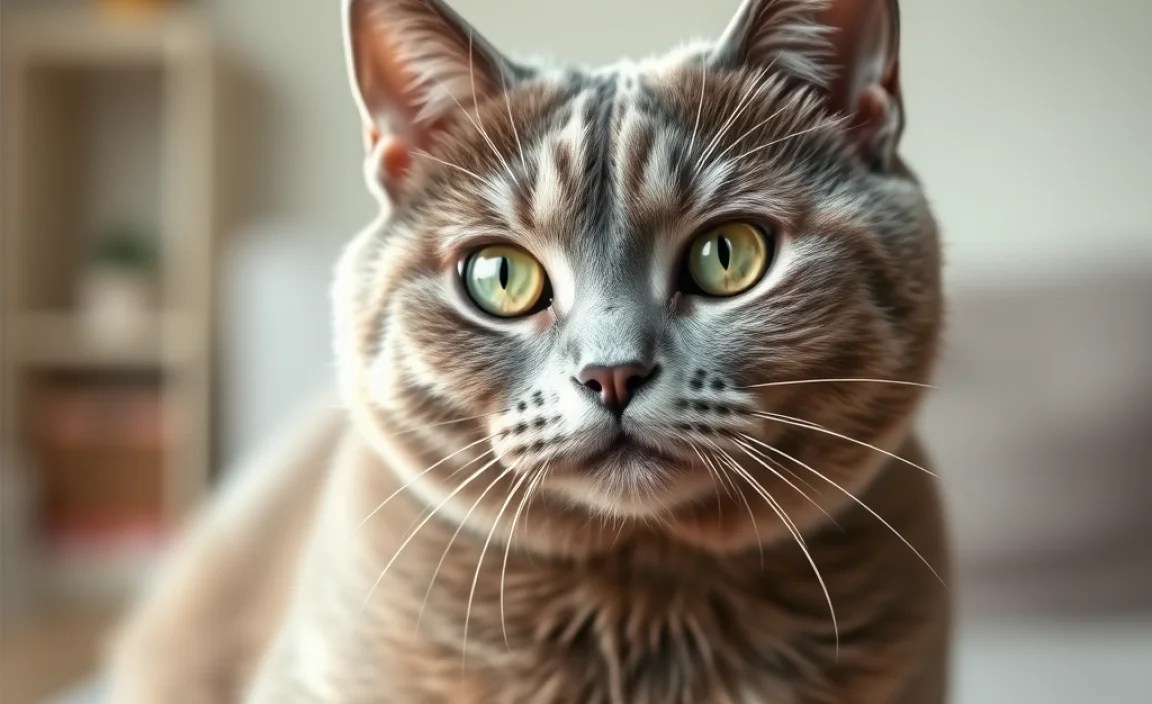
One of the most effective ways to reduce anxiety in your British Shorthair is to create a safe and predictable environment. This involves providing them with resources, maintaining a consistent routine, and minimizing potential stressors.
Providing Essential Resources
Ensure your cat has easy access to the following essential resources:
- Multiple Litter Boxes: The general rule is one litter box per cat, plus one extra. Place them in quiet, accessible locations.
- Food and Water Bowls: Keep food and water bowls clean and readily available. Consider using ceramic or stainless steel bowls, as some cats are sensitive to plastic.
- Scratching Posts: Provide a variety of scratching posts – vertical, horizontal, and angled – to allow your cat to express their natural scratching behavior.
- Safe Hiding Spots: Offer several safe hiding spots where your cat can retreat when feeling anxious or overwhelmed. This could be a cat tree, a cardboard box, or a quiet corner under a bed.
- Resting Places: Provide comfortable beds or resting places in various locations around the house, including high perches where they can observe their surroundings.
Maintaining a Consistent Routine
Cats thrive on routine. A predictable daily schedule can help reduce anxiety by providing a sense of security.
- Feeding Schedule: Feed your cat at the same times each day.
- Playtime: Engage in interactive playtime sessions at consistent times.
- Grooming: Regular grooming sessions not only keep their coat healthy but also provide an opportunity for bonding and relaxation.
- Bedtime: Stick to a regular bedtime routine to help regulate their sleep cycle.
Minimizing Stressors
Identify and minimize potential stressors in your cat’s environment:
- Loud Noises: Keep the volume down on TVs and stereos. During thunderstorms or fireworks, provide a safe, quiet space for your cat and consider using white noise to mask the loud sounds.
- Changes in the Home: Introduce changes gradually. When redecorating or moving furniture, keep some familiar items in place to provide a sense of continuity.
- Conflicts with Other Pets: Ensure that your cats have separate feeding areas, litter boxes, and resting places to minimize competition and conflict. If introducing a new pet, do so slowly and gradually, allowing them to adjust to each other’s presence.
Using Calming Aids and Therapies

In addition to environmental modifications, several calming aids and therapies can help reduce anxiety in British Shorthairs.
Pheromone Diffusers and Sprays
Feliway is a synthetic copy of the feline facial pheromone, which cats use to mark their territory as safe and secure. Diffusers and sprays can help create a calming atmosphere. The Cornell Feline Health Center provides in-depth information on feline pheromone therapy.
- Diffusers: Plug-in diffusers release a continuous stream of pheromones into the air. Place them in areas where your cat spends the most time.
- Sprays: Use sprays on bedding, scratching posts, and other areas where your cat likes to hang out. Avoid spraying directly on your cat.
Calming Supplements
Several natural supplements can help reduce anxiety in cats. Consult with your veterinarian before starting any new supplement regimen.
- L-Theanine: An amino acid found in green tea, L-theanine has calming properties and can help reduce stress and anxiety.
- Zylkene: A natural product derived from milk protein, Zylkene has a calming effect on cats and can help reduce anxiety in stressful situations.
- CBD Oil: Some cat owners have found CBD oil helpful in reducing anxiety, but it’s important to use a product specifically formulated for pets and to consult with your veterinarian about the appropriate dosage.
Here is a quick guide to calming supplements:
| Supplement | Description | Benefits | Considerations |
|---|---|---|---|
| L-Theanine | Amino acid found in green tea | Reduces stress and anxiety | Consult vet for dosage |
| Zylkene | Milk protein derivative | Calming effect | Natural and safe |
| CBD Oil | Formulated for pets | Reduces anxiety | Consult vet for dosage and safety |
Interactive Play and Enrichment
Boredom and lack of mental stimulation can contribute to anxiety in cats. Provide plenty of opportunities for interactive play and enrichment.
- Puzzle Toys: Use puzzle toys to challenge your cat’s mind and provide mental stimulation.
- Interactive Play: Engage in regular interactive play sessions using feather wands, laser pointers, or other toys that mimic hunting behavior.
- Scratching Posts: Provide a variety of scratching posts to allow your cat to express their natural scratching behavior.
- Cat Trees: Offer cat trees with multiple levels and hiding spots to provide opportunities for climbing, exploring, and observing their surroundings.
Creating a Calm Environment
A peaceful and relaxing environment can significantly reduce anxiety in British Shorthairs.
- Soft Music: Play calming music specifically designed for cats.
- White Noise: Use a white noise machine to mask loud noises and create a sense of tranquility.
- Comfortable Bedding: Provide soft, comfortable bedding in quiet, secluded areas.
- Avoid Punishment: Never punish your cat for anxious behaviors. This will only increase their anxiety and damage your relationship.
Addressing Specific Anxiety Triggers

Identifying and addressing specific anxiety triggers is crucial for managing your cat’s anxiety. Here are some strategies for dealing with common triggers.
Separation Anxiety
If your British Shorthair suffers from separation anxiety, try these strategies:
- Gradual Desensitization: Gradually increase the amount of time you leave your cat alone. Start with short absences and gradually increase the duration as your cat becomes more comfortable.
- Provide Entertainment: Leave out puzzle toys, scratching posts, and other forms of entertainment to keep your cat occupied while you’re away.
- Create a Safe Space: Designate a safe, comfortable space for your cat to retreat to when you’re gone. This could be a quiet room with their favorite bed and toys.
- Ignore Attention-Seeking Behaviors: When you’re about to leave or when you return home, ignore attention-seeking behaviors such as meowing or clinging. This will help reduce your cat’s anxiety about your departure and arrival.
Fear of Loud Noises
If your cat is afraid of loud noises, try these strategies:
- Create a Safe Haven: Designate a safe, quiet space where your cat can retreat during thunderstorms, fireworks, or other loud events. This could be a room with thick curtains, a comfortable bed, and a white noise machine.
- Desensitization: Gradually expose your cat to recordings of the sounds they fear, starting at a low volume and gradually increasing the volume as they become more comfortable.
- Pheromone Therapy: Use Feliway diffusers or sprays to create a calming atmosphere during stressful events.
- Medication: In severe cases, your veterinarian may prescribe anti-anxiety medication to help your cat cope with loud noises.
Introduction of New Pets
Introducing a new pet to your British Shorthair can be a stressful experience. Follow these steps to minimize anxiety:
- Scent Swapping: Before introducing the new pet, swap their scents by rubbing a towel on each pet and then placing the towel near the other pet’s sleeping area.
- Separate Spaces: Keep the pets separated in different areas of the house for the first few days.
- Gradual Introduction: Gradually introduce the pets to each other, starting with short, supervised visits.
- Positive Reinforcement: Reward calm behavior with treats and praise.
- Separate Resources: Provide separate feeding areas, litter boxes, and resting places to minimize competition and conflict.
Here is a sample introduction schedule:
| Day | Activity | Notes |
|---|---|---|
| 1-3 | Scent Swapping | Rub towels on each pet |
| 4-7 | Separate Spaces | Keep pets in different areas |
| 8-14 | Supervised Visits | Short, controlled interactions |
| Ongoing | Positive Reinforcement | Reward calm behavior |
When to Seek Veterinary Advice

While many cases of anxiety in British Shorthairs can be managed with environmental modifications and calming aids, it’s important to seek veterinary advice if:
- Anxiety is Severe: If your cat’s anxiety is severe and significantly impacting their quality of life.
- Sudden Onset: If the anxiety has a sudden onset, as this could indicate an underlying medical issue.
- Behavior Changes: If the anxiety is accompanied by other behavioral changes, such as aggression or loss of appetite.
- Self-Harm: If your cat is engaging in self-harming behaviors, such as excessive grooming to the point of hair loss or skin irritation.
- Unresponsive to Treatment: If the anxiety is not responding to environmental modifications and calming aids.
Your veterinarian can perform a thorough physical exam to rule out any underlying medical conditions that may be contributing to the anxiety. They can also provide guidance on appropriate treatment options, including medication if necessary. Purina offers helpful resources for understanding cat behavior and when to seek professional help.
FAQ About Reducing Anxiety in British Shorthair Cats
What are the most common signs of anxiety in British Shorthairs?
Common signs include hiding, excessive grooming, changes in appetite, litter box issues, aggression, restlessness, and increased vocalization.
How can I create a safe space for my anxious cat?
Provide multiple hiding spots, scratching posts, comfortable beds, and ensure easy access to food, water, and litter boxes. A cat tree can also provide a sense of security and observation.
Are pheromone diffusers effective for calming cats?
Yes, pheromone diffusers like Feliway can mimic natural feline pheromones, creating a calming atmosphere and reducing anxiety in many cats.
What natural supplements can help reduce anxiety in cats?
L-Theanine and Zylkene are natural supplements that have shown promise in reducing anxiety. Always consult with your vet before starting any new supplement.
How often should I play with my British Shorthair to reduce anxiety?
Aim for at least 15-20 minutes of interactive play each day, split into multiple sessions. This helps reduce boredom and provides mental stimulation.
Can a change in diet help with my cat’s anxiety?
While diet isn’t a direct cure for anxiety, a balanced, high-quality diet can support overall health and well-being, potentially reducing stress. Consult your vet for dietary recommendations.
When should I consider medication for my cat’s anxiety?
If environmental changes and calming aids are not effective, or if your cat’s anxiety is severe, your veterinarian may recommend anti-anxiety medication.
Conclusion
Reducing anxiety in your British Shorthair requires patience, understanding, and a multi-faceted approach. By creating a safe and predictable environment, using calming aids, addressing specific triggers, and seeking veterinary advice when needed, you can help your furry friend feel more secure and content. Remember, a calm and happy cat makes for a happier home. With consistent effort and love, you can help your British Shorthair live a more peaceful and fulfilling life.


