
Improving Cat Mental Health Naturally: Easy Guide

Quick Summary: Naturally improving your cat’s mental health involves enriching their environment, encouraging play, providing mental stimulation with puzzle toys, ensuring a comfortable and safe space, and maintaining a consistent routine. A balanced diet and regular vet check-ups also play a vital role. Addressing anxiety and stress through natural remedies like catnip or pheromone diffusers can further enhance their well-being.
Is your feline friend looking a little less frisky lately? Perhaps your usually playful British Shorthair is spending more time hiding or seems disinterested in their favourite toys. Just like us, cats can experience stress, anxiety, and even boredom, which can impact their mental well-being. It’s often difficult to spot, but with some simple changes, you can significantly improve your cat’s mental health naturally. Let’s explore practical ways to create a happier, more content life for your beloved companion.
Understanding Cat Mental Health

Before diving into solutions, it’s important to understand what contributes to a cat’s mental health. A cat’s mental well-being is closely linked to their physical health and environment. Key factors include:
- Environmental Enrichment: A stimulating and safe environment that caters to their natural instincts.
- Social Interaction: Adequate interaction with humans or other animals, depending on their personality.
- Mental Stimulation: Opportunities to engage in play and problem-solving.
- Physical Health: Freedom from pain, discomfort, or illness.
- Routine and Consistency: Predictable daily routines to reduce anxiety.
When these needs aren’t met, cats can develop behavioral issues, such as excessive grooming, aggression, or withdrawal. Addressing these issues early can prevent them from escalating into more serious problems. According to the RSPCA, recognizing the signs of stress in cats is the first step toward improving their mental health.
Step-by-Step Guide to Improving Cat Mental Health Naturally

Here’s a detailed guide to help you enhance your cat’s mental well-being through natural and effective methods:
Step 1: Enriching the Environment
A stimulating environment is crucial for a cat’s mental health. Here’s how to create one:
- Vertical Space: Cats love to climb and observe from high places. Install cat trees, shelves, or window perches to provide vertical territory.
- Scratching Posts: Provide multiple scratching posts made of different materials (sisal, cardboard, wood). Scratching is a natural behavior that helps cats relieve stress and maintain their claws.
- Safe Hiding Spots: Offer plenty of hiding places where your cat can retreat when feeling anxious or overwhelmed. Cardboard boxes, cat caves, and covered beds are all great options.
- Window Views: Cats enjoy watching the outside world. Ensure your cat has access to windows with interesting views of birds, squirrels, or other activity.
Consider adding a catio – an enclosed outdoor space where your cat can safely enjoy the fresh air and sunshine. This provides a stimulating and enriching experience without the risks of roaming free.
Step 2: Encouraging Play and Exercise
Regular play and exercise are essential for a cat’s physical and mental health. Aim for at least 15-20 minutes of interactive play each day.
- Interactive Toys: Use toys that mimic prey, such as feather wands, laser pointers (use sparingly and never shine directly into the eyes), and toy mice.
- Puzzle Toys: These toys challenge your cat to solve a problem to get a treat. They provide mental stimulation and can help prevent boredom.
- Rotate Toys: Keep your cat interested by rotating their toys regularly. Introduce a few new toys each week and put the old ones away for a while.
- Hunting Simulation: Mimic a hunting sequence by starting with a chase, followed by a pounce, and ending with a “kill” (a toy they can grab and hold). Reward your cat with a treat after the “kill.”
Engage in play during different times of the day to keep things interesting. Vary the type of play to cater to your cat’s preferences. Some cats enjoy chasing, while others prefer batting at toys. Tailor the play sessions to their individual needs.
Step 3: Providing Mental Stimulation
Mental stimulation is just as important as physical exercise. Here are some ways to keep your cat’s mind active:
- Puzzle Feeders: These feeders require your cat to work for their food, providing a mental challenge and slowing down their eating.
- Training: Cats can be trained using positive reinforcement techniques. Teach your cat simple commands like “sit,” “stay,” or “come” using treats or praise.
- Clicker Training: Use a clicker to mark desired behaviors and reward your cat immediately afterward. This can be an effective way to teach new tricks and reinforce good behavior.
- Environmental Changes: Rearrange furniture or add new elements to your cat’s environment to keep things interesting.
Puzzle feeders are a great way to combine mealtime with mental stimulation. There are many different types available, from simple treat balls to more complex puzzles that require your cat to manipulate objects. Start with an easy puzzle and gradually increase the difficulty as your cat becomes more proficient.
Step 4: Ensuring a Comfortable and Safe Space
A comfortable and safe environment is essential for a cat’s well-being. Here’s how to create one:
- Clean Litter Box: Keep the litter box clean and accessible. Cats are very particular about their litter box, and a dirty or inaccessible box can cause stress and lead to inappropriate elimination.
- Comfortable Bed: Provide a soft and comfortable bed in a quiet and safe location.
- Temperature Control: Maintain a comfortable temperature in your home. Cats are sensitive to extreme temperatures, so ensure they have access to warm and cool areas.
- Minimize Stressors: Identify and minimize potential stressors in your cat’s environment, such as loud noises, unfamiliar visitors, or aggressive pets.
Cats are creatures of habit, and changes to their environment can cause stress. Introduce changes gradually and provide reassurance to help them adjust. For example, if you’re moving furniture, do it one piece at a time and allow your cat to explore the new arrangement at their own pace.
Step 5: Maintaining a Consistent Routine
Cats thrive on routine. A predictable daily schedule can help reduce anxiety and promote a sense of security.
- Feeding Schedule: Feed your cat at the same time each day.
- Playtime: Schedule regular playtime sessions.
- Grooming: Groom your cat regularly to maintain their coat and bond with them.
- Quiet Time: Provide a quiet and undisturbed time for your cat to rest and relax.
Try to stick to the routine as closely as possible, even on weekends and holidays. Consistency helps your cat feel secure and reduces the likelihood of stress-related behaviors.
Step 6: Natural Remedies for Anxiety and Stress
Several natural remedies can help alleviate anxiety and stress in cats:
- Catnip: Catnip contains nepetalactone, a compound that can cause temporary euphoria in cats. It can be used to encourage play, reduce stress, and promote relaxation.
- Pheromone Diffusers: Feliway diffusers release synthetic feline facial pheromones, which can help create a sense of calm and security.
- Herbal Remedies: Some herbal remedies, such as chamomile and valerian root, are known for their calming properties. Consult with your veterinarian before using herbal remedies, as some can be toxic to cats.
- Calming Treats: Many calming treats contain ingredients like L-theanine and tryptophan, which can help reduce anxiety and promote relaxation.
Introduce natural remedies gradually and observe your cat’s reaction. Some cats may not respond to catnip, while others may be sensitive to certain herbs. Start with a small amount and monitor for any adverse effects.
Step 7: Nutritional Considerations
A balanced diet plays a crucial role in a cat’s overall well-being, including their mental health. Ensure your cat is getting the nutrients they need to thrive.
- High-Quality Food: Feed your cat a high-quality diet that is appropriate for their age, weight, and activity level. Look for foods that are rich in protein and low in carbohydrates.
- Hydration: Ensure your cat has access to fresh water at all times. Cats are prone to dehydration, which can lead to health problems and affect their mood.
- Omega-3 Fatty Acids: Supplementing your cat’s diet with omega-3 fatty acids can help improve their mood and reduce anxiety.
- Avoid Artificial Additives: Choose foods that are free from artificial colors, flavors, and preservatives. These additives can sometimes contribute to behavioral problems.
Consider adding wet food to your cat’s diet to increase their water intake. Wet food is more hydrating than dry food and can help prevent urinary problems. Consult with your veterinarian for recommendations on the best diet for your cat.
Step 8: Regular Veterinary Check-ups
Regular veterinary check-ups are essential for maintaining your cat’s physical and mental health. A veterinarian can identify and treat underlying medical conditions that may be contributing to behavioral problems.
- Annual Exams: Schedule annual check-ups to monitor your cat’s overall health.
- Dental Care: Maintain good dental hygiene to prevent dental disease, which can cause pain and affect your cat’s appetite and behavior.
- Parasite Control: Keep your cat up-to-date on parasite prevention to protect them from fleas, ticks, and worms.
- Vaccinations: Ensure your cat is vaccinated against common diseases to protect their health and well-being.
If you notice any sudden changes in your cat’s behavior, consult with your veterinarian as soon as possible. Early diagnosis and treatment can prevent minor problems from escalating into more serious issues.
Tools and Resources for Improving Cat Mental Health

Here are some tools and resources that can help you improve your cat’s mental health:
| Tool/Resource | Description | Benefits |
|---|---|---|
| Cat Trees | Provide vertical space for climbing and perching. | Satisfies natural instincts, reduces stress, and provides exercise. |
| Puzzle Toys | Challenge cats to solve problems for treats. | Provides mental stimulation, prevents boredom, and slows down eating. |
| Feliway Diffusers | Release synthetic feline facial pheromones. | Creates a sense of calm and security, reduces anxiety and stress. |
| Scratching Posts | Allow cats to scratch and stretch. | Satisfies natural scratching behavior, prevents damage to furniture, and relieves stress. |
| Interactive Toys | Engage cats in play and exercise. | Provides physical and mental stimulation, strengthens the bond between cat and owner. |
| Calming Treats | Contain ingredients like L-theanine and tryptophan. | Reduces anxiety and promotes relaxation. |
Additionally, many online resources offer valuable information on cat behavior and mental health. The Cornell Feline Health Center and The International Cat Association (TICA) provide reliable information on feline health and well-being.
Potential Challenges and How to Overcome Them

Improving your cat’s mental health can sometimes present challenges. Here are some common obstacles and strategies for overcoming them:
| Challenge | Solution |
|---|---|
| Cat is uninterested in toys. | Try different types of toys, rotate toys regularly, and engage in interactive play. |
| Cat is stressed by changes in the environment. | Introduce changes gradually, provide reassurance, and maintain a consistent routine. |
| Cat is not responding to natural remedies. | Consult with your veterinarian for alternative solutions, such as prescription medications. |
| Cat is displaying aggressive behavior. | Identify and eliminate potential triggers, provide safe hiding spots, and consult with a veterinary behaviorist. |
| Cat is not using the litter box. | Ensure the litter box is clean and accessible, try different types of litter, and consult with your veterinarian to rule out medical causes. |
Remember that every cat is different, and what works for one cat may not work for another. Be patient, observant, and willing to adjust your approach as needed.
Case Studies or Examples
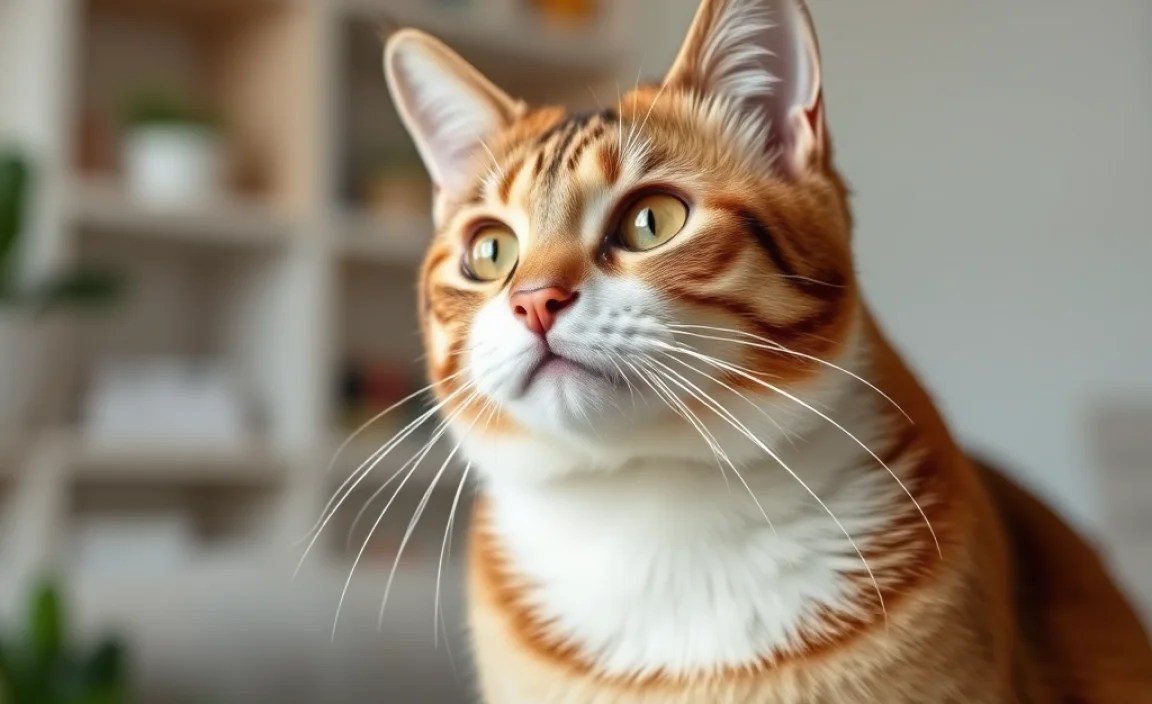
Let’s look at a couple of examples of how these techniques can make a real difference.
Case Study 1: Stressed-Out Stella
Stella, a five-year-old British Shorthair, was showing signs of anxiety after her owners moved to a new home. She was hiding more often, grooming excessively, and had lost her appetite. Her owners implemented several changes:
- They set up multiple cat trees and window perches to provide vertical space and visual stimulation.
- They started using a Feliway diffuser to create a sense of calm and security.
- They maintained a consistent feeding and playtime routine.
Within a few weeks, Stella’s anxiety decreased significantly. She started exploring her new home, engaging in play, and eating normally. Her owners were thrilled to see her happy and relaxed again.
Case Study 2: Bored Buddy
Buddy, a two-year-old British Shorthair, was showing signs of boredom, such as excessive meowing and destructive behavior. His owners decided to provide more mental stimulation:
- They introduced puzzle feeders to make mealtime more challenging.
- They started clicker training to teach Buddy new tricks.
- They rotated his toys regularly to keep him interested.
Buddy’s behavior improved dramatically. He became more engaged and less destructive. His owners enjoyed spending time training him and watching him solve puzzles.
FAQ About Improving Cat Mental Health Naturally
Here are some frequently asked questions about improving cat mental health naturally:
- Q: How can I tell if my cat is stressed or anxious?
- A: Signs of stress or anxiety in cats include hiding, excessive grooming, loss of appetite, changes in litter box habits, aggression, and vocalization.
- Q: Is catnip safe for all cats?
- A: Catnip is generally safe for cats, but not all cats respond to it. About 50-75% of cats have a genetic predisposition to be affected by catnip.
- Q: How often should I play with my cat?
- A: Aim for at least 15-20 minutes of interactive play each day, divided into multiple sessions.
- Q: Can I use essential oils to calm my cat?
- A: Some essential oils are toxic to cats. It’s best to avoid using essential oils around cats unless specifically recommended by a veterinarian.
- Q: How can I create a cat-friendly home?
- A: Provide vertical space, scratching posts, safe hiding spots, window views, and a consistent routine.
- Q: What are some good puzzle toys for cats?
- A: Puzzle toys that dispense treats or require your cat to manipulate objects are great options.
- Q: When should I consult with a veterinarian about my cat’s mental health?
- A: Consult with a veterinarian if you notice any sudden changes in your cat’s behavior or if natural remedies are not effective.
Conclusion
Improving your cat’s mental health naturally is a rewarding journey that strengthens your bond and enhances their quality of life. By enriching their environment, encouraging play, providing mental stimulation, ensuring a comfortable space, and maintaining a consistent routine, you can create a happier, more content feline companion. Remember, every cat is unique, so be patient and observant as you tailor your approach to their individual needs. With dedication and care, you can help your British Shorthair thrive both physically and mentally, ensuring they live a long, joyful life by your side.


