
How to Keep a British Shorthair Happy: Easy Guide

Keeping a British Shorthair happy involves providing a stimulating environment, a balanced diet, regular grooming, and plenty of love and attention. These cats thrive on routine and gentle interaction, so creating a consistent and caring home life is key to their well-being. Regular vet check-ups are also essential for maintaining their health and happiness.
Bringing a British Shorthair into your life is like adding a fluffy, purring ray of sunshine to your home. These gentle giants are known for their calm and affectionate nature, making them wonderful companions. But like any pet, keeping them happy and healthy requires understanding their unique needs.
Many owners wonder if they’re doing enough to ensure their British Shorthair is truly content. Are they getting enough playtime? Is their diet optimal? Are there any signs of hidden stress? Don’t worry; you’re not alone in asking these questions! This guide will walk you through everything you need to know to create a purr-fectly happy life for your British Shorthair.
Understanding Your British Shorthair’s Needs

Before diving into specific tips, it’s important to understand what makes British Shorthairs tick. They are generally laid-back cats, but they still have essential needs that must be met to ensure their happiness and well-being.
Temperament and Personality
British Shorthairs are known for their:
- Calm and gentle nature
- Affectionate, but not overly demanding, demeanor
- Independent streak
- Adaptability to indoor living
They aren’t typically lap cats, but they enjoy being near their humans and participating in family life. Understanding their temperament is the first step in providing a happy environment.
Essential Needs
Here’s a quick overview of the key areas to focus on:
- Nutrition: A balanced, high-quality diet is crucial.
- Environment: A safe, comfortable, and stimulating home.
- Grooming: Regular brushing to manage their dense coat.
- Healthcare: Routine vet visits and vaccinations.
- Mental Stimulation: Playtime and enrichment activities.
Creating a Purr-fect Environment

A happy British Shorthair lives in a home that caters to their specific needs. Here’s how to set up an environment where they can thrive:
Comfortable Resting Spots
British Shorthairs love to lounge! Provide them with several cozy spots around the house. Consider:
- Soft cat beds in sunny locations
- Window perches for birdwatching
- A quiet, safe space where they can retreat when they need alone time
Scratching Posts and Cat Trees
Scratching is a natural behavior for cats. It helps them:
- Maintain their claws
- Stretch their muscles
- Mark their territory
Provide a variety of scratching posts – both vertical and horizontal – made from different materials like sisal, cardboard, or carpet. Cat trees offer climbing opportunities and additional vantage points, which British Shorthairs appreciate.
Litter Box Essentials
A clean and accessible litter box is a must. Follow these guidelines:
- Placement: Choose a quiet, low-traffic area.
- Number: The rule of thumb is one litter box per cat, plus one extra.
- Type: Experiment to find a litter your cat prefers (clumping, non-clumping, scented, unscented).
- Cleaning: Scoop daily and completely change the litter weekly.
Safe and Secure Spaces
Cats feel more secure when they have places to hide. This is especially important in multi-pet households or homes with young children. Provide:
- Cardboard boxes
- Open-top cat houses
- Shelves or high perches
Nutrition for a Happy Tummy

A healthy diet is the foundation of a happy cat. British Shorthairs are prone to weight gain, so it’s crucial to manage their food intake and choose the right type of food.
Choosing the Right Food
Look for a high-quality cat food that is:
- Rich in animal protein (the first ingredient should be meat)
- Specifically formulated for adult cats or British Shorthairs
- Free from excessive fillers like corn, wheat, and soy
Feeding Schedule and Portion Control
British Shorthairs do well with scheduled meals rather than free-feeding. This helps prevent overeating. Follow these tips:
- Feed two to three small meals per day.
- Measure food portions carefully according to the food manufacturer’s recommendations.
- Consider using a puzzle feeder to slow down eating and provide mental stimulation.
Hydration is Key
Ensure your cat always has access to fresh, clean water. Some cats prefer running water, so a cat fountain can be a great investment. Try these tips:
- Place water bowls in multiple locations around the house.
- Clean water bowls daily.
- Consider a cat water fountain to encourage drinking.
Here’s a simple feeding schedule example:
| Time | Activity | Notes |
|---|---|---|
| 7:00 AM | Breakfast | Measured portion of dry or wet food |
| 5:00 PM | Dinner | Measured portion of dry or wet food |
| Throughout the day | Fresh Water | Ensure water bowl is always full and clean |
Grooming: Maintaining That Plush Coat

British Shorthairs have a dense, plush coat that requires regular grooming to prevent matting and hairballs.
Brushing Routine
Brush your British Shorthair several times a week, ideally daily during shedding season (spring and fall). Use a:
- Slicker brush to remove loose hair
- Metal comb to detangle any mats
Bathing (When Necessary)
British Shorthairs don’t typically need frequent baths. However, if they get dirty or greasy, you can bathe them using a cat-specific shampoo. Be sure to:
- Brush them thoroughly before bathing
- Use lukewarm water
- Rinse thoroughly to remove all shampoo residue
- Dry them with a soft towel and/or a low-heat hair dryer
Nail Trimming
Trim your cat’s nails every few weeks to prevent them from becoming overgrown and causing discomfort. Use cat-specific nail clippers and be careful not to cut the quick (the pink part of the nail containing blood vessels and nerves). If you’re unsure, ask your veterinarian or a groomer for guidance.
Ear Cleaning
Check your cat’s ears regularly for signs of dirt or wax buildup. Clean them gently with a cotton ball and a cat-specific ear cleaning solution. Never insert anything into the ear canal.
Playtime and Mental Stimulation
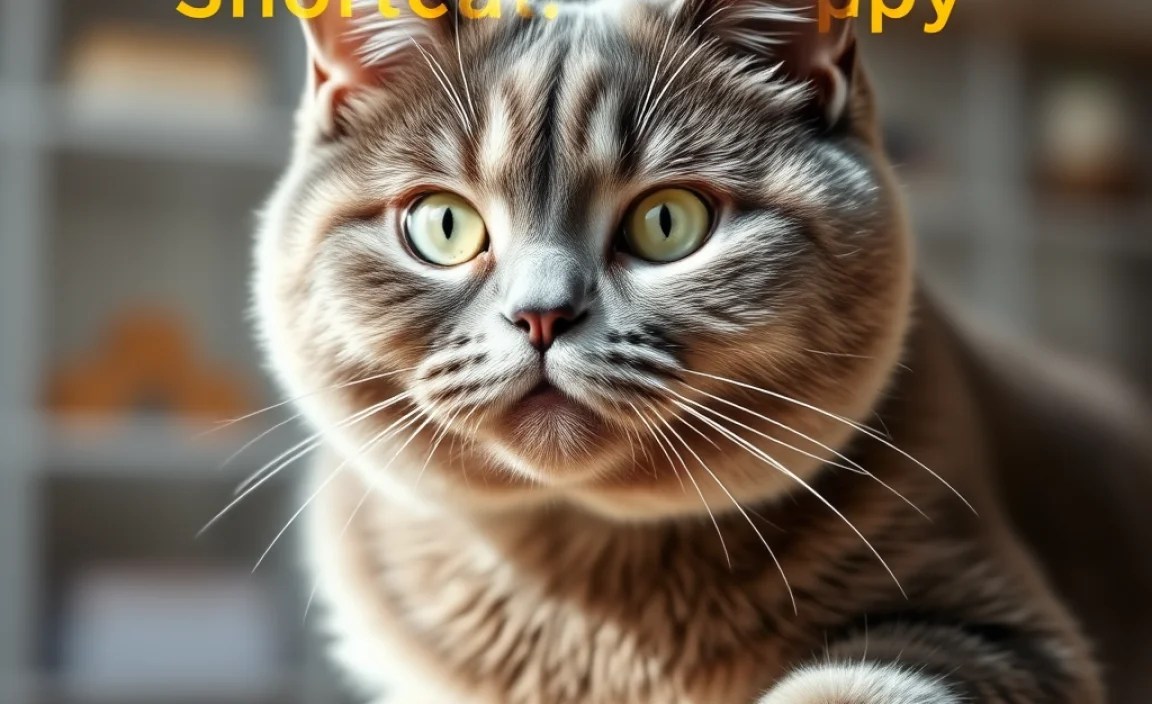
British Shorthairs aren’t as energetic as some other breeds, but they still need regular playtime to stay mentally and physically stimulated.
Interactive Play
Engage your cat in interactive play sessions using:
- Feather wands
- Laser pointers (use with caution, as some cats can become frustrated by the inability to “catch” the light)
- Toy mice
- Puzzle toys
Aim for at least 15-20 minutes of playtime per day, broken into shorter sessions.
Enrichment Activities
Provide opportunities for your cat to engage their natural instincts:
- Rotate toys regularly to keep them interested.
- Create a “hunting” experience by hiding treats around the house.
- Provide a window perch with a view of the outdoors.
- Consider a bird feeder outside the window to provide entertainment.
Social Interaction
While British Shorthairs are relatively independent, they still need social interaction with their human family. Spend time petting, talking to, and simply being near your cat. Learn their preferred ways of showing and receiving affection. Some cats enjoy being scratched behind the ears, while others prefer gentle strokes along their back.
Health and Wellness
Regular veterinary care is essential for maintaining your British Shorthair’s health and preventing potential problems.
Regular Vet Check-ups
Schedule annual check-ups with your veterinarian. These visits will include:
- A physical examination
- Vaccinations
- Parasite control (fleas, ticks, and worms)
- Dental check-up
Common Health Concerns
British Shorthairs are generally healthy, but they are prone to certain health issues:
- Hypertrophic Cardiomyopathy (HCM): A heart condition that can lead to heart failure.
- Polycystic Kidney Disease (PKD): A genetic condition that causes cysts to form on the kidneys.
- Obesity: Due to their laid-back nature and love of food, British Shorthairs can easily become overweight.
Early detection and treatment are crucial for managing these conditions. Talk to your veterinarian about screening and preventative measures.
Recognizing Signs of Illness
Be alert to any changes in your cat’s behavior or physical condition. Contact your veterinarian if you notice:
- Loss of appetite
- Lethargy
- Changes in litter box habits
- Vomiting or diarrhea
- Coughing or sneezing
- Difficulty breathing
- Weight loss or gain
Addressing Behavioral Issues
While British Shorthairs are generally well-behaved, they can sometimes develop behavioral issues. Understanding the cause is the first step in addressing the problem.
Common Behavioral Problems
- Scratching Furniture: This can be addressed by providing adequate scratching posts and redirecting the cat’s attention when they scratch furniture.
- Litter Box Avoidance: This can be caused by a dirty litter box, a medical condition, or stress.
- Aggression: This can be caused by fear, pain, or territoriality.
- Excessive Vocalization: This can be caused by boredom, attention-seeking, or a medical condition.
Seeking Professional Help
If you’re struggling to address a behavioral issue on your own, consult with your veterinarian or a certified cat behaviorist. They can help you identify the underlying cause of the problem and develop a tailored treatment plan.
Here’s a table summarizing common issues and potential solutions:
| Issue | Possible Cause | Solution |
|---|---|---|
| Scratching Furniture | Lack of scratching posts, stress | Provide more scratching options, reduce stress |
| Litter Box Avoidance | Dirty litter box, medical issue | Clean litter box, vet check-up |
| Excessive Vocalization | Boredom, attention-seeking | More playtime, interactive toys |
Senior Cat Care
As your British Shorthair enters their senior years (around age 10), their needs will change. You may need to adjust their diet, environment, and healthcare to accommodate their aging body.
Dietary Adjustments
Senior cats often benefit from a diet that is:
- Lower in calories to prevent weight gain
- Higher in fiber to aid digestion
- Enriched with supplements like glucosamine and chondroitin to support joint health
Environmental Modifications
Make it easier for your senior cat to access their favorite spots:
- Provide ramps or steps to help them reach high places.
- Use litter boxes with lower sides.
- Ensure their bed is warm and comfortable.
More Frequent Vet Visits
Schedule more frequent vet check-ups (every six months) to monitor their health and catch any age-related problems early.
FAQ: Keeping Your British Shorthair Happy
Here are some frequently asked questions about keeping a British Shorthair happy:
Q: How much playtime does a British Shorthair need?
A: Aim for at least 15-20 minutes of interactive play per day, broken into shorter sessions. British Shorthairs are not as energetic as some other breeds, but they still need regular playtime to stay mentally and physically stimulated.
Q: What kind of toys do British Shorthairs like?
A: British Shorthairs enjoy a variety of toys, including feather wands, toy mice, puzzle toys, and laser pointers (use with caution). Rotate toys regularly to keep them interested.
Q: How often should I groom my British Shorthair?
A: Brush your British Shorthair several times a week, ideally daily during shedding season (spring and fall). This will help prevent matting and hairballs.
Q: What are some signs that my British Shorthair is unhappy?
A: Signs of unhappiness in cats include loss of appetite, lethargy, changes in litter box habits, excessive vocalization, and hiding more than usual. If you notice any of these signs, consult with your veterinarian.
Q: Are British Shorthairs good with children and other pets?
A: Yes, British Shorthairs are generally good with children and other pets, provided they are properly socialized. They have a calm and gentle nature that makes them well-suited to family life. Always supervise interactions between cats and young children.
Q: How can I prevent my British Shorthair from becoming overweight?
A: Prevent obesity by feeding measured portions of high-quality cat food, avoiding free-feeding, and providing plenty of opportunities for exercise and play.
Q: Do British Shorthairs like to be held?
A: While affectionate, British Shorthairs aren’t typically lap cats. They prefer being near you rather than constantly held. Respect their boundaries and learn their preferred ways of showing and receiving affection.
Conclusion
Keeping a British Shorthair happy is all about understanding their unique needs and providing a loving, stimulating, and safe environment. By following the tips outlined in this guide, you can ensure your furry friend enjoys a long, healthy, and fulfilling life. Remember, a happy cat makes for a happy home!


