
Importance of regular grooming for overweight cats: Secret?

Have you ever seen a cat struggle to clean itself? Some cats have a hard time reaching certain spots. Overweight cats especially need our help. The importance of regular grooming for overweight cats cannot be overstated. It keeps them healthy and happy.
Did you know that grooming is more than just brushing? It is about checking for problems. It is also about bonding with your furry friend. Grooming can make a big difference in a cat’s life. Let’s find out why.
Key Takeaways
* Regular grooming prevents painful mats and skin problems in overweight cats.
* Brushing removes loose fur. This reduces hairballs and keeps cats comfortable.
* Grooming helps owners check for lumps, bumps, or other health issues early.
* The importance of regular grooming for overweight cats includes improved hygiene.
* Grooming provides a bonding experience. This strengthens the cat-owner relationship.
The Importance of Regular Grooming for Obese Cats

Overweight cats often struggle with grooming. They can’t reach their entire body. This can lead to matted fur. Matted fur is painful and can cause skin infections. Regular grooming helps prevent these issues. It keeps your cat’s coat clean and healthy. Brushing removes loose fur and debris. This helps your cat feel better. Grooming also allows you to check for any health problems. You can look for lumps, bumps, or skin irritations. Early detection is important for treating any potential issues. Regular grooming is an act of love and care. It shows your cat that you are paying attention to their needs.
* It prevents painful mats.
* It reduces hairballs.
* It helps detect health issues.
* It improves hygiene.
* It strengthens your bond.
Grooming isn’t just about looks. It’s about your cat’s well-being. Think of it like this: If you couldn’t shower or brush your hair, you’d feel pretty uncomfortable, right? Overweight cats can feel the same way. They need our help to stay clean and healthy. By making grooming a regular part of your routine, you’re helping your cat live a happier, more comfortable life. Plus, it’s a great way to spend quality time together. A well-groomed cat is a happy cat, and a happy cat makes for a happy home. Don’t underestimate the power of a good brushing session!
Fun Fact or Stat: Did you know that overweight cats are 4 times more likely to develop diabetes? Regular grooming can help you spot early signs of health problems related to obesity.
Why Can’t My Overweight Cat Reach?
Have you ever tried to touch your toes when you have a big belly? It’s hard! Overweight cats have the same problem. Their extra weight makes it difficult to bend and reach all parts of their body. This is especially true for their back, hind legs, and tail. When they can’t groom themselves properly, dirt and oil build up in their fur. This can cause mats and skin irritation. Regular grooming helps them stay clean and comfortable. It also prevents health problems. Think of it as helping them do what they can’t do on their own.
How Often Should I Groom My Overweight Cat?
How often do you brush your teeth? You should brush them every day, right? Well, grooming an overweight cat is similar. You should aim to groom them several times a week. Daily grooming is ideal. This helps prevent mats and keeps their coat clean. Short, frequent sessions are better than long, infrequent ones. This is because overweight cats can get tired easily. Make it a positive experience with treats and praise. Your cat will learn to enjoy grooming time. This makes it easier for both of you.
What Tools Do I Need to Groom My Cat?
Imagine trying to paint a picture without any brushes. You need the right tools! The same goes for grooming your cat. You’ll need a good brush. A slicker brush or a de-shedding tool works well. You might also need a comb to remove mats. A pair of blunt-nosed scissors is helpful for trimming matted fur. Be very careful not to cut your cat’s skin. Some cats enjoy being wiped down with a damp cloth. This helps remove dirt and dander. Find the tools that work best for your cat.
Preventing Matted Fur

Matted fur is a big problem for overweight cats. It can be painful and uncomfortable. Mats form when loose fur gets tangled. Overweight cats can’t reach to groom themselves. This allows mats to develop. Regular grooming prevents mats from forming. Brushing removes loose fur. This keeps the coat smooth and tangle-free. If mats do form, try to gently comb them out. If the mats are too large or tight, take your cat to a groomer. They can safely remove the mats without hurting your cat. Remember, prevention is key!
* Brush your cat regularly.
* Focus on areas they can’t reach.
* Use a de-matting comb.
* Trim matted fur carefully.
* Seek professional help if needed.
* Keep your cat at a healthy weight.
Imagine wearing a sweater that’s constantly tangled and pulling at your skin. That’s what matted fur feels like for a cat. It can be really irritating and even painful. By taking the time to groom your cat regularly, you’re preventing this discomfort. You’re also ensuring that their skin stays healthy and free from infection. Matted fur can trap moisture and dirt, creating a breeding ground for bacteria. So, grooming isn’t just about making your cat look good; it’s about keeping them healthy and comfortable too.
Fun Fact or Stat: Cats spend up to 50% of their waking hours grooming themselves. Overweight cats need our help to make up for what they can’t do!
What Are the Signs of Matted Fur?
Have you ever seen a cat with clumps of fur stuck together? That’s a sign of matted fur. The fur might look tangled or knotted. It might feel hard or crusty to the touch. Your cat might be scratching or biting at the matted areas. They might also seem uncomfortable or irritable. If you notice any of these signs, it’s important to take action. Gently try to comb out the mats. If they are too difficult to remove, seek professional help.
How Do I Remove Matted Fur?
Removing matted fur can be tricky. Be very gentle! Start by using a de-matting comb. Hold the base of the mat close to the skin. This prevents pulling. Gently work the comb through the mat. If the mat is too tight, use blunt-nosed scissors. Carefully cut the mat in half. Then, try to comb it out again. Be very careful not to cut your cat’s skin. If you’re not comfortable removing the mats yourself, take your cat to a groomer.
Can Matted Fur Cause Health Problems?
Imagine wearing shoes that are too tight. It would hurt your feet, right? Matted fur can cause similar problems for cats. It can pull on their skin and cause pain. It can also trap moisture and dirt. This can lead to skin infections. In severe cases, matted fur can restrict blood flow. This can cause tissue damage. Regular grooming prevents matted fur. This helps keep your cat healthy and comfortable.
| Problem | Description | Solution |
|---|---|---|
| Matted Fur | Tangled clumps of fur that pull on the skin. | Regular brushing and de-matting. |
| Skin Infections | Bacteria or fungi growing under matted fur. | Keep fur clean and dry; seek vet care. |
| Restricted Blood Flow | Severe matting can cut off circulation. | Professional grooming or vet care. |
| Pain and Discomfort | Pulling and irritation from matted fur. | Gentle grooming and mat removal. |
Checking for Skin Problems
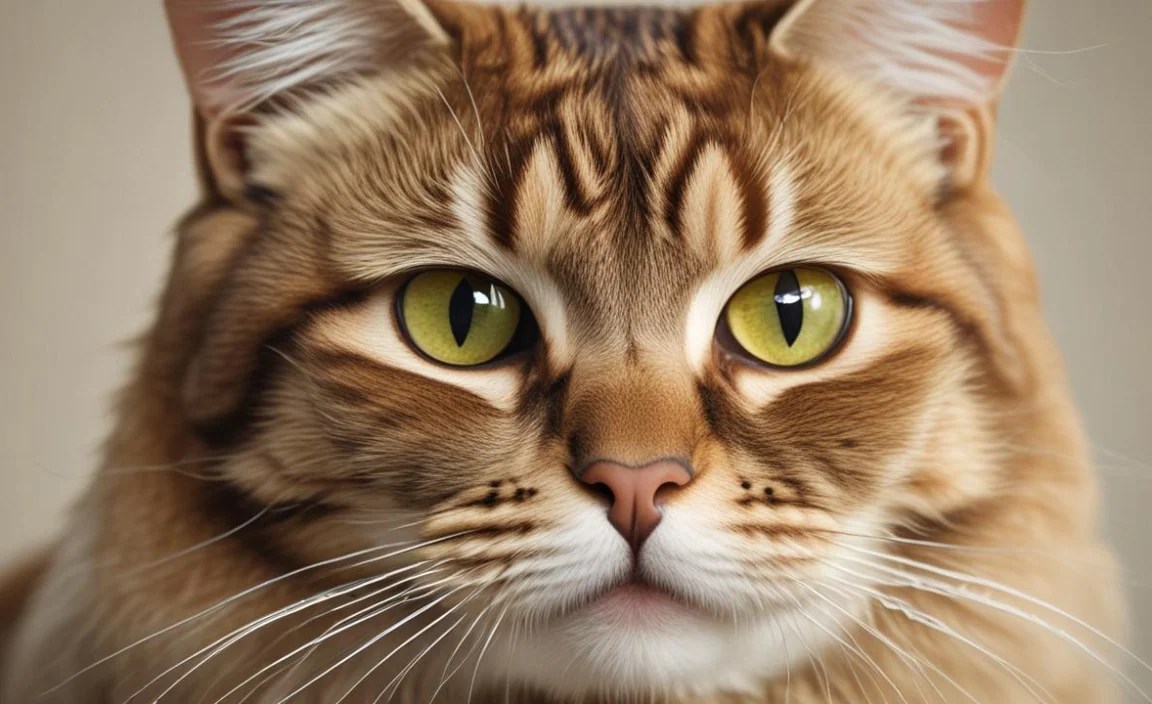
Grooming is a great time to check for skin problems. Overweight cats are prone to skin issues. They may have allergies or infections. While grooming, look for redness, bumps, or sores. Check for fleas or ticks. Part the fur to get a good look at the skin. If you notice anything unusual, talk to your vet. Early detection and treatment can prevent serious problems. Remember, a healthy coat starts with healthy skin.
* Look for redness.
* Check for bumps or sores.
* Search for fleas or ticks.
* Part the fur to see the skin.
* Note any unusual odors.
* Consult your vet if needed.
Imagine being a detective, but instead of solving crimes, you’re solving skin mysteries! That’s kind of what you’re doing when you groom your cat. You’re looking for clues that might indicate a problem. A little redness or a tiny bump might seem insignificant, but it could be a sign of something bigger. By paying close attention to your cat’s skin, you can catch problems early and get them treated before they become serious. Think of it as being a super-sleuth for your furry friend!
Fun Fact or Stat: Skin problems are one of the most common reasons cats visit the vet. Regular grooming can help you avoid these costly trips!
What Are Common Skin Problems in Cats?
Have you ever had an itchy rash? Cats can get them too! Common skin problems include allergies, infections, and parasites. Allergies can cause redness, itching, and hair loss. Infections can be caused by bacteria or fungi. Parasites like fleas and ticks can irritate the skin. These problems can make your cat uncomfortable. They can also lead to more serious health issues.
How Can I Prevent Skin Problems?
Imagine building a strong fortress to protect your kingdom. You can do the same for your cat’s skin! A healthy diet is key to preventing skin problems. Make sure your cat is eating high-quality food. Regular grooming helps remove dirt and allergens. This keeps the skin clean and healthy. Talk to your vet about flea and tick prevention. These parasites can cause skin irritation and transmit diseases.
What Should I Do If I Find a Skin Problem?
If you find a skin problem, don’t panic! The first step is to clean the affected area. Use a mild soap and water. Avoid harsh chemicals or perfumes. Then, contact your vet. They can diagnose the problem and recommend treatment. Do not try to treat the problem yourself. You could make it worse. Follow your vet’s instructions carefully.
Reducing Hairballs Through Grooming

Hairballs are a common problem for cats. They happen when cats swallow fur while grooming. The fur clumps together in the stomach. The cat then coughs up the hairball. Overweight cats may have more trouble grooming. They swallow more fur. Regular grooming helps reduce hairballs. Brushing removes loose fur. This prevents the cat from swallowing it. A healthy diet can also help. Some foods are designed to reduce hairballs.
* Brush your cat regularly.
* Use a de-shedding tool.
* Feed a hairball control diet.
* Provide plenty of water.
* Consider hairball treats.
* Monitor your cat for signs of hairballs.
Imagine your cat is a little knitting machine, constantly producing yarn (fur). When they groom themselves, they’re essentially swallowing some of that yarn. If they swallow too much, it can create a big knot in their tummy – a hairball! Regular grooming is like being a diligent yarn winder, preventing the knots from forming in the first place. By removing loose fur, you’re helping your cat avoid the unpleasant experience of coughing up a hairball. It’s a win-win situation: a happier cat and a cleaner home!
Fun Fact or Stat: Cats can spend up to 25% of their day grooming. That’s a lot of fur they’re swallowing!
What Are the Signs of Hairballs?
Have you ever seen your cat hacking and gagging? That could be a sign of hairballs. Other signs include vomiting, constipation, and loss of appetite. Your cat might also have a bloated stomach. If you notice these signs, talk to your vet. They can help you manage your cat’s hairballs.
How Does Grooming Reduce Hairballs?
Imagine you’re cleaning up a pile of leaves before they blow into your house. Grooming does the same thing for your cat! It removes loose fur before your cat can swallow it. This reduces the amount of fur in their stomach. Less fur means fewer hairballs. Regular brushing is a simple way to prevent this problem.
Are There Other Ways to Reduce Hairballs?
Besides grooming, there are other ways to reduce hairballs. Hairball control diets contain extra fiber. This helps move the fur through the digestive system. Hairball treats contain lubricants. These also help the fur pass through. Talk to your vet about the best options for your cat.
Promoting Better Circulation
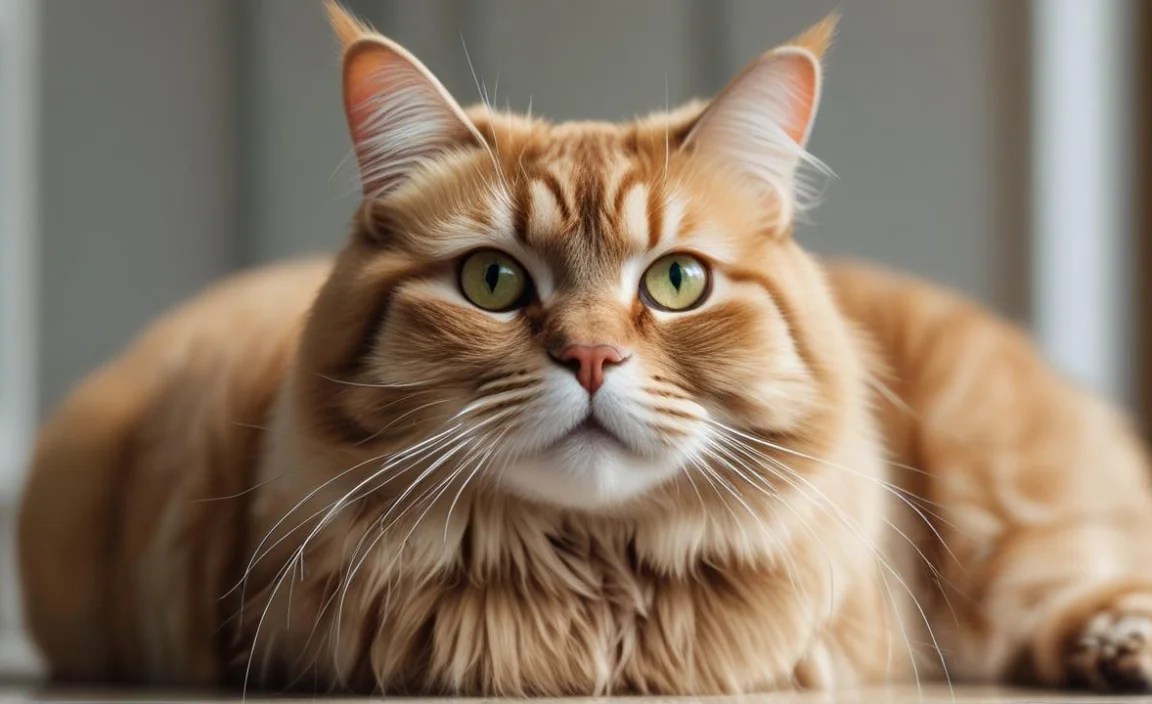
Regular grooming can promote better circulation. Brushing stimulates the skin. This increases blood flow. Good circulation is important for overall health. It helps deliver nutrients to the skin and fur. It also helps remove waste products. Overweight cats may have poor circulation. Grooming can help improve it.
* Brush gently but firmly.
* Use a brush with soft bristles.
* Massage the skin while brushing.
* Focus on areas with poor circulation.
* Keep your cat active.
* Provide a healthy diet.
Imagine your body is a garden, and your blood is the water that nourishes all the plants (your cells). Good circulation is like having a well-functioning irrigation system, ensuring that every plant gets the water it needs. Grooming is like gently tilling the soil, loosening it up and allowing the water to flow more freely. By stimulating the skin with brushing, you’re helping to improve your cat’s circulation, ensuring that all their cells get the nutrients they need to thrive.
Fun Fact or Stat: Cats have about 20,000 hairs per square inch on their body! Brushing helps keep all those hairs healthy and well-nourished.
How Does Brushing Improve Circulation?
Have you ever rubbed your arms when you were cold? It warms you up, right? Brushing does something similar for cats. It stimulates the blood vessels in the skin. This increases blood flow. The increased blood flow brings more oxygen and nutrients to the skin cells. This helps keep the skin and fur healthy.
What Are the Signs of Poor Circulation?
Imagine your fingers turning blue when you’re cold. That’s a sign of poor circulation! In cats, signs of poor circulation include cold paws, pale gums, and lethargy. They might also have slow wound healing. If you notice these signs, talk to your vet.
Can Exercise Improve Circulation Too?
Just like people, cats need exercise to stay healthy. Exercise helps improve circulation. It strengthens the heart and blood vessels. It also helps maintain a healthy weight. Encourage your cat to play. Provide toys and climbing structures. This will help them stay active and improve their circulation.
Strengthening the Bond with Your Cat
Grooming is a great way to bond with your cat. It’s a time for close interaction. Many cats enjoy being brushed. It feels good to them. Grooming can be a relaxing and enjoyable experience. It can also help build trust between you and your cat. The importance of regular grooming for overweight cats extends beyond physical health. It also improves their emotional well-being.
* Create a calm environment.
* Speak softly and gently.
* Use positive reinforcement.
* Start with short sessions.
* Find what your cat enjoys.
* Be patient and consistent.
Imagine you’re learning a new language. The more you practice and interact with native speakers, the better you become at it. Grooming is like learning your cat’s language. It’s a way of communicating with them through touch and attention. The more you groom them, the better you understand their preferences and needs. This strengthens the bond between you and your cat, creating a deeper connection.
Fun Fact or Stat: Cats purr not only when they’re happy but also when they’re stressed or in pain. Grooming can help them relax and reduce stress, leading to more happy purrs!
How Can I Make Grooming a Positive Experience?
Have you ever been forced to do something you didn’t like? It wasn’t very fun, right? The same goes for cats. To make grooming a positive experience, start slowly. Use gentle strokes. Offer treats and praise. Stop if your cat becomes stressed. Over time, they will learn to associate grooming with positive things.
What If My Cat Doesn’t Like Being Groomed?
Some cats don’t like being groomed. If your cat is resistant, don’t force it. Start with short sessions. Focus on areas they enjoy being touched. Try different brushes to see what they prefer. You can also try distracting them with treats or toys. Be patient and persistent.
What Are Other Ways to Bond with My Cat?
Besides grooming, there are other ways to bond with your cat. Play with them using toys. Provide scratching posts. Spend time petting and cuddling them. Talk to them in a soft voice. Learn their body language. This will help you understand their needs and preferences.
Summary
Regular grooming is very important for overweight cats. They often cannot groom themselves well. This can lead to matted fur and skin problems. Grooming helps prevent these issues. It also allows you to check for health problems. Brushing reduces hairballs and improves circulation. Grooming is a great way to bond with your cat. The importance of regular grooming for overweight cats extends to their physical and emotional health. It keeps them clean, comfortable, and happy. Make grooming a regular part of your routine.
Conclusion
The importance of regular grooming for overweight cats is clear. It’s not just about keeping them looking good. It’s about their health and well-being. Overweight cats need our help to stay clean and comfortable. Grooming prevents mats, reduces hairballs, and improves circulation. It also allows you to check for skin problems and other health issues. Make grooming a regular part of your routine. Your cat will thank you for it.
Frequently Asked Questions
Question No 1: How often should I groom my overweight cat?
Answer: You should aim to groom your overweight cat several times a week. Daily grooming is ideal, but even a few times a week can make a big difference. Short, frequent sessions are better than long, infrequent ones. This is because overweight cats can tire easily. Focus on areas they can’t reach, such as their back and hind legs. Regular grooming will help prevent mats and keep their coat clean and healthy. Remember, consistency is key!
Question No 2: What tools do I need to groom my overweight cat?
Answer: You’ll need a few essential tools to groom your overweight cat. A good brush is a must. A slicker brush or a de-shedding tool works well for removing loose fur. You might also need a comb to detangle any mats. A pair of blunt-nosed scissors is helpful for trimming matted fur. Be very careful not to cut your cat’s skin. Some cats enjoy being wiped down with a damp cloth. This helps remove dirt and dander. Experiment to find the tools that work best for your cat.
Question No 3: My cat hates being groomed. What can I do?
Answer: If your cat hates being groomed, don’t force it. Start slowly. Begin with short sessions. Focus on areas they enjoy being touched, such as their head or chin. Use gentle strokes and speak softly. Offer treats and praise during the grooming session. This will help them associate grooming with positive things. Try different brushes to see what they prefer. Be patient and persistent. Over time, they may learn to tolerate grooming. The importance of regular grooming for overweight cats means it’s worth trying to make it a positive experience!
Question No 4: How can I tell if my cat has a skin problem?
Answer: There are several signs that your cat might have a skin problem. Look for redness, bumps, or sores on their skin. Check for excessive scratching or licking. Part their fur to get a good look at their skin. Note any unusual odors. If you notice any of these signs, contact your vet. Early detection and treatment can prevent serious problems. Regular grooming allows you to check your cat’s skin regularly.
Question No 5: What are the benefits of grooming besides preventing mats?
Answer: Besides preventing mats, grooming has many other benefits. It reduces hairballs by removing loose fur. It improves circulation by stimulating the skin. It allows you to check for health problems like lumps or skin irritations. It strengthens the bond between you and your cat. Grooming is a relaxing and enjoyable experience for many cats. The importance of regular grooming for overweight cats is tied to their overall well-being.
Question No 6: Can grooming help my overweight cat lose weight?
Answer: While grooming itself won’t directly cause your cat to lose weight, it can be part of a weight management plan. Regular grooming can make your cat more comfortable and active. This can encourage them to move around more. A healthy diet and exercise are the most important factors for weight loss. Talk to your vet about the best way to help your cat lose weight safely and effectively. Remember, the importance of regular grooming for overweight cats is to keep them healthy and comfortable during their weight loss journey.


