
Easy British Shorthair Cat Exercise Routine

A British Shorthair cat exercise routine should involve at least 15-20 minutes of active play per day, split into several shorter sessions. Focus on interactive games like chasing toys, using puzzle feeders, and creating climbing opportunities to keep your cat physically and mentally stimulated. Regular exercise helps prevent obesity and boredom in this laid-back breed.
Is your British Shorthair spending a little *too* much time napping? It’s easy for these lovely cats to become couch potatoes. British Shorthairs are known for their calm, relaxed nature. However, like all cats, they need regular exercise to stay healthy and happy. Without enough activity, they can become overweight or bored, which can lead to health and behavioral issues.
Don’t worry! Getting your British Shorthair moving doesn’t have to be a chore. This guide will walk you through creating a fun and effective exercise routine that fits your cat’s personality and lifestyle. We’ll cover everything from interactive games to environmental enrichment, ensuring your furry friend stays fit, engaged, and purr-fectly content. Let’s get started and turn playtime into a joyful part of your day!
Why Exercise is Important for Your British Shorthair

As a breed, British Shorthairs are predisposed to certain health issues if they don’t get enough exercise. Let’s look at why an exercise routine is essential for your British Shorthair’s overall well-being.
Health Benefits
Regular physical activity offers numerous health advantages for your British Shorthair:
- Weight Management: British Shorthairs are prone to weight gain. Exercise helps burn calories and maintain a healthy weight, reducing the risk of obesity-related problems like diabetes and joint issues.
- Cardiovascular Health: Exercise strengthens your cat’s heart and improves circulation, promoting overall cardiovascular health.
- Joint Health: Regular movement keeps your cat’s joints lubricated and flexible, which can prevent arthritis and other joint problems, especially as they age.
- Muscle Tone: Exercise helps build and maintain muscle mass, supporting your cat’s strength and agility.
Behavioral Benefits
Besides physical health, exercise also plays a crucial role in your cat’s mental and emotional well-being:
- Reduces Boredom: A lack of stimulation can lead to boredom, which often results in destructive behaviors like scratching furniture or excessive grooming. Exercise provides mental stimulation and keeps your cat engaged.
- Decreases Stress and Anxiety: Physical activity releases endorphins, which have mood-boosting effects. This can help reduce stress and anxiety in your cat, leading to a calmer and happier demeanor.
- Satisfies Natural Instincts: Cats are natural hunters. Playtime allows them to stalk, chase, and pounce, satisfying their innate predatory instincts in a safe and controlled environment.
- Strengthens the Bond: Interactive play sessions strengthen the bond between you and your British Shorthair. It’s a great way to spend quality time together and build trust.
Understanding Your British Shorthair’s Exercise Needs

British Shorthairs typically have a moderate energy level compared to some other breeds. They enjoy playing but are equally content with lounging around. Here’s how to tailor an exercise routine to meet their specific needs:
Assessing Your Cat’s Current Activity Level
Before starting an exercise plan, observe your cat’s daily habits. How much do they currently play? Do they initiate play, or do they mostly sleep? This assessment helps you understand their baseline activity level and adjust your approach accordingly.
Age and Health Considerations
A kitten’s exercise needs differ from those of a senior cat. Kittens have boundless energy and require frequent, short play sessions. Senior cats may have joint issues or other health concerns that limit their mobility. Consult your vet before starting an exercise routine for an older cat or one with health problems. According to the RSPCA, always adjust the intensity and duration of exercise based on your cat’s individual capabilities.
Typical British Shorthair Temperament
British Shorthairs are known for their easygoing and affectionate nature. They’re not as demanding as some breeds but still need attention and stimulation. They often enjoy interactive games but may not be as enthusiastic about high-energy activities like running long distances. Understanding their temperament helps you choose activities they’ll enjoy and participate in willingly.
Creating the Perfect Exercise Routine
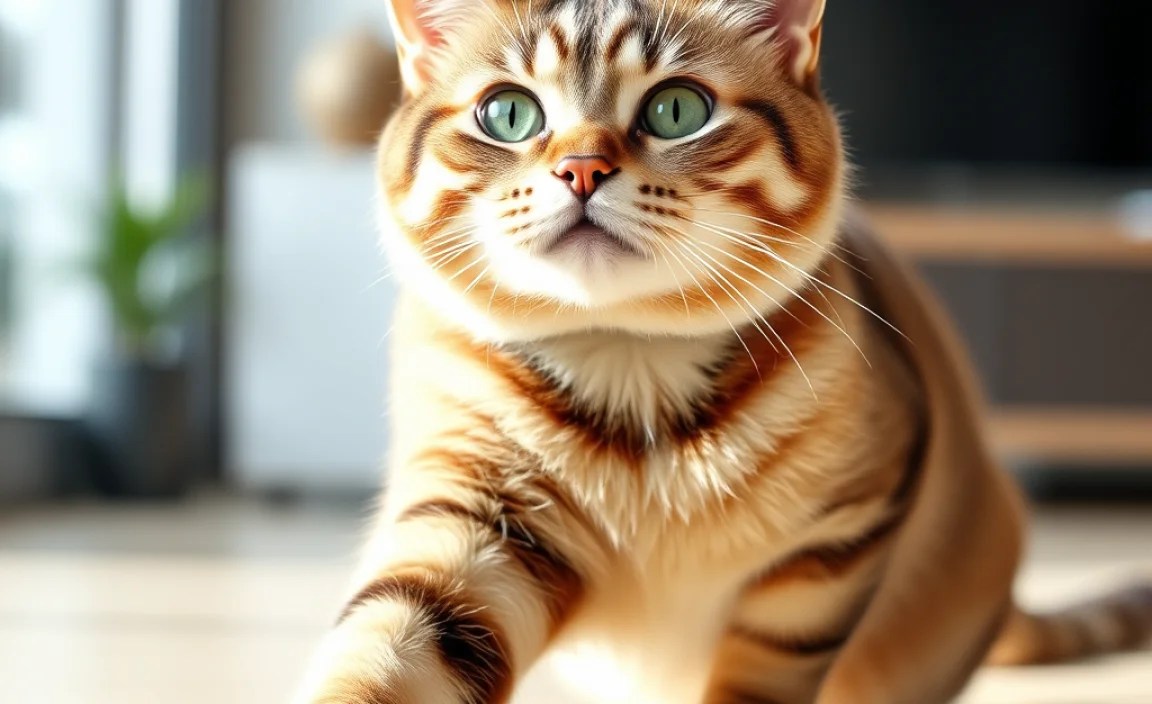
Now that you understand the importance of exercise and your cat’s specific needs, let’s create a routine. A well-rounded plan includes a mix of interactive play, environmental enrichment, and solo activities.
Interactive Play Sessions
Interactive play is one of the best ways to engage your British Shorthair. These sessions involve you directly playing with your cat, using toys and games to stimulate their hunting instincts.
Types of Interactive Toys
Here are some popular interactive toys that British Shorthairs love:
- Wand Toys: These toys consist of a wand with a string or wire attached, with a feather, mouse, or other enticing object at the end. Wave the wand around to mimic the movements of prey, encouraging your cat to chase, pounce, and bat at the toy.
- Laser Pointers: Laser pointers can provide great exercise as your cat will love chasing the light. However, always end the session by pointing the laser at a tangible toy so your cat can “catch” something.
- Toy Mice: Small, lightweight toy mice are perfect for tossing and chasing. Look for ones with catnip to make them even more appealing.
- Puzzle Toys: Puzzle toys challenge your cat mentally and physically. These toys require your cat to solve a puzzle to get a treat or toy, keeping them engaged and entertained.
Tips for Engaging Play
To make play sessions more enjoyable and effective, keep these tips in mind:
- Keep it Varied: Rotate toys regularly to keep your cat interested. Cats can get bored with the same toys, so introducing new ones or bringing back old favorites can keep them engaged.
- Mimic Natural Prey: Move the toys in ways that mimic the movement of real prey. Vary the speed and direction, and let your cat “catch” the toy occasionally to satisfy their hunting instincts.
- End on a High Note: Always end the play session with your cat successfully catching the toy. This reinforces the positive experience and leaves them feeling satisfied.
- Timing is Key: Choose times when your cat is most active. Many cats are more playful in the morning or evening.
Environmental Enrichment
Environmental enrichment involves making your cat’s living space more stimulating and engaging. This can help prevent boredom and encourage physical activity even when you’re not actively playing with them.
Climbing Structures
Cats love to climb. Providing climbing structures allows them to satisfy their natural instincts and get some exercise. Consider these options:
- Cat Trees: Cat trees come in various sizes and designs, offering multiple levels for climbing, scratching posts, and cozy spots for resting.
- Shelves: Install shelves on the walls to create a climbing pathway. Make sure the shelves are sturdy and securely mounted.
- Window Perches: Cats love to watch the world outside. A window perch provides a comfortable spot for them to observe birds, squirrels, and other outdoor activities.
Scratching Posts
Scratching is a natural behavior for cats. It helps them maintain their claws, stretch their muscles, and mark their territory. Provide a variety of scratching posts to encourage this behavior and protect your furniture.
- Vertical Posts: These are tall posts covered in sisal rope or carpet. They allow your cat to stretch fully while scratching.
- Horizontal Scratchers: These can be made of cardboard, sisal, or carpet. Some cats prefer scratching horizontally.
- Angled Scratchers: These offer a different scratching angle and can be a good option for cats with mobility issues.
Creating a Stimulating Environment
Here are additional ways to enrich your cat’s environment:
- Rotate Toys: Keep a selection of toys and rotate them regularly to keep your cat interested.
- Provide Hiding Places: Cats like to have safe places where they can retreat and feel secure. Provide boxes, tunnels, or covered beds where they can hide.
- Use Food Puzzles: Food puzzles require your cat to work for their food, providing mental stimulation and slowing down their eating.
Solo Activities for Your Cat
While interactive play and environmental enrichment are important, it’s also beneficial to provide opportunities for your cat to exercise on their own. This can be especially helpful if you’re not always available to play with them.
Self-Play Toys
Self-play toys are designed to entertain your cat even when you’re not around. Here are some popular options:
- Interactive Balls: These balls light up, make noise, or dispense treats as they roll, encouraging your cat to chase and bat at them.
- Motion-Activated Toys: These toys turn on when your cat approaches, providing a sudden burst of activity that can pique their interest.
- Catnip Toys: Catnip can stimulate playful behavior in many cats. Offer catnip-filled toys for them to enjoy on their own.
Creating Opportunities for Exploration
Encourage your cat to explore their environment by:
- Opening New Areas: Occasionally open up a new room or area for your cat to explore. Make sure the area is safe and free of hazards.
- Changing the Layout: Rearrange furniture or add new elements to their environment to create a sense of novelty.
- Hiding Treats: Hide treats around the house to encourage your cat to search and explore.
Sample Exercise Routines
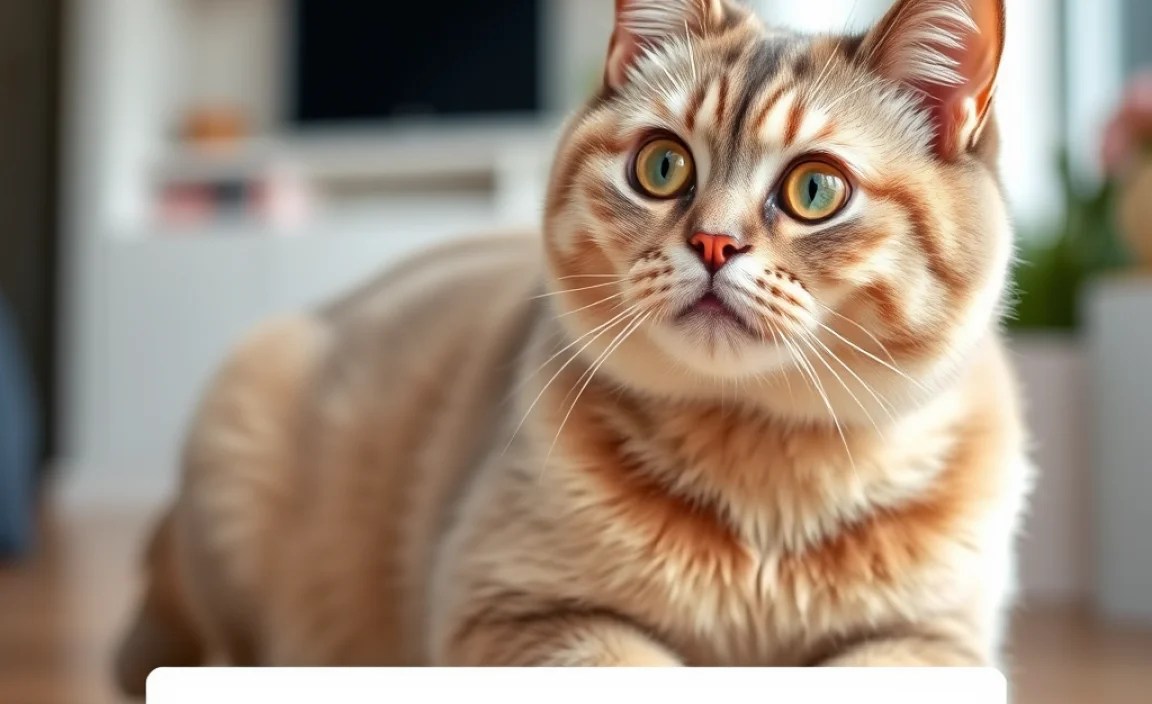
To help you get started, here are a few sample exercise routines you can adapt to fit your cat’s needs and your schedule:
Routine for Kittens
| Time | Activity | Duration |
|---|---|---|
| Morning | Interactive play with a wand toy | 10 minutes |
| Afternoon | Puzzle feeder with a small meal | Ongoing |
| Evening | Chasing toy mice | 10 minutes |
| Throughout the day | Access to climbing structures and scratching posts | Ongoing |
Routine for Adult Cats
| Time | Activity | Duration |
|---|---|---|
| Morning | Interactive play with a laser pointer | 10 minutes |
| Afternoon | Self-play with interactive balls | Ongoing |
| Evening | Wand toy play ending with a “catch” | 10 minutes |
| Throughout the day | Access to window perch and rotated toys | Ongoing |
Routine for Senior Cats
| Time | Activity | Duration |
|---|---|---|
| Morning | Gentle play with a soft toy | 5 minutes |
| Afternoon | Puzzle feeder with a small meal | Ongoing |
| Evening | Slowly moving laser pointer for short chase | 5 minutes |
| Throughout the day | Easy access to scratching posts and comfortable resting spots | Ongoing |
Monitoring Progress and Adjusting the Routine

It’s essential to monitor your cat’s progress and adjust the exercise routine as needed. Pay attention to their behavior, weight, and overall health to ensure the routine is effective and enjoyable.
Signs of a Successful Routine
Here are some signs that your exercise routine is working:
- Healthy Weight: Your cat maintains a healthy weight and body condition. You should be able to feel their ribs without excessive fat covering them.
- Increased Playfulness: Your cat is more active and engaged in play. They may initiate play more often and show more enthusiasm during play sessions.
- Reduced Destructive Behaviors: Your cat exhibits fewer destructive behaviors like scratching furniture or excessive grooming.
- Improved Mood: Your cat seems happier and more relaxed. They may purr more often and seek out more interaction with you.
Addressing Challenges
If you encounter challenges, such as your cat not being interested in certain toys or activities, don’t get discouraged. Here are some tips for addressing common issues:
- Try Different Toys: Experiment with different types of toys to find what your cat enjoys most.
- Adjust the Timing: Try playing with your cat at different times of the day to see when they’re most receptive.
- Consult Your Vet: If your cat is resistant to exercise or shows signs of pain or discomfort, consult your vet to rule out any underlying health issues.
Safety Considerations
While exercise is beneficial, it’s important to prioritize your cat’s safety. Here are some safety considerations to keep in mind:
Choosing Safe Toys
Always choose toys that are safe for your cat. Avoid toys with small parts that can be swallowed, and regularly inspect toys for damage. Discard any toys that are broken or worn out.
Creating a Safe Play Environment
Ensure the play area is free of hazards. Remove any toxic plants, chemicals, or other dangerous items. Supervise your cat during play sessions to prevent accidents.
Avoiding Overexertion
Don’t push your cat too hard, especially if they’re not used to exercise. Start with short play sessions and gradually increase the duration and intensity. Watch for signs of fatigue, such as panting, excessive drooling, or reluctance to continue playing. According to the TICA, it’s best to let your cat lead the way and stop when they’re ready.
British Shorthair Cat Exercise Routine – FAQs
Here are some frequently asked questions about exercising your British Shorthair:
How much exercise does a British Shorthair cat need daily?
A British Shorthair typically needs about 15-20 minutes of active play each day. This can be split into two or three shorter sessions. Remember, every cat is different, so adjust the duration based on your cat’s energy level and age.
What are some signs that my British Shorthair isn’t getting enough exercise?
Signs include weight gain, decreased activity, destructive behaviors like scratching furniture, excessive grooming, and changes in appetite. If you notice these signs, increase their daily activity and enrichment.
Is it okay to use a laser pointer for exercise?
Yes, laser pointers can be a great way to get your cat moving. However, always end the session by pointing the laser at a tangible toy so your cat can “catch” something. This satisfies their hunting instincts and prevents frustration.
How can I encourage my British Shorthair to use a scratching post?
Place the scratching post in a prominent location, such as near their sleeping area or favorite spot. You can also rub catnip on the post or dangle a toy near it to attract their attention. Reward them with treats or praise when they use the post.
What are some good puzzle toys for British Shorthairs?
Good options include treat-dispensing balls, puzzle feeders that require your cat to manipulate compartments to get food, and interactive toys with hidden treats. Start with easy puzzles and gradually increase the difficulty as your cat gets better at solving them.
My British Shorthair is overweight. How can I help them lose weight through exercise?
Start with short, frequent play sessions and gradually increase the duration and intensity. Use toys that encourage them to move, such as wand toys or laser pointers. Also, consider using a food puzzle to slow down their eating and make them work for their meals. Always consult your vet for personalized advice.
Can senior British Shorthairs still exercise?
Yes! Senior cats benefit from gentle exercise to maintain joint health and muscle tone. Opt for low-impact activities like short play sessions with soft toys or slow-moving laser pointers. Make sure they have easy access to comfortable resting spots and avoid pushing them too hard. Consult your vet for specific recommendations.
Conclusion
Creating an effective exercise routine for your British Shorthair doesn’t have to be complicated. By understanding their specific needs and preferences, you can design a plan that keeps them physically and mentally stimulated. Remember to incorporate interactive play, environmental enrichment, and solo activities to provide a well-rounded approach. Monitor their progress, adjust the routine as needed, and always prioritize their safety. With a little effort and creativity, you can help your British Shorthair live a happy, healthy, and fulfilling life.


