
Cat breeds that adapt quickly to new environments: Find Yours!

Have you ever moved to a new house? It can be scary! New smells and sounds can be a lot to take in. Some cats are the same way. They get stressed in new places. But some cat breeds that adapt quickly to new environments handle change like pros. They walk in and own the place right away! Which cats are these brave explorers? Let’s find out which cats adjust fastest.
Some cats hide under the bed for days. Other cats are ready to play right away. These cats are social and curious. They are not afraid of new things. If you move a lot, you need one of these cats. They will make your new house feel like home.
Are you ready to learn about easy-going cats? Do you want a cat that loves adventure? Then keep reading! We will explore the best cats for new homes. These cats are ready for anything!
Key Takeaways
- Some cat breeds that adapt quickly to new environments are great for people who move often.
- The Abyssinian is curious and loves to explore new places without fear.
- The Ragdoll is a relaxed cat that can adapt well to different living situations.
- The Burmese is friendly and enjoys meeting new people, which helps them adjust quickly.
- Socialization is key; exposing kittens to new things makes them adaptable adults.
Top Cat Breeds: Adapting to New Homes

Moving can be tough on cats. New smells, layouts, and sounds can stress them out. However, some cat breeds that adapt quickly to new environments handle these changes better than others. These cats are usually more social and curious. They are also less territorial and more open to new experiences. Choosing the right breed can make moving easier for both you and your furry friend. For example, the Abyssinian is known for its curiosity and intelligence. This breed enjoys exploring and is not easily frightened by new surroundings. Similarly, the Burmese is a social cat that loves meeting new people, which helps them adapt to new homes quickly. Understanding these traits can help you pick a cat that will thrive in any environment. These adaptable breeds often bring joy and comfort wherever they go.
- Abyssinians are curious and love to explore.
- Burmese cats are friendly and social.
- Ragdolls are relaxed and easy-going.
- Siamese cats are vocal and interactive.
- American Shorthairs are adaptable and hardy.
Selecting a cat breed that adapts well is only part of the equation. How you prepare your cat for the move and help them adjust to their new home is also crucial. Creating a safe space for your cat with familiar items like their bed, toys, and scratching post can ease their transition. Introducing them to new rooms gradually and spending extra time playing and cuddling can also help. With the right breed and proper preparation, moving can be a positive experience for both you and your cat. Remember, patience and understanding are key to helping your cat feel secure and loved in their new environment. Soon enough, they will be exploring and making themselves at home.
How Does Socialization Affect Adaptability?
Early socialization plays a huge role. Kittens exposed to various sights, sounds, and people are more likely to be confident and adaptable as adults. Imagine a kitten who only knows their mother and a quiet room. When they move to a busy house, they might be scared. But a kitten who has met many people and seen many places will likely be more relaxed. Socialization teaches kittens that new experiences are not necessarily scary. They learn to trust and explore. This early training makes them better at handling new environments later in life. So, if you want a cat that adapts quickly, choose a kitten that has been well-socialized. Ask the breeder or shelter about the kitten’s history. A well-socialized kitten is a happy, adaptable cat.
Why Are Some Breeds More Adaptable?
Genetics play a big part in a cat’s personality. Some breeds are naturally more curious and social. For instance, Abyssinians are known for their intelligence and curiosity. They love to explore and investigate new things. This makes them less likely to be afraid of new environments. Other breeds, like Ragdolls, are bred to be relaxed and docile. They are not easily stressed by change. These genetic predispositions make certain breeds more adaptable. However, every cat is an individual. Even within a breed, some cats will be more adaptable than others. But knowing the general traits of a breed can help you choose a cat that is likely to adjust well to new homes. Consider the breed’s history and temperament when making your decision.
What Makes a Home Cat-Friendly?
Creating a cat-friendly home is essential for any cat, especially one adjusting to a new environment. Think about what cats need to feel safe and comfortable. They need high places to climb and observe. They need scratching posts to keep their claws healthy. They need quiet places to retreat when they feel overwhelmed. A cat tree near a window is a great addition. It allows them to watch the world outside. Provide plenty of toys for them to play with. Offer fresh water and food in a quiet spot. A clean litter box is also a must. By meeting these basic needs, you can create a home where your cat feels secure and happy. A cat-friendly home makes adapting to a new environment much easier.
Fun Fact or Stat: Studies show that cats who have scratching posts are less likely to scratch furniture!
Social Cat Breeds: Easing the Transition

Social cat breeds tend to adjust more quickly to new environments. These cats enjoy interacting with people and exploring their surroundings. Their friendly nature helps them overcome the stress of moving. They are often curious and eager to investigate new places. This curiosity makes them less likely to hide or become fearful. For example, the Burmese is known for its social nature and love of people. They often greet visitors at the door and enjoy being part of the family. Similarly, the Siamese is a vocal and interactive breed that thrives on attention. These social cats are more likely to adapt quickly and become comfortable in their new homes. Their outgoing personalities make them excellent companions for families who move frequently. They bring a sense of joy and comfort wherever they go.
- Burmese cats love meeting new people.
- Siamese cats are vocal and interactive.
- Tonkinese cats are affectionate and playful.
- Maine Coons are gentle giants and friendly.
- Bombay cats are social and enjoy attention.
When introducing a social cat to a new home, it is important to provide plenty of opportunities for interaction. Spend time playing with your cat, talking to them, and offering affection. This will help them feel secure and loved. Also, introduce them to new people gradually. Allow them to approach on their own terms. Avoid forcing interaction. With patience and understanding, your social cat will quickly adapt to their new environment. They will soon be exploring every corner of the house and making themselves at home. A social cat can bring a lot of joy and companionship to a new home. Their friendly nature makes them a welcome addition to any family.
How Does a Cat’s Personality Help?
A cat’s personality is a big factor. Some cats are naturally more confident and curious. These cats tend to handle new situations better. They are not easily scared by new sounds or smells. They are eager to explore and investigate. Other cats are more timid and cautious. These cats may take longer to adjust to a new home. They might hide or become withdrawn. A confident cat will likely bounce back quickly after a move. They will be ready to play and explore in no time. A timid cat will need more time and patience. Understanding your cat’s personality can help you support them during the transition. Choose a cat with a personality that matches your lifestyle and moving habits.
What Are the Signs of a Stressed Cat?
It’s important to know the signs of stress in cats. Stress can make it harder for them to adapt. A stressed cat may hide, stop eating, or become aggressive. They may also groom themselves excessively or stop using the litter box. Look for changes in your cat’s behavior. If you notice any of these signs, take steps to reduce their stress. Provide a safe and quiet space for them to retreat to. Spend extra time playing and cuddling with them. Consider using a calming pheromone spray or diffuser. If their stress continues, consult with a veterinarian. Recognizing and addressing stress early can help your cat adapt more quickly. A relaxed cat is a happy cat, and a happy cat adapts more easily.
How Can You Make the Transition Easier?
There are many ways to make the transition easier for your cat. Start by creating a safe room. This is a small, quiet space where your cat can retreat to. Fill it with familiar items like their bed, toys, and food. Keep the litter box clean and accessible. Introduce your cat to the rest of the house gradually. Allow them to explore at their own pace. Avoid forcing them to interact with new people or pets. Spend extra time playing and cuddling with your cat. This will help them feel secure and loved. With patience and understanding, you can help your cat adjust to their new home quickly and easily. A smooth transition sets the stage for a happy and healthy life in their new environment.
Fun Fact or Stat: Cats can sleep up to 16 hours a day!
Reducing Stress: Helping Cats Adjust Quickly

Reducing stress is key to helping cat breeds that adapt quickly to new environments. A stressed cat is less likely to explore and adapt. They may hide, stop eating, or become aggressive. Creating a calm and predictable environment can help reduce stress. Use calming pheromone sprays or diffusers. These products mimic natural cat pheromones. They can help cats feel more secure and relaxed. Provide plenty of vertical space for your cat to climb and explore. This can help them feel safe and in control. Avoid sudden changes in routine. Feed your cat at the same time each day. Keep the litter box clean and accessible. With a little effort, you can create a stress-free environment that promotes adaptation and well-being. A relaxed cat is a happy cat, and a happy cat adjusts more easily.
- Use calming pheromone sprays or diffusers.
- Provide vertical space for climbing.
- Maintain a consistent routine.
- Keep the litter box clean.
- Spend quality time with your cat.
Another way to reduce stress is to provide plenty of enrichment. Enrichment refers to anything that stimulates your cat’s mind and body. This can include toys, scratching posts, and interactive feeders. Rotate toys regularly to keep things interesting. Provide opportunities for your cat to hunt and play. This can help them release pent-up energy and reduce stress. Consider using a puzzle feeder. This requires your cat to work for their food. It can provide mental stimulation and prevent boredom. A bored cat is more likely to become stressed and anxious. By providing plenty of enrichment, you can help your cat stay happy and healthy, which makes adapting to new environments much easier. A stimulated cat is a happy cat.
What Are Calming Pheromones?
Calming pheromones are like secret messages for cats. Cats release these chemicals to communicate. Synthetic pheromones mimic these natural signals. They can help cats feel safe and secure. You can find these pheromones in sprays and diffusers. Spray them in areas where your cat spends time. The diffuser plugs into an outlet. It releases pheromones into the air. These products can be very helpful during a move. They can reduce stress and anxiety. This makes it easier for your cat to adapt to their new home. Calming pheromones are a simple and effective way to support your cat’s well-being. They create a more peaceful and relaxing environment.
How Does Routine Help Cats?
Cats are creatures of habit. They thrive on routine and predictability. A consistent routine helps them feel safe and secure. Feed your cat at the same time each day. Clean the litter box regularly. Play with your cat at the same time each day. These simple routines can make a big difference. They help your cat feel in control of their environment. Avoid sudden changes in routine. If you need to make a change, introduce it gradually. This will give your cat time to adjust. A consistent routine reduces stress and anxiety. This makes it easier for your cat to adapt to new environments. A predictable life is a happy life for a cat.
Why Is Playtime Important?
Playtime is essential for cats of all ages. It provides physical and mental stimulation. It helps them release energy and reduce stress. Playtime also strengthens the bond between you and your cat. Use toys that mimic prey, like feather wands or laser pointers. Let your cat chase, pounce, and catch their “prey.” This satisfies their natural hunting instincts. Playtime should be fun for both you and your cat. Aim for at least 15-20 minutes of playtime each day. This can be broken up into shorter sessions. A tired cat is a happy cat, and a happy cat adapts more easily to new environments. Playtime is a win-win for everyone.
Fun Fact or Stat: Cats can jump up to six times their height!
Preparing for the Move: Tips for Cat Owners

Preparing for a move is crucial for cat breeds that adapt quickly to new environments. A well-planned move can minimize stress and make the transition smoother. Start by packing a separate bag for your cat. Include their food, water, litter box, and favorite toys. This will ensure that they have everything they need during the move. Keep your cat in a secure carrier during transport. This will prevent them from escaping or getting injured. Once you arrive at your new home, set up a safe room for your cat. This should be a quiet space where they can retreat to. Gradually introduce them to the rest of the house. With careful planning, you can make the move as stress-free as possible for your feline friend. A prepared owner makes for a relaxed cat.
- Pack a separate bag for your cat.
- Use a secure carrier during transport.
- Set up a safe room in the new home.
- Introduce your cat gradually to the new house.
- Keep familiar items nearby.
Another important tip is to keep your cat’s routine as consistent as possible. Feed them at the same time each day. Clean the litter box regularly. Spend time playing and cuddling with them. These simple routines can help them feel secure and loved. Avoid making any major changes to their diet or environment during the move. This can add to their stress. If possible, visit the new home with your cat before the move. This will give them a chance to explore and become familiar with the surroundings. By taking these steps, you can help your cat adjust to their new home quickly and easily. A consistent routine provides comfort and stability during a time of change.
How to Choose the Right Carrier?
Choosing the right carrier is very important. The carrier should be sturdy and secure. It should also be comfortable for your cat. Look for a carrier with good ventilation. This will help keep your cat cool and comfortable. The carrier should be large enough for your cat to stand up, turn around, and lie down. A hard-sided carrier is generally more durable than a soft-sided carrier. However, some cats prefer soft-sided carriers because they feel more like a bed. Consider your cat’s personality and preferences when choosing a carrier. Introduce the carrier to your cat well before the move. Leave it out in a familiar area. Put treats or toys inside to encourage them to explore. A comfortable carrier can make a big difference in your cat’s stress level during the move.
What to Include in a Cat’s Travel Bag?
A cat’s travel bag should include all the essentials. Food, water, and bowls are a must. Pack enough food for several days. This will ensure that your cat doesn’t go hungry. Include a small litter box and litter. This will allow your cat to relieve themselves during the journey. Bring your cat’s favorite toys and blankets. These familiar items will provide comfort and security. Pack any medications that your cat needs. A first-aid kit is also a good idea. Include a copy of your cat’s vaccination records. This can be helpful in case of an emergency. A well-packed travel bag will ensure that your cat has everything they need during the move.
Should You Visit the New Home First?
Visiting the new home with your cat can be beneficial. It gives them a chance to explore the surroundings. They can become familiar with the smells and sounds. This can help reduce their anxiety during the move. However, this is not always possible. If you can’t visit the new home, don’t worry. There are still plenty of things you can do to prepare your cat. Focus on creating a safe and comfortable environment in the new home. Provide plenty of familiar items. Stick to a consistent routine. With patience and understanding, you can help your cat adjust to their new home, even without a pre-move visit. A little preparation goes a long way.
Fun Fact or Stat: A cat’s nose print is unique, just like a human fingerprint!
Breed Comparison: Adaptability Traits
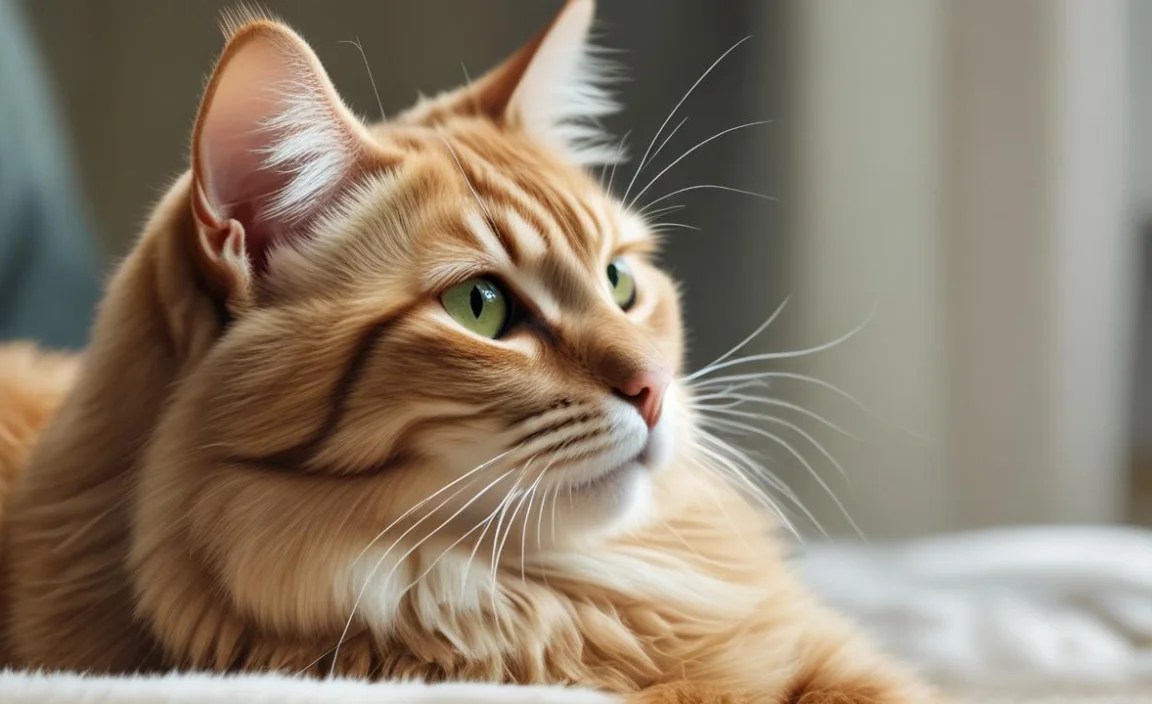
Comparing different breeds can help you choose cat breeds that adapt quickly to new environments. Some breeds are naturally more adaptable than others. Consider the Abyssinian, known for its curiosity and intelligence. They enjoy exploring new places. The Burmese is friendly and social. They love meeting new people. The Ragdoll is relaxed and easy-going. They are not easily stressed by change. The Siamese is vocal and interactive. They thrive on attention. The American Shorthair is adaptable and hardy. They can handle a variety of environments. By comparing these traits, you can find a breed that fits your lifestyle and moving habits. A well-informed choice can lead to a happier cat and a smoother transition.
| Breed | Adaptability | Social Skills | Energy Level |
|---|---|---|---|
| Abyssinian | High | Medium | High |
| Burmese | High | High | Medium |
| Ragdoll | Medium | High | Low |
| Siamese | Medium | High | High |
| American Shorthair | High | Medium | Medium |
Remember that every cat is an individual. Even within a breed, some cats will be more adaptable than others. Consider your own lifestyle and moving habits. If you move frequently, choose a breed that is known for its adaptability. If you have a quiet home, a more relaxed breed might be a better fit. Talk to breeders or shelter staff. They can help you find a cat that matches your personality and lifestyle. A good match is essential for a happy and harmonious relationship. By considering both breed traits and individual personality, you can find the perfect cat for your new home. A well-chosen cat will bring joy and companionship for years to come.
How Do Energy Levels Affect Adaptability?
A cat’s energy level can affect how they adapt. High-energy cats need lots of stimulation. They may become restless or destructive if they are bored. Provide plenty of toys and playtime. This will help them release energy and reduce stress. Low-energy cats are more relaxed and laid-back. They are content to spend their days lounging and napping. These cats may be more adaptable to new environments. They are not as easily stressed by change. Consider your own lifestyle when choosing a cat. If you are active and enjoy playing, a high-energy cat might be a good fit. If you prefer a more relaxed lifestyle, a low-energy cat might be a better choice. Matching energy levels can lead to a happier and more harmonious relationship.
What Role Does Intelligence Play?
Intelligence can also play a role in adaptability. Intelligent cats are quick learners. They can adapt to new situations more easily. They are also more likely to be curious and explorative. This can make them less afraid of new environments. However, intelligent cats also need mental stimulation. They may become bored if they are not challenged. Provide them with puzzle toys and interactive games. This will keep them entertained and prevent boredom. A bored cat is more likely to become stressed and anxious. By providing plenty of mental stimulation, you can help your intelligent cat thrive in any environment. A stimulated mind is a happy mind.
Are Mixed Breeds More Adaptable?
Mixed breed cats can be very adaptable. They often have a mix of traits from different breeds. This can make them more resilient and adaptable to different environments. Mixed breed cats are also less likely to have genetic health problems. This can contribute to their overall well-being. However, it can be harder to predict the personality of a mixed breed cat. Their traits can vary widely. Spend time with the cat before adopting. This will help you get a sense of their personality. Mixed breed cats can make wonderful companions. They are often loving and loyal. They can adapt to a variety of lifestyles and environments. A mixed breed cat can bring a lot of joy to your life.
Fun Fact or Stat: Cats can make over 100 different sounds, while dogs can only make about 10!
Long-Term Care: Keeping Cats Happy
Long-term care is essential for keeping cat breeds that adapt quickly to new environments happy. A happy cat is a healthy cat. Provide regular veterinary care. This includes annual checkups and vaccinations. Feed your cat a high-quality diet. This will help them maintain a healthy weight and coat. Keep the litter box clean and accessible. This will prevent urinary problems. Provide plenty of toys and playtime. This will keep them mentally and physically stimulated. Spend quality time with your cat. This will strengthen your bond and help them feel loved. With proper long-term care, your cat can live a long and happy life. A well-cared-for cat is a happy and healthy cat.
- Provide regular veterinary care.
- Feed a high-quality diet.
- Keep the litter box clean.
- Provide plenty of toys and playtime.
- Spend quality time with your cat.
Another important aspect of long-term care is creating a stable and predictable environment. Cats thrive on routine and consistency. Feed your cat at the same time each day. Clean the litter box regularly. Spend time playing and cuddling with them. Avoid sudden changes in routine. If you need to make a change, introduce it gradually. This will give your cat time to adjust. A stable environment reduces stress and anxiety. This helps your cat feel secure and loved. With proper long-term care, your cat can thrive in any environment. A consistent routine provides comfort and security.
How Often Should You Visit the Vet?
Regular veterinary care is crucial for your cat’s health. Kittens need more frequent visits for vaccinations and checkups. Adult cats should visit the vet at least once a year. Senior cats may need more frequent visits. Your vet can detect health problems early. Early detection can lead to more effective treatment. Vaccinations protect your cat from diseases. Regular checkups help ensure your cat is healthy and happy. Don’t wait until your cat is sick to visit the vet. Preventative care is the best way to keep your cat healthy. A healthy cat is a happy cat, and a happy cat adapts more easily to new environments.
What Is a High-Quality Cat Diet?
A high-quality cat diet is essential for their health. Look for cat food that is high in protein. Protein is important for muscle development and energy. Avoid cat food that is high in carbohydrates. Carbohydrates can lead to weight gain and health problems. Choose a cat food that is appropriate for your cat’s age and activity level. Kittens need a different diet than adult cats. Active cats need more calories than sedentary cats. Read the ingredient list carefully. Look for real meat as the first ingredient. Avoid cat food that contains artificial colors, flavors, or preservatives. A high-quality diet will help your cat stay healthy and happy.
How Can You Enrich a Cat’s Life?
Enrichment is essential for a cat’s mental and physical well-being. Provide plenty of toys for your cat to play with. Rotate toys regularly to keep things interesting. Offer scratching posts to satisfy their natural instincts. Provide vertical space for climbing and exploring. Consider using a puzzle feeder to challenge their mind. Spend time playing and interacting with your cat. This will strengthen your bond and provide mental stimulation. A bored cat is more likely to become stressed and anxious. By providing plenty of enrichment, you can help your cat thrive in any environment. A stimulated cat is a happy cat.
Fun Fact or Stat: Cats have three eyelids!
Summary
Moving to a new home can be stressful for cats. However, some cat breeds that adapt quickly to new environments handle these changes better than others. Social and curious breeds like the Abyssinian, Burmese, and Ragdoll tend to adjust more easily. Preparing for the move is crucial. Pack a separate bag for your cat, use a secure carrier, and set up a safe room in the new home. Reducing stress is also key. Use calming pheromone sprays, maintain a consistent routine, and provide plenty of playtime. Long-term care, including regular vet visits and a high-quality diet, is essential for keeping your cat happy and healthy. By following these tips, you can help your feline friend adapt to their new environment quickly and easily.
Conclusion
Choosing the right breed and preparing carefully can make a big difference. A social, confident cat will likely adjust faster. Remember to create a safe and comfortable environment. Reduce stress with routines and playtime. With patience and understanding, you can help your cat thrive. Some cat breeds that adapt quickly to new environments will soon feel right at home. Enjoy your new adventure together!
Frequently Asked Questions
Question No 1: What makes some cat breeds more adaptable than others?
Answer: Some cat breeds are more adaptable due to their genetic predispositions and personality traits. Social and curious breeds, such as the Abyssinian and Burmese, tend to adjust more easily to new environments. Their outgoing nature and love of exploration make them less likely to be fearful or stressed by change. Additionally, early socialization plays a crucial role. Kittens exposed to various sights, sounds, and people are more likely to be confident and adaptable as adults. Therefore, both genetics and early experiences contribute to a cat’s ability to adapt to new situations. Choosing a well-socialized cat from an adaptable breed can make moving much easier.
Question No 2: How can I help my cat adjust to a new home quickly?
Answer: To help your cat adjust to a new home quickly, start by creating a safe room. This should be a quiet space with their food, water, litter box, and favorite toys. Use calming pheromone sprays or diffusers to reduce stress. Introduce your cat to the rest of the house gradually, allowing them to explore at their own pace. Maintain a consistent routine for feeding, playtime, and litter box cleaning. Spend extra time playing and cuddling with your cat to help them feel secure and loved. Avoid making any sudden changes to their diet or environment. With patience and understanding, your cat will soon adapt to their new home. Remember, creating a sense of security is key for helping cat breeds that adapt quickly to new environments.
Question No 3: What are the signs of stress in cats, and how can I address them?
Answer: Signs of stress in cats can include hiding, loss of appetite, excessive grooming, changes in litter box habits, and aggression. If you notice any of these signs, take steps to reduce your cat’s stress. Provide a safe and quiet space for them to retreat to. Use calming pheromone sprays or diffusers. Spend extra time playing and cuddling with them. Avoid making any sudden changes to their routine. If their stress continues, consult with a veterinarian. They may recommend medication or other treatments. Recognizing and addressing stress early can help your cat adapt more quickly to new environments. Addressing stress is particularly important for cat breeds that adapt quickly to new environments, as it can hinder their natural adaptability.
Question No 4: How does a cat’s personality affect its ability to adapt to new environments?
Answer: A cat’s personality plays a significant role in their ability to adapt. Confident and curious cats tend to handle new situations better than timid or cautious cats. They are more likely to explore and investigate their surroundings, which helps them become familiar with the new environment. Timid cats, on the other hand, may hide or become withdrawn, making it harder for them to adjust. Understanding your cat’s personality can help you support them during the transition. Choose a cat with a personality that matches your lifestyle and moving habits. Remember, every cat is an individual, and their personality will influence their adaptability, even among cat breeds that adapt quickly to new environments.
Question No 5: What is the best way to introduce a new cat to existing pets in a new home?
Answer: Introducing a new cat to existing pets requires a gradual and careful approach. Start by keeping the new cat separate in a safe room. Allow the pets to smell each other under the door. Gradually introduce them to each other for short periods, under supervision. Use positive reinforcement, such as treats and praise, to reward calm behavior. Avoid forcing interaction. Let them approach each other on their own terms. If there are any signs of aggression, separate them immediately and try again later. With patience and understanding, most cats and dogs can learn to coexist peacefully. A slow and steady introduction is key to a harmonious household. Some cat breeds that adapt quickly to new environments might still struggle with new animal additions to the home, so take it slow.
Question No 6: How important is it to maintain a consistent routine for cats in a new environment?
Answer: Maintaining a consistent routine is extremely important for cats in a new environment. Cats thrive on predictability and routine. A consistent routine helps them feel safe and secure. Feed your cat at the same time each day. Clean the litter box regularly. Spend time playing and cuddling with them. Avoid sudden changes in routine. If you need to make a change, introduce it gradually. This will give your cat time to adjust. A consistent routine reduces stress and anxiety, which makes it easier for your cat to adapt to their new home. Even for cat breeds that adapt quickly to new environments, a stable routine provides comfort and stability during a time of change.


