
Adapting Your Home for Senior Cats: Easy Guide

Adapting your home for senior cats involves making simple changes to ensure their comfort and safety. This includes providing easily accessible resources like food, water, and litter boxes, creating comfortable resting spots, and minimizing hazards to prevent falls and injuries. Regular vet check-ups are also crucial to monitor their health.
As our beloved British Shorthairs gracefully age, their needs change, requiring a more thoughtful approach to their care. You might notice your once sprightly companion slowing down, having a harder time reaching their favorite napping spot, or experiencing changes in their appetite. It’s all part of the natural aging process, but with a few adjustments, we can ensure their golden years are comfortable and filled with joy.
Adapting your home for a senior cat isn’t about drastic renovations; it’s about making smart, simple changes that cater to their evolving needs. In this guide, I’ll walk you through practical steps to create a safe, comfortable, and loving environment for your aging feline friend. From optimizing their living space to understanding their health needs, we’ll cover everything you need to know. Let’s get started!
Understanding the Needs of Senior Cats

Before diving into specific home adaptations, it’s essential to understand the common changes that occur as cats age. According to the Cornell Feline Health Center, cats are generally considered senior around the age of 11, and geriatric around 15. As they age, several changes can impact their comfort and mobility:
- Reduced Mobility: Arthritis and joint pain are common in older cats, making it harder for them to jump, climb, and move around.
- Sensory Decline: Vision and hearing may deteriorate, affecting their awareness and ability to navigate their environment.
- Cognitive Dysfunction: Similar to dementia in humans, cognitive decline can cause confusion, disorientation, and changes in behavior.
- Medical Conditions: Senior cats are more prone to developing health issues such as kidney disease, diabetes, and hyperthyroidism.
Recognizing these changes is the first step in creating a supportive environment. Now, let’s explore how to adapt your home to address these needs.
Step-by-Step Guide to Adapting Your Home

1. Optimizing Access to Essential Resources
One of the most important adaptations is ensuring your senior cat can easily access their essential resources: food, water, and litter boxes.
Food and Water
- Elevated Bowls: Raising food and water bowls can reduce strain on their neck and joints, making it easier for them to eat and drink comfortably. You can find specially designed elevated bowls or simply use a sturdy platform.
- Multiple Stations: Place multiple food and water stations around the house, especially in areas where your cat spends a lot of time. This ensures they always have access, even if they have difficulty moving around.
- Soft Food: Consider switching to soft, wet food, which is easier for older cats to chew and digest. It also helps keep them hydrated, which is particularly important for cats with kidney issues.
Litter Boxes
- Low-Entry Litter Boxes: Choose litter boxes with low sides to make it easier for your cat to step in and out, especially if they have arthritis.
- Multiple Litter Boxes: Place several litter boxes in easily accessible locations, ensuring your cat never has to travel too far. A good rule of thumb is to have one more litter box than the number of cats in your household.
- Regular Cleaning: Keep the litter boxes clean to encourage your cat to use them. Senior cats can be more sensitive to odors and may avoid a dirty litter box.
2. Creating Comfortable Resting Spots
Senior cats spend a significant amount of time resting, so it’s crucial to provide them with comfortable and supportive beds.
- Soft, Orthopedic Beds: Invest in orthopedic beds that provide cushioning and support for their joints. These beds are designed to relieve pressure points and promote restful sleep.
- Warm and Draft-Free Locations: Place beds in warm, draft-free areas away from direct sunlight and high-traffic zones. Senior cats are more sensitive to temperature changes and need a cozy place to relax.
- Accessible Locations: Ensure beds are easily accessible, preferably on the ground or with a low step. Avoid placing them in high or hard-to-reach spots.
3. Minimizing Hazards and Ensuring Safety
As cats age, their vision and mobility may decline, making them more prone to accidents. It’s essential to minimize hazards and create a safe environment.
- Secure Loose Rugs and Cords: Loose rugs and cords can be tripping hazards. Secure rugs with non-slip pads and tuck away or cover electrical cords.
- Provide Ramps or Steps: If your cat enjoys perching on furniture, provide ramps or steps to help them reach their favorite spots safely. These aids reduce the strain on their joints and prevent falls.
- Night Lights: Use night lights to illuminate hallways and pathways, helping your cat navigate in the dark, especially if they have vision problems.
- Protect Sharp Corners: Cover sharp corners of furniture with protective bumpers to prevent injuries if your cat bumps into them.
4. Adapting Vertical Spaces
Many cats enjoy climbing and perching, but senior cats may find it challenging to reach high places. Here’s how to adapt vertical spaces:
- Gradual Inclines: Use ramps or a series of low steps to help your cat reach their favorite elevated spots, such as windowsills or cat trees.
- Stable Cat Trees: Ensure cat trees are stable and sturdy to prevent them from tipping over. Choose models with wide bases and multiple platforms at varying heights.
- Soft Landings: Place soft bedding or cushions around vertical spaces to provide a comfortable landing area in case your cat misjudges a jump.
5. Managing Environmental Enrichment
While senior cats may not be as active as they once were, they still need mental stimulation and enrichment. Here are some ways to keep them engaged:
- Interactive Toys: Provide interactive toys that encourage gentle play, such as puzzle feeders or toys that dispense treats.
- Regular Play Sessions: Engage in short, gentle play sessions with your cat using toys like feather wands or laser pointers. Adjust the intensity to their comfort level.
- Window Perches: Offer window perches where your cat can watch birds and other outdoor activities. This provides mental stimulation and helps them stay connected to their environment.
6. Monitoring Health and Providing Medical Care
Regular veterinary check-ups are crucial for senior cats to detect and manage age-related health issues. According to the International Cat Care, early detection can significantly improve their quality of life.
- Regular Vet Visits: Schedule check-ups at least twice a year to monitor their overall health and address any concerns.
- Dental Care: Pay attention to their dental health, as dental disease is common in older cats. Regular teeth cleaning and dental check-ups can help prevent pain and infection.
- Medication Management: If your cat requires medication, make sure to administer it as prescribed by your veterinarian. Use pill pockets or other methods to make it easier for them to take their medication.
7. Adjusting Grooming Practices
Senior cats may have difficulty grooming themselves due to arthritis or other mobility issues. Regular grooming can help them stay clean and comfortable.
- Gentle Brushing: Brush your cat regularly to remove loose fur and prevent mats. Use a soft brush and be gentle, especially around sensitive areas.
- Nail Trimming: Trim their nails regularly to prevent them from getting too long and causing discomfort.
- Wipe-Downs: Use damp cloths or pet wipes to clean areas they can’t reach, such as their hindquarters or face.
8. Creating a Predictable Routine
Senior cats often thrive on routine and predictability. Maintaining a consistent daily schedule can help reduce anxiety and provide a sense of security.
- Consistent Feeding Times: Feed your cat at the same times each day to establish a regular routine.
- Regular Play and Interaction: Schedule regular play and interaction sessions to provide mental stimulation and bonding time.
- Quiet Time: Ensure they have access to quiet, undisturbed resting spots where they can relax and recharge.
Specific Adaptations for British Shorthairs

British Shorthairs are known for their calm and gentle nature, but they can also be prone to certain age-related issues. Here are some specific adaptations to consider for your senior British Shorthair:
- Weight Management: British Shorthairs can be prone to weight gain, which can exacerbate joint problems. Monitor their weight and adjust their diet as needed to maintain a healthy weight.
- Heart Health: British Shorthairs can be predisposed to hypertrophic cardiomyopathy (HCM). Regular veterinary check-ups, including echocardiograms, can help detect and manage this condition.
- Grooming Assistance: Due to their dense coat, British Shorthairs may need extra grooming assistance as they age. Regular brushing can help prevent mats and keep their coat healthy.
Examples of Home Adaptations
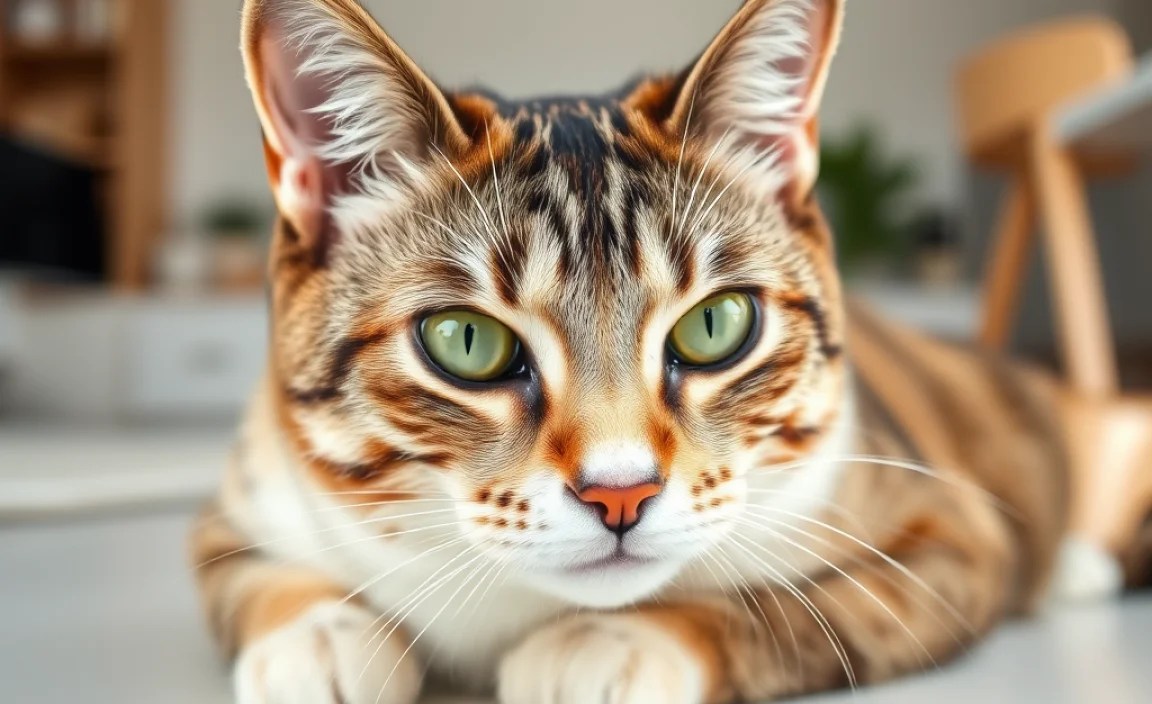
To give you a clearer idea of how to adapt your home, here are some practical examples:
| Adaptation | Description | Benefits |
|---|---|---|
| Ramps to Favorite Spots | Install ramps or steps to help your cat reach windowsills, beds, or cat trees. | Reduces strain on joints, prevents falls, and allows access to favorite spots. |
| Elevated Food and Water Bowls | Raise food and water bowls to a comfortable height for your cat. | Reduces neck strain, improves digestion, and makes eating and drinking easier. |
| Low-Entry Litter Boxes | Replace high-sided litter boxes with low-entry models. | Makes it easier for cats with arthritis to step in and out, reducing accidents. |
| Night Lights | Place night lights in hallways and pathways. | Improves visibility, reduces the risk of falls, and helps cats navigate in the dark. |
| Orthopedic Beds | Provide soft, supportive orthopedic beds. | Relieves pressure on joints, promotes restful sleep, and improves comfort. |
Creating a Senior-Friendly Zone
Consider designating a specific area in your home as a “senior-friendly zone.” This area should include:
- A Comfortable Bed: A soft, supportive bed in a warm and quiet location.
- Easy Access to Resources: Food, water, and a litter box within easy reach.
- Safe and Secure Environment: A hazard-free space with minimal obstacles.
This zone can serve as a safe haven for your cat, providing them with a sense of security and comfort.
Addressing Common Challenges
Adapting your home for a senior cat can present some challenges. Here are some common issues and how to address them:
| Challenge | Solution |
|---|---|
| Cat Refuses to Use New Litter Box | Gradually introduce the new litter box by placing it near the old one. Use the same litter and clean it frequently. |
| Cat Is Reluctant to Use Ramps or Steps | Encourage your cat to use the ramps or steps by placing treats or toys on them. Start with short, gradual inclines and reward them for their efforts. |
| Cat Is Anxious or Confused | Maintain a consistent routine and provide plenty of reassurance. Consult with your veterinarian about anxiety-reducing medications or supplements. |
| Cat Is Losing Weight | Consult with your veterinarian to rule out underlying health issues. Offer soft, palatable food and ensure they have easy access to food and water. |
| Cat Is Having Accidents Outside the Litter Box | Rule out medical causes with your veterinarian. Ensure litter boxes are clean and easily accessible. Consider adding more litter boxes in different locations. |
The Importance of Patience and Understanding
Adapting your home for a senior cat requires patience, understanding, and a willingness to adjust to their changing needs. Remember that every cat is different, and what works for one may not work for another. Be observant, pay attention to your cat’s behavior, and make adjustments as needed.
FAQ: Adapting Your Home for Senior Cats
Here are some frequently asked questions about adapting your home for senior cats:
- At what age is my cat considered a senior?
- Cats are generally considered senior around the age of 11 and geriatric around 15.
- Why is it important to adapt my home for a senior cat?
- Adapting your home can improve your cat’s comfort, safety, and quality of life by addressing age-related changes such as reduced mobility and sensory decline.
- What are some essential adaptations I should make?
- Essential adaptations include providing easy access to food, water, and litter boxes, creating comfortable resting spots, minimizing hazards, and ensuring regular veterinary care.
- How can I make it easier for my senior cat to reach high places?
- Use ramps or steps to help your cat reach their favorite elevated spots, such as windowsills or cat trees.
- What type of bed is best for a senior cat?
- Orthopedic beds that provide cushioning and support for their joints are ideal for senior cats.
- How often should I take my senior cat to the vet?
- Schedule check-ups at least twice a year to monitor their overall health and address any concerns.
- What can I do if my senior cat is having accidents outside the litter box?
- Rule out medical causes with your veterinarian. Ensure litter boxes are clean and easily accessible. Consider adding more litter boxes in different locations.
Conclusion
Adapting your home for a senior cat is an act of love and a commitment to providing them with the best possible care in their golden years. By making thoughtful adjustments, you can create a safe, comfortable, and enriching environment that allows them to thrive. Remember to be patient, observant, and responsive to their needs, and always consult with your veterinarian for any health concerns. Your efforts will be rewarded with the continued companionship and affection of your beloved British Shorthair.


