
Senior Cat Mobility Aids: Ultimate Guide

Senior cat mobility aids can significantly improve your cat’s quality of life by helping them move more comfortably. These aids include ramps, steps, supportive beds, and specialized carriers. By making adjustments to your home and using the right products, you can help your senior cat maintain their independence and enjoy their golden years with greater ease.
As our beloved British Shorthairs enter their senior years, we often notice they aren’t as spry as they once were. Jumping onto the sofa becomes a challenge, and climbing the stairs might seem like a Herculean task. It’s heartbreaking to see our feline friends struggle with mobility issues. But don’t worry! There are many ways we can help. This guide will walk you through the various senior cat mobility aids available, offering practical solutions to keep your furry companion comfortable and happy. We’ll explore everything from simple home modifications to specialized products, ensuring your British Shorthair enjoys a fulfilling and active life, regardless of age.
Understanding Mobility Issues in Senior Cats

Before diving into the aids themselves, it’s essential to understand why senior cats develop mobility issues. Just like humans, cats experience age-related changes that affect their joints, muscles, and overall physical condition.
Common Causes of Mobility Problems
- Arthritis: This is one of the most common culprits. Arthritis causes inflammation in the joints, leading to pain and stiffness. According to the Cornell Feline Health Center, arthritis affects a significant portion of senior cats.
- Degenerative Joint Disease (DJD): Similar to arthritis, DJD involves the breakdown of cartilage in the joints, making movement painful.
- Muscle Loss: As cats age, they naturally lose muscle mass, which can weaken their limbs and make it harder to move around.
- Neurological Issues: Sometimes, mobility problems stem from neurological conditions that affect balance and coordination.
- Obesity: Excess weight puts extra stress on the joints, exacerbating existing mobility issues.
Recognizing the Signs
It’s not always obvious when a cat is struggling with mobility. Cats are masters at hiding pain, so it’s crucial to watch for subtle signs:
- Hesitation when jumping or climbing: If your cat seems reluctant to jump onto their favorite spot or climb the stairs, it could be a sign of discomfort.
- Stiffness or limping: Noticeable stiffness, especially after resting, or a limp indicates joint pain.
- Changes in grooming habits: A cat that’s having trouble reaching certain areas may start to neglect grooming.
- Irritability: Pain can make cats more irritable, so watch for changes in their behavior.
- Decreased activity: A less active cat might be experiencing discomfort and trying to avoid movement.
Home Modifications for Enhanced Mobility

One of the most effective ways to support your senior cat’s mobility is by making simple changes to your home environment. These modifications can make a big difference in their comfort and independence.
Ramps and Steps
Ramps and steps are fantastic for helping cats reach their favorite spots without having to jump. They’re particularly useful for accessing sofas, beds, and window perches.
- Ramps: These provide a gentle incline, making it easier for cats with severe joint pain to reach higher surfaces. Look for ramps with a non-slip surface to prevent accidents.
- Steps: Steps are a good option for cats who can still manage some degree of climbing. Choose steps that are wide and stable, with a height that’s manageable for your cat.
Creating Accessible Pathways
Ensure your cat has clear and easy-to-navigate pathways throughout your home. Remove any obstacles that might be in their way, such as clutter or furniture that’s difficult to maneuver around.
- Clear walkways: Keep hallways and rooms free of clutter to prevent trips and falls.
- Secure rugs: Use non-slip rugs to provide traction on slippery floors.
- Strategic furniture placement: Arrange furniture to create stepping stones, allowing your cat to move around more easily.
Litter Box Adjustments
Senior cats may have trouble getting in and out of a standard litter box. Making adjustments to the litter box setup can significantly improve their comfort.
- Low-entry litter boxes: These boxes have a lower lip, making it easier for cats with joint pain to step in and out.
- Larger litter boxes: A larger box gives your cat more room to move around and find a comfortable position.
- Multiple litter boxes: Place litter boxes on each floor of your home to reduce the distance your cat has to travel.
Food and Water Stations
Make sure your cat can easily access their food and water. If they have trouble bending down, consider raising the bowls.
- Elevated bowls: These reduce strain on the neck and joints, making it more comfortable for your cat to eat and drink.
- Non-slip mats: Place the bowls on a non-slip mat to prevent them from sliding around.
- Multiple stations: Set up multiple food and water stations throughout your home, especially in areas where your cat spends a lot of time.
Mobility Aids: Products to Support Your Senior Cat

In addition to home modifications, several specialized products can provide extra support for your senior cat.
Supportive Beds
A comfortable, supportive bed is essential for senior cats. Look for beds with orthopedic foam that cushions their joints and provides relief from pressure.
- Orthopedic beds: These beds are designed to distribute weight evenly and reduce pressure on the joints.
- Heated beds: A heated bed can provide soothing warmth, which can help to alleviate joint pain and stiffness.
- Enclosed beds: Some cats prefer the security of an enclosed bed, which can also help to keep them warm.
Harnesses and Support Slings
Harnesses and support slings can be incredibly helpful for cats who need a little extra assistance getting around.
- Harnesses: A well-fitting harness can provide support and stability, allowing you to help your cat stand and walk.
- Support slings: These slings fit under your cat’s abdomen and provide lift, making it easier for them to move around.
Cat Wheelchairs
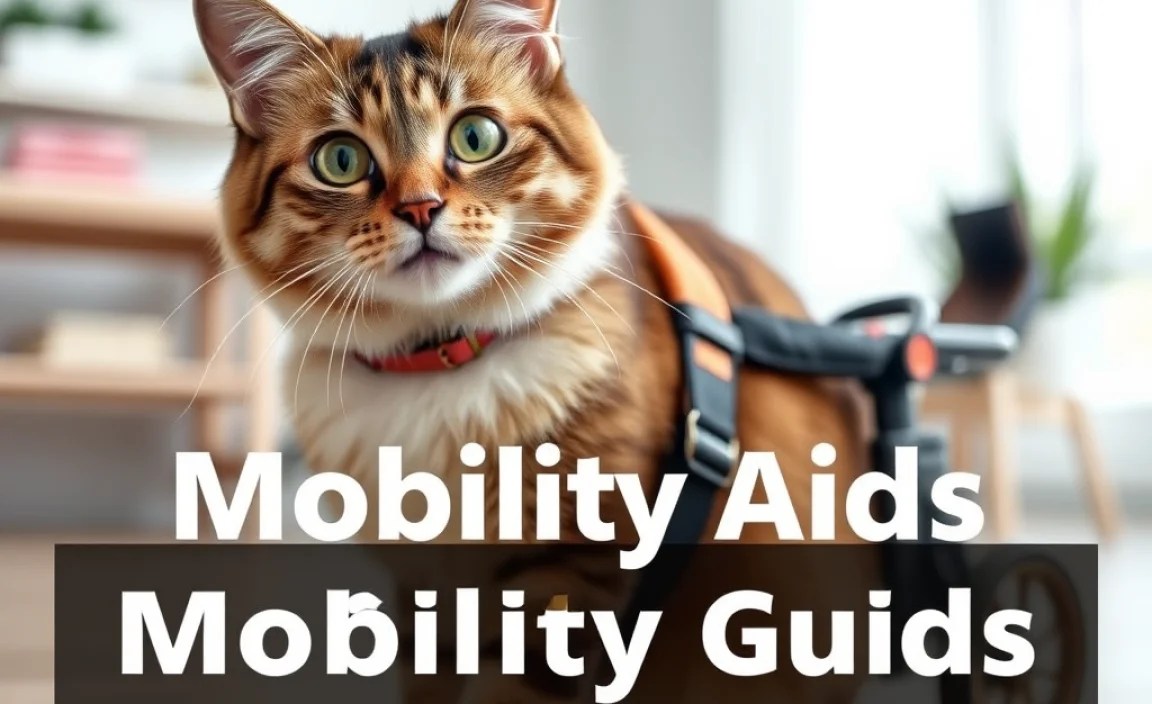
For cats with more severe mobility issues, a cat wheelchair can provide a new lease on life. These devices support the hind legs, allowing the cat to move around independently.
- Custom wheelchairs: These are designed to fit your cat’s specific measurements and needs.
- Adjustable wheelchairs: These can be adjusted to accommodate changes in your cat’s condition.
Carriers
Choose carriers that are easy to get into and out of. Carriers that open from the top are often a good choice, as they allow you to gently lower your cat inside.
- Top-loading carriers: These carriers make it easier to place your cat inside without causing discomfort.
- Soft-sided carriers: These are often more comfortable for cats, as they provide a softer surface to rest on.
Choosing the Right Aids: A Step-by-Step Guide

Selecting the right mobility aids for your senior cat involves careful consideration of their specific needs and condition. Here’s a step-by-step guide to help you make the best choices:
- Assess Your Cat’s Mobility: Observe how your cat moves around the house. Note any difficulties they have with jumping, climbing, or walking.
- Consult with Your Veterinarian: Your vet can help you identify the underlying cause of your cat’s mobility issues and recommend appropriate treatments and aids.
- Consider Your Cat’s Personality: Some cats are more adaptable than others. Choose aids that your cat is likely to accept and use.
- Start with Simple Modifications: Begin by making small changes to your home environment, such as adding ramps or steps.
- Introduce Aids Gradually: Don’t overwhelm your cat with too many new things at once. Introduce aids one at a time, allowing them to adjust.
- Monitor Your Cat’s Response: Pay attention to how your cat responds to the new aids. Adjust your approach as needed.
Cost Considerations
The cost of senior cat mobility aids can vary widely, depending on the type of aid and the brand. Here’s a general overview of what you can expect to pay:
| Aid | Average Cost |
|---|---|
| Ramps and Steps | $30 – $100 |
| Supportive Beds | $50 – $200 |
| Harnesses and Support Slings | $20 – $50 |
| Cat Wheelchairs | $100 – $500+ |
| Elevated Bowls | $15 – $40 |
| Low-Entry Litter Boxes | $20 – $60 |
Keep in mind that these are just estimates. Prices may vary depending on where you shop and the specific features of the aid. It’s always a good idea to shop around and compare prices before making a purchase.
Tips for Introducing New Aids
Introducing new mobility aids to your senior cat requires patience and understanding. Here are some tips to help make the transition as smooth as possible:
- Make it Positive: Associate the new aid with positive experiences, such as treats or praise.
- Start Slowly: Don’t force your cat to use the aid. Allow them to explore it at their own pace.
- Use Familiar Scents: Place a blanket or toy that smells like your cat on or near the aid to make it more appealing.
- Be Patient: It may take some time for your cat to get used to the new aid. Don’t get discouraged if they don’t use it right away.
- Seek Professional Help: If you’re having trouble introducing a new aid, consult with your veterinarian or a certified cat behaviorist.
Maintaining Your Cat’s Overall Health
While mobility aids can provide significant support, it’s also important to address your cat’s overall health. Regular veterinary checkups, a healthy diet, and gentle exercise can all help to improve their mobility and quality of life.
Regular Veterinary Checkups
Senior cats should have regular checkups with their veterinarian. These checkups can help to identify and address any underlying health issues that may be contributing to their mobility problems.
Healthy Diet
A balanced diet is essential for maintaining your cat’s overall health. Choose a high-quality food that’s appropriate for senior cats and consult with your veterinarian about any specific dietary needs.
Gentle Exercise
Even if your cat has mobility issues, gentle exercise can help to keep their muscles strong and their joints flexible. Encourage them to move around by playing with toys or going for short walks (if appropriate).
When to Consult a Veterinarian
It’s crucial to consult with a veterinarian if you notice any significant changes in your cat’s mobility. They can help you determine the cause of the problem and recommend appropriate treatments. Seek veterinary care if you observe:
- Sudden onset of mobility issues
- Severe pain or discomfort
- Loss of appetite or weight loss
- Changes in behavior
FAQ: Senior Cat Mobility Aids
What are the first signs of mobility issues in senior cats?
The first signs often include hesitation when jumping, stiffness after resting, changes in grooming habits, and decreased activity levels. Watch for subtle changes in your cat’s behavior.
How can I make my home more accessible for my senior cat?
Add ramps or steps to help them reach favorite spots, use non-slip rugs, keep walkways clear, and provide low-entry litter boxes. Make sure food and water are easily accessible.
Are orthopedic beds really helpful for senior cats?
Yes, orthopedic beds provide excellent support and cushioning for joints, which can significantly reduce pain and improve comfort for senior cats with arthritis or other joint issues.
Can a cat wheelchair improve my cat’s quality of life?
For cats with severe mobility issues, a wheelchair can provide a new sense of independence and allow them to move around and explore their environment more freely.
How do I introduce a new mobility aid to my cat?
Introduce aids slowly and positively. Associate them with treats, praise, and familiar scents. Allow your cat to explore the aid at their own pace, and be patient.
What if my cat refuses to use the mobility aids?
Try different types of aids to find what works best for your cat. Consult with your veterinarian or a cat behaviorist for additional tips and strategies.
How often should my senior cat see the vet?
Senior cats should have checkups at least twice a year, or more often if they have underlying health conditions. Regular veterinary care is essential for maintaining their overall health and addressing any mobility issues.
Conclusion
Helping your senior British Shorthair maintain their mobility is one of the most loving things you can do. By understanding the causes of mobility issues, making thoughtful home modifications, and utilizing appropriate mobility aids, you can significantly improve their quality of life. Remember to be patient, observant, and proactive in addressing their needs. With the right support and care, your senior cat can continue to enjoy a happy, comfortable, and fulfilling life by your side. After all, their golden years should be filled with golden moments, and a little extra help can make all the difference.


