
How British Shorthairs Respond to Guests at Home: Secret?

Quick Summary: British Shorthairs are generally calm and adaptable cats, but their reaction to guests varies. Some are curious and social, greeting visitors with interest. Others may be more reserved, preferring to observe from a distance or retreat to a safe space. Early socialization and a calm environment help them feel more comfortable around new people. Patience and understanding their individual personality are key to ensuring they feel secure when you have guests.
Bringing people into your home should be a happy experience, but it can be stressful if you’re worried about how your British Shorthair will react. Will they hide? Will they be friendly? Understanding your cat’s personality is the first step. Just like people, some cats are naturally more outgoing, while others are shy. Luckily, there are ways to help your British Shorthair feel more at ease when guests visit. We’ll explore what to expect, how to prepare, and how to create a welcoming environment for everyone, including your beloved feline.
Understanding Your British Shorthair’s Personality

Every cat is an individual, and their personality plays a huge role in how they react to new people. British Shorthairs are known for their laid-back nature, but that doesn’t mean they all love a crowd. Let’s explore what influences their behavior.
Factors Influencing a British Shorthair’s Reaction to Guests
- Genetics: Some cats are simply born with a more confident or cautious temperament.
- Early Socialization: Kittens exposed to different people, sounds, and sights are generally more adaptable as adults. According to the RSPCA, early socialization is critical for a cat’s behavioral development.
- Past Experiences: A cat that had a negative experience with a stranger may be more fearful or defensive.
- Current Environment: A calm, predictable home environment helps your cat feel secure.
- Health: A cat in pain or feeling unwell may be more irritable and less tolerant of strangers.
Common British Shorthair Temperaments
While every cat is unique, here are some general temperaments you might observe in British Shorthairs:
- The Social Butterfly: These cats are curious and greet guests with a friendly sniff or head-butt. They might even enjoy being petted by new people.
- The Watcher: These cats prefer to observe from a safe distance, like a high perch or under the sofa. They might eventually approach guests, but on their own terms.
- The Hider: These cats disappear as soon as the doorbell rings. They prefer to avoid unfamiliar people altogether.
- The Grumpy Gus: While less common, some British Shorthairs can be territorial or easily startled, leading to hissing or swatting.
Preparing Your Home for Guests

Creating a comfortable and safe environment can significantly reduce your cat’s stress when guests arrive. Here’s how to prepare your home.
Creating a Safe Space
A safe space is a retreat where your cat can go to feel secure and undisturbed. This could be a spare room, a cat carrier with a blanket, or even just a quiet corner under a bed. Make sure your cat has access to this space at all times, especially when guests are present.
Tips for creating a safe space:
- Location: Choose a quiet, low-traffic area.
- Comfort: Provide a soft bed, blankets, and familiar toys.
- Essentials: Include food, water, and a litter box.
- Accessibility: Ensure your cat can easily access the space without being cornered.
Scent Swapping
Cats rely heavily on scent to feel secure. Before guests arrive, you can “scent swap” by gently rubbing a cloth on your guests and then placing it near your cat’s favorite spots. This helps familiarize your cat with their scent in a non-threatening way.
Using Pheromone Diffusers
Feliway diffusers release synthetic cat pheromones that mimic the natural pheromones produced by cats to mark their territory as safe and secure. Plugging one in a few days before guests arrive can help reduce anxiety and create a calming atmosphere. According to the Cornell Feline Health Center, pheromone diffusers can be effective in managing stress-related behaviors in cats.
Managing Guest Interactions
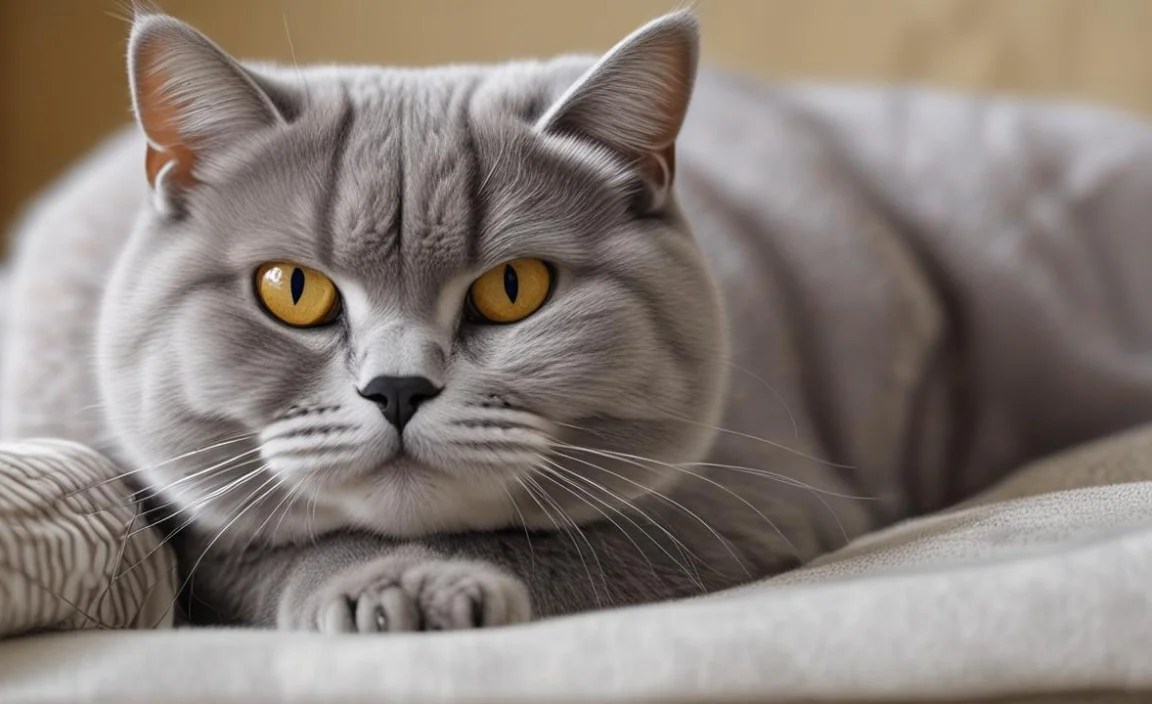
How your guests interact with your cat can significantly impact their comfort level. Here’s how to guide your guests to ensure a positive experience for everyone.
Setting Ground Rules for Guests
Before your guests arrive, politely inform them about your cat’s personality and any specific rules you’d like them to follow. For example:
- “Please don’t try to pick up the cat.”
- “If the cat hides, please don’t try to coax them out.”
- “Please avoid making sudden loud noises.”
- “Please don’t feed the cat any treats without asking.”
Encouraging Gentle Interactions
If your cat is open to interaction, encourage your guests to approach them gently and respectfully. Here are some tips:
- Let the cat approach: Avoid chasing or cornering the cat. Let them come to you.
- Offer a hand to sniff: Extend a hand slowly and allow the cat to sniff it before attempting to pet them.
- Pet gently: If the cat seems comfortable, pet them gently on the head or cheeks. Avoid touching their belly or tail, as these areas are often sensitive.
- Watch for signs of discomfort: If the cat seems stressed or uncomfortable, back off immediately.
Recognizing Signs of Stress in Your Cat
It’s important to be able to recognize when your cat is feeling stressed or anxious. Common signs of stress include:
- Hiding: Retreating to a safe space.
- Dilated pupils: Enlarged pupils, even in bright light.
- Flattened ears: Ears held flat against the head.
- Tail twitching or thumping: Rapid tail movements can indicate irritation or anxiety.
- Hissing or swatting: Defensive behaviors indicating fear or aggression.
- Excessive grooming: Over-grooming can be a sign of anxiety or stress.
- Changes in appetite or litter box habits: Stress can sometimes manifest as physical symptoms.
If you notice any of these signs, it’s important to give your cat space and allow them to retreat to their safe zone.
Long-Term Strategies for Helping Your British Shorthair Adapt

While immediate steps can help during guest visits, long-term strategies can help your British Shorthair become more comfortable with new people over time.
Gradual Exposure
Instead of overwhelming your cat with a large gathering, start with short, infrequent visits from one or two people. This allows your cat to gradually adjust to new people without feeling overwhelmed. You can also try having guests simply sit quietly and ignore the cat, allowing them to observe from a distance and become more comfortable in their presence.
Positive Reinforcement
Pairing positive experiences with the presence of guests can help change your cat’s association with new people. For example, you can give your cat a special treat or toy when guests are present. This helps them associate guests with positive things, making them less likely to feel stressed or anxious.
Clicker Training
Clicker training can be a fun and effective way to build your cat’s confidence and reduce anxiety. You can use clicker training to reward your cat for approaching guests or for remaining calm in their presence. The clicker sound becomes associated with positive reinforcement, making it a powerful tool for shaping behavior.
Here’s a simple table illustrating how to use positive reinforcement and clicker training with your British Shorthair:
| Scenario | Action | Reward |
|---|---|---|
| Cat approaches guest | Click the clicker | Give a small treat |
| Cat stays calm near guest | Click the clicker | Offer praise and a gentle scratch |
| Cat allows guest to pet them briefly | Click the clicker | Give a favorite toy for a few minutes |
When to Seek Professional Help

If your British Shorthair’s anxiety around guests is severe or causing significant distress, it’s important to seek professional help. A veterinarian or certified cat behaviorist can help you identify the underlying causes of your cat’s anxiety and develop a tailored treatment plan. They may recommend medication, behavior modification techniques, or a combination of both.
Signs That Professional Help Is Needed
- Aggression towards guests (hissing, swatting, biting)
- Severe anxiety that doesn’t improve with home management
- Changes in appetite, litter box habits, or grooming behavior related to stress
- Withdrawal or depression
British Shorthairs and Children: A Special Note
British Shorthairs are generally good with children, but it’s important to teach children how to interact with cats respectfully. Children should be taught not to chase, pull, or pick up the cat without supervision. Supervise interactions between children and cats, especially young children, to ensure that both are safe and comfortable.
Here’s a list of do’s and don’ts for children interacting with British Shorthairs:
- Do: Speak softly and gently to the cat.
- Do: Offer a hand for the cat to sniff before petting.
- Do: Pet the cat gently on the head or cheeks.
- Don’t: Chase or corner the cat.
- Don’t: Pull the cat’s tail or ears.
- Don’t: Pick up the cat without adult supervision.
FAQ: British Shorthairs and Guests
1. Are British Shorthairs typically friendly with strangers?
British Shorthairs are known for their calm and adaptable nature, but their friendliness towards strangers varies. Some are naturally curious and social, while others are more reserved and prefer to observe from a distance. Early socialization plays a key role in how they react to new people.
2. How can I tell if my British Shorthair is stressed by guests?
Signs of stress in a British Shorthair include hiding, dilated pupils, flattened ears, tail twitching, hissing, excessive grooming, and changes in appetite or litter box habits. If you notice these signs, provide a safe space and allow your cat to retreat.
3. What is a “safe space” for my cat, and why is it important?
A safe space is a quiet, comfortable retreat where your cat can go to feel secure and undisturbed. It could be a spare room, a cat carrier with a blanket, or a quiet corner. It’s important because it gives your cat a sense of control and reduces anxiety when faced with unfamiliar people or situations.
4. Can pheromone diffusers really help my cat feel calmer?
Yes, pheromone diffusers like Feliway can be effective in reducing stress and anxiety in cats. They release synthetic cat pheromones that mimic the natural pheromones cats use to mark their territory as safe. Plug one in a few days before guests arrive to help create a calming atmosphere.
5. What should I tell my guests about interacting with my British Shorthair?
Politely inform your guests about your cat’s personality and any specific rules you’d like them to follow. For example, ask them not to pick up the cat, avoid making sudden loud noises, and refrain from feeding the cat treats without your permission. Encourage gentle interactions and remind them to let the cat approach on their own terms.
6. How can I help my British Shorthair become more comfortable with guests over time?
Gradual exposure is key. Start with short, infrequent visits from one or two people. Pair positive experiences, like treats or toys, with the presence of guests. Clicker training can also be used to reward your cat for approaching guests or remaining calm in their presence.
7. When should I seek professional help for my cat’s anxiety around guests?
If your British Shorthair’s anxiety is severe, causing significant distress, or if you notice aggression towards guests, changes in appetite or litter box habits, or withdrawal, it’s important to seek professional help from a veterinarian or certified cat behaviorist.
Conclusion
Understanding how British Shorthairs respond to guests at home involves recognizing their individual personalities, preparing your home environment, and guiding guest interactions. By creating a safe space, using pheromone diffusers, and setting clear guidelines for visitors, you can help your British Shorthair feel more secure and comfortable. Remember, patience and gradual exposure are key to long-term success. With the right approach, you can ensure that both your guests and your beloved feline can coexist peacefully and happily in your home. And always, when in doubt, consult with your vet or a cat behaviorist for expert advice tailored to your cat’s specific needs.


