
Social Behavior of British Shorthairs: Secret Guide

British Shorthairs are generally known for their calm and affectionate nature. They’re not overly demanding, enjoy companionship without being clingy, and typically get along well with children and other pets. Early socialization is key to a well-adjusted cat, but their adaptable temperament makes them wonderful family members.
Are you curious about the social behavior of British Shorthairs? Maybe you’re thinking of bringing one of these lovely cats into your home, or perhaps you already have one and want to understand them better. It’s natural to wonder how they interact with people, other pets, and their environment. Understanding their social tendencies can help you create the perfect home for your feline friend.
This article will guide you through everything you need to know about the social behavior of British Shorthairs. We’ll explore their interactions with humans, how they typically get along with other animals, and what to expect as your British Shorthair grows from a kitten to an adult. So, let’s dive in and discover the social world of these wonderful cats!
Understanding the British Shorthair Temperament

The British Shorthair is known for its even-tempered and adaptable nature. But what exactly does that mean when it comes to their day-to-day behavior? Let’s break down the key traits that define the British Shorthair temperament.
Affectionate but Independent
British Shorthairs are affectionate cats but they are not usually overly demanding. They enjoy spending time with their families, but they also appreciate their own space. This balance makes them ideal companions for people who want a loving pet without constant neediness.
- Enjoy company: They like being in the same room as their owners.
- Not clingy: They don’t typically follow you around constantly.
- Independent play: They are happy to entertain themselves.
Calm and Relaxed
One of the most distinctive features of the British Shorthair is their calm demeanor. They aren’t usually easily startled or agitated, making them well-suited to busy household environments. This relaxed attitude also means they are less likely to engage in destructive behaviors caused by anxiety or boredom.
- Adaptable: They adjust well to changes in their environment.
- Not easily stressed: They remain calm in new situations.
- Gentle: They handle interactions with kids and other pets well.
Playful but Not Hyperactive
British Shorthairs enjoy playing, especially as kittens. While they might not be as energetic as some other breeds, they do need regular playtime to stay physically and mentally stimulated. As they get older, their playfulness might mellow out, but they still appreciate interactive games and toys.
- Moderate energy: They have bursts of activity followed by rest.
- Interactive play: They love chasing toys and playing with owners.
- Mental stimulation: They benefit from puzzle toys and games.
Dignified and Reserved
British Shorthairs often carry themselves with a certain dignity. They are not usually overly vocal or attention-seeking. This reserve can sometimes be mistaken for aloofness, but it’s simply part of their composed personality. They observe their surroundings and interact in a thoughtful, measured way.
- Not overly vocal: They don’t meow excessively.
- Observant: They take time to assess situations.
- Controlled behavior: They avoid unnecessary drama.
How British Shorthairs Interact with Humans

Understanding how British Shorthairs interact with humans is essential for building a strong bond with your feline companion. Here’s what you can expect from their interactions with you and your family.
Affection and Bonding
British Shorthairs show affection in subtle but meaningful ways. They might not be lap cats in the traditional sense, but they enjoy being near their owners and participating in family activities. Here are some common ways they bond with humans:
- Following you around: They like to be in the same room as you.
- Sitting nearby: They often choose to sit close without being on your lap.
- Gentle nudges: They might nudge you with their head to show affection.
Interaction with Children
Generally, British Shorthairs are good with children, especially if they have been raised together. Their patient and tolerant nature makes them suitable for family environments. However, it’s important to teach children how to interact respectfully with the cat.
- Supervise interactions: Always monitor young children when they are with the cat.
- Teach gentle handling: Show children how to pet the cat gently.
- Respect boundaries: Ensure children understand when the cat wants space.
Interaction with Strangers
British Shorthairs can be reserved around strangers. They are not typically outgoing or immediately friendly with new people. They prefer to observe from a distance before deciding whether to approach. Patience is key when introducing your British Shorthair to visitors.
- Give them space: Allow the cat to approach the stranger on their own terms.
- Avoid forced interactions: Don’t force the cat to be petted or held.
- Positive reinforcement: Encourage visitors to offer treats or toys.
Communication Style
British Shorthairs communicate in various ways, including body language, vocalizations, and scent marking. Understanding these cues can help you better understand their needs and feelings.
| Communication Method | Description |
|---|---|
| Body Language | Includes tail position, ear position, and posture. A relaxed cat will have a gently swaying tail and relaxed ears. |
| Vocalizations | British Shorthairs are not overly vocal, but they do use meows, purrs, and chirps to communicate. |
| Scent Marking | They use scent marking to claim their territory and communicate with other cats. This includes rubbing against furniture and scratching. |
British Shorthairs and Other Animals

One of the main concerns for pet owners is how a new cat will get along with existing pets. British Shorthairs are known for their adaptable nature, but introductions must be handled carefully.
Introduction to Other Cats
Introducing a British Shorthair to another cat requires patience and a gradual approach. Here are some steps to help ensure a smooth transition:
- Separate Spaces: Keep the new cat in a separate room with its own food, water, and litter box.
- Scent Swapping: Exchange bedding or toys between the cats to familiarize them with each other’s scent.
- Controlled Introductions: Allow brief, supervised visits where the cats can see each other through a barrier, such as a screen door.
- Gradual Integration: Slowly increase the time they spend together, always under supervision.
- Positive Reinforcement: Reward calm behavior with treats and praise.
Interaction with Dogs
British Shorthairs can coexist peacefully with dogs, especially if they are introduced properly. The key is to ensure both animals have positive experiences during the introduction phase.
- Supervised Meetings: Always supervise initial interactions between the cat and dog.
- Safe Spaces: Provide the cat with high places or rooms where they can escape if they feel threatened.
- Positive Associations: Give treats and praise when the cat and dog are calm around each other.
- Respect Boundaries: Ensure the dog does not chase or harass the cat.
Interaction with Small Animals
If you have small animals like rabbits, guinea pigs, or birds, take extra precautions when introducing a British Shorthair into the household. Cats have a natural hunting instinct, so it’s important to protect smaller pets.
- Secure Housing: Ensure small animals are housed in secure cages or enclosures.
- Supervised Interactions: Never leave the cat unsupervised with small animals.
- Deter Hunting Behavior: Discourage the cat from stalking or chasing small animals.
Signs of Compatibility
Knowing the signs of a good relationship between your British Shorthair and other pets can help you assess whether they are truly getting along.
| Sign | Description |
|---|---|
| Mutual Grooming | Cats grooming each other is a strong sign of affection and bonding. |
| Playing Together | Cats engaging in playful behavior, such as chasing or wrestling, indicates a positive relationship. |
| Sleeping Near Each Other | Cats choosing to sleep in close proximity suggests they feel comfortable and safe together. |
| Calm Interactions | Cats remaining calm and relaxed in each other’s presence indicates a peaceful coexistence. |
Social Development Stages of British Shorthairs

A British Shorthair’s social behavior evolves as they grow. Understanding these stages can help you provide the best care and socialization opportunities for your cat.
Kittenhood (0-6 Months)
Kittenhood is a critical period for social development. During this time, kittens learn how to interact with their environment, other cats, and humans. Early experiences can shape their behavior for the rest of their lives.
- Socialization: Expose kittens to a variety of sights, sounds, and people.
- Play: Provide plenty of toys and opportunities for play to develop their coordination and social skills.
- Handling: Get kittens used to being handled by different people to reduce fear and anxiety.
Adolescence (6-18 Months)
Adolescence is a time of change for British Shorthairs. They may become more independent and start to test boundaries. This is also when sexual maturity begins, which can affect their social behavior.
- Continued Socialization: Continue to expose them to new experiences and people.
- Training: Reinforce good behavior with positive reinforcement techniques.
- Neutering/Spaying: Consider neutering or spaying your cat to reduce unwanted behaviors associated with sexual maturity. According to the RSPCA, neutering can prevent unwanted pregnancies and reduce the risk of certain health problems.
Adulthood (18 Months +)
By adulthood, a British Shorthair’s personality is generally well-established. They are typically calm, affectionate, and adaptable. Consistent care and attention will help maintain their well-being and social skills.
- Routine: Maintain a consistent daily routine to provide stability and security.
- Playtime: Continue to provide regular playtime to keep them mentally and physically stimulated.
- Health Checkups: Schedule regular veterinary checkups to monitor their health and address any potential behavioral issues.
Addressing Behavioral Issues
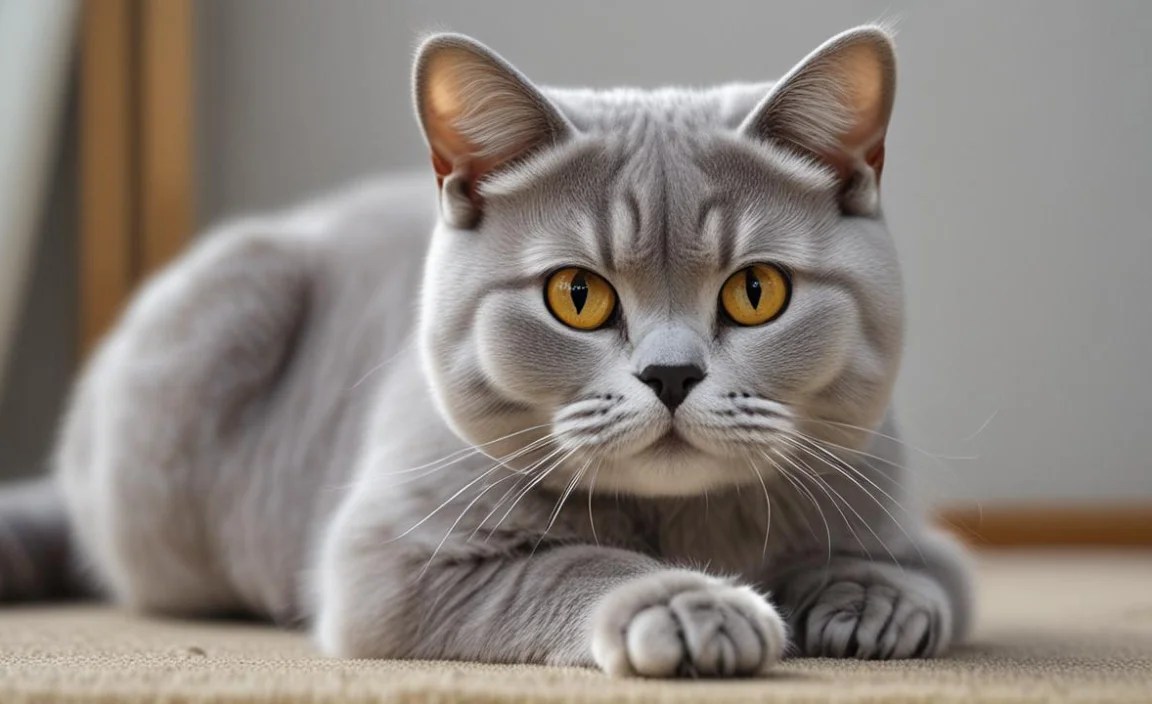
Even with a well-socialized British Shorthair, behavioral issues can sometimes arise. Addressing these issues promptly and effectively is crucial for maintaining a harmonious household.
Common Behavioral Problems
Here are some common behavioral problems that British Shorthairs may exhibit:
- Scratching: Scratching is a natural behavior, but it can become a problem if the cat is scratching furniture instead of a scratching post.
- Inappropriate Urination: Urinating outside the litter box can be a sign of stress, medical issues, or an aversion to the litter box.
- Aggression: Aggression towards humans or other animals can be caused by fear, territoriality, or medical problems.
Strategies for Correction
Here are some strategies for addressing these behavioral issues:
- Provide Scratching Posts: Offer a variety of scratching posts made of different materials and place them in areas where the cat likes to scratch.
- Litter Box Management: Keep the litter box clean and accessible. Use a litter that the cat prefers and avoid scented litters. If the problem persists, consult with a veterinarian to rule out medical issues.
- Consult a Veterinarian: If your cat is exhibiting signs of aggression, consult with a veterinarian to rule out any underlying medical conditions. A veterinary behaviorist can also provide guidance on behavior modification techniques.
When to Seek Professional Help
Sometimes, behavioral issues require professional intervention. Consider seeking help from a veterinarian or certified cat behaviorist if:
- The problem is severe or persistent.
- You are unable to identify the cause of the behavior.
- The behavior is causing stress or harm to the cat or other members of the household.
Creating a Socially Enriched Environment
A socially enriched environment can significantly enhance the well-being and happiness of your British Shorthair. Here are some ways to create a stimulating and engaging environment for your feline friend.
Providing Toys and Play
Toys and play are essential for keeping your British Shorthair mentally and physically stimulated. Choose toys that appeal to their natural instincts, such as hunting and chasing.
- Interactive Toys: Use toys that require your participation, such as wand toys or laser pointers.
- Puzzle Toys: Provide puzzle toys that dispense treats to challenge their problem-solving skills.
- Rotating Toys: Rotate toys regularly to keep them interested and engaged.
Creating Vertical Space
Cats love to climb and explore vertical spaces. Providing cat trees, shelves, and window perches can give them a sense of security and expand their territory.
- Cat Trees: Invest in a sturdy cat tree with multiple levels and scratching posts.
- Shelves: Install shelves on the walls to create climbing routes.
- Window Perches: Provide window perches where they can observe the outside world.
Environmental Enrichment
Environmental enrichment involves making changes to your cat’s environment to stimulate their senses and encourage natural behaviors.
- Sensory Stimulation: Provide opportunities for sensory stimulation, such as catnip, herbs, and interactive feeders.
- Safe Outdoor Access: If possible, provide safe outdoor access through a catio or enclosed garden.
- Regular Cleaning: Keep their environment clean and free of hazards to promote their health and well-being.
FAQ About Social Behavior of British Shorthairs
Here are some frequently asked questions about the social behavior of British Shorthairs.
- Are British Shorthairs good with children?
- Yes, British Shorthairs are generally good with children. Their patient and tolerant nature makes them suitable for family environments, but always supervise interactions.
- How do I introduce my British Shorthair to another cat?
- Introduce them gradually by keeping them in separate spaces initially, then allowing supervised visits and scent swapping.
- Do British Shorthairs like to be held?
- Some British Shorthairs enjoy being held, but many prefer to sit next to you rather than on your lap. Respect their preferences and let them initiate physical contact.
- Are British Shorthairs vocal?
- No, British Shorthairs are not overly vocal. They communicate through body language and subtle vocalizations.
- How much playtime does a British Shorthair need?
- British Shorthairs need about 15-20 minutes of interactive play per day to stay physically and mentally stimulated.
- What are some signs that my British Shorthair is stressed?
- Signs of stress include hiding, excessive grooming, changes in appetite, and inappropriate urination. Consult with a veterinarian if you notice these signs.
- Can British Shorthairs live with dogs?
- Yes, British Shorthairs can live with dogs if they are introduced properly and have positive experiences during the introduction phase.
Conclusion
Understanding the social behavior of British Shorthairs can help you create a loving and supportive environment for your feline friend. From their affectionate yet independent nature to their interactions with children and other pets, British Shorthairs make wonderful companions. By providing proper socialization, enrichment, and care, you can ensure that your British Shorthair lives a happy, healthy, and well-adjusted life. Always remember that patience and understanding are key to building a strong and lasting bond with your cat.


