
British Shorthair Curiosity Levels in Kittens: Guide

British Shorthair kittens are moderately curious. They’re playful and interested in their surroundings, but typically less hyperactive than some other breeds. Their curiosity is often expressed through gentle exploration and observation rather than constant, high-energy antics.
Bringing a British Shorthair kitten into your home is a joyous occasion. These fluffy bundles of joy are known for their calm and affectionate nature. However, like all kittens, they possess a natural curiosity about the world around them. Understanding the curiosity levels of British Shorthair kittens can help you create a safe and stimulating environment for them, ensuring they grow into well-adjusted and happy cats. So, how curious are these little furballs, really? And how can you best channel their inquisitive energy? We’ll explore this topic together, offering practical tips and insights to help you navigate your kitten’s early explorations.
Understanding British Shorthair Kitten Curiosity

British Shorthairs are known for their laid-back personalities, but don’t let that fool you! Kittens of this breed still have a healthy dose of curiosity. However, it’s usually expressed in a more reserved manner compared to, say, a Siamese or Bengal kitten. They’re observant and enjoy exploring at their own pace.
Typical Curiosity Traits in British Shorthair Kittens
Here are some common ways British Shorthair kittens display their curiosity:
- Investigating New Objects: They’ll cautiously approach and sniff new items in their environment.
- Following You Around: They like to keep an eye on what their humans are doing, often shadowing your movements.
- Peeking into Spaces: Cabinets, boxes, and bags are irresistible to a curious kitten.
- Playing with Toys: Interactive toys that mimic hunting are particularly engaging.
- Observing from a Distance: They might sit and watch birds outside the window or observe household activities from a safe spot.
Factors Influencing Curiosity Levels
Several factors can influence how curious a British Shorthair kitten is:
- Genetics: Some kittens are simply born with a more adventurous spirit than others.
- Early Socialization: Kittens who are well-socialized from a young age tend to be more confident and curious.
- Environment: A stimulating and enriched environment will encourage exploration and play.
- Health: A healthy kitten will have more energy and enthusiasm for exploring.
Creating a Safe and Stimulating Environment
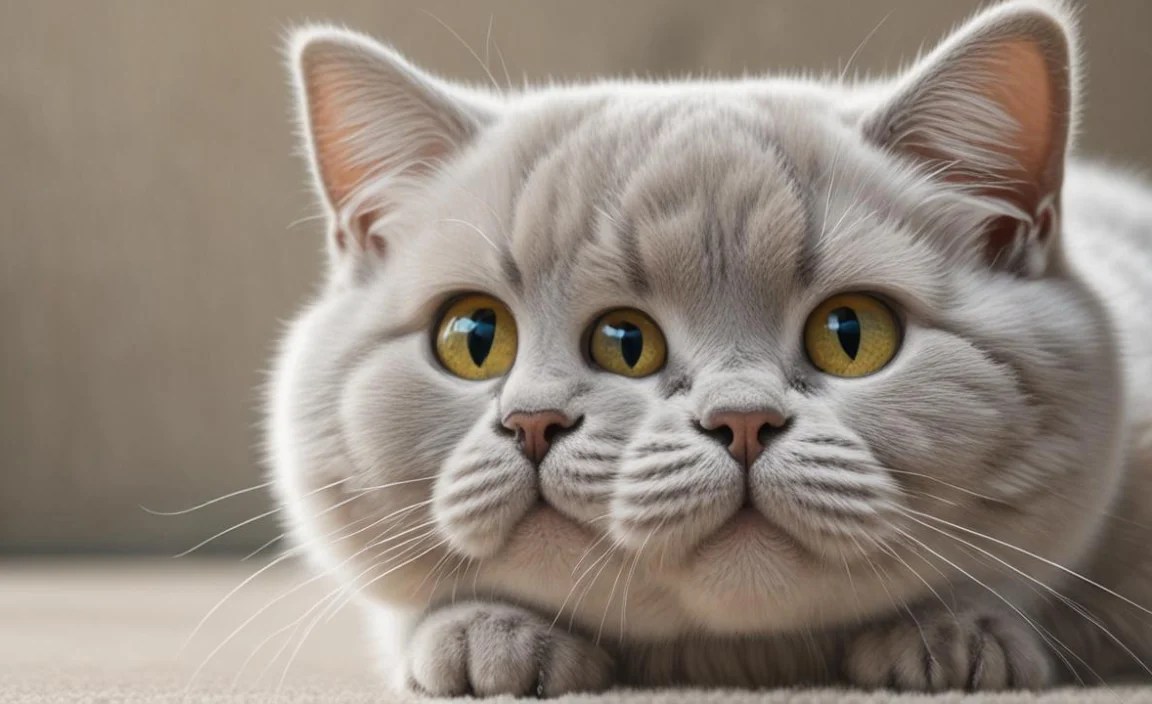
To nurture your British Shorthair kitten’s curiosity while keeping them safe, it’s important to create an environment that caters to their inquisitive nature. This involves kitten-proofing your home and providing plenty of opportunities for play and exploration.
Kitten-Proofing Your Home
Before your kitten arrives, take steps to eliminate potential hazards:
- Secure Wires and Cords: Cover or tuck away loose wires to prevent chewing, which can be dangerous.
- Remove Toxic Plants: Many common houseplants are poisonous to cats. Check the ASPCA’s list of toxic plants to ensure your home is safe.
- Store Cleaning Supplies Safely: Keep all cleaning products, medications, and chemicals out of reach.
- Secure Windows and Balconies: Ensure windows and balconies are secure to prevent falls.
- Hide Small Objects: Kittens are notorious for swallowing small objects, so keep things like rubber bands, paper clips, and buttons out of reach.
Providing Enrichment and Play
A stimulating environment is crucial for a curious kitten. Here are some ways to enrich your kitten’s life:
- Offer a Variety of Toys: Rotate toys regularly to keep things interesting. Include toys that encourage hunting behavior, such as wand toys and puzzle feeders.
- Create Climbing Opportunities: Cats love to climb and observe from high places. Provide cat trees, shelves, or window perches.
- Provide Scratching Posts: Scratching is a natural behavior, and providing scratching posts will save your furniture.
- Interactive Playtime: Spend time playing with your kitten each day. This strengthens your bond and provides mental and physical stimulation.
- Create Hiding Places: Cats feel secure when they have places to retreat to. Provide boxes, tunnels, or covered beds.
Encouraging Healthy Exploration

Encouraging your British Shorthair kitten’s curiosity is essential for their development. However, it’s important to do so in a way that promotes safety and positive behavior.
Supervised Exploration
Allow your kitten to explore new areas under your supervision. This allows you to intervene if they get into trouble and ensures they feel safe and secure.
Positive Reinforcement
Use positive reinforcement to encourage desired behaviors. Reward your kitten with treats, praise, or petting when they explore safely or engage with toys.
Redirecting Undesirable Behavior
If your kitten starts exploring in an area that’s off-limits, redirect their attention to a more appropriate activity. Offer them a toy or move them to a safe space.
Managing Potential Challenges
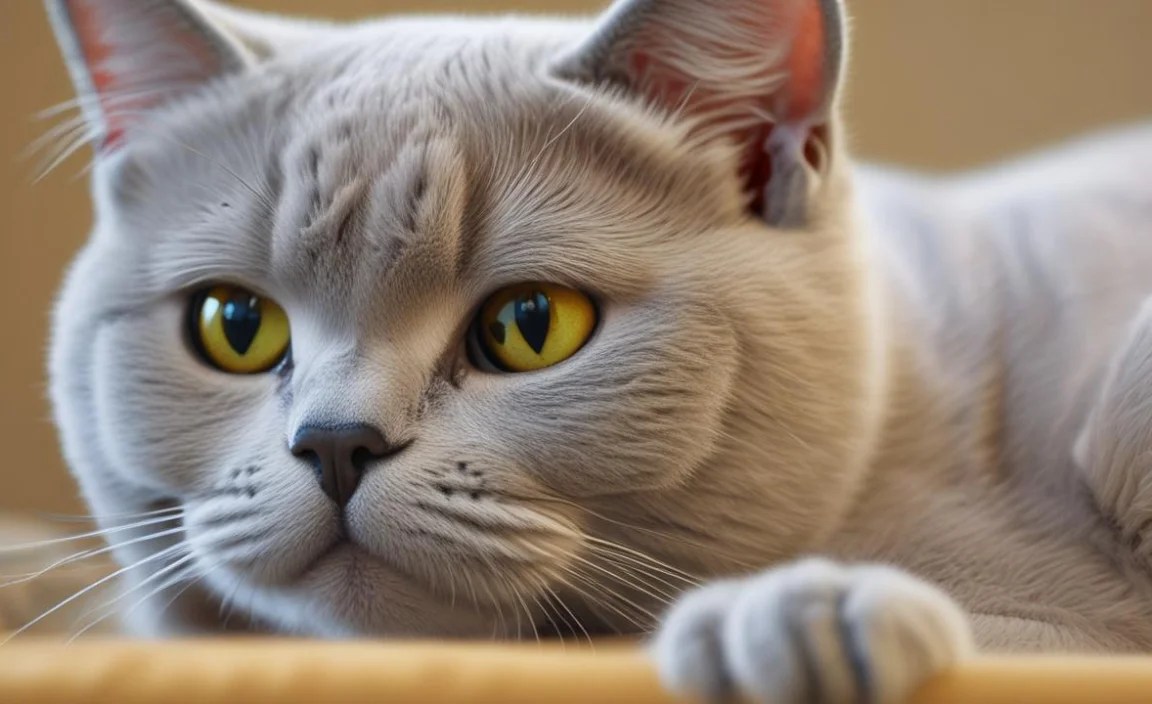
While curiosity is a positive trait, it can sometimes lead to challenges. Here’s how to manage some common issues:
Destructive Behavior
If your kitten is engaging in destructive behavior, such as scratching furniture or chewing on wires, it’s usually a sign of boredom or lack of stimulation. Provide more toys, increase playtime, and ensure they have access to scratching posts.
Fearfulness
Some kittens may be naturally more cautious and fearful. If your kitten is hesitant to explore, don’t force them. Instead, create a safe and comfortable environment and allow them to explore at their own pace. Use positive reinforcement to encourage them and avoid punishment, which can increase their anxiety.
Excessive Meowing
Sometimes, excessive meowing can be a sign of boredom or attention-seeking behavior. Ensure your kitten has plenty of toys and playtime, and consider using a puzzle feeder to keep them entertained. If the meowing persists, consult with your veterinarian to rule out any underlying medical issues.
British Shorthair Kitten Development Stages

Understanding the different stages of kitten development can help you better anticipate and manage their curiosity levels.
0-4 Weeks: Neonatal Period
During this stage, kittens are highly dependent on their mother. They are primarily focused on eating and sleeping, and their curiosity is limited.
4-12 Weeks: Socialization Period
This is a critical period for socialization. Kittens become more aware of their surroundings and begin to explore. Expose them to a variety of sights, sounds, and experiences to help them develop into well-adjusted adults.
3-6 Months: Juvenile Period
Kittens become more independent and playful during this stage. Their curiosity is at its peak, and they’re eager to explore and learn. Provide plenty of opportunities for play and exploration.
6-12 Months: Adolescence
Kittens begin to mature during this stage. Their energy levels may decrease slightly, but they still enjoy playing and exploring. Continue to provide enrichment and maintain a consistent routine.
Comparing Curiosity Levels with Other Breeds
While all kittens are curious, some breeds are known for being more inquisitive than others. Here’s how British Shorthairs compare:
| Breed | Curiosity Level | Typical Behavior |
|---|---|---|
| British Shorthair | Moderate | Observant, enjoys exploring at their own pace, less hyperactive. |
| Siamese | High | Highly vocal and active, always investigating, prone to getting into mischief. |
| Bengal | High | Energetic and playful, requires lots of stimulation, enjoys climbing and exploring. |
| Persian | Low to Moderate | More relaxed and less adventurous, prefers a calm and quiet environment. |
| Maine Coon | Moderate to High | Intelligent and curious, enjoys puzzle toys and interactive play. |
Nutrition and Curiosity
Proper nutrition plays a vital role in your kitten’s overall health and energy levels, which can influence their curiosity. A well-fed kitten is more likely to have the energy and enthusiasm to explore and play. According to Purina, kittens need a diet rich in protein and essential nutrients to support their growth and development.
Choosing the Right Food
Select a high-quality kitten food that is specifically formulated for kittens. Look for foods that contain:
- High-Quality Protein: Essential for muscle development.
- Essential Fatty Acids: Important for brain and vision development.
- Vitamins and Minerals: Support overall health and immune function.
Feeding Schedule
Follow a consistent feeding schedule to ensure your kitten gets the nutrients they need. Kittens typically need to be fed multiple times a day. As they grow, you can gradually reduce the number of feedings.
Hydration
Make sure your kitten always has access to fresh water. You can encourage them to drink by providing multiple water bowls or using a cat water fountain.
Health Considerations
A healthy kitten is a curious kitten. If your British Shorthair kitten seems lethargic or uninterested in their surroundings, it could be a sign of an underlying health issue. Regular veterinary checkups are essential for maintaining your kitten’s health and well-being. The Cornell Feline Health Center recommends annual checkups for all cats, and more frequent visits for kittens.
Common Health Issues
Be aware of common health issues that can affect kittens, such as:
- Upper Respiratory Infections: Symptoms include sneezing, coughing, and nasal discharge.
- Parasites: Worms and fleas can cause discomfort and health problems.
- Fungal Infections: Ringworm is a common fungal infection that can cause skin lesions.
- Genetic Conditions: British Shorthairs are prone to certain genetic conditions, such as hypertrophic cardiomyopathy (HCM).
When to See a Veterinarian
Consult with your veterinarian if you notice any of the following symptoms:
- Loss of Appetite: A sudden decrease in appetite can be a sign of illness.
- Lethargy: A lack of energy and enthusiasm can indicate a health problem.
- Vomiting or Diarrhea: These symptoms can be caused by a variety of issues, including infections and parasites.
- Difficulty Breathing: Respiratory problems can be serious and require immediate veterinary attention.
British Shorthair Curiosity: FAQ
Here are some frequently asked questions about British Shorthair kitten curiosity:
- Are British Shorthairs lazy cats?
- British Shorthairs are not inherently lazy, but they are known for their calm and relaxed demeanor. They enjoy playtime and exploration, but they also appreciate a good nap.
- How can I stimulate my British Shorthair kitten’s mind?
- Provide a variety of toys, create climbing opportunities, and engage in interactive play sessions. Puzzle feeders can also be a great way to keep your kitten entertained.
- Is it safe to let my British Shorthair kitten outside?
- It’s generally safer to keep cats indoors to protect them from traffic, predators, and diseases. If you want to let your kitten outside, consider using a harness and leash or creating a secure outdoor enclosure.
- How do I stop my British Shorthair kitten from scratching furniture?
- Provide plenty of scratching posts and encourage your kitten to use them by placing them in areas where they like to scratch. You can also use deterrent sprays or double-sided tape to protect your furniture.
- What are some signs that my British Shorthair kitten is bored?
- Signs of boredom include excessive sleeping, destructive behavior, and attention-seeking behavior such as meowing or following you around constantly.
- How much playtime does a British Shorthair kitten need?
- Aim for at least 15-20 minutes of interactive playtime each day. Break it up into multiple sessions to keep your kitten engaged.
- Are British Shorthairs good with children?
- Yes, British Shorthairs are generally good with children. They are known for their patient and tolerant nature. However, it’s important to supervise interactions between children and kittens to ensure everyone’s safety.
Conclusion
British Shorthair kittens possess a delightful blend of curiosity and calm. By understanding their unique traits and providing a safe, stimulating environment, you can nurture their inquisitive nature and help them grow into confident and well-adjusted companions. Remember to kitten-proof your home, offer plenty of toys and playtime, and provide a nutritious diet to support their overall health and well-being. With patience, love, and a little bit of preparation, you can enjoy many happy years with your curious British Shorthair kitten.


