
Personality Differences: British Shorthair Kittens vs Adults

**Quick Summary:** British Shorthair kittens are often playful, curious, and energetic, enjoying interactive games and exploring their surroundings. As they mature into adults, typically around 1-2 years old, their personality shifts towards a more relaxed and independent demeanor. Adult British Shorthairs are known for being calm, affectionate on their own terms, and less demanding of constant attention, though they still enjoy companionship.
Bringing a British Shorthair into your home means welcoming a wonderful companion. But did you know their personality can change quite a bit as they grow? Many owners are surprised to see their playful kitten turn into a dignified, somewhat independent adult. Understanding these changes can help you provide the best care and build an even stronger bond with your feline friend.
In this guide, I’ll walk you through the key personality differences between British Shorthair kittens and adults. We’ll explore their energy levels, playfulness, affection, and how their needs evolve. By the end, you’ll have a clear picture of what to expect at each stage and how to nurture your British Shorthair’s unique character.
Kitten vs. Adult: Understanding the Personality Shift

British Shorthair kittens and adults have distinct personalities. It’s essential to understand these differences to provide appropriate care and create a harmonious environment for your feline companion.
Energy Levels and Playfulness
One of the most noticeable differences between British Shorthair kittens and adults is their energy levels.
Kitten Energy: Non-Stop Fun
British Shorthair kittens are bundles of energy. They are naturally curious and playful, always eager to explore their surroundings and engage in interactive play.
- **High Energy:** Kittens have short bursts of intense energy, followed by periods of sleep.
- **Playful:** They love chasing toys, pouncing on anything that moves, and engaging in playful wrestling with littermates or other pets.
- **Curious:** Everything is new and exciting to a kitten. They will investigate every nook and cranny of your home.
This playful behavior is crucial for their development, helping them build coordination, learn about their environment, and develop social skills.
Adult Energy: Calm and Collected
As British Shorthairs mature, their energy levels gradually decrease. By the time they reach adulthood (around 1-2 years), they become much calmer and more relaxed.
- **Moderate Energy:** Adults still enjoy playtime, but they are not as demanding as kittens.
- **Independent Play:** They might prefer playing with toys on their own or engaging in shorter, less intense play sessions.
- **Relaxed:** Adult British Shorthairs are known for their laid-back attitude. They enjoy lounging around and observing their surroundings.
This shift in energy levels is a natural part of their development. Adult cats have learned about their environment and are more content with a predictable routine.
Affection and Social Interaction
The way British Shorthairs show affection and interact socially also changes as they grow.
Kitten Affection: Cuddly and Dependent
British Shorthair kittens are typically very affectionate and enjoy close physical contact.
- **Cuddly:** They love to cuddle with their owners, often seeking out laps and snuggling close.
- **Dependent:** Kittens rely on their owners for comfort and security. They may follow you around the house and meow for attention.
- **Playful Nips:** Kittens may playfully nip or bite during interaction, which is usually not aggressive but a part of their play.
Adult Affection: Independent and Dignified
Adult British Shorthairs are affectionate but in a more subtle and dignified way. According to the RSPCA, understanding a cat’s body language is essential for interpreting their affection.
- **Independent:** They are less dependent on their owners for constant attention.
- **Subtle Affection:** Adults may show affection by rubbing against your legs, purring, or simply being near you.
- **Personal Space:** They appreciate having their own space and may not always want to be cuddled or held.
This independence is a hallmark of the breed. Adult British Shorthairs are content with their own company and don’t require constant interaction to feel secure.
Vocal Communication
The frequency and type of vocal communication also differ between British Shorthair kittens and adults.
Kitten Vocalization: Frequent and Demanding
Kittens are more vocal than adults, often meowing to communicate their needs and desires.
- **Frequent Meowing:** They may meow when they are hungry, lonely, or want attention.
- **High-Pitched Voices:** Kitten meows are typically higher-pitched and more insistent.
- **Variety of Sounds:** Kittens may also purr, chirp, and trill to communicate different emotions.
Adult Vocalization: Quiet and Reserved
Adult British Shorthairs are generally quiet cats. They are less likely to meow unless they have a specific need or desire.
- **Infrequent Meowing:** Adults usually only meow when they want food, water, or attention.
- **Low-Pitched Voices:** Adult meows are typically lower-pitched and less demanding.
- **Subtle Communication:** They may use other forms of communication, such as body language and scent marking, to express themselves.
Sleeping Habits
Sleeping patterns also evolve as British Shorthairs transition from kittenhood to adulthood.
Kitten Sleeping Habits: Frequent Naps
Kittens need a lot of sleep to support their rapid growth and development. They typically sleep for 16-20 hours a day, taking frequent naps throughout the day and night.
- **Short Sleep Cycles:** Kittens have shorter sleep cycles than adults, waking up frequently to eat, play, and explore.
- **Varied Sleeping Locations:** They may sleep in various locations, such as in their bed, on your lap, or in a sunny spot.
- **Deep Sleep:** When kittens sleep, they often sleep very deeply, twitching and making noises as they dream.
Adult Sleeping Habits: Longer, Deeper Sleep
Adult British Shorthairs still sleep a lot, but they tend to have longer, deeper sleep sessions. They typically sleep for 12-16 hours a day, often in a single long stretch at night.
- **Established Sleep Routine:** Adults usually have a more established sleep routine, sleeping in the same location and at the same time each day.
- **Less Frequent Naps:** They may take fewer naps during the day, preferring to rest quietly or observe their surroundings.
- **Light Sleep:** Adult cats are often more alert while sleeping, waking up easily at the slightest sound or movement.
Adapting Your Care to Their Changing Personality

Understanding the personality differences between British Shorthair kittens and adults is crucial for providing the best possible care. Here’s how you can adapt your care to meet their evolving needs:
Adjusting Playtime and Exercise
Adjust playtime and exercise routines to match their energy levels.
For Kittens:
- **Interactive Play:** Engage in frequent interactive play sessions using toys like feather wands, laser pointers, and toy mice.
- **Climbing Structures:** Provide climbing structures and scratching posts to encourage exercise and exploration.
- **Puzzle Toys:** Use puzzle toys to stimulate their minds and keep them entertained.
For Adults:
- **Shorter Play Sessions:** Offer shorter, less frequent play sessions using toys that stimulate their hunting instincts.
- **Independent Play:** Provide toys that they can play with on their own, such as balls, toy mice, and catnip toys.
- **Regular Exercise:** Encourage regular exercise through walks, climbing, or interactive play to maintain their physical health.
Modifying Affection and Social Interaction
Adjust your approach to affection and social interaction based on their preferences.
For Kittens:
- **Frequent Cuddles:** Provide frequent cuddles and physical affection to reassure them and build a strong bond.
- **Comforting Environment:** Create a comforting and secure environment where they feel safe and loved.
- **Gentle Handling:** Handle them gently and avoid sudden movements that might scare them.
For Adults:
- **Respect Their Space:** Respect their need for personal space and avoid forcing affection on them.
- **Subtle Affection:** Show affection through gentle petting, scratching, and spending time in their presence.
- **Positive Reinforcement:** Use positive reinforcement, such as treats and praise, to encourage interaction and build trust.
Adapting the Environment
Create an environment that caters to their changing needs and preferences.
For Kittens:
- **Safe Environment:** Kitten-proof your home by removing hazards such as toxic plants, electrical cords, and small objects that they could swallow.
- **Multiple Resources:** Provide multiple litter boxes, food and water bowls, and scratching posts in different locations.
- **Cozy Resting Spots:** Create cozy resting spots where they can feel safe and secure.
For Adults:
- **Quiet Retreats:** Provide quiet retreats where they can relax and escape from noise and activity.
- **Elevated Perches:** Offer elevated perches, such as cat trees and window perches, where they can observe their surroundings.
- **Consistent Routine:** Maintain a consistent routine for feeding, playtime, and sleep to provide a sense of security and stability.
| Characteristic | Kittens (0-1 year) | Adults (1-7 years) |
|---|---|---|
| Energy Level | High; frequent bursts of energy | Moderate; calmer, more relaxed |
| Playfulness | Very playful; loves interactive games | Less playful; prefers solo play or shorter sessions |
| Affection | Cuddly, dependent, seeks attention | Independent, subtle affection, values personal space |
| Vocalization | Frequent meowing to communicate needs | Quiet; meows only when necessary |
| Sleeping Habits | Frequent naps; sleeps 16-20 hours a day | Longer, deeper sleep; sleeps 12-16 hours a day |
| Socialization | Highly social; enjoys interaction with humans and other pets | More independent; may prefer solitary activities |
| Curiosity | Extremely curious; explores everything | Less curious; more content with familiar surroundings |
Common Behavioral Changes and What They Mean
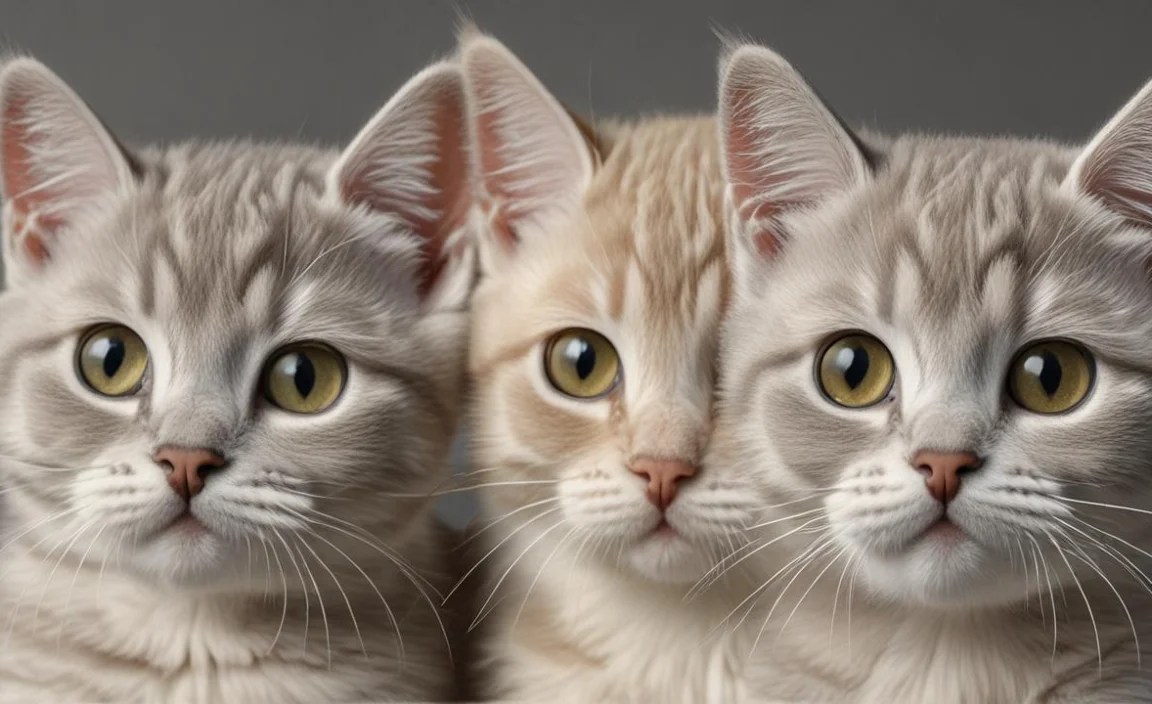
As your British Shorthair transitions from kittenhood to adulthood, you may notice some behavioral changes. Understanding these changes can help you address any concerns and provide appropriate support.
Decreased Playfulness
It’s normal for adult British Shorthairs to be less playful than kittens. This doesn’t mean they don’t enjoy playing at all, but they may prefer shorter, less frequent play sessions.
- **Possible Causes:** Natural aging, decreased energy levels, changes in hormones.
- **What to Do:** Provide opportunities for play, but don’t force it. Offer a variety of toys and let them choose what they want to play with.
Increased Independence
Adult British Shorthairs are typically more independent than kittens. They may spend more time alone and be less demanding of attention.
- **Possible Causes:** Maturity, increased self-confidence, established routine.
- **What to Do:** Respect their need for personal space and avoid being overly clingy. Provide them with comfortable resting spots where they can relax undisturbed.
Changes in Affection
The way your British Shorthair shows affection may change as they mature. They may be less cuddly and more subtle in their displays of affection.
- **Possible Causes:** Hormonal changes, individual personality, past experiences.
- **What to Do:** Pay attention to their body language and respond accordingly. Offer gentle petting and verbal praise to show your affection.
Increased Pickiness
Some adult British Shorthairs become more particular about their food and litter box habits.
- **Possible Causes:** Changes in taste preferences, dental issues, urinary problems.
- **What to Do:** Offer a variety of high-quality foods and observe their eating habits. Keep their litter box clean and accessible. Consult with your veterinarian if you notice any significant changes in their eating or litter box habits.
Health Considerations During Personality Changes

While most personality changes are normal, some can indicate underlying health issues. It’s essential to be aware of potential health concerns and consult with your veterinarian if you notice any unusual or concerning changes.
Hyperthyroidism
Hyperthyroidism is a common hormonal disorder in older cats that can cause increased activity, appetite, and vocalization. According to Cornell Feline Health Center, hyperthyroidism can significantly impact a cat’s behavior and overall health.
- **Symptoms:** Increased activity, weight loss, increased appetite, increased thirst, vomiting, diarrhea.
- **What to Do:** Consult with your veterinarian if you notice any of these symptoms. Hyperthyroidism can be treated with medication, surgery, or radioactive iodine therapy.
Arthritis
Arthritis is a degenerative joint disease that can cause pain and stiffness, leading to decreased activity and changes in behavior.
- **Symptoms:** Decreased activity, stiffness, limping, reluctance to jump, changes in grooming habits.
- **What to Do:** Consult with your veterinarian if you notice any of these symptoms. Arthritis can be managed with medication, physical therapy, and weight management.
Cognitive Dysfunction Syndrome (CDS)
CDS, also known as feline dementia, is a progressive cognitive decline that can affect older cats. It can cause confusion, disorientation, and changes in behavior.
- **Symptoms:** Confusion, disorientation, changes in sleep patterns, decreased interaction, loss of litter box habits.
- **What to Do:** Consult with your veterinarian if you notice any of these symptoms. CDS can be managed with medication, environmental enrichment, and dietary changes.
Urinary Tract Infections (UTIs)
UTIs can cause discomfort and pain, leading to changes in litter box habits and behavior.
- **Symptoms:** Frequent urination, straining to urinate, blood in urine, urinating outside the litter box.
- **What to Do:** Consult with your veterinarian if you notice any of these symptoms. UTIs can be treated with antibiotics and dietary changes.
FAQ About British Shorthair Personality
1. When do British Shorthairs typically calm down?
British Shorthairs usually start to calm down around 1 to 2 years old, transitioning from energetic kittens to more relaxed adults.
2. Are British Shorthairs affectionate cats?
Yes, British Shorthairs are affectionate but in a subtle way. They enjoy being near their owners and may show affection through purring or gentle nudges.
3. Do British Shorthairs like to be held?
Some British Shorthairs enjoy being held, while others prefer to keep their independence. It depends on the individual cat’s personality.
4. How much playtime do British Shorthairs need?
Kittens need 20-30 minutes of interactive playtime daily, while adults are happy with 10-15 minutes. Break it up into smaller sessions.
5. Are British Shorthairs good with children?
Yes, British Shorthairs are generally good with children, known for their patient and tolerant nature, but always supervise interactions.
6. Do British Shorthairs get lonely?
While independent, British Shorthairs do enjoy companionship. Provide toys and attention to prevent loneliness, especially if they are alone for long periods.
7. How can I keep my British Shorthair entertained?
Offer a variety of toys, scratching posts, and climbing structures. Puzzle toys and interactive games can also keep them mentally stimulated.
Conclusion
Understanding the personality differences between British Shorthair kittens and adults is key to providing the best possible care for your feline companion. From playful kittens to dignified adults, each stage brings unique joys and challenges. By adapting your approach to playtime, affection, and environmental enrichment, you can ensure a happy, healthy life for your British Shorthair. Remember to pay attention to any behavioral changes and consult with your veterinarian to rule out any underlying health issues. With patience, understanding, and love, you’ll build a strong and lasting bond with your British Shorthair, enjoying their unique personality at every stage of their life.


