
Quiet Cat Breeds for Families: Find Your Purrfect Match

If you’re looking for a quiet cat breed for your family, consider the British Shorthair, Ragdoll, Persian, or Russian Blue. These breeds are known for their calm and gentle nature, making them great companions for children and adults alike. Remember that individual personalities can vary, so it’s always best to meet a cat before bringing them home.
Bringing a cat into your family is a big decision, and one of the most important things to consider is their personality. If you’re looking for a feline friend who won’t be too noisy, you’re in the right place. Many families want a cat who’s more likely to purr softly than meow loudly. It can be frustrating to deal with a cat who constantly demands attention with loud vocalizations. Don’t worry – I’m here to help you find the purr-fect quiet companion!
In this article, I’ll walk you through some of the quietest cat breeds that are also great with families. We’ll explore their unique traits, care needs, and why they might be the perfect fit for your home. Let’s dive in and discover your ideal, low-noise kitty!
Understanding Cat Vocalization
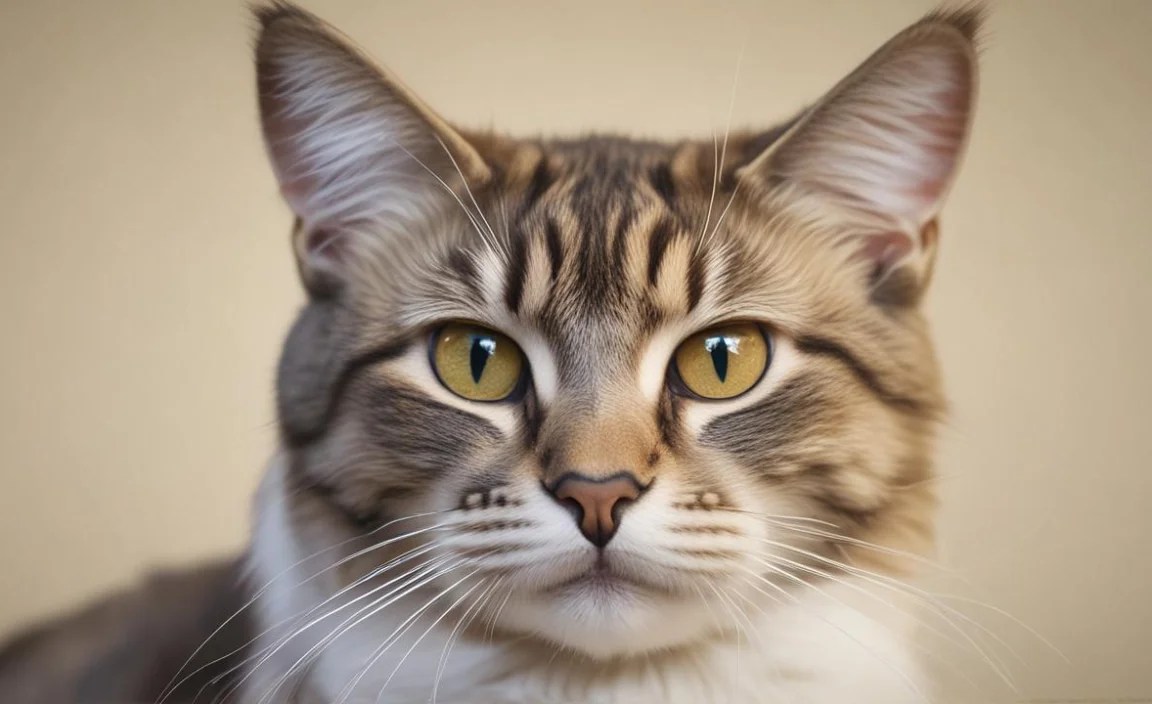
Before we jump into specific breeds, let’s understand why cats vocalize. Meowing isn’t just random; it’s a form of communication. Cats meow to get our attention, ask for food, or express discomfort. Some breeds are naturally more talkative than others. Understanding this can help you choose a cat that fits your lifestyle.
Why Do Cats Meow?
- Attention Seeking: Cats often meow when they want your attention, whether it’s for playtime or cuddles.
- Food and Water: A meow can be a direct request for a meal or a drink.
- Greeting: Some cats meow as a way of saying hello when you come home.
- Health Issues: Excessive meowing can sometimes indicate a health problem, so it’s important to consult a vet if you notice a sudden change in vocalization.
Factors Influencing Vocalization
Several factors can influence how much a cat meows:
- Breed: Certain breeds are known to be quieter than others.
- Age: Kittens may meow more frequently to communicate their needs, while older cats might meow due to cognitive changes.
- Environment: A stressful or boring environment can lead to increased vocalization.
- Individual Personality: Just like people, cats have unique personalities. Some are naturally more talkative than others.
Top Quiet Cat Breeds for Families

Now, let’s explore some of the quietest cat breeds that make wonderful family pets. These breeds are generally known for their gentle and calm nature, making them a great addition to any household.
1. British Shorthair
As a British Shorthair enthusiast, I can’t recommend this breed enough for families seeking a quiet companion. British Shorthairs are known for their calm, easy-going nature and minimal vocalization. They’re often described as “gentle giants” due to their sturdy build and affectionate demeanor. According to The International Cat Association (TICA), they are adaptable and get along well with children and other pets.
Why British Shorthairs are Quiet
- Laid-back Temperament: They are content with their own company and don’t constantly demand attention.
- Soft Voice: When they do meow, it’s usually a soft, gentle sound.
- Independent Nature: They don’t rely heavily on constant interaction, which reduces the need for vocalization.
Care Tips for British Shorthairs
- Regular Grooming: Their dense coat requires weekly brushing to prevent matting.
- Balanced Diet: Provide high-quality cat food to maintain their healthy weight.
- Interactive Play: Engage them in playtime to keep them mentally stimulated.
2. Ragdoll
Ragdolls are another excellent choice for families looking for a quiet and affectionate cat. These gentle giants are known for their docile nature and tendency to go limp when held, hence the name “Ragdoll.” Purina notes that Ragdolls are incredibly patient and loving, making them great companions for children.
Why Ragdolls are Quiet
- Gentle Temperament: They are known for their calm and relaxed demeanor.
- Soft Meow: Their vocalizations are typically soft and infrequent.
- Affectionate Nature: They prefer to show affection through cuddles rather than constant meowing.
Care Tips for Ragdolls
- Regular Grooming: Their long, silky coat needs regular brushing to prevent tangles.
- Indoor Lifestyle: Ragdolls are best suited for indoor living to protect them from outdoor hazards.
- Love and Attention: They thrive on human interaction and love to be part of the family.
3. Persian
Persian cats are known for their luxurious coats and sweet, gentle personalities. While they require more grooming than some other breeds, their quiet nature makes them a wonderful addition to calm households. The Cat Fanciers’ Association (CFA) describes them as peaceful and ornamental, preferring a serene environment.
Why Persians are Quiet
- Calm Demeanor: They are known for their laid-back and gentle nature.
- Soft Voice: Their meows are typically soft and delicate.
- Love of Comfort: They enjoy lounging and relaxing, rather than being overly active or vocal.
Care Tips for Persians
- Daily Grooming: Their long coat requires daily brushing to prevent matting and tangles.
- Facial Cleaning: Regular cleaning of their facial folds is necessary to prevent infections.
- Indoor Environment: Persians are best suited for indoor living to protect their coat and health.
4. Russian Blue
Russian Blues are elegant and intelligent cats known for their striking silver-blue coats and bright green eyes. They are also known for being relatively quiet and reserved, making them a great choice for families who prefer a less vocal feline companion. According to the RSPCA, Russian Blues are gentle and affectionate, but can be initially shy with strangers.
Why Russian Blues are Quiet
- Reserved Nature: They are generally quiet and reserved, preferring to observe from a distance.
- Soft Meow: Their vocalizations are typically soft and infrequent.
- Independent Streak: They are comfortable spending time alone, reducing the need for constant interaction.
Care Tips for Russian Blues
- Interactive Play: Provide plenty of toys and playtime to keep them mentally stimulated.
- Regular Grooming: Their dense coat benefits from weekly brushing.
- Consistent Routine: They thrive on routine and consistency in their environment.
5. Burmese
Burmese cats are affectionate and playful but generally have a softer, quieter voice compared to some other breeds. They bond strongly with their families and enjoy being involved in household activities. The Cornell Feline Health Center notes that Burmese cats are intelligent and curious, making them engaging companions.
Why Burmese are Quiet
- Moderate Vocalization: While they do communicate, their meows are typically softer and less demanding.
- Affectionate Nature: They prefer to show affection through physical closeness rather than constant vocalization.
- Playful Temperament: They enjoy interactive play, which can reduce the need for excessive meowing.
Care Tips for Burmese
- Social Interaction: They thrive on human interaction and love to be part of the family.
- Mental Stimulation: Provide plenty of toys and activities to keep them mentally stimulated.
- Regular Grooming: Their short coat requires minimal grooming.
6. Scottish Fold
Scottish Folds are known for their distinctive folded ears and sweet, gentle personalities. They are also known for being relatively quiet cats, preferring to communicate through soft meows and gentle gestures. TICA highlights their adaptable and friendly nature, making them great family pets.
Why Scottish Folds are Quiet
- Gentle Nature: They are known for their calm and affectionate demeanor.
- Soft Vocalizations: Their meows are typically soft and infrequent.
- Adaptable Personality: They adapt well to different environments and routines, reducing stress-related vocalization.
Care Tips for Scottish Folds
- Regular Veterinary Checkups: Due to their unique genetics, they may be prone to certain health issues.
- Gentle Handling: Handle them with care, especially around their ears and joints.
- Interactive Play: Provide plenty of toys and playtime to keep them mentally stimulated.
Comparing Quiet Cat Breeds

To help you make an informed decision, here’s a comparison table highlighting the key characteristics of these quiet cat breeds:
| Breed | Temperament | Vocalization Level | Grooming Needs | Care Requirements |
|---|---|---|---|---|
| British Shorthair | Calm, Easy-going | Low | Weekly Brushing | Balanced Diet, Interactive Play |
| Ragdoll | Gentle, Affectionate | Low | Regular Brushing | Indoor Lifestyle, Love and Attention |
| Persian | Sweet, Gentle | Low | Daily Grooming | Facial Cleaning, Indoor Environment |
| Russian Blue | Reserved, Intelligent | Low | Weekly Brushing | Interactive Play, Consistent Routine |
| Burmese | Affectionate, Playful | Moderate | Minimal Grooming | Social Interaction, Mental Stimulation |
| Scottish Fold | Gentle, Adaptable | Low | Regular Checkups | Gentle Handling, Interactive Play |
Creating a Quiet Environment for Your Cat

Even if you choose a quiet breed, creating a calm and comfortable environment can further reduce vocalization. Here are some tips to help:
- Provide Plenty of Toys: Interactive toys can keep your cat entertained and reduce boredom-related meowing.
- Regular Playtime: Engage in daily playtime to burn energy and satisfy their hunting instincts.
- Safe and Comfortable Space: Ensure your cat has a quiet and safe place to retreat when they feel overwhelmed.
- Consistent Feeding Schedule: Feeding your cat at the same time each day can reduce food-related meowing.
- Clean Litter Box: A clean litter box is essential for your cat’s comfort and can prevent stress-related vocalization.
Addressing Excessive Meowing
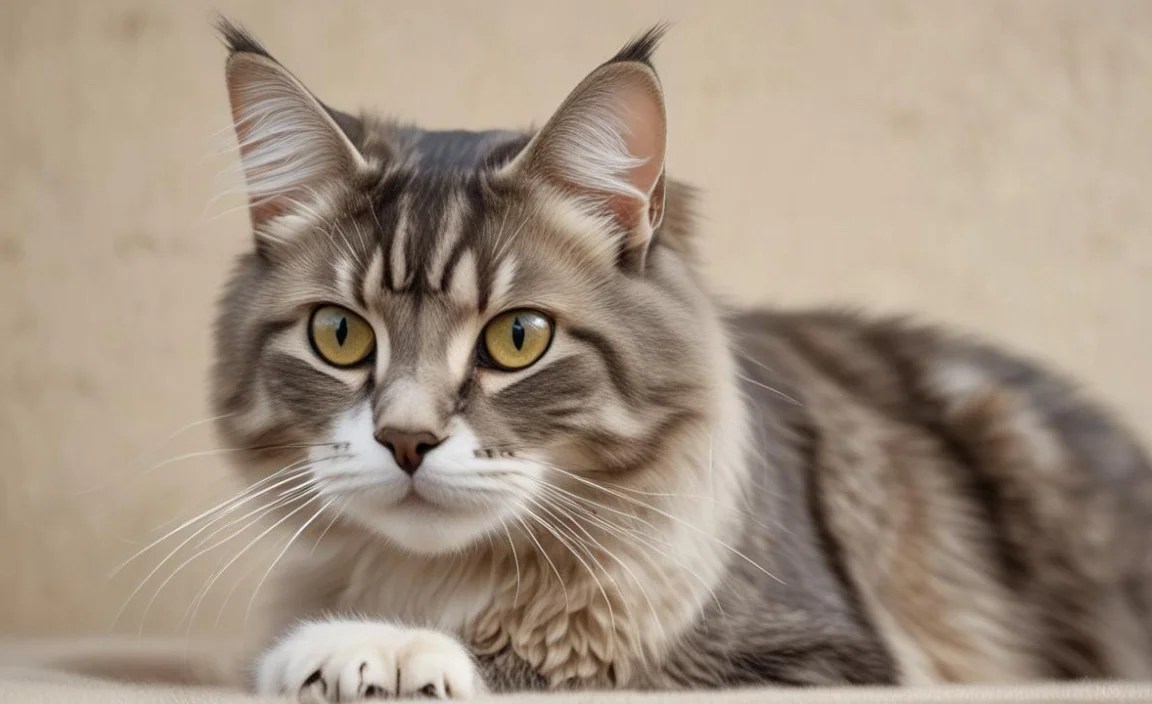
If your cat is meowing excessively, it’s important to identify the underlying cause. Here are some steps you can take:
- Rule Out Medical Issues: Consult with your veterinarian to rule out any potential health problems.
- Identify Triggers: Pay attention to when and where your cat meows to identify potential triggers.
- Provide Attention: Make sure your cat is getting enough attention and playtime.
- Ignore Attention-Seeking Meowing: If your cat is meowing for attention, avoid reinforcing the behavior by ignoring it.
- Consider Environmental Enrichment: Add more toys, scratching posts, and climbing structures to keep your cat entertained.
Adopting a Quiet Cat
When adopting a cat, consider these tips to ensure you’re bringing home a quiet and well-suited companion:
- Meet the Cat: Spend time with the cat before adopting to assess their personality and vocalization level.
- Talk to the Foster Parent or Shelter Staff: They can provide valuable insights into the cat’s behavior and temperament.
- Consider an Adult Cat: Adult cats often have more established personalities, making it easier to determine if they’re a good fit.
- Provide a Gradual Introduction: Introduce the new cat to your home and other pets gradually to reduce stress.
FAQ About Quiet Cat Breeds
Here are some frequently asked questions about quiet cat breeds:
Are all cats of these breeds guaranteed to be quiet?
No, individual personalities can vary. While certain breeds are known for being quieter, each cat has its own unique temperament. Meeting a cat before adopting can help you assess their vocalization level.
Do quiet cats need less attention?
No, all cats need attention, regardless of their vocalization level. Quiet cats may show affection in different ways, such as cuddling or simply being near you. Regular playtime and interaction are still important.
Can environmental factors affect a cat’s vocalization?
Yes, environmental factors can significantly impact a cat’s vocalization. Stress, boredom, and changes in routine can all lead to increased meowing. Providing a stable and enriching environment can help reduce excessive vocalization.
What should I do if my quiet cat suddenly starts meowing more?
If your cat suddenly starts meowing more, it’s important to consult with your veterinarian to rule out any potential health issues. Increased meowing can sometimes indicate pain, discomfort, or cognitive changes.
Are there any specific toys that can help reduce meowing?
Interactive toys that engage your cat’s hunting instincts can help reduce boredom-related meowing. Puzzle toys, feather wands, and laser pointers can all be effective in keeping your cat entertained and mentally stimulated.
How important is it to maintain a consistent routine for a quiet cat?
Maintaining a consistent routine is very important for a quiet cat, as it provides a sense of security and predictability. Cats thrive on routine, and changes in their environment or schedule can lead to stress and increased vocalization.
Is it possible to train a cat to be quieter?
While you can’t completely change a cat’s natural behavior, you can use positive reinforcement techniques to discourage excessive meowing. Ignoring attention-seeking meowing and rewarding quiet behavior can help reduce vocalization over time.
Conclusion
Choosing a quiet cat breed can bring a sense of peace and tranquility to your home. Breeds like the British Shorthair, Ragdoll, Persian, Russian Blue, Burmese, and Scottish Fold are known for their gentle and calm nature, making them excellent companions for families. Remember that each cat is unique, and providing a loving and enriching environment is key to their happiness and well-being. With the right breed and care, you can enjoy a harmonious and quiet home filled with feline love.


